-
 FAST SHIPPING
-
 COMPETITIVE PRICE
-
 EXCELLENT AFTER-SERVICE
 FAST SHIPPING
COMPETITIVE PRICE
EXCELLENT AFTER-SERVICE
FAST SHIPPING
COMPETITIVE PRICE
EXCELLENT AFTER-SERVICE
Technical Briefing
Deye's Wireless Energy Management Accessories, Explained
A practical guide to CT01, TX01, Smart Plug, Smart Switch and the EV charger — and how they fit into one control system.
13 March 2026 | Uniz Solar Technical Team
The inverter is usually the part customers recognise. The accessories are where confusion begins. A buyer may order a CT meter, assume that wireless communication is included, and only later discover that one more small part is required before the system will talk over LoRa. Others see a Smart Plug, a Smart Switch and an EV charger on the same product page and are left wondering whether these are separate products, optional extras, or different names for the same idea.
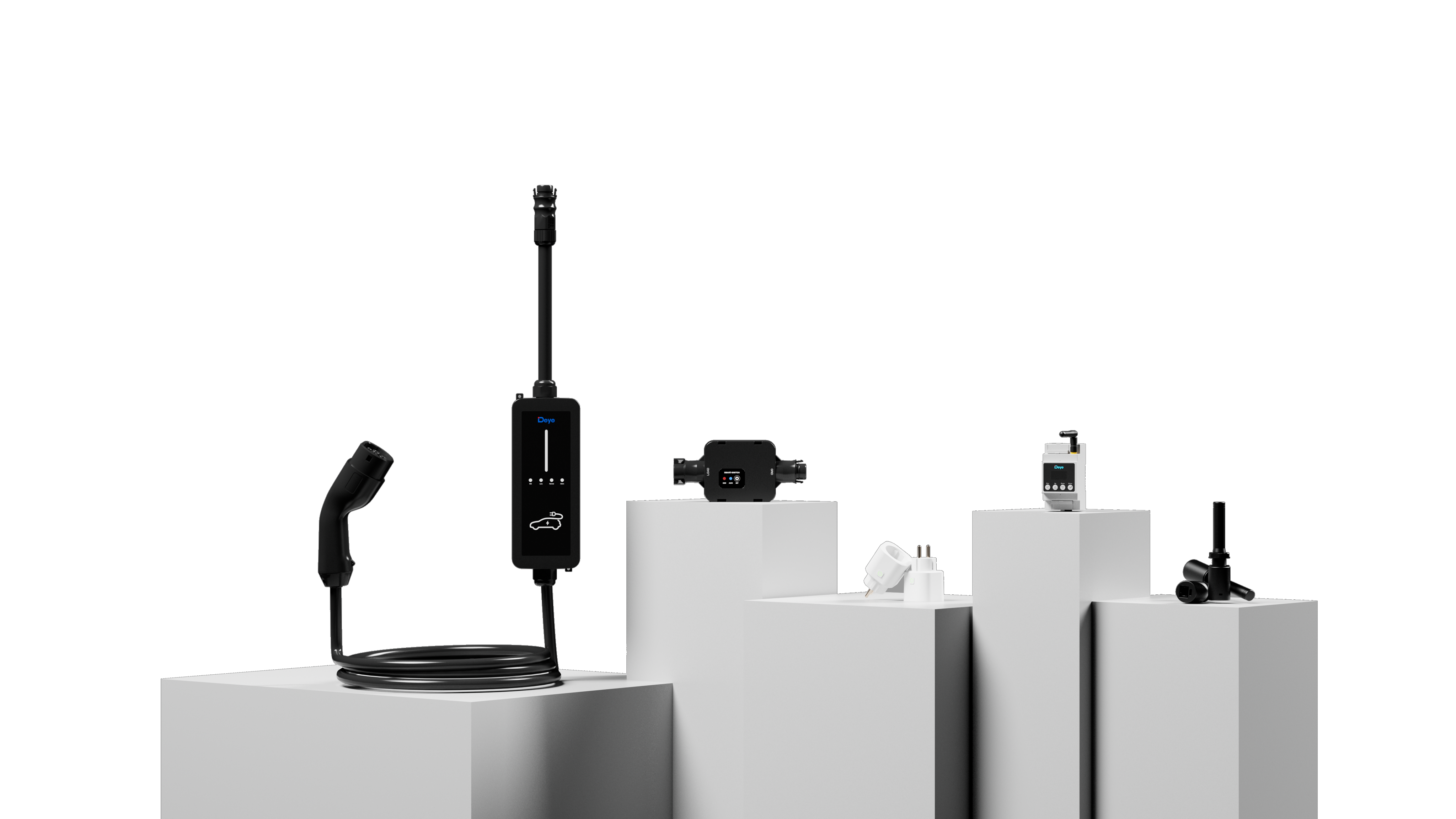
Deye's wireless energy management range is, in fact, a coherent ecosystem. The logic is sensible once the roles are separated: one device measures, one device transmits, and others act on the data by switching loads or scheduling charging. This article sets out what each product is for, where it sits in the system, and which combinations should be specified together.
|
The point that catches people out: SUN-SMART-CT01 can measure power on its own, and it also supports wired RS485. But if the project is meant to use Deye's wireless LoRa control architecture with a hybrid inverter, the installer normally needs SUN-SMART-TX01 as well. The TX01 is the transmitter that plugs into the inverter side and allows LoRa devices to pair with the system. |
How the accessory system is meant to work
Deye describes the package as a wireless energy management system based on LoRa communication. The stated aim is to maximise the use of solar power, minimise electricity bills, manage smart loads, and keep working locally even if the internet is unavailable. In Deye's own system description, the hybrid inverter acts as the local control centre. The Smart TX is installed at the inverter's meter port, after which LoRa devices — CT meter, plug, switch and EV charger — can be paired into the same control environment.
In practical terms, that gives installers two broad pathways. One is a simple monitoring route: measure import and export, then use the data for zero-export or energy tracking. The other is a control route: use that same data to switch loads, prioritise solar consumption, or manage charging windows based on time and battery state of charge.
What each accessory actually does
|
Product |
Primary role |
Typical use |
Comms |
IP rating |
What matters most in practice |
|
SUN-SMART-CT01 |
Metering |
Measures grid and load power in single-phase or three-phase installations |
LoRa / RS485 |
IP20 |
Useful by itself for measurement, but wireless pairing in Deye's setup still needs the transmitter side as well. |
|
SUN-SMART-TX01 |
Wireless bridge |
Connects the inverter to Deye LoRa devices |
LoRa |
IP20 (IP65 after installation) |
Small part, but central to the wireless architecture. |
|
SUN-SMART-PLUG01-F |
Plug-in load control |
Portable control of appliances through a standard socket |
LoRa |
IP20 |
Best for movable or ordinary plug loads, not for fixed heavy circuits. |
|
SUN-SMART-SWITCH01P3 |
Hard-wired load control |
Single-phase or three-phase switching for larger loads |
LoRa |
IP65 |
Made for higher-power circuits and outdoor-capable applications. |
|
SUN-EVSE11/22K01-EU-AC |
EV charging |
Managed charging using PV, schedule or app control |
LoRa / Wi-Fi / BLE |
IP66 |
Adds EV charging to the same energy-management logic instead of running it as a stand-alone charger. |
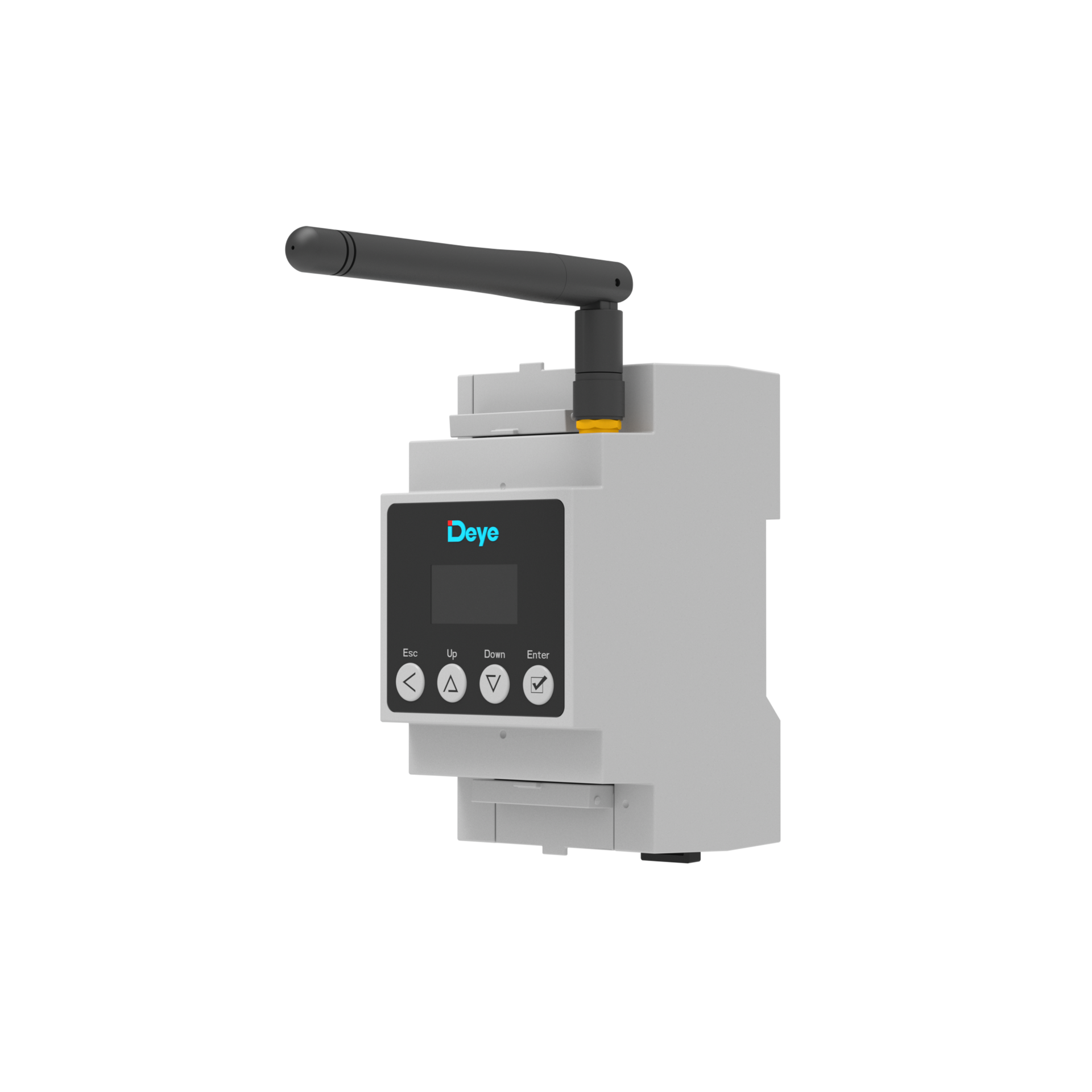
SUN-SMART-CT01: the meter, not the whole wireless solution
CT01 is the measurement device at the centre of the package. According to Deye's specification and manual, it can be used in both single-phase and three-phase installations, mounts on a DIN rail, displays voltage, current, active and reactive power, frequency, power factor and energy, and supports both LoRa and RS485 communication. Its published LoRa communication distance is about 200 metres in barrier-free conditions.
That makes CT01 more capable than a basic meter, but it does not remove the need to think about system architecture. Customers often read 'LoRa' on the CT datasheet and assume that the meter alone will give them a complete wireless link back to the inverter. Deye's own brochure describes the arrangement differently: the hybrid inverter acts as the control centre, and the Smart TX is installed at the inverter's meter port to pair with LoRa devices.
So the right message for customers is precise rather than absolute. If they want a wired measurement solution, CT01 can also communicate by RS485. If they want the Deye wireless energy-management setup, CT01 should normally be quoted together with TX01, otherwise the project will be missing the inverter-side wireless bridge.
SUN-SMART-TX01: the small accessory that makes the LoRa topology work
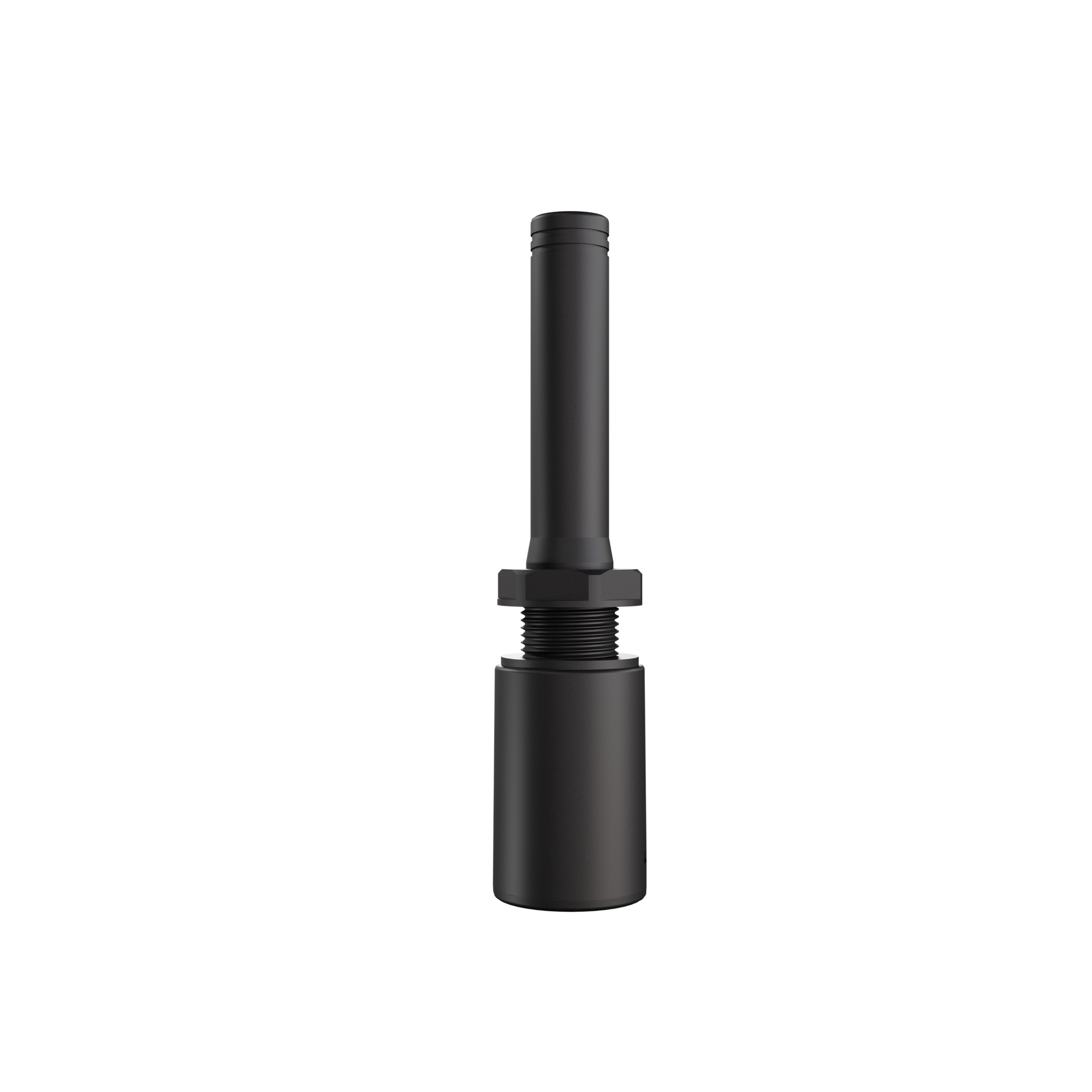
TX01 is easy to overlook because it is physically small and electrically simple. Its job is not to measure or switch anything. Its job is to create the wireless link between the inverter and the rest of Deye's LoRa accessories. The brochure states that all Deye hybrid inverters can act as the local control centre once the Smart TX is installed at the inverter's meter port. From there, the other LoRa devices scan and pair to the correct communication channel.
For a sales team, that is the key procurement lesson. When the quotation says 'wireless CT', the follow-up question should be: 'Is this a wired RS485 meter job, or a LoRa-integrated job?' If it is the latter, TX01 should be on the order, not treated as an optional afterthought.
Smart Plug versus Smart Switch: same logic, different electrical job
These two products are related, but they are not interchangeable. The easiest way to separate them is to look first at installation method and current rating, not software features.
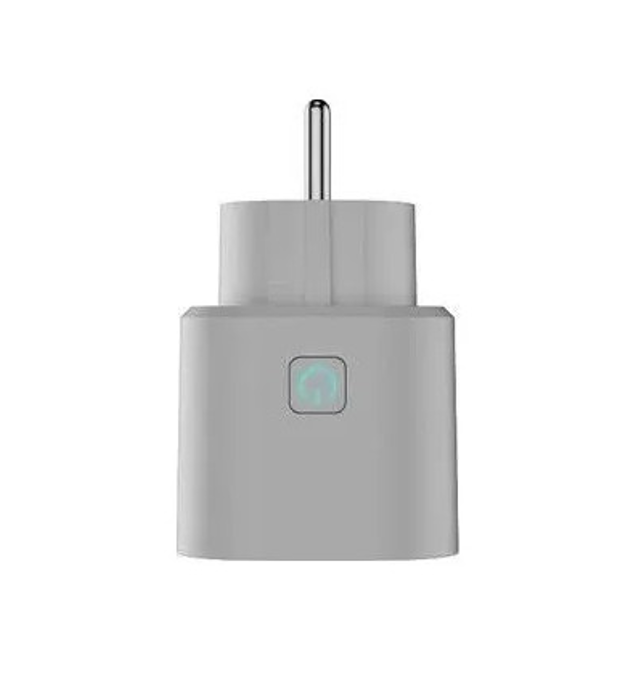
The Smart Plug is the simpler device. Deye rates it at 220–250 V and up to 16 A, with LoRa communication and an indoor IP20 enclosure. The user manual says it can be turned on and off through its own power button, from the inverter LCD, through the mobile app, or from the cloud platform. It also supports a time mode in which the schedule controls the on/off state rather than the local button. In other words, it is for ordinary socket-based loads that benefit from flexible control without rewiring the installation.
The Smart Switch is the heavier-duty option. Deye lists it for single-phase and three-phase connections, with up to 25 A AC per phase and an IP65 enclosure. Its manual describes it as suitable for outdoor high-power loads and notes that it follows the same control logic as the Smart Plug: local/manual control, app/cloud control, and time-based scheduling. The same manual also says that when the inverter enters off-grid mode, the smart switch will automatically turn off and remain disconnected — a useful detail when distinguishing critical from non-essential loads.
The EV charger: part of the same control story, not a stand-alone side note
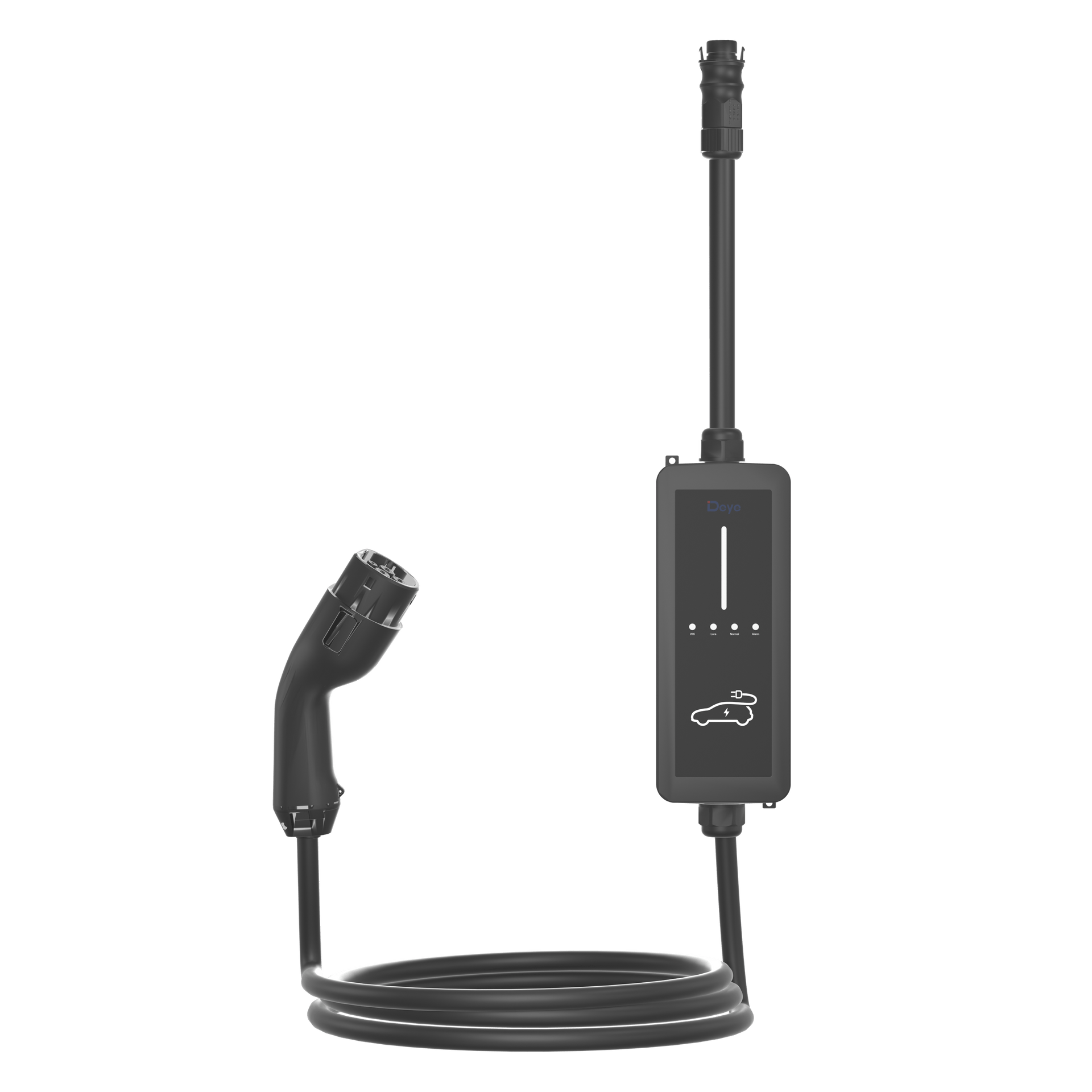
Deye's EV charger sits slightly apart from the smaller accessories because it is a complete charging product in its own right. Yet in Deye's materials it is still presented as part of the same ecosystem. The wireless energy-management brochure says the charger can be connected to an AC port of the inverter and controlled via LoRa. The EV charger manual adds app and cloud visibility, and lists three operating approaches: plug and charge, charge after scanning, and scheduled charging.
There are two versions in the range: an 11 kW model and a 22 kW model. Deye lists IP66 protection, Type II surge protection, DC 6 mA leakage-current protection, and communications via LoRa, Wi-Fi and BLE. For a homeowner with a battery system, the appeal is obvious. The charger need not behave like an isolated appliance; it can instead become part of the broader household energy strategy, using solar-first logic or lower-cost charging windows when that makes economic sense.
What to quote together: a practical ordering guide
|
Customer objective |
Recommended hardware |
Sales note |
|
Need grid/import-export measurement only |
CT01 |
RS485 can be suitable where a wired meter connection is acceptable. |
|
Need wireless CT-based monitoring with a Deye hybrid inverter |
CT01 + TX01 |
This is the pairing many customers miss. |
|
Need to control a plug-in appliance |
Smart Plug |
Good for movable loads up to 16 A. |
|
Need to control a fixed or heavier single-/three-phase load |
Smart Switch |
IP65 enclosure and 25 A per phase make it the more robust switching device. |
|
Need EV charging coordinated with the home energy system |
EV charger (11 kW or 22 kW) |
Useful where charging should follow PV production, schedule, or app control. |
A few points worth making clear to customers
Conclusion
Deye's accessory page looks crowded at first glance because it mixes measurement, communication, switching and charging products in one place. Once the roles are separated, the logic becomes straightforward. CT01 measures. TX01 links the inverter into the LoRa network. Smart Plug and Smart Switch act on household loads at different electrical levels. The EV charger extends the same control idea to vehicle charging.
For distributors and installers, the most useful correction is also the simplest one: do not sell CT01 as though it were the entire wireless package. Quote the system, not just the meter. That single clarification will prevent a good deal of avoidable confusion on site.
#Deye #WirelessEnergyManagement #CT01 #TX01 #SmartPlug #SmartSwitch #EVCharger #LoRaCommunication #HybridInverter #SolarStorage #EnergyManagement #SelfConsumption #LoadControl #SmartHome #RenewableEnergy
 +31610999937
 [email protected]
 De Werf 11, 2544 EH The Hague, The Nederland.WhatsApp: +1 (917) 257 2995/
Copyright © 2023 Uni Z International B.V. VAT: NL864303440B01 All Rights Reserved
 Solar Energy Storage System Solutions and Products

 0
0


 italiano
 Polskie
 Nederlands
 Deutsch
 Français
 Español
 Український