How Do You Make Money From Solar Panels: Practical Strategies
Dec 05,2025How to Keep Snow Off Solar Panels: Practical Tips for Winter Care
Nov 24,2025How to Build a Solar Farm: Requirements, Costs & Risks
Nov 20,2025Avoid Refurbished Solar Panel Scams — How to Verify Second-Hand Panels
Nov 14,2025Photovoltaic Accessory Guide — Selection, Installation, Maintenance
Nov 07,2025Making money from solar panels is less about printing cash on your roof and more about turning sunlight into financial benefits. The value shows up through lower electricity bills, selling excess power back to the grid, incentives from governments and utilities, and long-term gains like higher property value. To profit, you need to match the right solar strategy to your home, location, and budget.
Below is a practical breakdown of the main ways to monetize solar panels, how each one works, what you can realistically expect, and the key decisions that determine whether your system will pay off.
The most direct way to make money from solar panels is by spending less on electricity every month. Instead of buying all of your power from the grid, you generate part or all of it on your roof. Every kilowatt-hour your system produces is one you do not have to purchase from the utility, which immediately shows up as a lower bill. Over years, these savings usually exceed your installation cost, and that is where the real profit begins.
Your bill savings depend on three main factors: how much electricity you use, how much your utility charges per kilowatt-hour, and how much energy your solar panels generate in your climate. In sunnier regions with high electricity prices, each unit of solar power you generate replaces expensive grid power, so the savings add up faster and the payback period is shorter.
To estimate your annual savings, you typically multiply your system’s expected yearly output by your current electricity rate. For example, if your system produces 7,000 kilowatt-hours in a year and you pay a certain rate per kilowatt-hour, you can calculate the avoided cost. As rates increase over time, your savings usually rise too, because the energy your system generates offsets increasingly expensive utility power.
The way you use electricity matters just as much as the size of your solar array. If you have time-of-use pricing, using more power during sunny daytime hours allows you to consume your own solar output when it is most valuable. Running high-demand appliances such as washing machines, dishwashers, and pool pumps during the day allows you to avoid buying peak-rate electricity and improves the financial return on your system.
Energy efficiency also strengthens the economic case. By first reducing waste through efficient lighting, insulation, and modern appliances, you can install a smaller solar system that meets a larger share of your needs. This reduces upfront cost while maximizing the percentage of your bill that is covered by solar, which improves your overall return on investment.
In many areas, solar panels not only save you money but also generate income when you send excess power back to the grid. This process is often called net metering or net billing. When your panels produce more power than your home is using, the surplus flows into the utility network, and you receive a financial credit or payment, depending on local rules and your contract.
Under classic net metering, the utility effectively treats the grid as a battery. During the day, you export surplus solar power and your meter runs backward as credits accumulate. At night or on cloudy days, you pull power from the grid, and the credits offset what you consume. At the end of the billing period, you are charged only for your net usage, and in some cases, unused credits roll over to future months.
Some regions use net billing or export tariffs instead. In these systems, you buy electricity from the grid at one price and sell your excess solar at a different, usually lower, price. This still creates value, but it changes your strategy. It becomes more profitable to self-consume as much of your solar generation as possible and minimize exports, because each unit you avoid buying is worth more than each unit you sell.
It is important to understand whether your utility credits are just an accounting balance or actual cash. In many residential programs, excess credits can only be used to reduce future bills and are not paid out as money at the end of the year. In others, the utility may settle unused credits annually at a wholesale or avoided-cost rate. This can slightly change the optimal size for your system and whether you should intentionally oversize to produce more than your annual consumption.
Before installing solar, carefully read your local net metering or export policy. The rules determine how quickly you recover your investment and whether your solar array mainly reduces your costs or also generates an ongoing income stream. Policies can evolve over time, so understanding present rules and likely changes helps you design a system that keeps making financial sense for many years.
In some countries and regions, homeowners and small businesses can make money from solar panels through feed-in tariffs or long-term power purchase agreements. Instead of offsetting your own bill, you sell the electricity your system generates to the grid or a third party at a fixed rate for many years. These programs are designed to encourage solar adoption by offering predictable revenue that can be used to pay off loans or attract investment.
A feed-in tariff guarantees a set payment for every kilowatt-hour your solar installation exports to the grid over a defined period. The rate is usually agreed at the time of installation and remains stable, which makes it easier to forecast your earnings and evaluate the project like a small business investment. Higher tariffs and longer contract periods generally mean faster returns but are often phased down as solar becomes more common.
Under a pure feed-in-tariff arrangement, you may not benefit directly from self-consumption because all your solar power is sold to the grid. In that case, you still pay for your normal household electricity use separately. Your “profit” comes from the difference between your feed-in revenue and the combined cost of your system, maintenance, and the power you buy from your utility over time.
In some markets, property owners can enter into private power purchase agreements with businesses or community organizations. For example, a commercial building might host a solar array on its roof and buy the electricity at an agreed rate, while the system owner collects steady payments over many years. These agreements can be structured so that the buyer saves money compared to standard utility rates, while the seller enjoys consistent income from the panels.
The success of these models depends on legal frameworks, grid connection rules, and the willingness of third parties to sign long-term contracts. They are most common in areas with supportive regulations and high electricity prices, where both buyers and sellers have strong incentives to lock in cheaper and cleaner power.
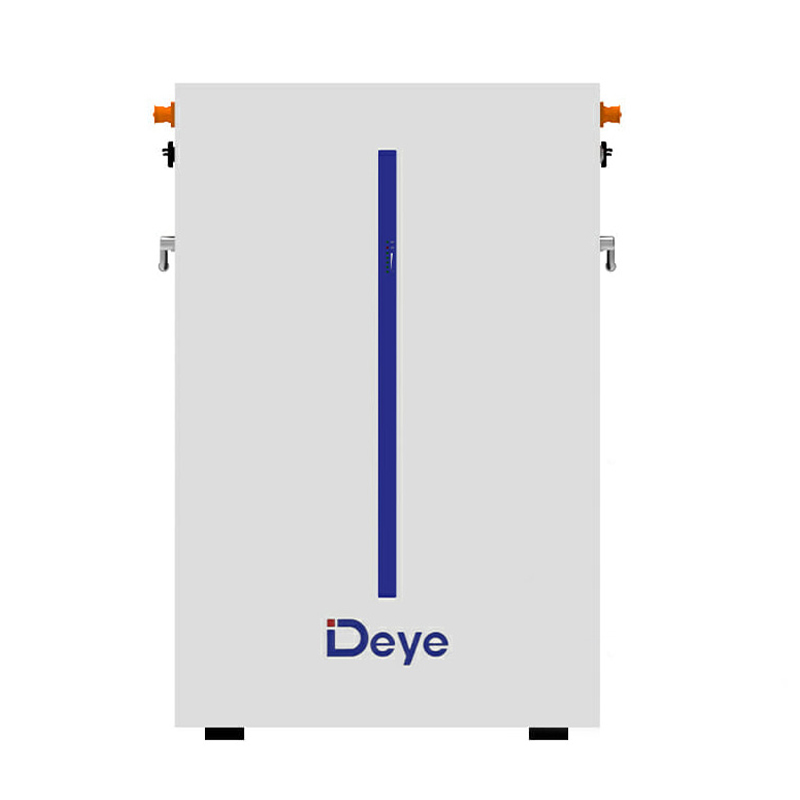
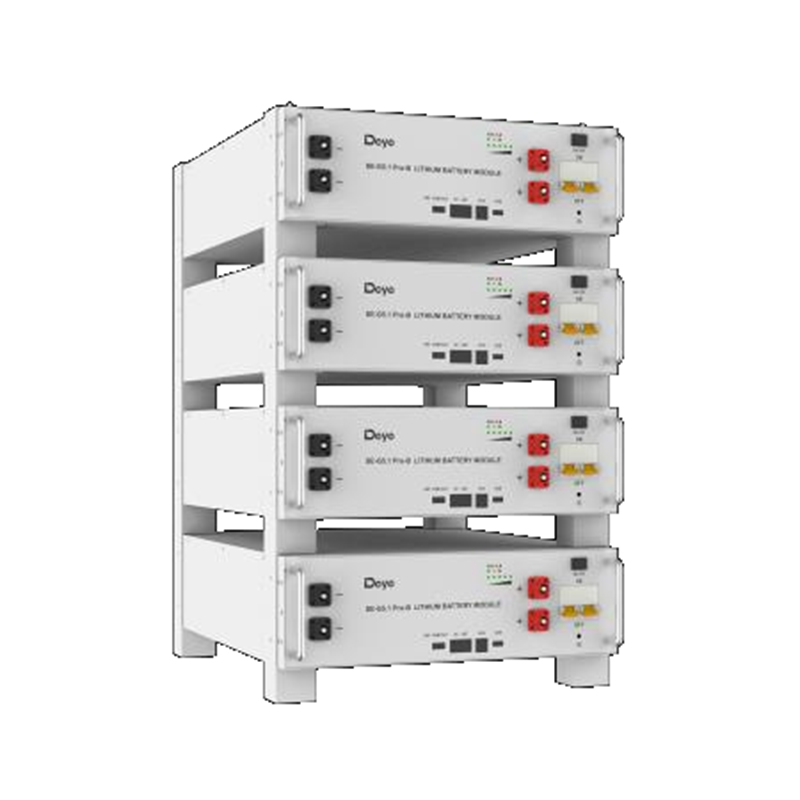
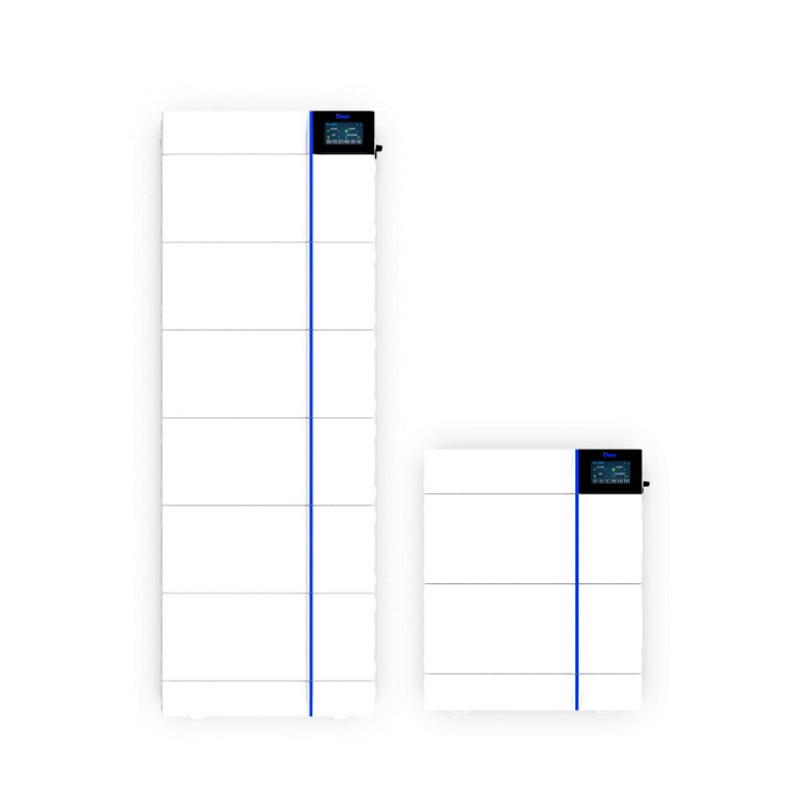
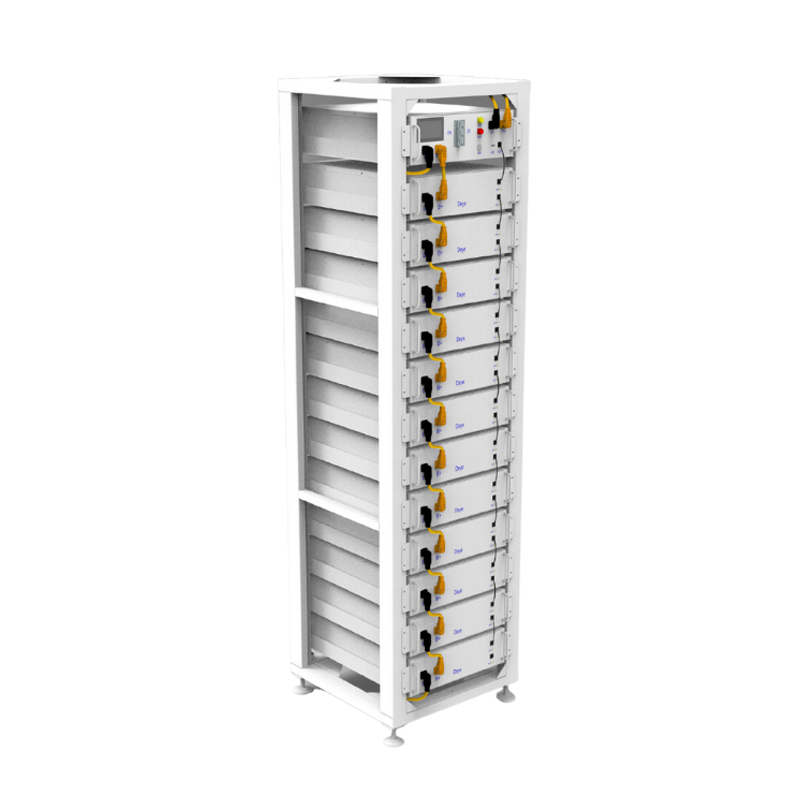
Adding batteries to your solar system opens up additional ways to save or earn money, especially where electricity prices change throughout the day. Instead of exporting extra solar power immediately, you can store it and use or sell it later when energy is more valuable. While batteries add upfront cost, in the right tariff structures they can significantly improve the economics of your solar investment.
If your utility charges more during peak demand hours, a solar-plus-battery system lets you perform a simple form of energy arbitrage. During low-price periods, usually midday when solar output is high, you store excess generation. During expensive evening hours, you discharge the battery to run your home, avoiding the need to buy high-cost electricity. Over time, the difference between the low-price charging and high-price avoidance can offset the cost of the battery.
The financial outcome depends on the size of your battery, the spread between off-peak and peak prices, the number of cycles your battery can sustain, and any limits your utility imposes on how you can use stored energy. A careful analysis of your tariff and usage profile is essential before deciding whether a battery will genuinely increase your overall returns.
In some advanced markets, owners of solar-plus-battery systems can join virtual power plant programs. In these arrangements, software aggregates many small batteries into one coordinated resource that can help the grid during periods of high demand or stress. In return, participants receive payments, bill credits, or discounted energy rates, converting their home system into a small but active player in the energy market.
The reliability and profitability of these programs vary, but they highlight an emerging opportunity: your solar and storage assets can earn money by providing flexibility and stability to the grid, not just by reducing your own bill. As more utilities and energy companies adopt these models, batteries are likely to become a more important part of solar monetization strategies.
Government incentives do not usually pay you cash every month, but they can dramatically change how quickly your solar investment pays for itself. Tax credits, rebates, and performance-based incentives effectively reduce your upfront cost or top up your income based on how much energy your system produces. Because they improve the financial picture without adding technical complexity, they are often the most straightforward way to boost your return.
Many regions offer one-time rebates or partial subsidies that lower the initial price of your installation. These can be fixed amounts per system or scaled by capacity, such as a payment per kilowatt installed. When combined with competitive installer quotes, these incentives can reduce your payback period by several years and increase your effective annual return on investment.
Tax credits work differently but have a similar effect. Instead of receiving cash at installation, you claim a percentage of your system cost as a credit against your tax liability. This reduces the net amount you pay over the next filing period and, in some cases, can be carried forward to offset future taxes. The higher the credit rate and the larger your tax bill, the more powerful this mechanism is for turning solar into a profitable choice.
Some incentive schemes reward you based on how much electricity your system actually generates over time. These performance-based incentives may pay a small amount for each kilowatt-hour produced, on top of your bill savings and any export credits. When structured well, they encourage proper system design, shading analysis, and maintenance, because higher output directly equals higher revenue.
In certain markets, renewable energy certificates or similar instruments can be sold to utilities or companies that need to meet clean energy targets. Each certificate represents a unit of green electricity produced, and the sale value varies with policy and demand. While not available everywhere, these certificates can provide an additional revenue stream that helps your solar panels pay for themselves faster.
Even if you never sell your home, solar panels can be viewed as an investment in your property. In many markets, buyers are willing to pay more for homes with lower running costs and modern, sustainable features. Although this value is realized only when you sell or rent out the property, it can be substantial and should be considered part of the money you make from solar.
A well-designed, fully owned solar system is often attractive to future buyers because it promises lower monthly bills without the hassle of arranging installation themselves. Appraisers in some markets explicitly factor solar into their valuation models, especially when there is documentation showing system age, capacity, warranties, and historical performance. This can translate into higher sale prices or faster sales compared to similar homes without solar.
The financial benefit is clearest when you own the system outright rather than leasing it. Buyers generally prefer assets over obligations, and a leased system with remaining payments can complicate the transaction. When planning your solar investment, consider how long you intend to stay in the home and whether you want the option to capture this resale value in the future.
For rental properties, solar panels can make the unit more appealing by promising lower utility bills. In competitive markets, this can help reduce vacancy rates or justify slightly higher rents, especially for tenants who value predictable monthly costs and environmental benefits. Some landlords structure leases so that both parties share in the savings, aligning incentives and making the arrangement attractive on both sides.
Commercial properties can see similar advantages. A building that offers tenants lower operating costs through on-site solar may be more attractive than one that does not, which can support higher occupancy, longer leases, and ultimately higher asset value. While these benefits are more indirect than a monthly credit on your bill, they still represent real financial returns from your solar investment.
How you pay for your solar panels has a major influence on how much money you ultimately make. Buying with cash, taking out a loan, entering a lease, or signing a power purchase agreement each distributes costs and benefits differently. Understanding these trade-offs helps you pick a structure that matches your financial goals and risk tolerance.
Paying cash for your system typically yields the highest long-term return, because you keep all the bill savings, incentives, and potential resale value. Your main cost is the upfront payment, and your profit shows up as lower expenses over the lifespan of the system. Once your bill savings and any export income exceed the initial cost, every additional year of operation effectively generates net income.
Solar loans soften the initial financial impact by spreading payments over several years. In a well-structured loan, your combined loan payment and remaining electricity bill can be similar to or even lower than your past utility costs, meaning you are financially ahead from the first year. Over time, as the loan is repaid and electricity prices rise, your savings grow and your effective return improves.
Solar leases and third-party power purchase agreements allow you to use solar panels without owning them. A company installs and maintains the system on your property, and you pay either a fixed monthly fee or a rate for the electricity the system produces. Your savings come from paying less per kilowatt-hour than the utility would charge, or from having a lower combined energy cost compared to relying purely on grid power.
These models rarely deliver the highest total profit because the third party keeps part of the financial benefits, including some incentives. However, they can still be attractive if you do not want to manage the asset yourself, lack the upfront capital, or prefer predictable payments over long-term ownership. The key is to compare the lifetime cost of the contract with what you would otherwise pay the utility and with the economics of owning a system directly.
To understand how you make money from solar panels in your specific situation, you need to look at the overall return on investment rather than any single metric. This means comparing the total costs of purchase, financing, and maintenance to the combined benefits from bill savings, export income, incentives, and potential property value gains over the system’s life. A realistic analysis helps you avoid oversizing your system or relying on optimistic assumptions.
Common ways to evaluate your solar investment include the payback period, annualized return, and lifetime net savings. The payback period tells you how long it takes for your cumulative savings and income to equal your initial cost. The annualized return, similar to an interest rate, expresses your profit as a percentage of your invested capital each year. Lifetime net savings show how much money you will have kept in your pocket after all costs and benefits are accounted for.
A realistic assessment also includes assumptions about system degradation, occasional maintenance, inverter replacement, and possible changes in electricity rates and policy. Taking a conservative approach ensures that, if conditions turn out better than expected, your solar investment will exceed your financial expectations instead of disappointing them.
| Money Flow Type | How It Helps You Profit |
| Bill Savings | Reduces what you pay the utility every month. |
| Net Metering / Exports | Credits or payments for excess solar sent to the grid. |
| Incentives | Tax credits and rebates lower your effective system cost. |
| Property Value | Higher sale or rental prices improve long-term returns. |
When you combine bill savings, grid payments, incentives, and long-term value, solar panels can behave like a low-risk investment that steadily pays you back over time. The exact numbers depend on your location, system size, electricity rates, and policy environment, but the underlying mechanics are consistent. The more expensive grid electricity becomes and the more effectively you use your own solar power, the more money you stand to make from your panels.
By carefully choosing your system design, ownership model, and participation in local programs, you can turn your roof into a productive asset that quietly converts sunlight into financial returns for many years.
+31610999937
[email protected]
De Werf 11, 2544 EH The Hague, The Nederland.
WhatsApp: +1 (917) 257 2995/Copyright © 2023 Uni Z International B.V. VAT: NL864303440B01 All Rights Reserved
Solar Energy Storage System Solutions and Products