Iowa Solar Tax Credit 2026: What's Still Available (And What Expired)
Apr 27,2026SUN-SMART-SWITCH01P3: Your Ultimate Outdoor Smart Load Control Solution
Apr 24,2026Solar Panel Wire Size: Complete Guide to AWG & mm² Selection
Apr 23,2026How to Choose the Right Battery for Deye SUN-12K-SG05LP3-EU-SM2
Apr 21,2026Deye Multi-Inverter Parallel Technology: Small Power Meets Large Power Needs
Apr 20,2026The Iowa Solar Incentive Picture in 2026: What's Changed
Two significant changes have reshaped the Iowa solar incentive landscape in the past few years, and most articles circulating online haven't caught up. First, Iowa ended its state-level residential solar tax credit in 2021. Second — and more recently — the federal Residential Clean Energy Credit (the 30% "solar tax credit") expired for systems placed in service after December 31, 2025, following the passage of new federal legislation. If you installed solar in 2026 or later, the federal credit that most people assume is still in place is no longer available for your home system.
That is the difficult news. The more useful news is that three meaningful incentives remain intact for Iowa homeowners — a full sales tax exemption, a five-year property tax exemption, and a highly favorable net metering policy — along with a narrowing but still-open window for commercial and agricultural solar projects. Understanding exactly what applies to your situation is what this guide is for.
The federal Residential Clean Energy Credit allowed homeowners to deduct 30% of their total solar installation cost from their federal income tax liability. For an average Iowa installation, that translated to savings of $8,000–$10,000 — by far the single most powerful financial incentive available to residential solar buyers anywhere in the country.
The IRS has confirmed that this credit is not available for solar property placed in service after December 31, 2025. The credit termination was part of public law changes enacted in mid-2025. If your system was installed and operational during 2025, you can still claim the 30% credit when you file your 2025 federal tax return using IRS guidance on the Residential Clean Energy Credit and Form 5695 filing requirements. Any unused credit from 2025 can be carried forward to offset future tax years.
For homeowners who installed in 2025 and are now filing, the process is straightforward: complete IRS Form 5695, enter your total qualified costs (panels, inverter, labor, wiring), calculate 30% of that figure, and apply it against your tax liability. If the credit exceeds what you owe, the remainder carries forward — it does not expire after a single year.
For anyone considering a new residential solar installation in 2026 or beyond: the federal credit is not currently available, and there is no confirmed legislation to restore it for homeowners. Iowa's own state residential credit has also been discontinued since 2021. The financial case for going solar today rests on the three remaining incentives described below, along with long-term utility bill savings. Browse residential solar panel systems for Iowa homes to understand what a full system package looks like before factoring in those remaining incentives.
Business owners, farm operators, and agricultural producers in Iowa are in a materially different position from homeowners. A state-level commercial solar tax credit remains available and has not been discontinued.
Iowa's commercial solar credit is equal to 50% of the applicable federal investment tax credit. The federal commercial ITC remains at 30% for projects that begin construction before July 4, 2026, or are placed in service by December 31, 2027. That means Iowa businesses that break ground on a qualifying solar installation before July 4, 2026 can still stack both the federal credit (30% of installation cost) and the Iowa state credit (15% of installation cost, being 50% of the 30% federal credit), for a combined potential credit of up to 45% of total project cost.
Several conditions apply:
For commercial projects, the combination of the federal business ITC, accelerated depreciation under MACRS (typically a 5-year schedule), and the Iowa state credit can reduce the effective payback period to under five years in many cases. Choosing high-efficiency PV panels for commercial projects maximizes the power output that determines the financial return on that credit-supported investment.
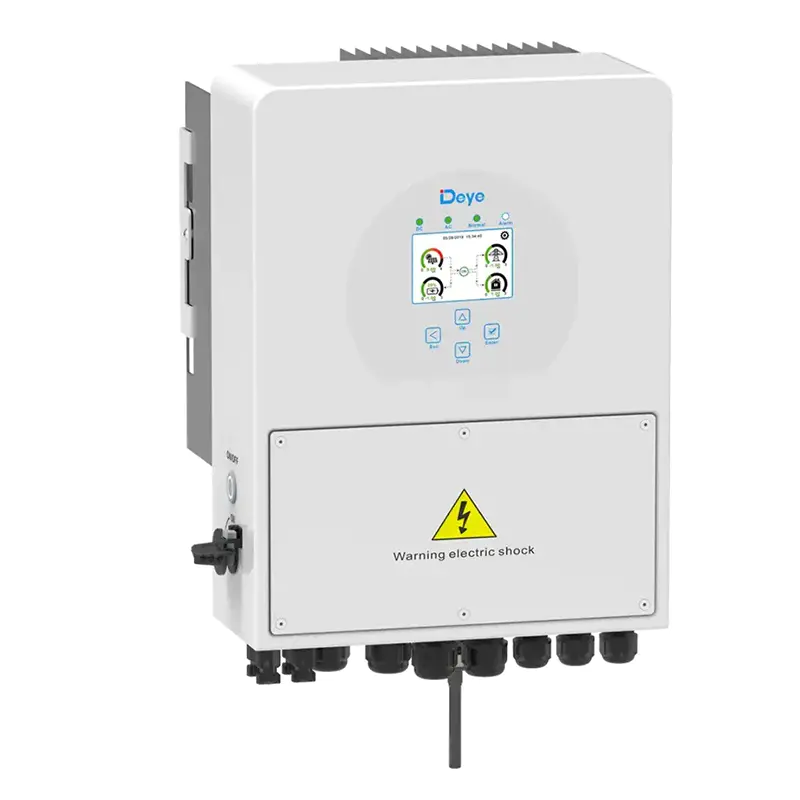
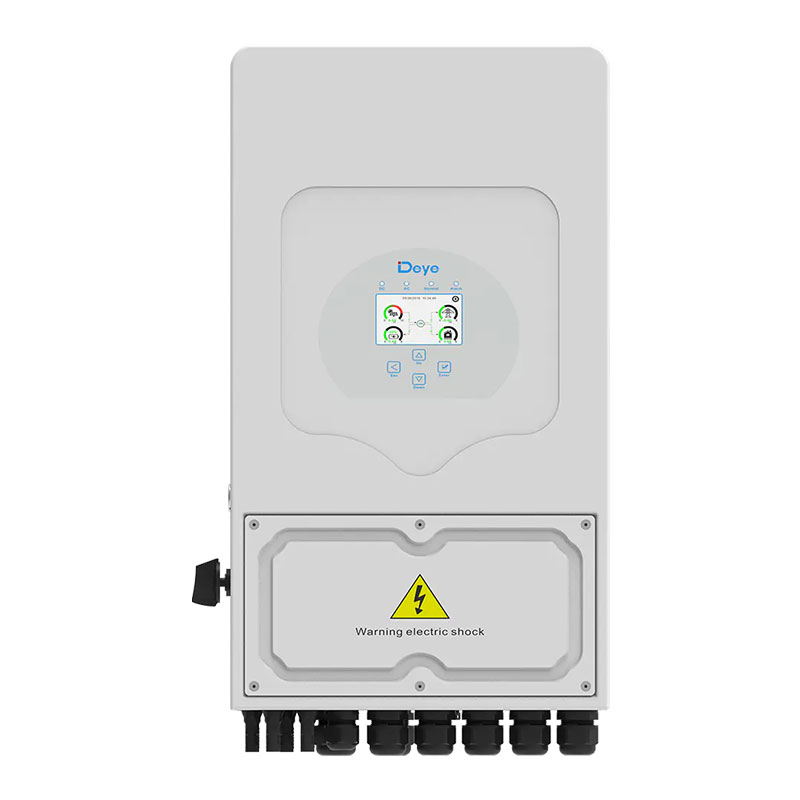
If you are evaluating a commercial system and want to connect it to the grid, you will also need to select a compatible inverter. Grid-tied solar inverters for Iowa installations handle the AC conversion and interconnection requirements that commercial grid-connected projects depend on.
Iowa exempts solar energy equipment from the state's 6% sales tax — and this exemption is still fully in effect, with no announced changes or sunset date. For a $30,000 residential system, that is $1,800 in sales tax that simply does not apply at the point of purchase. For a $100,000 commercial installation, the exemption is worth $6,000.
The exemption covers equipment used to convert sunlight into electricity, including solar panels, inverters, mounting hardware, wiring, monitoring systems, and battery storage components when they are part of the solar energy system. Installation labor costs are generally not subject to Iowa sales tax when they are part of a qualifying solar installation contract, though it is worth confirming with your installer how the purchase agreement is structured.
No application process is required to receive the exemption. Your solar installer should automatically exclude the Iowa sales tax from your contract. If they do not, reference Iowa Code Section 422.45(57), which grants the exemption, and ask them to correct the invoice. Keep a copy of your sales documentation for tax records.
Solar panels add measurable value to a home. Studies have consistently found that buyers pay a premium for properties with owned solar systems — Zillow research put the average increase at roughly 4% of home value. In Iowa, that added value is shielded from property tax assessment for the first five full assessment years after installation.
In practical terms: if your solar system adds $15,000 to your home's assessed value, and your county's effective property tax rate is 1.5%, you are avoiding approximately $225 per year in additional property taxes — $1,125 total over the five-year exemption period. That is not transformative on its own, but it is a real and automatic benefit that requires no additional action on your part beyond informing your county assessor that a solar installation has been completed.
Iowa law also includes a provision that can permanently exclude certain value increases attributable to solar system integration from property tax assessment, depending on how the system is classified by the local assessor. Because property assessment is administered at the county level, verify with your specific county assessor how they document solar installations and what paperwork — if any — they require from you after installation is complete.
Net metering is the mechanism that determines how much credit you receive from your utility for solar electricity you send to the grid. In Iowa, the current policy is genuinely favorable — but it has an expiration date that every prospective solar buyer needs to understand.
Iowa's two investor-owned utilities, MidAmerican Energy and Alliant Energy (Interstate Power and Light), are required by state law to offer net metering to residential solar customers. Both currently compensate exported solar power at the full retail electricity rate — meaning that a kilowatt-hour you send to the grid is worth the same as a kilowatt-hour you would have bought. This full-retail-rate crediting is among the most consumer-favorable arrangements in the Midwest.
There are some operational differences between the two utilities. MidAmerican tracks inflow (electricity pulled from the grid) and outflow (solar exported to the grid) separately and bills or credits accordingly; unused outflow credits expire. Alliant Energy customers can bank unused credits and cash out annually at the avoided cost rate. Neither policy applies to customers served by Iowa's many municipal utilities or electric cooperatives, which are not mandated to offer net metering — though a number of them do so voluntarily.
The important caveat: Iowa's net metering rules are scheduled for review by the Iowa Utilities Board in 2027. The most likely outcome, based on regulatory trends in other states, is a transition to a "value of solar" or net billing framework that compensates exported power at a rate below full retail — potentially significantly below. Customers who go solar before 2027 are expected to be grandfathered under existing, more favorable rates for some period after the policy changes.
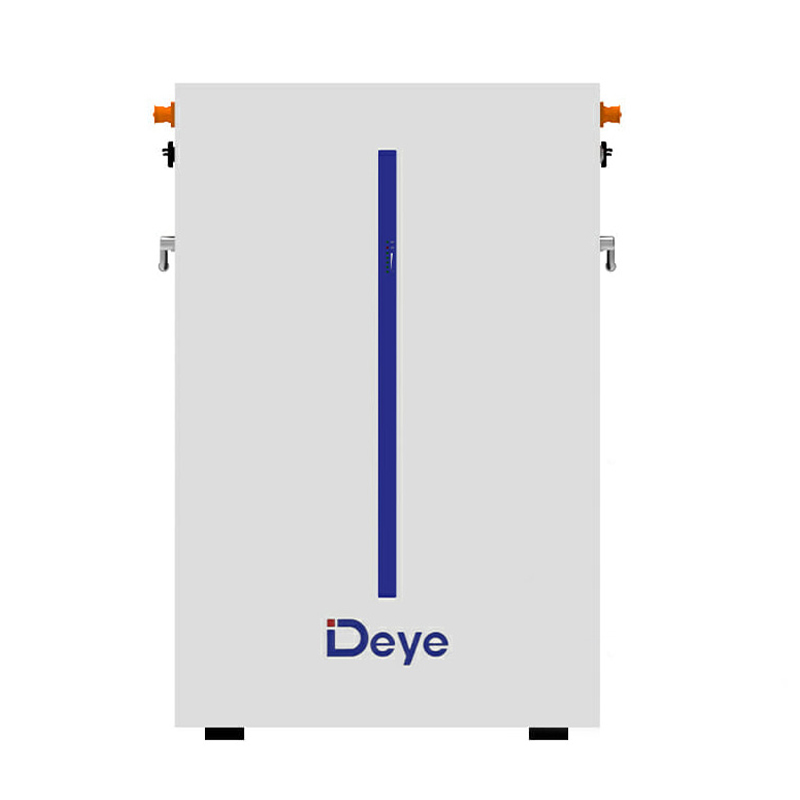
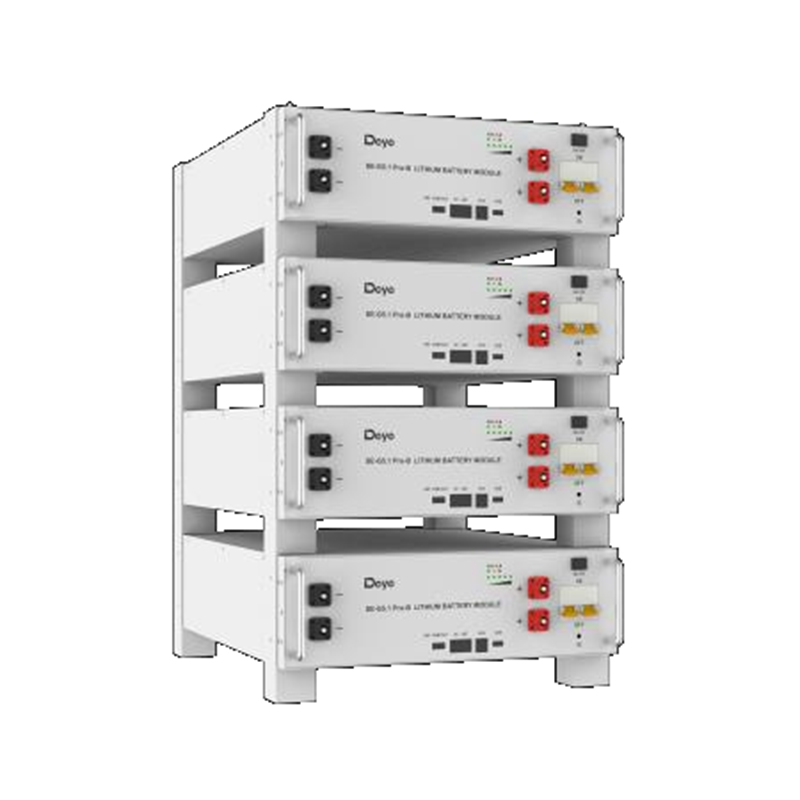
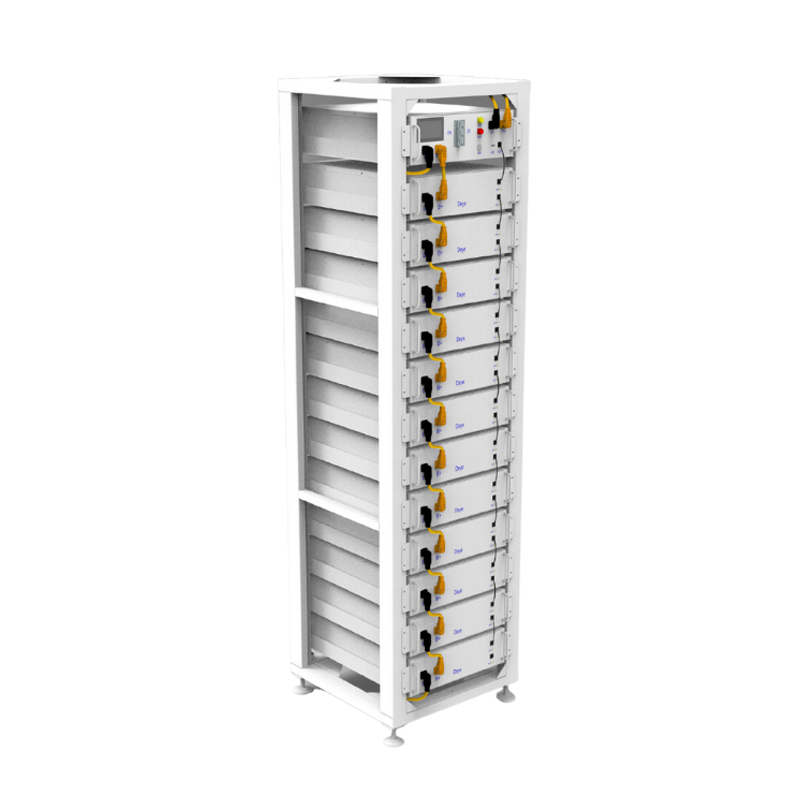
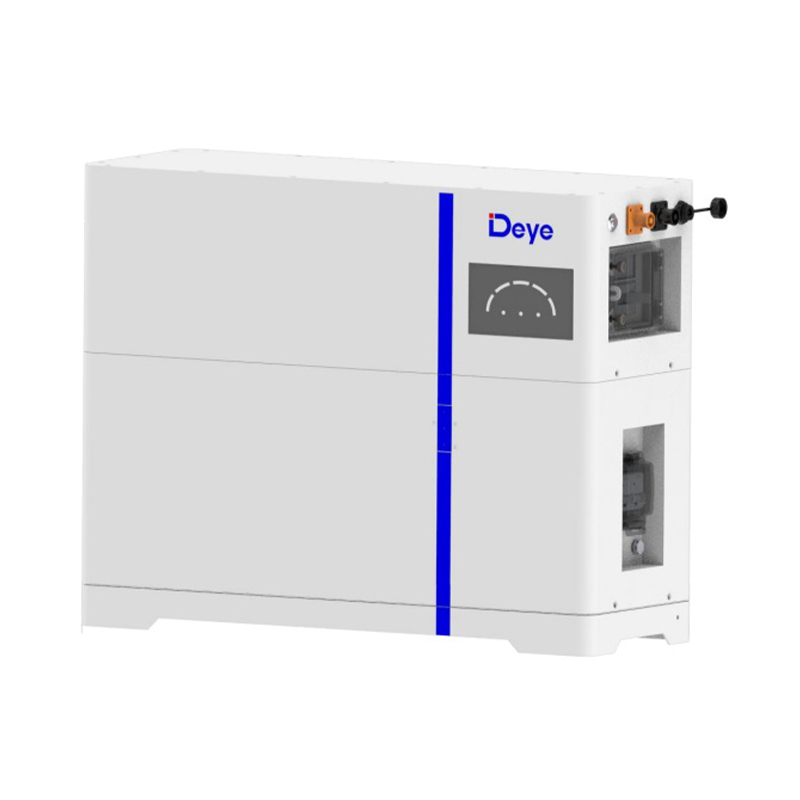
This creates a tangible financial reason to move forward with installation sooner rather than later. A battery storage system can also reduce your dependence on net metering credits by allowing you to store excess production for evening use rather than exporting it. Explore solar storage batteries that pair with net metering setups to understand how storage affects the economics under both current and future utility rate structures.
The right set of incentives depends entirely on who you are and when your system was installed. The table below organizes what is available by customer type.
| Incentive | Residential Homeowner | Business / Commercial | Action Required |
|---|---|---|---|
| Federal ITC (30%) | Only for systems installed in 2025 or earlier; claim on 2025 tax return via Form 5695 | Available if construction begins before July 4, 2026; claim via Form 3468 | File with annual federal tax return |
| Iowa State Solar Credit | Discontinued for residential since 2021 | 50% of federal ITC; $5M annual statewide cap; apply through Iowa Dept. of Revenue | File Iowa tax credit application; confirm timing with IDOR |
| Iowa Sales Tax Exemption (6%) | Available — automatic at purchase | Available — automatic at purchase | Confirm with installer that tax is excluded from invoice |
| Iowa Property Tax Exemption (5 years) | Available — no separate application usually required | Varies; confirm with county assessor | Notify county assessor after installation |
| Net Metering (full retail rate) | Available via MidAmerican or Alliant Energy; not guaranteed for co-op customers | Available; confirm system size eligibility with utility | Contact utility to establish net metering agreement before interconnection |
For residential customers installing in 2026, the remaining package — sales tax exemption, property tax exemption, and full-retail-rate net metering — can still make solar financially attractive, particularly for households with higher electricity usage and good roof exposure. The break-even timeline is longer without the federal credit, but long-term utility bill savings over a 25-year system lifespan remain substantial.
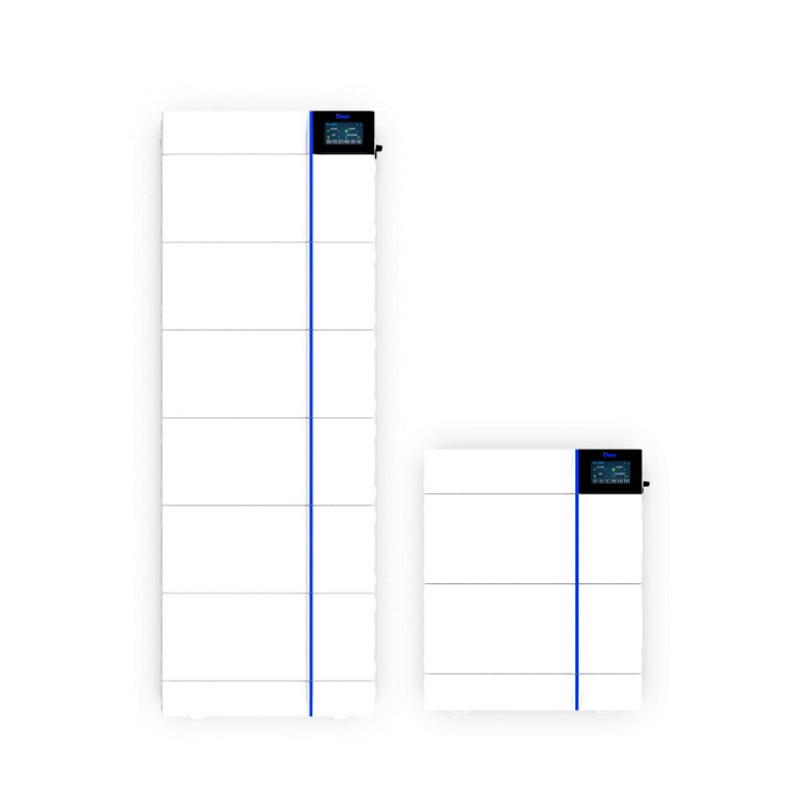
For those planning a complete residential system, a pre-matched photovoltaic energy storage system sized for Iowa residences brings together panels, inverter, and storage in a single specified package, simplifying the component selection and ensuring compatibility across the system.
This article is for informational purposes and does not constitute tax or financial advice. Consult a qualified tax professional before making decisions based on incentive eligibility.
←
SUN-SMART-SWITCH01P3: Your Ultimate Outdoor Smart Load Control Solution
→
Solar Panel Wire Size: Complete Guide to AWG & mm² Selection
+31610999937
[email protected]
De Werf 11, 2544 EH The Hague, The Nederland.
WhatsApp: +1 (917) 257 2995/Copyright © 2023 Uni Z International B.V. VAT: NL864303440B01 All Rights Reserved
Solar Energy Storage System Solutions and Products