Which Household Appliances Can Be Connected to a Solar Power System?
Mar 27,2026Occitanie Photovoltaic Subsidies 2026 | Uniz Solar
Mar 22,2026Deye Residential Energy Storage Battery User Quick-Check Guide — Concise Operating Instructions
Mar 20,2026Deye Inverter User Quick-Check — Concise How-To
Mar 15,2026UnizSolar Deye Accessories Explained
Mar 14,2026A modern solar power system can run virtually every appliance in your home — from lights and laptops to air conditioners and electric vehicle chargers. The key is matching your system's capacity to your actual energy consumption. Understanding which appliances draw the most power helps you size your panels, inverter, and battery storage correctly, and avoid unexpected shortfalls.
Almost any appliance that plugs into a standard AC outlet can be powered by a solar energy system, provided the inverter output and battery storage are adequate. Solar systems generate DC electricity from sunlight, which a solar inverter converts to AC power — the same type used by household appliances. Whether you want to offset part of your consumption or achieve full energy independence, the appliances below are all compatible with residential solar setups.
Low-power devices are the easiest to run on solar and have the smallest impact on your overall system requirements. Even a compact balcony solar kit can comfortably cover these loads throughout the day.
| Appliance | Typical Power Draw | Daily Usage (est.) | Daily Energy (kWh) |
|---|---|---|---|
| LED lighting (10 bulbs) | 100 W | 6 hours | 0.6 |
| Laptop | 50–100 W | 8 hours | 0.4–0.8 |
| Television (50") | 80–150 W | 5 hours | 0.4–0.75 |
| Refrigerator | 100–200 W | 24 hours (cycles) | 1.0–2.0 |
| Router / modem | 10–20 W | 24 hours | 0.24–0.48 |
| Phone / tablet chargers | 5–20 W | 2 hours | 0.01–0.04 |
A household running only these devices consumes roughly 3–5 kWh per day, a load that a 3 kW solar system with moderate battery storage can comfortably handle even during partly cloudy days.
High-consumption appliances are perfectly compatible with solar power, but they require a larger system capacity. Running these loads on solar is where the return on investment becomes most significant, since they account for the majority of a typical household electricity bill.
A split-system air conditioner typically consumes between 1,000 and 3,500 W depending on capacity. Running cooling or heating for 8 hours a day can add 8–28 kWh to your daily demand. Because air conditioning usage peaks during sunny midday hours, it is actually one of the most solar-compatible high loads — solar output and cooling demand align naturally.
Electric water heaters draw 1,500–4,000 W and are typically used 1–3 hours per day, resulting in 1.5–12 kWh of daily consumption. Scheduling water heating during peak solar hours (10:00–15:00) through a smart inverter or timer dramatically reduces the need for battery storage to cover this load.
A washing machine uses 500–2,000 W per cycle, and a tumble dryer between 2,000–5,000 W. Running these appliances during daylight hours when the solar array is producing at full capacity means they draw directly from the panels with little or no battery involvement.
Dishwashers consume 1,200–2,400 W per cycle. Electric ovens range from 2,000 to 5,000 W and are used for shorter periods. Both can be integrated into a solar-powered home without difficulty, provided the inverter's continuous output rating exceeds the appliance's peak draw.
Charging an electric vehicle at home typically requires 7–22 kW AC charging power. This is one of the largest single loads a residential solar system can serve. A 10–15 kW solar installation combined with a solar storage battery makes it possible to charge a vehicle primarily with clean energy, significantly reducing fuel and grid electricity costs.
Sizing a solar system correctly starts with your total daily energy consumption in kilowatt-hours (kWh). Follow these steps:
For example, a household consuming 20 kWh/day in a region with 4 peak sun hours needs approximately 5–6 kW of solar panels plus adequate battery storage to cover evening and overnight loads.
Once you know your energy needs, the next step is selecting the right system configuration. The three main options for residential use are:
Grid-tied systems export surplus solar energy to the utility grid and draw from it at night. They are the most cost-effective choice for homes with stable grid access and net-metering policies. No battery storage is required, though adding one increases self-sufficiency.
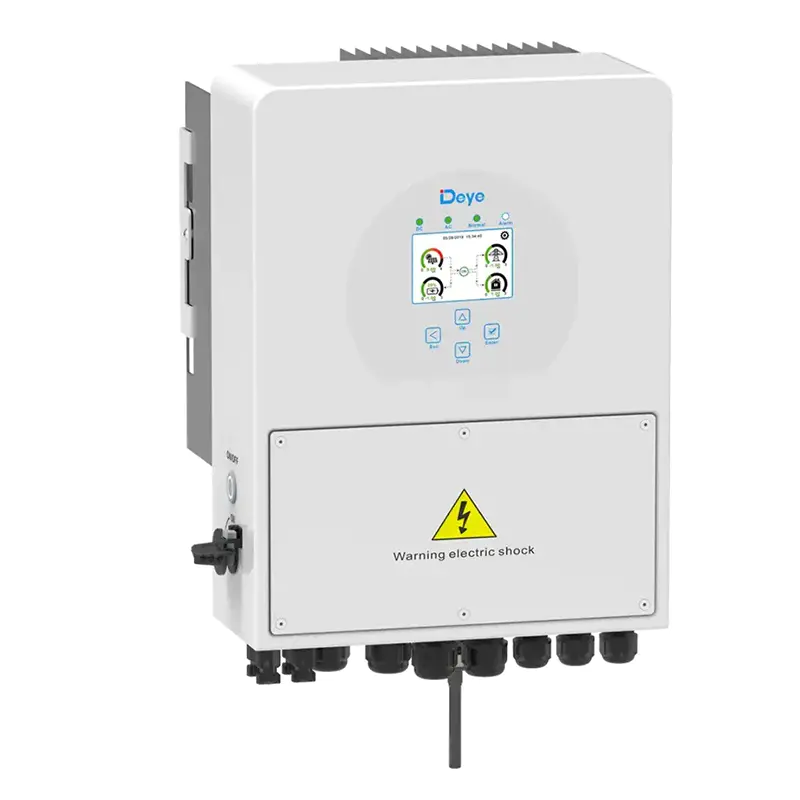
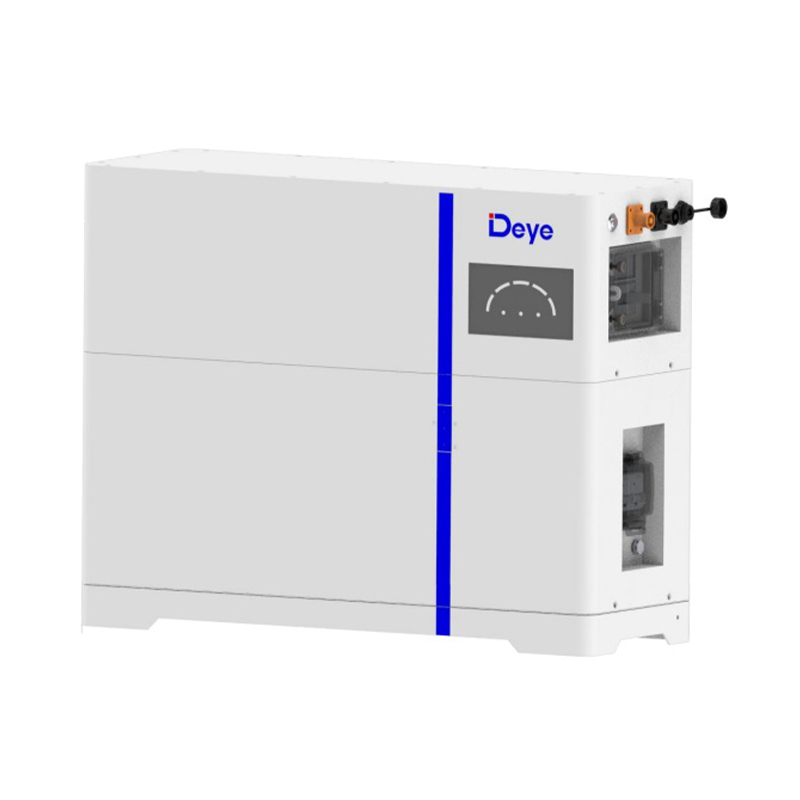
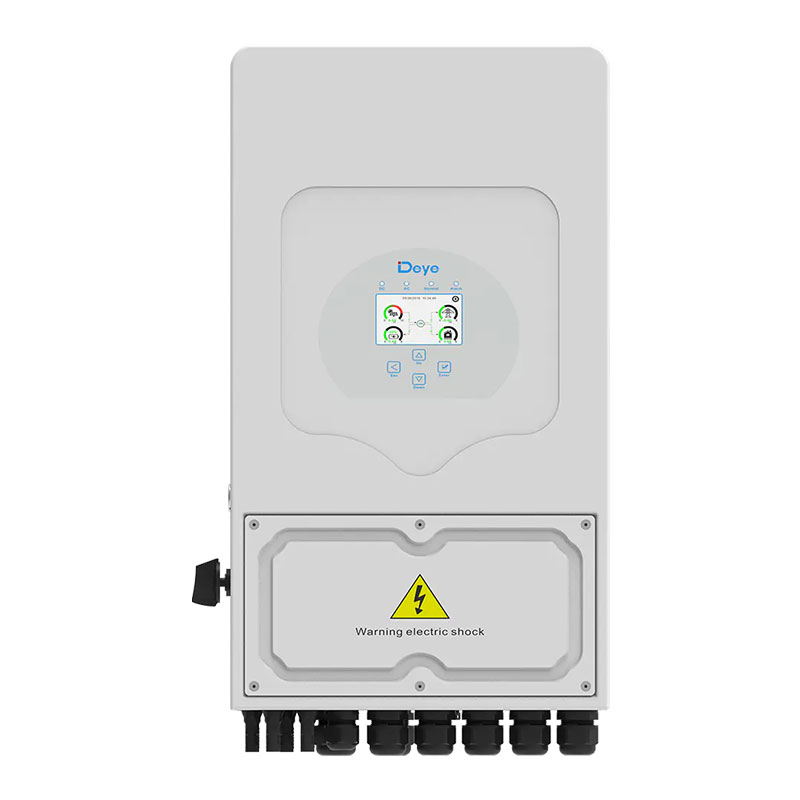
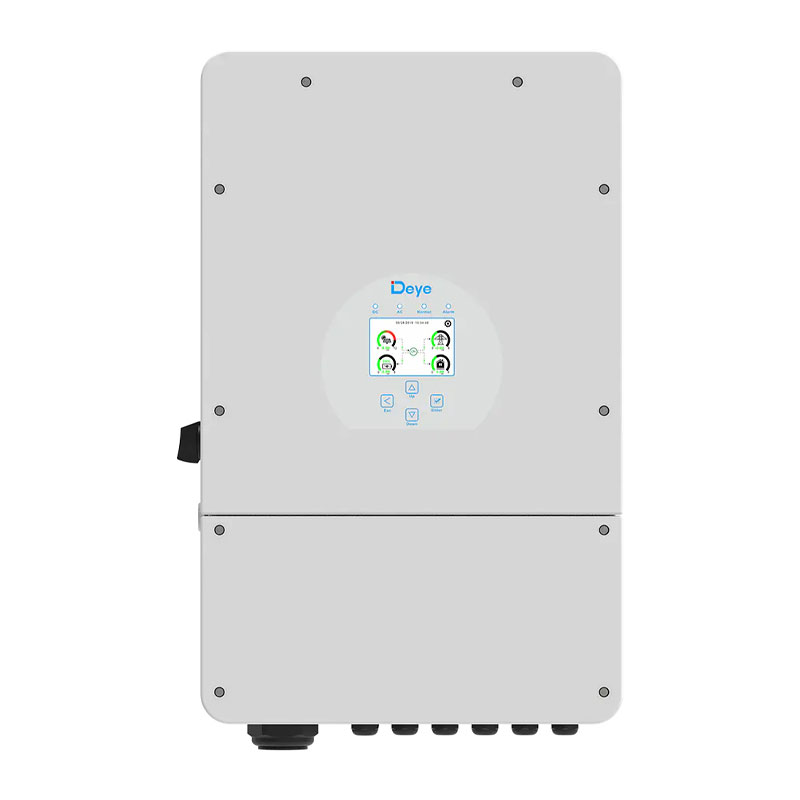
A hybrid system uses a solar inverter that can manage both grid connection and battery storage simultaneously. Excess solar energy charges the battery during the day; stored energy powers appliances at night or during grid outages. This setup is ideal for households that want energy independence without going fully off-grid. Residential photovoltaic kits in the 5–20 kW range are well suited to this configuration and can cover the full appliance load of most European homes.
Off-grid systems are completely independent from the utility grid. They require larger battery banks and often a backup generator for extended low-sunlight periods. These systems are best suited to rural properties or locations where grid connection is expensive or unavailable.
Installing a solar system is only part of the equation. How you use energy matters just as much as how much you generate. The following practices help you get the most from your installation:
Whether you are starting with a small balcony solar kit to offset basic consumption or installing a full-home system with battery backup, solar power is a practical and scalable solution for reducing dependence on grid electricity and lowering energy bills across every appliance category.
+31610999937
[email protected]
De Werf 11, 2544 EH The Hague, The Nederland.
WhatsApp: +1 (917) 257 2995/Copyright © 2023 Uni Z International B.V. VAT: NL864303440B01 All Rights Reserved
Solar Energy Storage System Solutions and Products