EV Charging Demand 2026: Trends, Infrastructure Growth & Home Solar Solutions
Jun 04,2026How Long Does a Solar Battery Last at Night? Real-World Runtime Guide
May 30,2026Maximize Your Solar Savings with Deye Copilot
May 27,2026Charge a Battery with Solar: Components, Steps & Sizing Guide
May 26,2026Solar Panel Mounting Pole: Types, Specs & Installation Guide
May 22,2026Content
By the end of 2025, the world had crossed a milestone that would have seemed improbable just five years ago: more than 20 million electric cars sold in a single year, representing roughly one in four new vehicles purchased globally. The momentum is not slowing. According to the International Energy Agency's Global EV Outlook 2026, full-year sales are projected to reach 23 million units in 2026 — nearly 28% of the entire global car market.
Behind those vehicle numbers sits a charging infrastructure story of equal scale. In 2025 alone, close to 1.8 million new public charging points were added worldwide, pushing the global total past 7 million stations. Private home chargers tell an even larger story: the IEA estimates more than 43 million private light-duty vehicle charging points were in service by the end of 2025, supporting a fleet of roughly 76 million electric cars on the road.
That ratio — chargers to vehicles — is the metric that defines the pressure every grid operator, charging network, and homeowner now faces. As the fleet grows, so does the daily energy appetite it carries. Understanding where that demand is coming from, and how it is being met, is the starting point for any serious EV ownership or investment decision in 2026.
The charging experience has changed structurally, not just incrementally. Ultra-fast systems rated at 350 kW and above are increasingly standard at new highway corridor installations, and a 150 kW charger — capable of delivering close to 180 km of mixed driving range in roughly 15 minutes — is now considered mid-tier. According to IEA data on charging infrastructure, about 20% of ultra-fast chargers deployed in the European Union are already rated at 350 kW or higher — and several manufacturers have begun piloting stations at 1.5 MW, a figure that would have read as science fiction in 2020.
The fast charger market segment reflects this shift in expectations. In 2026, fast chargers are projected to hold 51.7% of the global EV charging station market by share, up from a clear minority position just three years ago. Around 160 battery-electric car models on sale today support charging speeds above 150 kW, and that number is growing with each new vehicle generation.
The infrastructure surrounding chargers is changing too. High-utilization fast charging sites — particularly in dense urban markets where station usage can reach 70–80% during peak hours — are now designed with amenities, multi-charger layouts to reduce wait times, and in some cases combined hydrogen dispensing for commercial vehicles. The stop is becoming a destination, not just a necessity.
The global numbers mask significant regional variation — and the variation matters for understanding where infrastructure gaps remain most acute.
Asia-Pacific leads in absolute terms, holding roughly 49.6% of the global EV charging station market in 2026. China alone accounts for approximately 65% of the world's public charging stock and around 60% of its electric light-duty vehicle fleet. Government mandates requiring EV-ready parking in new buildings, combined with competitive domestic manufacturing of both vehicles and chargers, have created a density of infrastructure that Europe and North America are still working to match.
Europe is the fastest-growing major region. Public charging points grew more than 35% year-on-year in 2024, crossing the 1 million mark across the continent. The EU's Alternative Fuels Infrastructure Regulation (AFIR) now mandates fast charging stations of at least 150 kW every 60 km along core highway networks, and the revised Energy Performance of Buildings Directive requires new and renovated buildings to include EV charging pre-wiring. These are structural requirements, not aspirational targets.
The United States presents a more complex picture. Charging network usage is rising — a direct sign of a growing on-road EV fleet — even as new vehicle sales softened in early 2026 following the expiry of federal tax credits. The NEVI infrastructure funding program, paused from February 2025 to January 2026, has resumed, with states now submitting their 2026 deployment plans. As of April 2026, around 550 NEVI-funded fast charging points were operational across 19 states, with another 1,000 fully awarded and in the pipeline. The math to meet 2030 targets remains demanding: the US would need to add a new charger roughly every three minutes for the rest of the decade.
| Region | Market Share (2026) | Key Driver |
|---|---|---|
| Asia-Pacific | 49.6% | China's domestic scale + government mandates |
| Europe | Fastest-growing | AFIR regulation + building code pre-wiring |
| North America | ~20% of new sales by 2030 (STEPS) | NEVI program resumption + rising fleet usage |
Putting 20 million new electric vehicles on the road each year carries an electricity consequence that is now measurable at the system level. The IEA estimates that the global electric car stock displaced approximately 1.2 million barrels of oil per day in 2025. The flip side of that displacement is electricity demand: across Europe, EV deployment in road transport is projected to increase total electricity consumption by more than 10% by 2035.
That figure sounds manageable — and it is, provided charging behavior is managed intelligently. Uncoordinated charging, where every driver plugs in the moment they arrive home between 6 and 9 pm, can create peak demand spikes that strain local grid infrastructure significantly beyond what the aggregate average would suggest. Poorly optimized charging infrastructure, as the IEA notes, can raise costs and extend grid connection timelines for new stations and neighborhoods alike.
The response from both technology and policy is smart charging — systems that shift load away from peak hours using price signals, grid conditions, or user preferences. Time-of-use (TOU) electricity rates, which charge more during peak demand windows, are now available in most major markets and create a direct financial incentive for off-peak or overnight charging. Vehicle-to-grid (V2G) technology — allowing EVs to return electricity to the grid during high-demand periods — crossed into its first commercial deployments in 2025, though compatible models remain limited and regulatory frameworks vary by country. The direction, however, is clear: the EV is transitioning from a pure energy consumer to a potential grid asset.
While attention focuses on public charging networks, a parallel shift is happening in residential driveways. Home charging already accounts for the majority of EV energy delivery globally — most owners charge overnight, and most overnight charging happens at home. The question for 2026 is not whether home charging matters, but how to do it more efficiently and at lower cost.
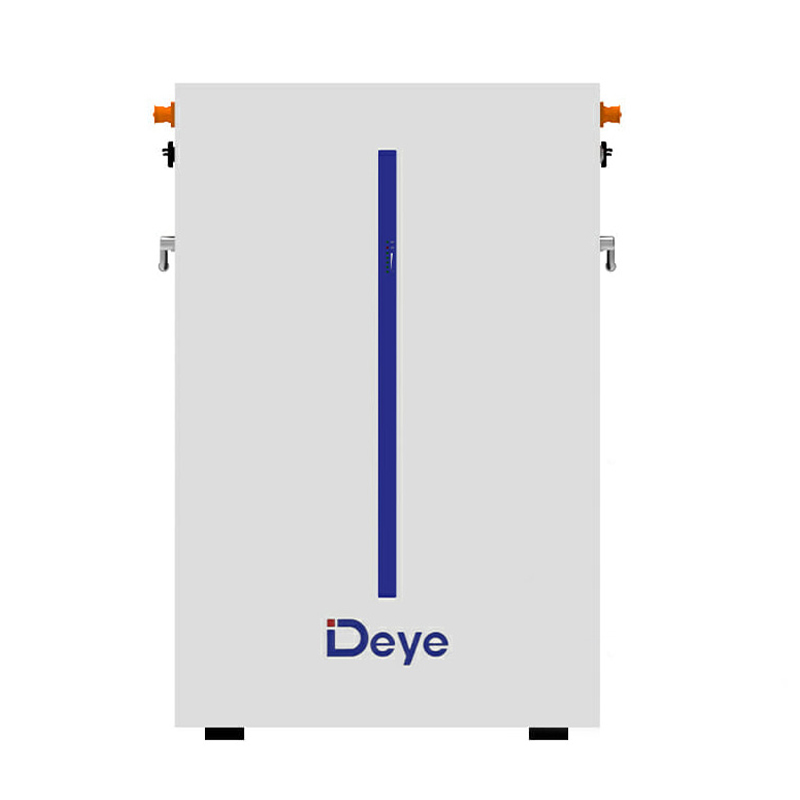
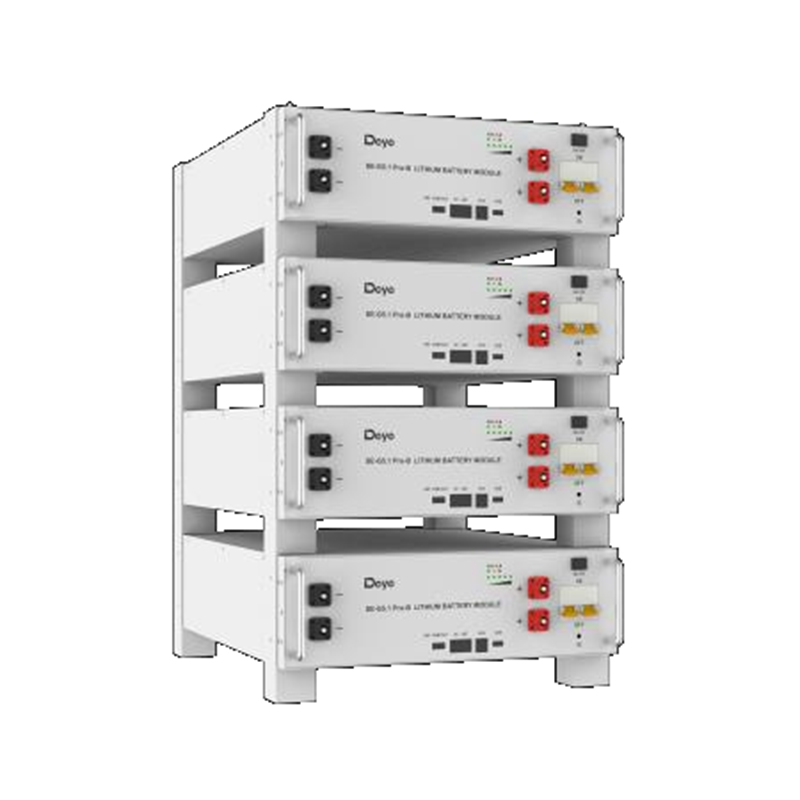
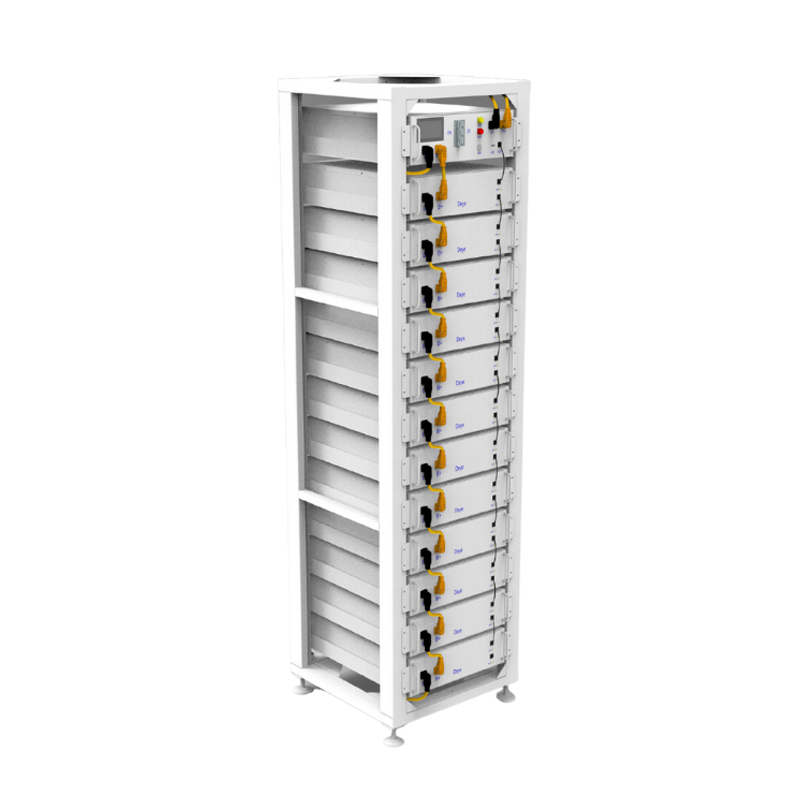
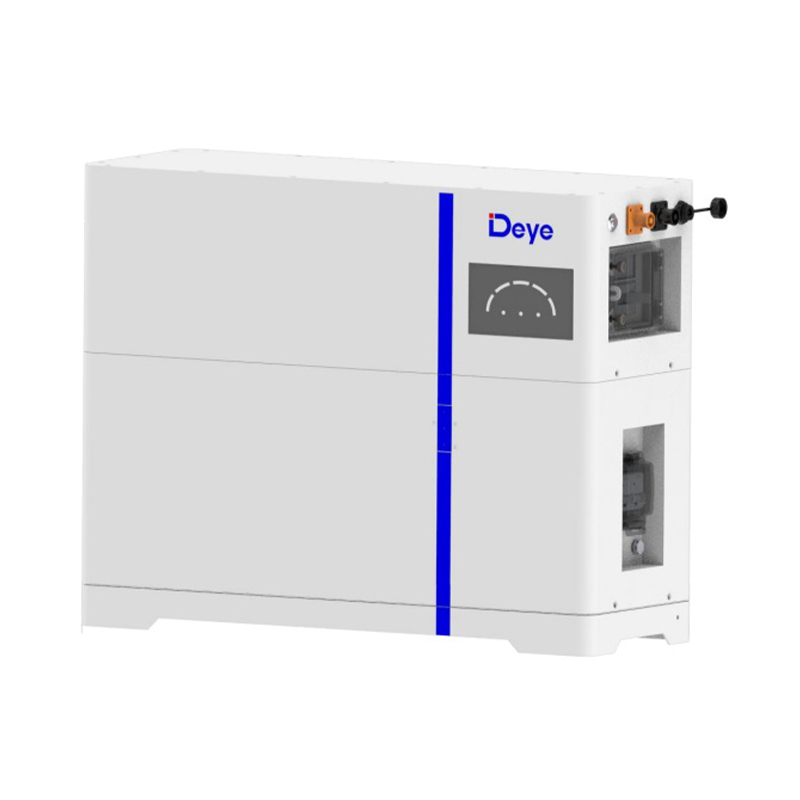
The answer, for a growing number of homeowners, is solar integration. A solar-plus-storage system paired with an EV charger creates what the industry calls a solar-aware charging loop: the system monitors real-time solar production, schedules charging during peak generation windows, and draws from a high-capacity solar storage battery for home energy management when generation dips or overnight charging is preferred. The result is EV charging that draws minimally from the grid — and in well-sized systems, approaches near-zero electricity cost per kilometer.
The economics have become compelling. Volume-weighted lithium-ion battery pack prices fell to around $108 per kWh in 2025, with EV-specific packs staying below $100 per kWh for a second consecutive year. Falling storage costs mean the payback calculation on a home solar-storage-EV system is tighter than it has ever been — and the high oil price environment of 2026 further widens the annual savings gap between electric and combustion driving.
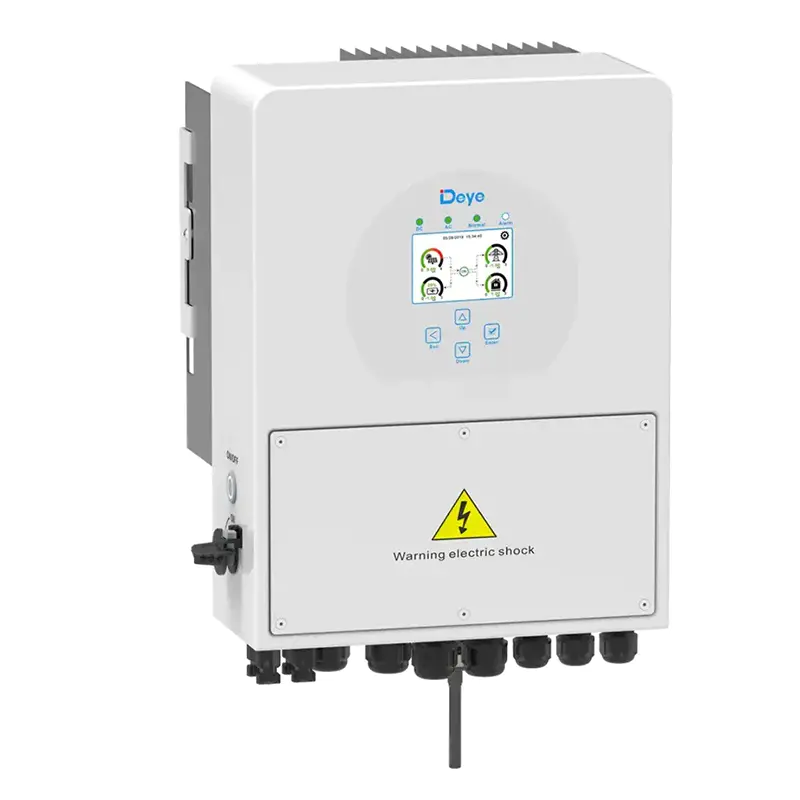
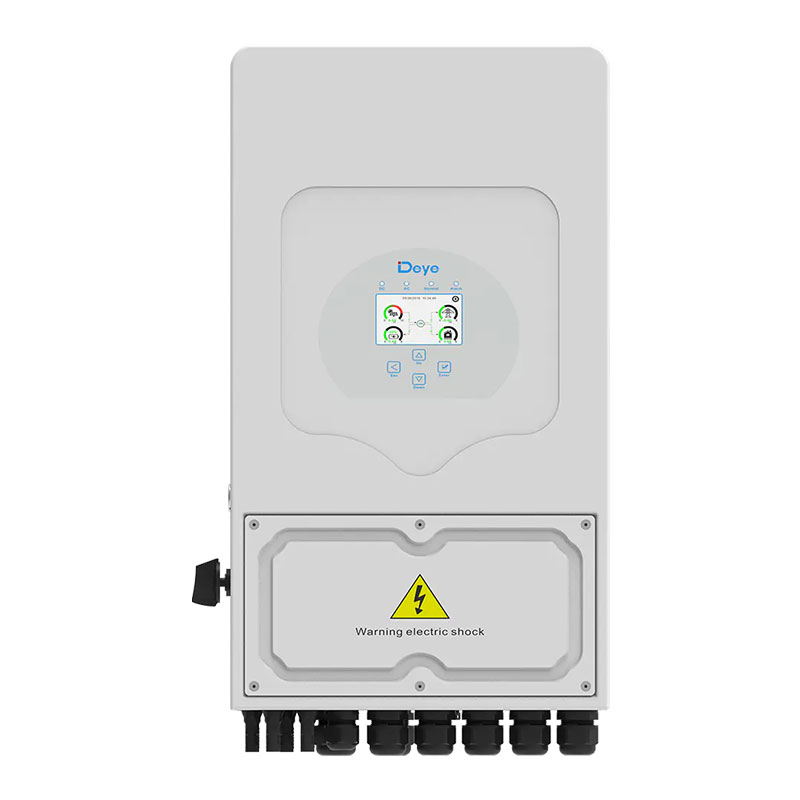
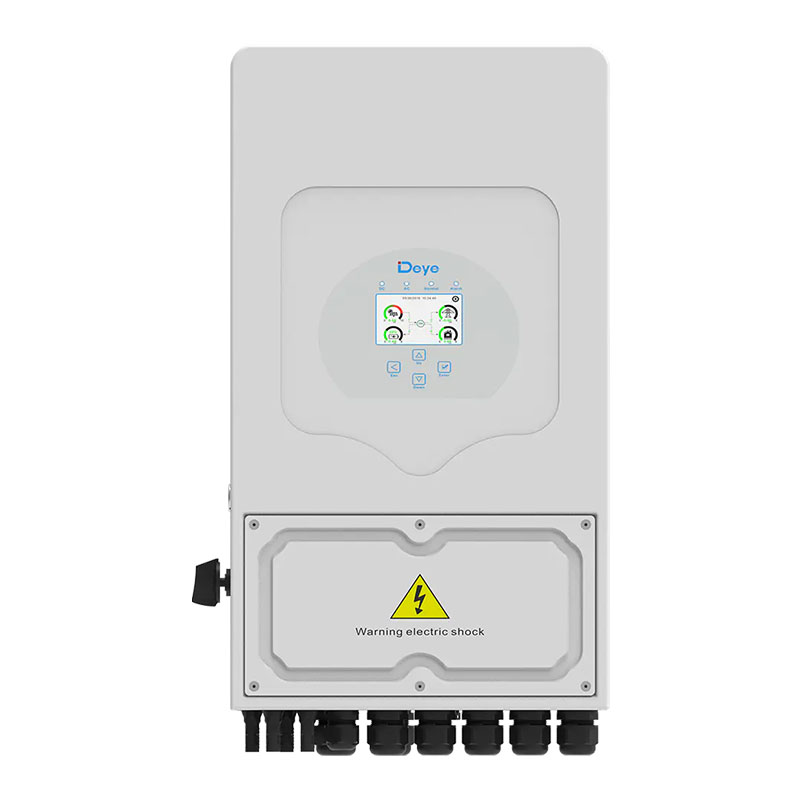
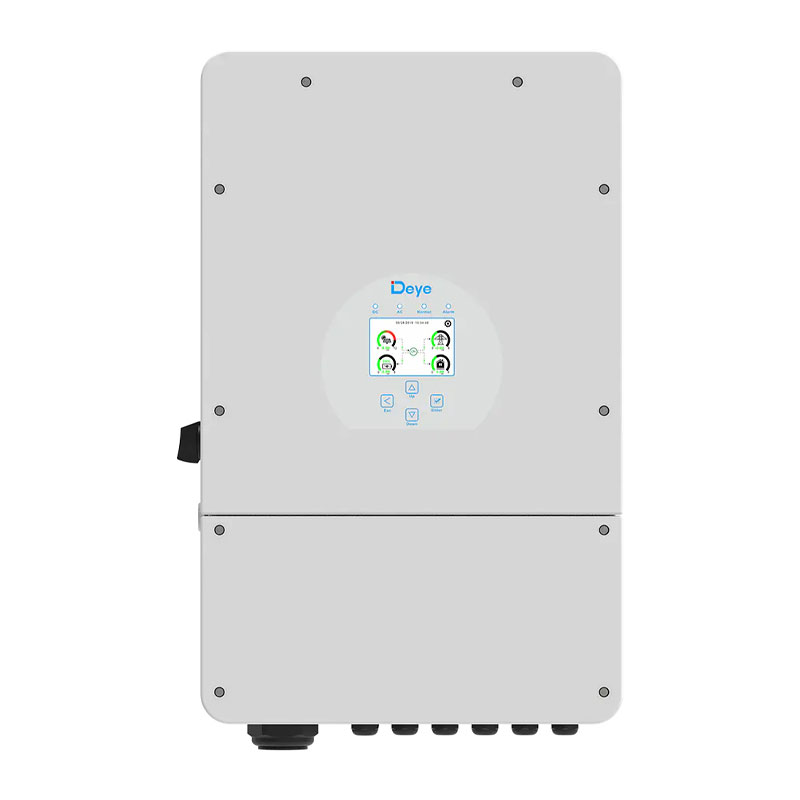
The hardware pairing matters. Solar-integrated EV chargers work best when the inverter and charger share a common communication protocol, allowing the system to route surplus solar generation to the vehicle before exporting to the grid. Hybrid solar inverters compatible with EV charging loads — particularly those supporting split-phase and three-phase configurations — are the backbone of this setup, managing the flow between panels, battery, household loads, and charger in real time.
The practical implication of 2026's charging demand landscape is straightforward: relying solely on public infrastructure is increasingly workable for occasional long trips, but for daily cost efficiency and reliability, home charging backed by solar is the most resilient long-term position.
For homeowners starting from scratch, the sequence matters. Panel capacity should be sized to cover both household baseline consumption and the EV's average daily charging requirement — typically an additional 8–15 kWh for 40–80 km of daily driving. A battery storage system large enough to bridge overnight charging without drawing from the grid turns a daytime-only solar asset into a 24-hour energy resource. Complete residential solar and storage system kits that bundle panels, inverter, and battery in preconfigured capacities from 3 kW to 20 kW make this sizing exercise substantially more straightforward.
Panel selection is the other variable. Higher-efficiency modules reduce the roof area needed to hit a given output target — relevant in markets where roof space is constrained or shading is a factor. High-efficiency solar panels for home installations, including monocrystalline modules from leading manufacturers, now routinely achieve conversion efficiencies above 22%, maximizing generation from a fixed footprint.
The 7 million public charging stations now operating globally represent a safety net. But for the daily realities of EV ownership in 2026 — managing electricity costs, avoiding peak grid pricing, and maintaining independence from a public network still catching up to fleet growth — the home solar system is less a luxury than a long-term investment in energy control.
+31610999937
[email protected]
De Werf 11, 2544 EH The Hague, The Nederland.
WhatsApp: +1 (917) 257 2995/Copyright © 2023 Uni Z International B.V. VAT: NL864303440B01 All Rights Reserved
Solar Energy Storage System Solutions and Products