How Long Does a Solar Battery Last at Night? Real-World Runtime Guide
May 30,2026Maximize Your Solar Savings with Deye Copilot
May 27,2026Charge a Battery with Solar: Components, Steps & Sizing Guide
May 26,2026Solar Panel Mounting Pole: Types, Specs & Installation Guide
May 22,2026Deye SE‑F16 LiFePO₄ Battery: Safe, Durable, Smart Energy Storage
May 15,2026Content
A homeowner once asked us why their 10kWh battery was dead by midnight. The culprit wasn't the battery—it was the 1.5kW space heater they forgot to turn off. Most fully charged solar batteries deliver 4–16 hours of nighttime power, but the exact number hinges on two things: how much energy you store and how fast you use it.
Think of the battery as a water tank. A 5kWh tank (capacity) running a 0.5kW load (tap open halfway) will last about 9–10 hours. Run a 2kW load (full blast), and that same tank empties in under 2.5 hours. The table below gives you a realistic snapshot for three popular battery sizes and three common usage levels.
| Battery Size | Low Load (0.3–0.5kW) | Medium Load (0.8–1.2kW) | High Load (2–4kW) |
|---|---|---|---|
| 5 kWh | 9–15 hours | 3.8–5.6 hours | 1.1–2.3 hours |
| 10 kWh | 18–30 hours | 7.5–11.3 hours | 2.3–4.5 hours |
| 15 kWh | 27–45 hours | 11.3–16.9 hours | 3.4–6.8 hours |
These figures assume a well-maintained lithium iron phosphate (LiFePO4) battery at 25°C and an inverter efficiency of 95%. Real-world performance can shift by 10–20% either way—something the next sections will dissect in detail.
You don’t need an engineering degree to predict how long your battery will last. Start with the basic equation:
Night Runtime (hours) = (Battery Capacity kWh × Usable Depth of Discharge) ÷ Average Night Load (kW)
Let’s walk through an example. Suppose you have a 10kWh LiFePO4 battery with a 90% depth of discharge (DoD). That gives you 9kWh of usable energy. Your evening load averages 0.8kW—you’re running LED lights, a refrigerator, a router, and a television. Divide 9 by 0.8, and you get 11.25 hours of runtime. That comfortably covers a 12-hour night for most families.
Now plug in your own numbers. If your night load is harder to pin down, check your inverter’s built-in consumption monitor or install a simple energy meter on the main circuit for a week. Record the power draw from sunset to sunrise in 15‑minute intervals, then average it. Even three nights of data will put you within 10% of the true value.
One overlooked factor: the inverter itself consumes power, usually 30–80 watts in standby. Subtract that from the battery’s usable capacity to get a more accurate runtime. For the 10kWh example, a 50W inverter draw over 10 hours steals 0.5kWh—shortening the night by about 40 minutes.
Five variables determine whether your battery sails through the night or leaves you in the dark by 2 a.m. Each can shift runtime by 15–30% on its own.
Not all the kWh printed on the label are usable. A 10kWh lead‑acid battery might let you draw only 5kWh before damage occurs, while a LiFePO4 unit routinely gives 9kWh. That’s the power of DoD. For maximum overnight endurance, pick a battery rated at 90–100% DoD. But be aware: constantly cycling to 100% DoD can trim total cycle life by 10–15%. Many installers set the system to 80% DoD to balance daily runtime with long‑term health.
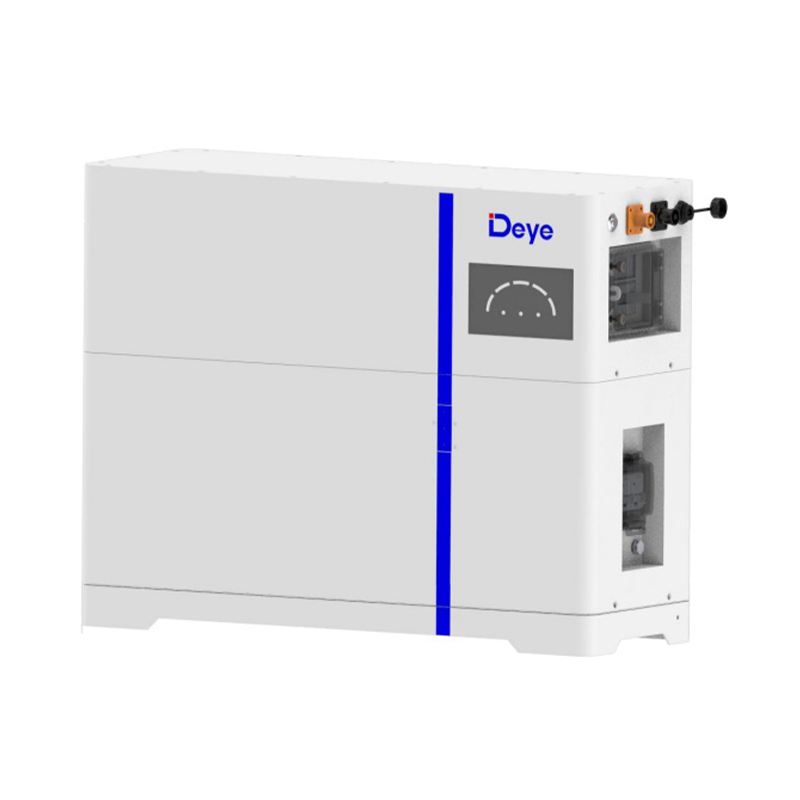
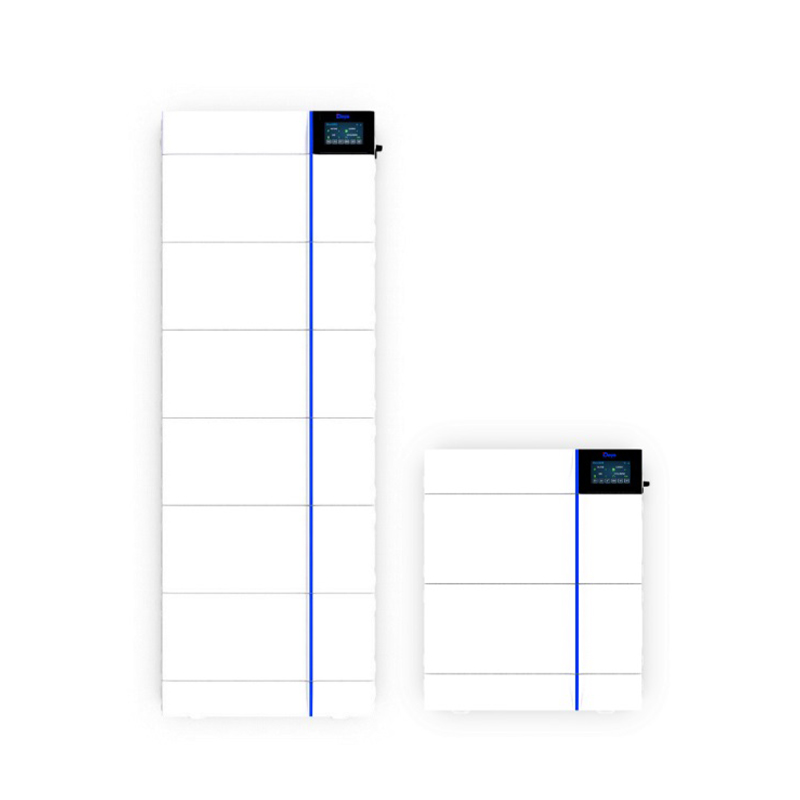
Night load isn’t a fixed number; it spikes when a well pump kicks in or a microwave runs. Even modest homes see load peaks 3–5 times higher than the overnight average. If you want the battery to survive those spikes without a grid assist, size for the peak, not the average. A stackable high‑voltage battery can be expanded later to accommodate growing load demands without replacing the entire system.
LiFePO4 cells lose about 20–30% of their available capacity at ‑10°C compared to 25°C. If the battery is installed in an unheated garage in a cold climate, a 10kWh battery may behave like a 7kWh one on the coldest nights. Conversely, sustained heat above 40°C can permanently accelerate capacity fade—roughly 2–3% per year, versus 0.5–1% at 25°C. Insulated battery enclosures or indoor placement in conditioned space sharply reduce this seasonal penalty.
Every time DC power converts to AC, you lose 3–8%. A high‑efficiency hybrid inverter (96–97%) delivers more of the stored energy to your loads than an older transformer‑based unit (90–92%). On a 10kWh battery, that 5‑point gap equals 500Wh—enough to run a modern fridge for 4 extra hours. When selecting an inverter, check its CEC or EU efficiency rating; a difference of just 2% can extend nightly runtime by 15–20 minutes on a medium‑sized system.
Even LiFePO4 batteries lose capacity over time. A battery that starts life delivering 10kWh at 90% DoD will likely provide around 8.5–9kWh after 5 years of daily cycling, and 7.5–8kWh after 10 years. This gradual decline means a system that just barely covers the night today could fall short in year 3 or 4. Planning for a 10–15% capacity buffer at installation avoids the need for premature upgrades.
| DoD Setting | Usable kWh | Runtime (hours) |
|---|---|---|
| 100% | 10.0 | 12.5 |
| 90% (typical) | 9.0 | 11.3 |
| 80% (long-life) | 8.0 | 10.0 |
| 70% (conservative) | 7.0 | 8.8 |
Numbers on a spec sheet mean little without context. The matrix below puts three common battery capacities against three realistic night‑load profiles—the kind installers see across suburban homes, small businesses, and off‑grid cabins.
| Battery Capacity | Essential Loads Only (lights, fridge, router, phone charger) ~0.35kW |
Moderate Evening Use (+ TV, laptop, kitchen lights) ~0.9kW |
Full Comfort (+ air‑conditioner, oven, pool pump) ~3.0kW |
|---|---|---|---|
| 5 kWh | 12.9 hours | 5.0 hours | 1.5 hours |
| 10 kWh | 25.7 hours | 10.0 hours | 3.0 hours |
| 15 kWh | 38.6 hours | 15.0 hours | 4.5 hours |
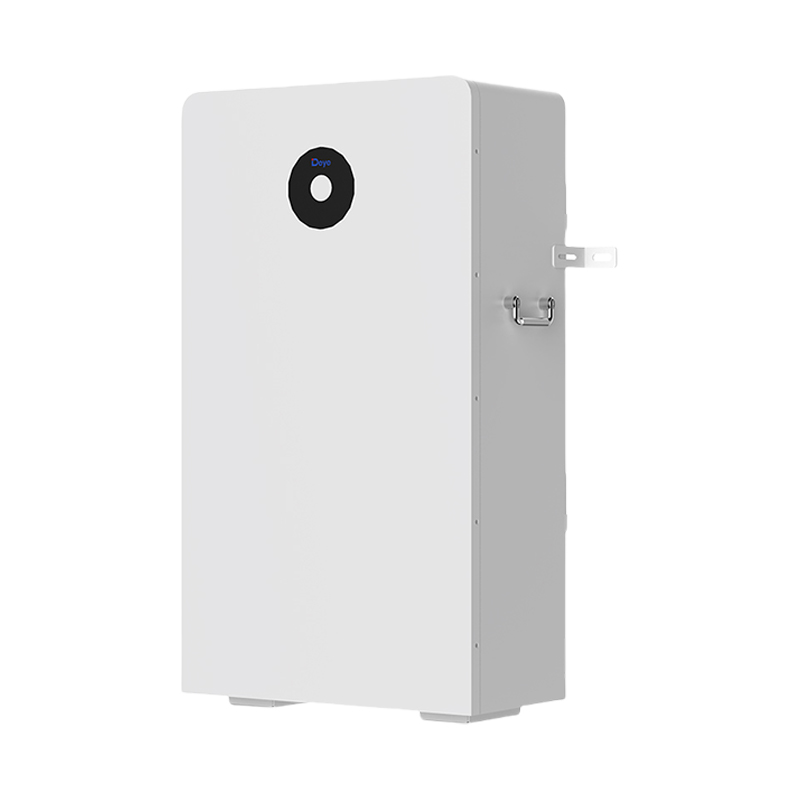
A 5kWh system comfortably powers essential circuits overnight for most households. A 10kWh unit covers the typical evening routine of a four‑person family—TV, lights, multiple devices—and still has headroom for a morning coffee maker before the sun returns. The 15kWh category enters true whole‑home backup territory, though running a 3kW central air conditioner will still drain it in under five hours. If longer runtime under heavy load is the goal, consider a modular system like a 16kWh low‑voltage battery, which can be paired with an identical unit to double the capacity without redesigning the entire installation.
Not all batteries deliver the same usable energy over their lifetime—even if the sticker claims the same kWh. The gap between LiFePO4 and traditional lead‑acid widens every year, especially when you need reliable overnight power.
| Parameter | LiFePO4 (Lithium) | Lead-Acid (Flooded/Gel) |
|---|---|---|
| Usable DoD | 90–100% | 50% (recommended) |
| Initial runtime from 10kWh nameplate (medium load) | 10–11.3 hours | 5–6.3 hours |
| Cycle life to 80% capacity | 4,000–6,000 cycles | 500–1,000 cycles |
| Year‑5 capacity retention | 85–90% | 60–70% (often fails earlier) |
| Year‑5 night runtime (medium load, 10kWh bank) | 8.5–9.5 hours | 3–4.5 hours |
| Temperature sensitivity | Minor, BMS‑managed | Severe capacity loss below 10°C |
| Self‑discharge per month | 2–3% | 5–15% |
The biggest shock hits after year three. While a 10kWh LiFePO4 bank still delivers enough to cover a typical night, the lead‑acid equivalent may already be falling short. For installers advising clients on long‑term backup, lithium isn’t just a premium choice—it’s the only one that maintains predictable night performance. The higher upfront cost is offset by zero maintenance, three times the cycle life, and the ability to discharge deeply night after night without rapid degradation.
Small adjustments can add an hour or more to your battery’s nightly endurance without buying a single new piece of hardware.
A battery that “made it through the night” last winter but now falters by spring is sending clear signals. Don’t wait for the moment the lights go out.
If you tick two or more of these boxes, expanding or replacing the battery bank isn’t an overreaction—it’s good management. Modular systems allow you to add capacity in parallel without scrapping the original investment.
It depends on the AC unit’s power draw and the battery’s capacity. A modern 1.5‑ton inverter‑driven mini‑split uses about 1.2–1.8kW while cooling. With a 10kWh battery (9kWh usable), you’ll get roughly 5–7.5 hours of continuous AC operation. For a full 8‑hour night, you’d need a 15kWh battery or two 10kWh units in parallel.
Absolutely. If the battery reaches only 70% state of charge by sunset, the available energy drops proportionally. A 10kWh battery at 70% SoC with 90% DoD gives just 6.3kWh—enough for about 7 hours at a 0.9kW load, instead of the usual 10‑plus. To guarantee full nighttime coverage, size the solar array to recharge the battery even on overcast winter days, or program the system to top up from the grid during off‑peak hours.
LiFePO4 batteries lose roughly 3–5% of their capacity in the first year, then 0.5–1% per year after that. After a decade of daily cycling, expect 75–85% of the original capacity. That means a 10kWh battery will behave like an 8–8.5kWh unit, shortening a 10‑hour night to roughly 8 hours at the same load. Factoring this into the initial sizing avoids surprises later.
Not directly. Inverter size determines how much power you can draw at once, not how long the battery lasts. However, a slightly oversized inverter often operates in a more efficient part of its curve at low loads, reducing conversion losses by 1–2 percentage points. That tiny gain can add 10–20 minutes of runtime on a 10kWh system—not earth‑shattering, but a nice bonus when every minute counts.
+31610999937
[email protected]
De Werf 11, 2544 EH The Hague, The Nederland.
WhatsApp: +1 (917) 257 2995/Copyright © 2023 Uni Z International B.V. VAT: NL864303440B01 All Rights Reserved
Solar Energy Storage System Solutions and Products