-
 FAST SHIPPING
-
 COMPETITIVE PRICE
-
 EXCELLENT AFTER-SERVICE
 FAST SHIPPING
COMPETITIVE PRICE
EXCELLENT AFTER-SERVICE
FAST SHIPPING
COMPETITIVE PRICE
EXCELLENT AFTER-SERVICE
Content
Hawaii has long been one of the best states in the country to go solar — not just because of the sunshine, but because of the financial incentives stacked in favor of homeowners and businesses. In 2026, that landscape remains strong, though a few key programs have evolved. If you're evaluating whether now is the right time to invest in a solar system, understanding exactly which incentives apply to your situation can make a significant difference in your payback period and overall return.
As a solar equipment supplier working with installers and buyers across the U.S. market, we want to give you a clear, practical breakdown of every major Hawaii solar incentive available in 2026 — what it covers, how much you can get, and what conditions apply.
The federal Investment Tax Credit (ITC) remains the single largest solar incentive available to Hawaii homeowners in 2026. Under the Inflation Reduction Act, the ITC holds at 30% of the total installed system cost through 2032, then steps down to 26% in 2033 and 22% in 2034.
This credit applies to the full cost of your solar installation — panels, inverters, batteries, labor, and even sales tax. For a typical Hawaii residential system costing around $25,000, that translates to a $7,500 reduction in your federal tax liability. If you don't owe enough in taxes in one year, the credit rolls over to the next.
Importantly, battery storage systems installed alongside solar also qualify for the full 30% ITC in 2026 — and since 2023, standalone battery storage (not paired with solar) qualifies as well.
On top of the federal ITC, Hawaii offers its own state income tax credit specifically for solar energy systems. This is one of the most generous state-level credits in the entire country.
Hawaii's Renewable Energy Technologies Income Tax Credit (RETITC) allows homeowners to claim 35% of the cost of a solar PV system against their Hawaii state income taxes. However, there is a cap:
For a homeowner installing a $25,000 system, the 35% credit would be $8,750 — but since the cap is $5,000, you would receive the maximum $5,000 credit. Combined with the federal 30% ITC, that's a total of $12,500 back on a $25,000 system, cutting your net cost nearly in half.
The state tax credit is non-refundable but can be carried forward for up to five years if you don't have enough state tax liability in one year to absorb the full credit.
Hawaii's net metering landscape has changed significantly over the past several years, and it's important to understand the current rules before sizing your system.
Hawaii's primary grid interconnection option for new residential solar customers in 2026 is the Customer Grid-Supply Plus (CGS+) program. Under this program, any excess electricity you export to the grid is credited at a rate set by the Hawaii Public Utilities Commission — typically below the retail rate. As of late 2025, the export credit for HECO customers was approximately $0.10–$0.18 per kWh, depending on the island and time of export, compared to retail rates of $0.35–$0.42 per kWh.
This means that the economics of solar in Hawaii strongly favor self-consumption — using the power you generate rather than exporting it. This is a key reason why pairing solar with battery storage makes so much financial sense in Hawaii specifically.
The Smart Export program offers time-varying export rates, rewarding customers who export power during peak demand periods (typically late afternoon and evening). If your system includes storage and you can control when you discharge to the grid, this program can meaningfully improve your bill credits.
Adding a solar system increases the value of your home — and in most places, that would increase your property tax bill. Hawaii prevents this with a 100% property tax exemption for residential solar energy systems. The added value from your solar installation will not be assessed as part of your home's taxable value.
Studies have shown that solar panels can add anywhere from 3–4% to a home's resale value. On a $700,000 home (near the Hawaii median), that's an additional $21,000–$28,000 in value — completely shielded from property taxes.
Hawaii does not have a traditional sales tax, but it does have a General Excise Tax (GET) that sellers typically pass on to buyers. Solar equipment and installation services in Hawaii are exempt from GET, which effectively removes a 4–4.5% cost from your solar installation. On a $25,000 system, that's a savings of roughly $1,000–$1,125.
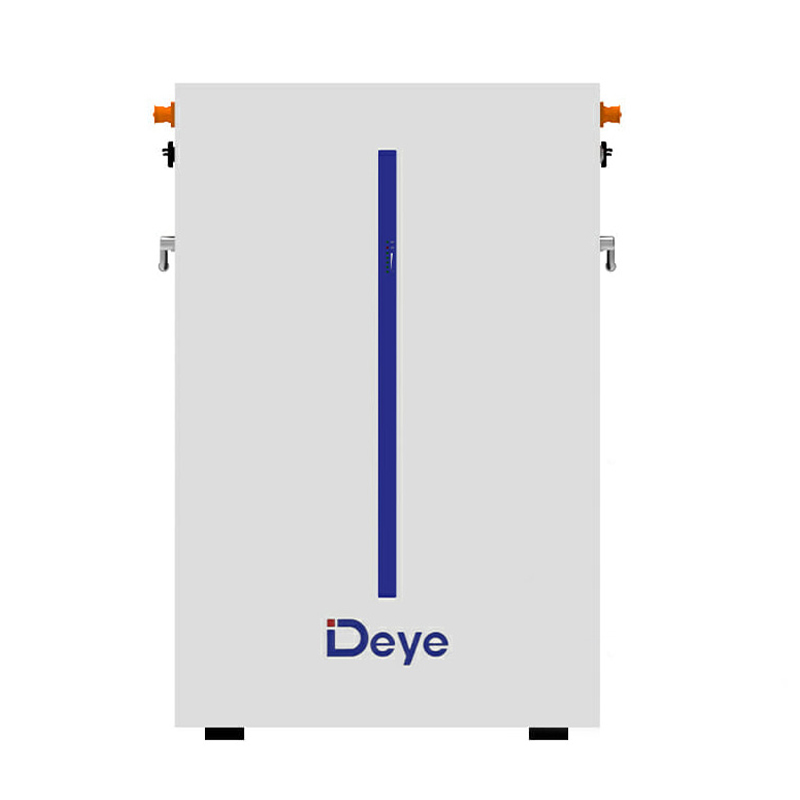
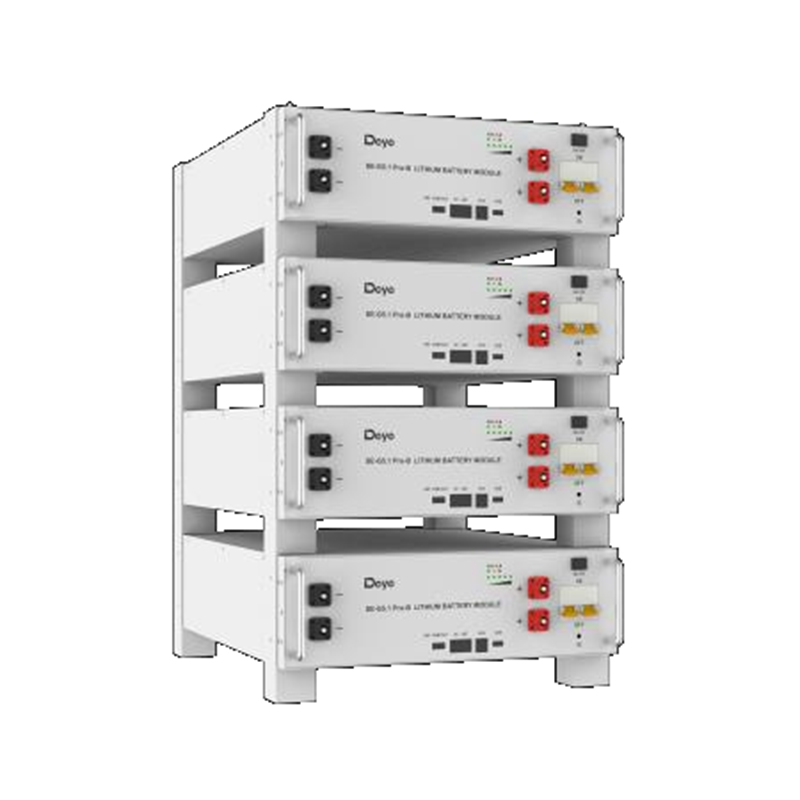
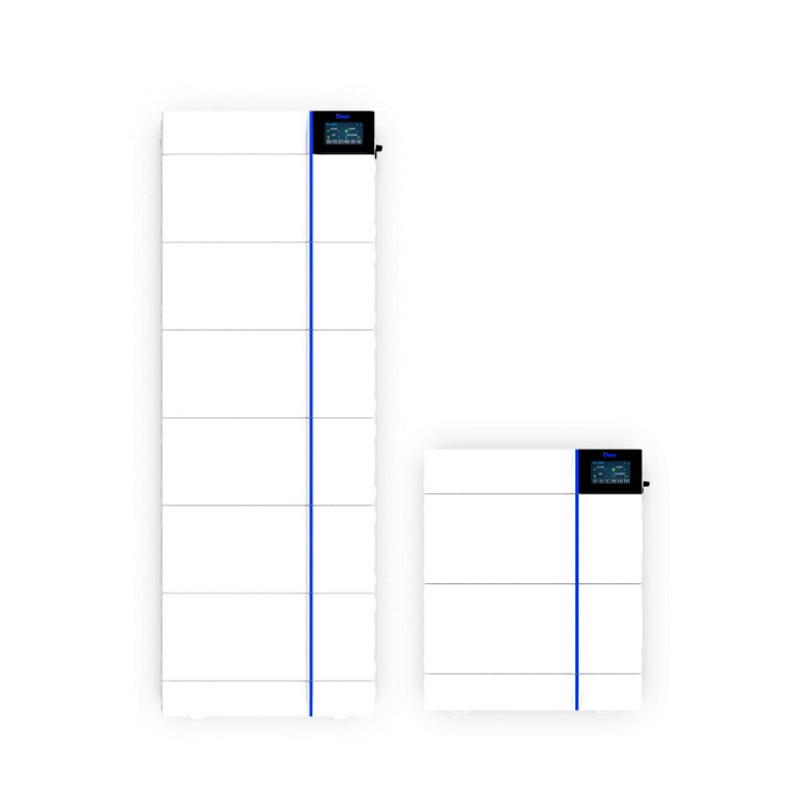
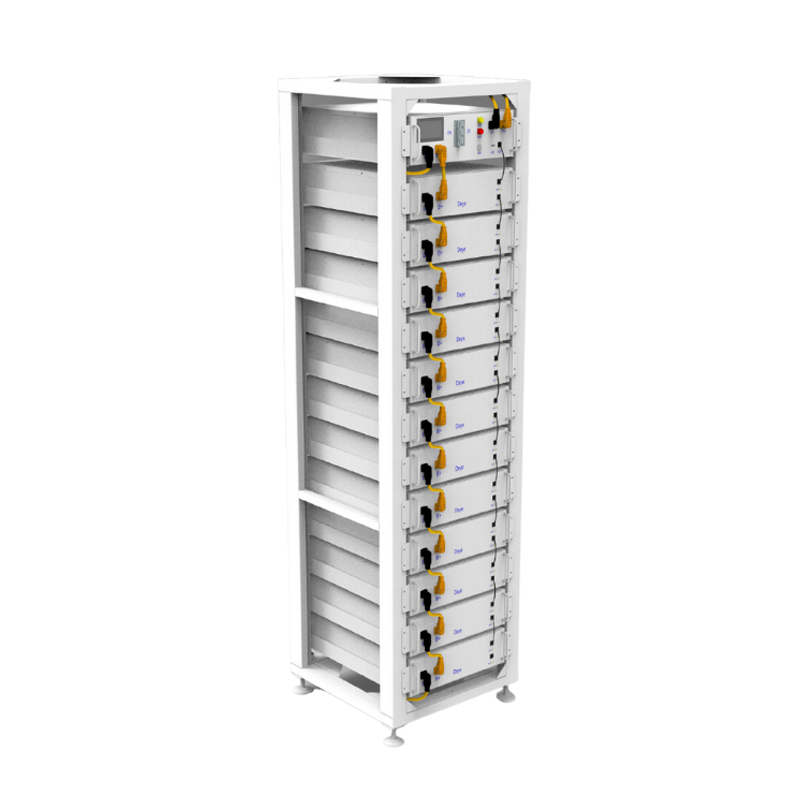
Given Hawaii's limited grid export compensation, battery storage is practically essential for maximizing savings. In 2026, several incentive pathways support battery installation:
For homeowners on islands like Maui and Hawaii Island where grid reliability can be lower, storage is not just a financial decision — it's also an energy security measure. Given Hawaii's electricity rates (among the highest in the U.S. at $0.38–$0.44 per kWh on average in 2025), every kWh stored and self-consumed instead of purchased from the grid delivers substantial savings.
| Incentive | Value | Cap / Limit | Applies To |
|---|---|---|---|
| Federal ITC | 30% of system cost | No cap (residential) | Solar + Battery |
| Hawaii State Tax Credit (RETITC) | 35% of system cost | $5,000 per system | Solar + Battery |
| Property Tax Exemption | 100% of added value | Ongoing | Residential Solar |
| GET Exemption | ~4–4.5% off installation cost | N/A | Solar Equipment & Labor |
| Net Energy Metering (CGS+) | ~$0.10–$0.18/kWh export credit | Varies by island/utility | Grid-tied Solar |
Let's put the numbers together for a typical Hawaii homeowner installing a 10 kW solar system with a 10 kWh battery in 2026:
With Hawaii's electricity rates, a 10 kW system can offset roughly 14,000–16,000 kWh per year in a well-positioned installation. At $0.40/kWh average, that's $5,600–$6,400 in annual savings, giving a payback period of approximately 3–4 years on the net system cost — an exceptional return by any standard.
Since both the federal and state tax credits are calculated as a percentage of your total installed cost, using higher-efficiency, code-compliant equipment doesn't just improve your system's performance — it also ensures you're capturing the maximum incentive value on every dollar spent.
For installers and homeowners sourcing equipment, we offer a full range of solar panels, inverters, battery storage systems, and complete residential PV kits — all suitable for U.S. installations. Whether you're looking for high-efficiency monocrystalline panels, hybrid inverters that support battery integration, or scalable storage batteries, our product lineup covers the full system stack that Hawaii homeowners need to take full advantage of the available incentives in 2026.
One practical note: make sure your installer provides itemized documentation of all equipment and labor costs. Tax credits are self-certified on your federal and state returns, and clear records are important if your return is ever reviewed.
A few things are worth monitoring as you plan your Hawaii solar investment:
The combination of the highest electricity rates in the nation, exceptional solar irradiance, and a robust multi-layer incentive structure makes Hawaii one of the most financially compelling markets for solar in 2026. The incentives are real, they're stackable, and for most homeowners the question is not whether solar pencils out — it's which system size and configuration delivers the best return for your specific situation.
←
Deye Inverter: Scheduled Work Mode Professional Guide
→
BOS-B Pro-A3 vs BOS-B: What Deye’s latest rack changes for small-scale C&I storage
 +31610999937
 [email protected]
 De Werf 11, 2544 EH The Hague, The Nederland.WhatsApp: +852 65283075
Copyright © 2023 Uni Z International B.V. VAT: NL864303440B01 All Rights Reserved
 Solar Energy Storage System Solutions and Products

 0
0


 italiano
 Polskie
 Nederlands
 Deutsch
 Français
 Español
 Український