Illinois Solar Power Incentives: RECs, Rebates & Net Metering (2026)
Jan 09,2026Ohio Solar Energy Incentives (2026): Net Metering, Tax Rules
Jan 02,2026Disadvantages of Passive Solar Energy: Practical Limits & Fixes
Dec 26,2025How to Wire Solar Panels in Series: Safe Steps, Diagrams & Calculations
Dec 19,2025How to Set Up Solar Panels for an RV: A Practical Guide
Dec 09,2025As a solar equipment manufacturer and supplier, I spend a lot of time helping customers separate “marketing noise” from the incentives that actually move project economics in Illinois. Illinois solar power incentives can be very strong, but only if you understand how the pieces stack: federal tax credit, Illinois Shines/Illinois Solar for All REC payments, utility rebates, and the post-2025 net metering rules.
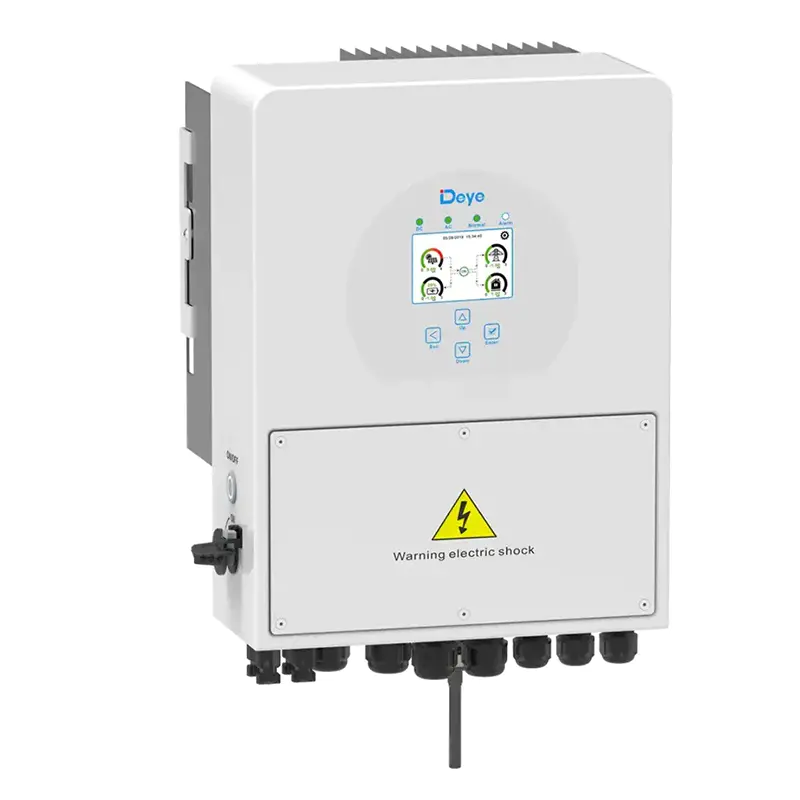
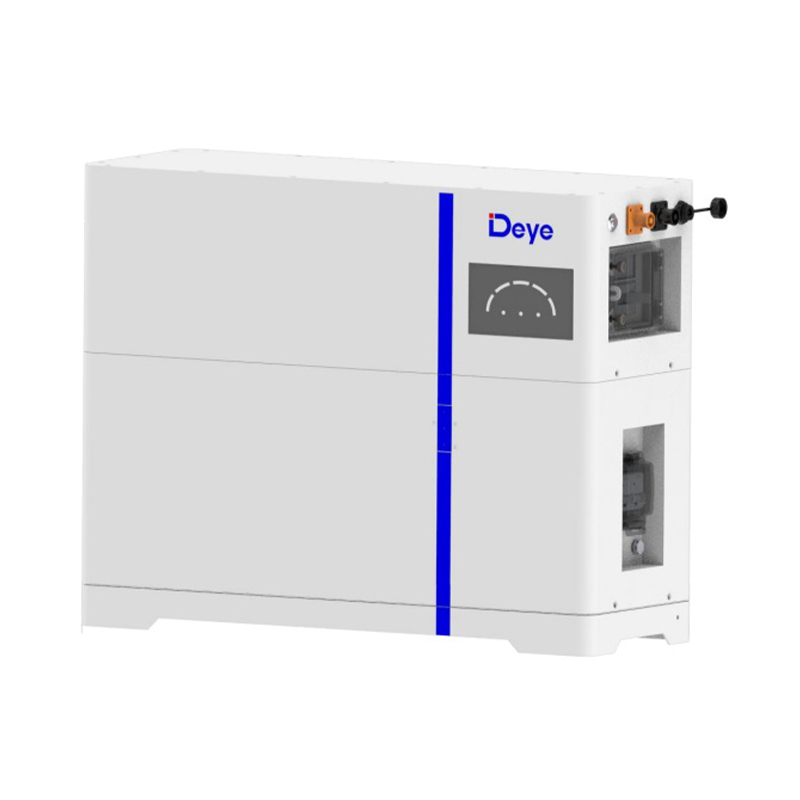
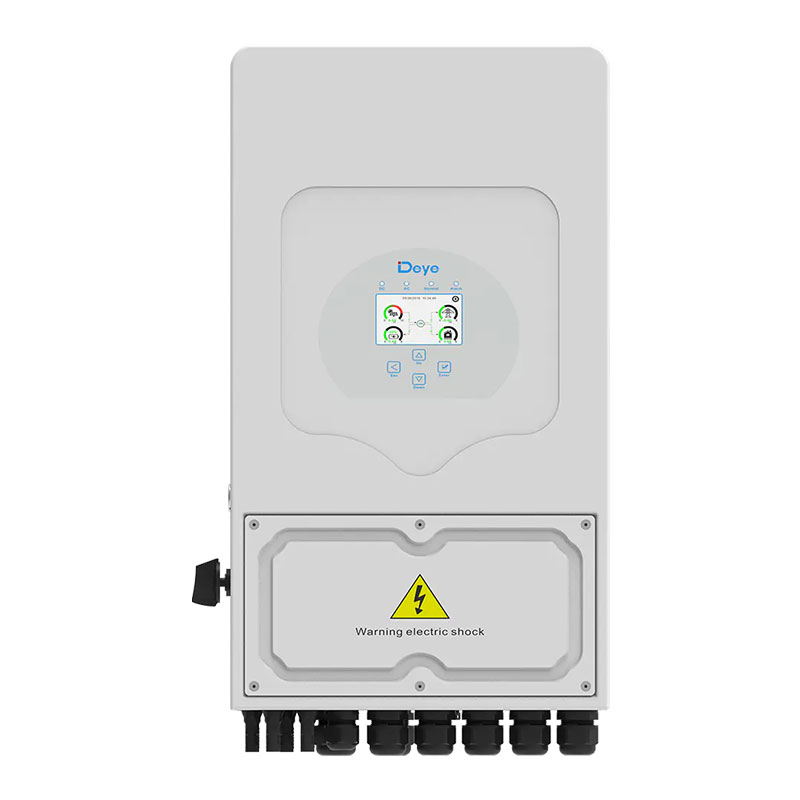
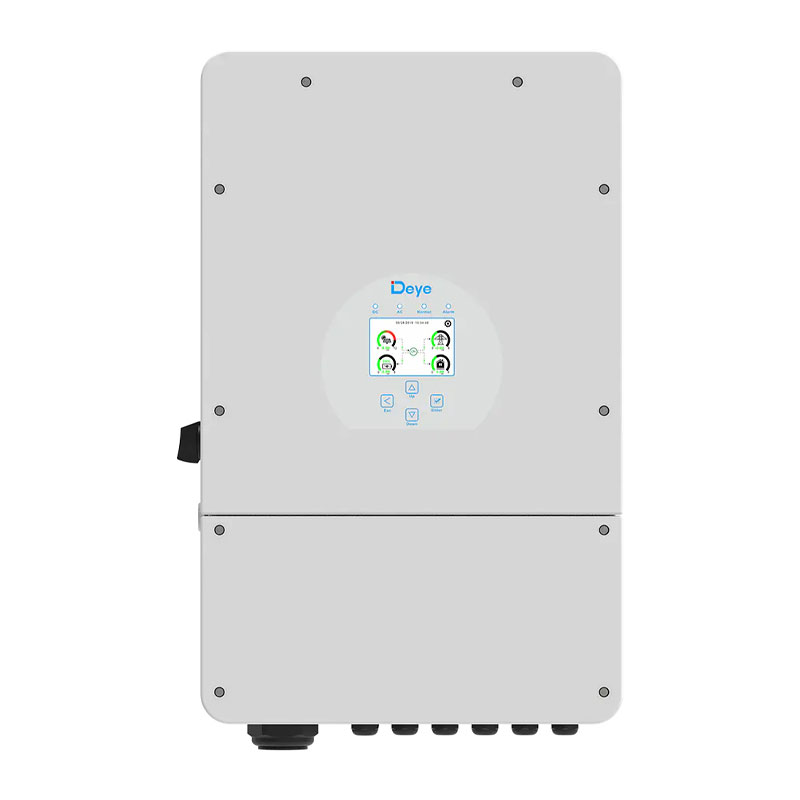
If you are also comparing system hardware while you evaluate incentives, you can browse our solar products page for typical PV modules, inverters, storage, and mounting options used in residential and small commercial systems.
In Illinois, “incentives” come in a few different forms. Some reduce taxes, some reduce the system price through REC value, and some pay you via a rebate or bill credit. The best results typically come from stacking what you qualify for, without double-counting the same benefit in two places.
The practical takeaway: your installer’s proposal should show each bucket clearly, with who receives the payment/credit (you, the installer, a financer, or a program administrator) and when it is realized.
For many homeowners, the most straightforward lever is the federal credit. If you own (not lease) your system, you may be eligible to claim up to 30% of qualified costs as a federal income tax credit. In practice, it reduces your tax liability; it is not typically a cash rebate.
If your installed project cost is $20,000 (illustrative only), a 30% credit would be $6,000. If you cannot use the full credit in one year, you may be able to carry it forward, depending on your tax situation. I strongly recommend confirming details with a tax professional.
| Cost item | Why it matters | What I tell customers to keep |
|---|---|---|
| PV modules, inverter, racking | Core generation equipment | Itemized invoice + equipment datasheets |
| Installation labor | Often a major portion of total cost | Signed contract + proof of payment |
| Battery storage (if owned) | Can change economics post-2025 net metering | Battery invoice + commissioning report |
One caution: if you lease the system or sign certain PPAs, the system owner (often the finance company) may claim the credit instead of you. That ownership detail should be explicitly stated in your contract.
The headline state-level program many Illinois homeowners hear about is Illinois Shines (and, for qualifying participants, Illinois Solar for All). These programs use the value of Renewable Energy Credits (RECs) to reduce your cost.
As an example published by Illinois, a 6 kW AC residential system may yield about $9,000 in Illinois Shines REC payment, while the same size could be close to $20,000 in Illinois Solar for All (eligibility dependent). These figures vary by REC price blocks, location, system category, and program year.
| Program | Who it targets | How value is delivered | Critical question to ask |
|---|---|---|---|
| Illinois Shines | Broad residential & commercial participation | REC value applied through an Approved Vendor’s program participation | Who owns the RECs, and how is the REC payment reflected in your price? |
| Illinois Solar for All | Income-eligible households and qualifying organizations | REC value structured to expand access and affordability | What documentation proves eligibility, and what happens if eligibility changes? |
My professional advice: require your solar company to show the REC benefit as a line item (or an equivalent transparent calculation) and to clarify whether the REC value is used to reduce your upfront price, reduce financing payments, or is paid out in another form.
Separate from Illinois Shines, the utilities offer rebates tied to smart inverters (distributed generation) and energy storage. These rebates can materially improve payback, especially with the newer net metering rules.
For residential customers, published consumer program materials indicate a distributed generation rebate of $300 per kW (DC) of solar capacity and a battery rebate of $300 per kWh (eligibility and program terms apply). Storage rebates can also carry ongoing participation requirements (for example, certain real-time pricing or demand response commitments).
Important: confirm who receives the rebate (you vs. your installer vs. your financier) and whether accepting a rebate affects your net metering treatment or tariff options.
Illinois net metering rules changed for new residential and small commercial systems interconnected on and after January 1, 2025. The practical shift is that “full retail” net metering is no longer available for those new interconnections; instead, many customers see supply-only netting where delivery charges are treated differently.
If your system exports 400 kWh to the grid and you import 500 kWh in the billing period, your net usage could be 100 kWh for supply and transmission charges, but you may still pay delivery charges on the full 500 kWh you pulled from the grid. This is why post-2025 designs often prioritize self-consumption (load shifting) and, in some cases, storage.
| Scenario (illustrative) | Exports (kWh) | Imports (kWh) | What “nets out” | What may still be charged fully |
|---|---|---|---|---|
| Supply-only style netting | 400 | 500 | Supply/transmission on net 100 | Delivery on gross 500 |
From a manufacturer’s perspective, this policy shift increases the value of accurate load analysis and equipment that supports flexible operating modes (especially smart inverter functionality and, where appropriate, storage integration).
Customers often ask whether solar will increase property taxes. Illinois law provides for an alternate valuation approach: when the required claim is filed with the chief county assessment officer, the improvements can be valued as if equipped with a conventional system versus the solar energy system, and the lesser value is applied while the solar system is in use.
In practice, this means you should ask your local assessor’s office what form and documentation they require and file promptly after installation so your assessment reflects the intended treatment.
Here is the workflow I recommend customers follow so incentives do not “fall through the cracks” between installer, utility, and tax filing.
Incentives are policy-driven, but your ability to actually realize them depends on system design quality and compliant equipment. In Illinois, I encourage customers to prioritize three engineering considerations: smart inverter capability, storage integration readiness (if desired), and durable mounting appropriate for the site.
I am intentionally keeping this section non-promotional: hardware selection should be driven by code compliance, utility interconnection requirements, and long-term reliability—not by incentives alone. Use the links above as a product-reference library while you compare installer proposals.
If you address these five items before signing, your probability of realizing the full value of Illinois solar power incentives increases materially.
+31610999937
[email protected]
De Werf 11, 2544 EH The Hague, The Nederland.
WhatsApp: +1 (917) 257 2995/Copyright © 2023 Uni Z International B.V. VAT: NL864303440B01 All Rights Reserved
Solar Energy Storage System Solutions and Products