How Many Solar Panels to Run an Air Conditioner? Sizing Guide
Jan 16,2026Illinois Solar Power Incentives: RECs, Rebates & Net Metering (2026)
Jan 09,2026Ohio Solar Energy Incentives (2026): Net Metering, Tax Rules
Jan 02,2026Disadvantages of Passive Solar Energy: Practical Limits & Fixes
Dec 26,2025How to Wire Solar Panels in Series: Safe Steps, Diagrams & Calculations
Dec 19,2025To run an air conditioner on solar, the panel count depends on the AC’s running watts, how many hours you want it to run, and how much sun you get. A practical rule of thumb is: most home AC units need about 3–12 modern 400W panels to run in strong daytime sun, while 5–19 panels plus a battery bank is more typical if you want several hours of cooling that continues into evening.
If your goal is simply to keep the AC running while the sun is strong (not overnight), you can size for the AC’s steady running power and a realistic solar “derate” factor. Using 400W panels and a conservative 0.75 derate (heat, wiring, inverter losses, non-ideal tilt), each panel yields about 300W usable in good conditions.
If you want the system to cover a set number of hours per day (including late afternoon or evening), you size to daily energy (kWh) and you add batteries. A common planning target is 5 peak sun hours/day (adjust up/down for your location and season).
Look for “Watts,” “Input Power,” or “Rated Power” on the nameplate or spec sheet. If you only have amps and volts, estimate: Watts ≈ Volts × Amps (for a rough planning number).
Use these planning formulas with a derate factor of 0.70–0.80 (0.75 is a solid default):
Important nuance: many air conditioners do not draw constant power. A thermostat cycles the compressor, and inverter mini-splits modulate. For sizing, using the nameplate running watts is usually safer than using optimistic “average” assumptions.
The table below uses common planning numbers to show how many solar panels to run an air conditioner in two scenarios: (1) daytime-only continuous operation and (2) about 8 hours/day with batteries supporting late-day operation.
| AC type / size | Typical running watts | Panels to run mid-day (power) | Panels for ~8 hours/day (energy) |
|---|---|---|---|
| Window AC (8,000 BTU) | 800W | 3 | 5 |
| Mini-split (12,000 BTU, 1 ton) | 1,200W | 4 | 7 |
| Mini-split (18,000 BTU) | 1,800W | 6 | 10 |
| Central AC (3-ton) | 3,500W | 12 | 19 |
These examples are intentionally conservative. If you have excellent sun, cool panel temperatures, ideal tilt, or a variable-speed system that often runs below max power, your real-world panel count may be lower. If you want reliable operation through haze, heat waves, or shoulder seasons, staying conservative is typically the better outcome.
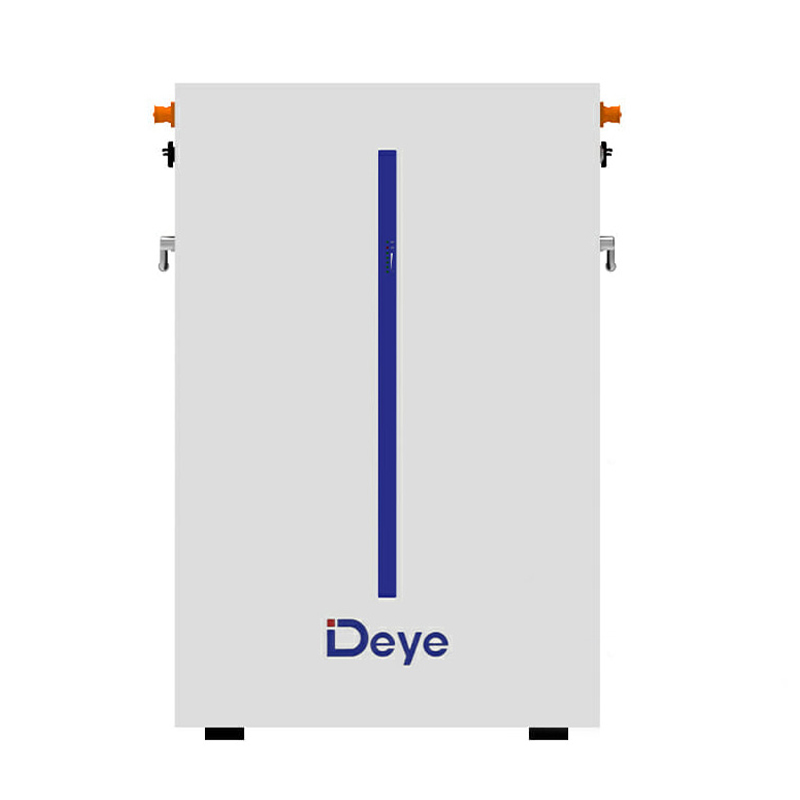
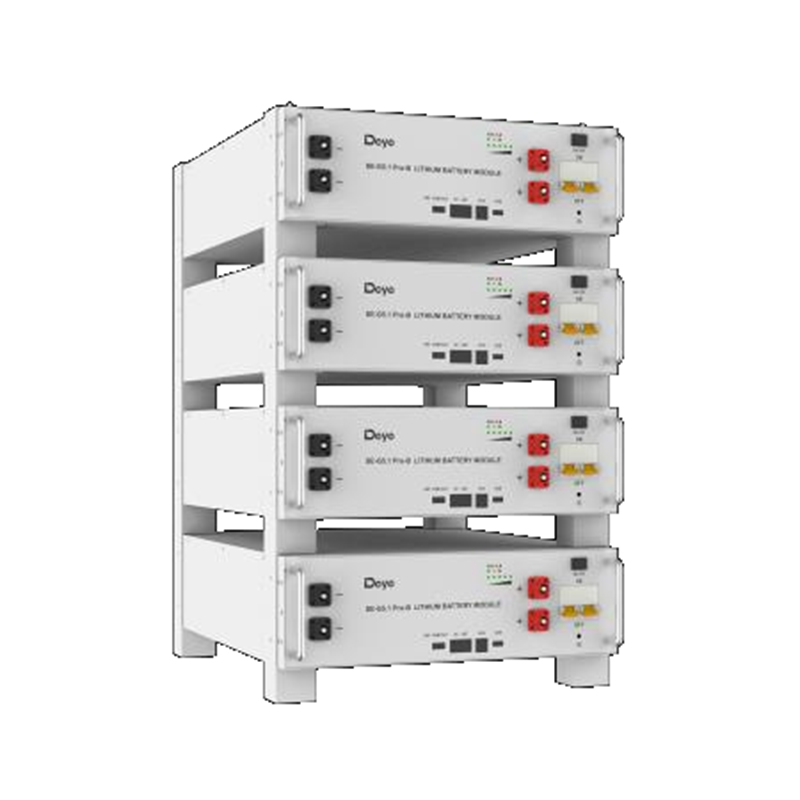
If the AC must run when clouds pass, late afternoon, or after sunset, you need storage. “Panels-only” can work for daytime cooling, but it is sensitive to passing clouds and will often require oversizing.
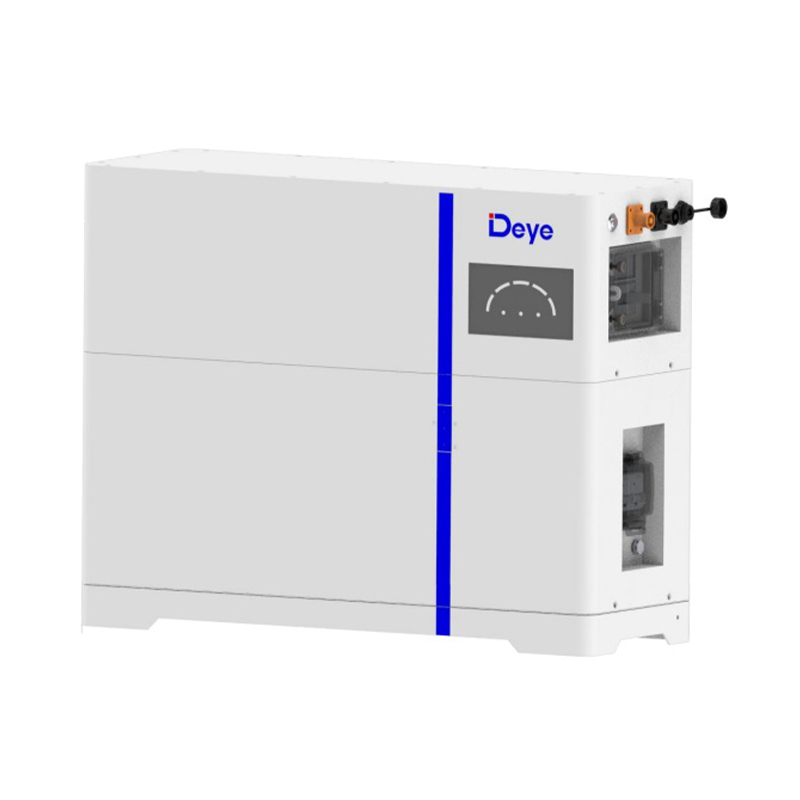
Start with the energy you want to cover when solar is weak. A planning equation is: Battery kWh ≈ (AC Watts × Hours) ÷ (Battery Efficiency × Usable Depth of Discharge). Using 0.90 efficiency and 0.80 usable DoD gives a divisor of 0.72.
If you are trying to run a large central AC overnight, storage becomes the dominant cost and complexity. In many homes, the most cost-effective move is to reduce the cooling load (insulation, air sealing, shading) or use high-efficiency mini-splits for key zones.
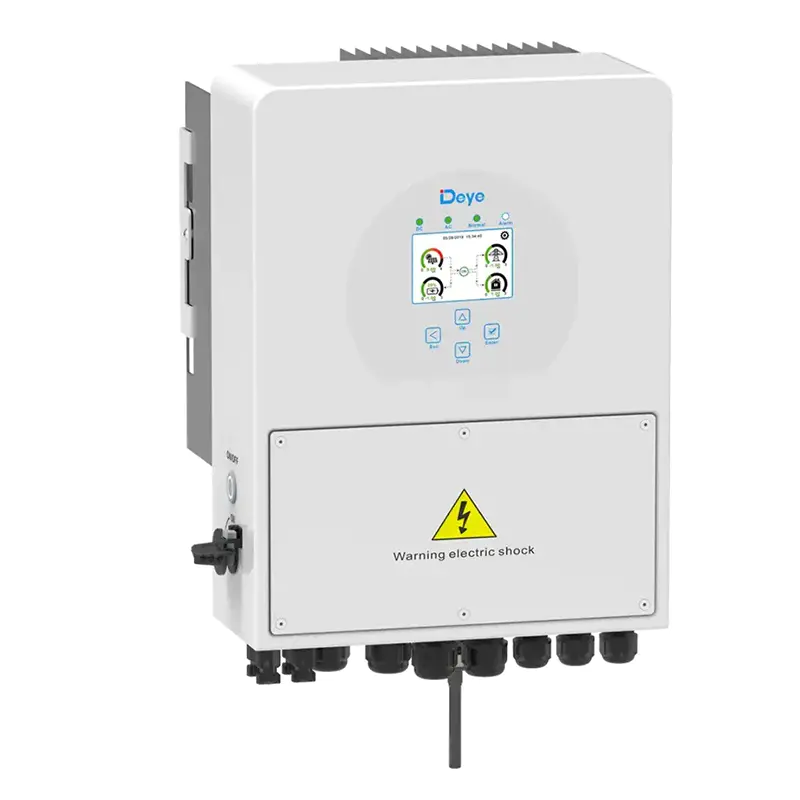
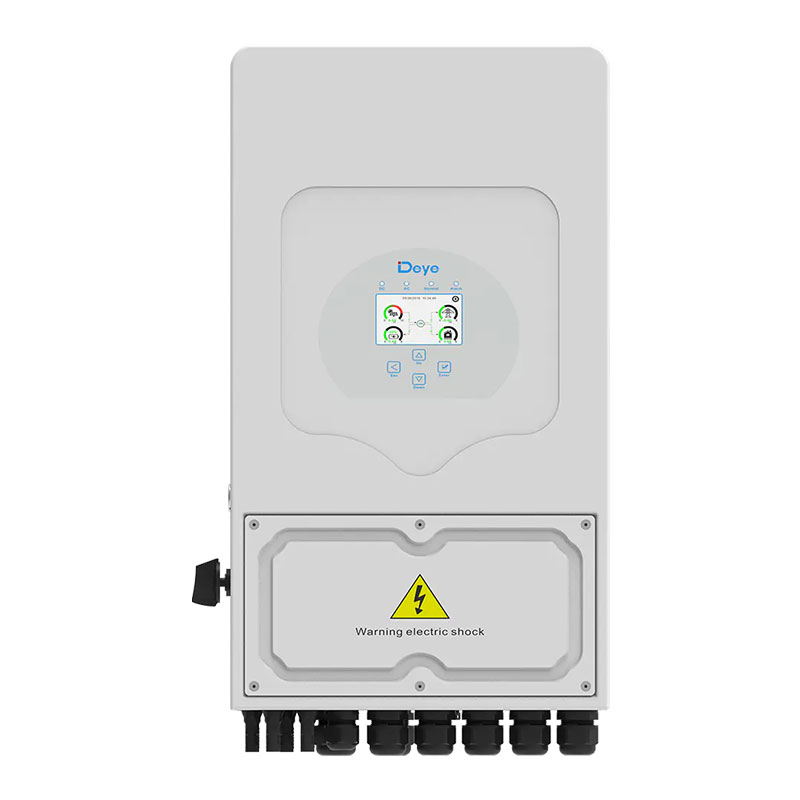
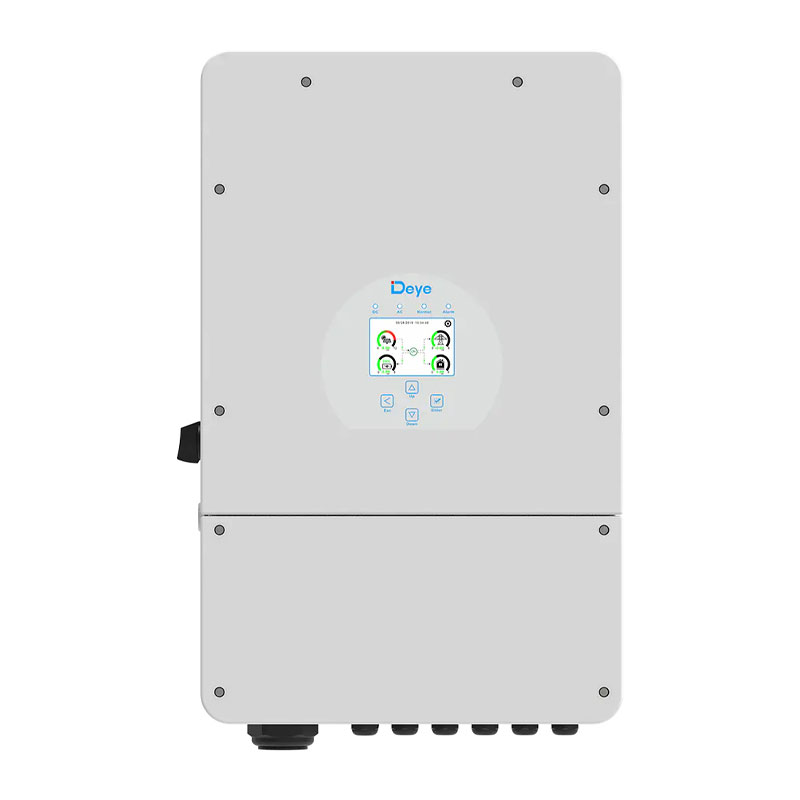
Air conditioners with compressors can have a high startup surge. Even if your AC “runs” at 1,200W, it may briefly demand several times that when the compressor starts. Your inverter must handle both continuous watts and surge watts.
If your system “almost works” but trips on compressor start, the fix is usually not more panels—it is typically a higher-surge inverter, a soft-start device, or both.
The cheapest panel is the one you do not need. Small efficiency wins can translate directly into fewer panels and a smaller battery/inverter.
As a simple benchmark, dropping your AC draw by 300W can reduce solar needs by about 1× 400W panel for daytime running (using a 0.75 derate), and more than that when batteries are included.
If you want a single planning number to start with, use: Panels ≈ (AC Watts × Hours) ÷ (400 × Peak Sun Hours × 0.75), then round up and add margin if reliability matters.
For most buyers trying to answer “how many solar panels to run an air conditioner,” the most reliable approach is: size panels to your AC running watts for daytime operation, and size panels to daily kWh plus batteries if you need cooling beyond peak sun.
As a practical starting point with modern 400W panels and a conservative design: 3–6 panels often runs an efficient room/mini-split AC in strong sun, while 10–14 panels is a common daytime-only range for a typical central AC. If you want 8 hours/day with storage support, plan closer to 5–19 panels depending on AC size—plus a correctly sized inverter and battery bank.
+31610999937
[email protected]
De Werf 11, 2544 EH The Hague, The Nederland.
WhatsApp: +1 (917) 257 2995/Copyright © 2023 Uni Z International B.V. VAT: NL864303440B01 All Rights Reserved
Solar Energy Storage System Solutions and Products