Pennsylvania Solar Incentives 2026: SRECs, Net Metering & Local Rebates Explained
May 13,2026Solar Home Appliances: Which Devices Can Run on Solar Power & How to Size Your System
May 09,2026Deye SUN-SMART-TX01: How to Set Up Smart TX Without Confusion
May 08,2026Deye SUN-12/14/16K-SG01LP1-EU-High Efficiency Energy Management&Control
May 06,2026Deye SE‑G5.1 Pro‑B: Compact, Scalable Home Energy Storage
Apr 30,2026Content
A typical 10 kW solar system in Pennsylvania carries a sticker price around $27,000—but after layering the incentives available to Keystone State homeowners, that number can drop by 40% or more. Pennsylvania isn't the sunniest state in the country, yet its combination of federal policy, a state-run energy credit market, one of the most favorable net metering rules in the nation, and targeted local programs makes the financial case for solar compelling. Here's exactly what's available in 2026, and how each piece fits together.
Solar in Pennsylvania works through four distinct income streams, each operating independently and simultaneously. You reduce your monthly utility bill through net metering. You earn tradeable credits (SRECs) for every unit of clean electricity your system generates. You may qualify for a one-time local rebate if you live in certain cities. And federal-level ownership incentives—though changed in 2026—still matter depending on how you finance your system.
The average Pennsylvania home uses roughly 846 kWh of electricity per month. A properly sized residential system designed to offset 100% of that demand will produce approximately 9–10 SRECs annually on top of eliminating most of the electric bill. Over a 25-year panel warranty period, the combined value of bill savings and SREC income frequently exceeds $20,000 for a mid-sized system.
From 2022 through the end of 2025, the federal Solar Investment Tax Credit (ITC) allowed homeowners who purchased a solar system outright to claim 30% of the total installation cost as a direct dollar-for-dollar reduction in federal income taxes owed. On a $27,000 system, that meant roughly $8,100 back at tax time.
In 2026, the landscape shifted. Congressional action has eliminated or significantly curtailed the residential ITC for new system purchases. If you already installed your system before the cutoff and haven't yet filed, check with a tax professional about your eligibility—the credit may still apply to completed installations.
For homeowners considering solar now, the practical implication is that third-party ownership arrangements—solar leases and Power Purchase Agreements (PPAs)—deserve a fresh look. Under these structures, a solar company owns the panels and bears the equipment risk; you pay a fixed monthly rate (typically below your current utility bill) and benefit from zero upfront cost. While you won't personally receive tax credits under a TPO agreement, the installing company factors its own federal incentives into the pricing, which is why lease rates remain competitive. The tradeoff: you won't be able to sell SRECs, since those belong to the panel owner.
The decision between ownership and leasing now hinges primarily on your SREC income expectations and your appetite for a capital investment. For those who buy outright or use a solar loan, the remaining state-level incentives are substantial.
Pennsylvania's most distinctive solar incentive is its Solar Renewable Energy Credit (SREC) program, administered under the state's Alternative Energy Portfolio Standards (AEPS) Act. The mechanics are straightforward: your solar system is registered as a qualified alternative energy facility, and for every 1,000 kWh it generates, you receive one SREC—a tradeable certificate that utility companies and power suppliers must buy to meet state clean-energy compliance targets.
SREC prices fluctuate with market supply and demand. Pennsylvania SRECs have traded around $31–35 per credit in recent periods, though values vary. A 10 kW system producing 9–10 SRECs per year generates somewhere between $280 and $350 annually from SREC sales alone—a reliable income stream that continues for the life of the system.
To participate, your system must be registered through the Pennsylvania Alternative Energy Portfolio Standard program portal, managed under contract to the PA Public Utility Commission. Registration is a one-time process handled either by your installer or independently. Once registered, credits are tracked through the PJM Generation Attribute Tracking System (GATS) and can be sold directly or through an SREC broker.
One important detail: SRECs belong to whoever owns the panels. If you lease your system or enter a PPA, the installing company retains the SREC income. This is one of the most significant financial differences between ownership and leasing in Pennsylvania.
Net metering is the billing mechanism that ensures your solar investment works around the clock—not just when the sun is shining. Pennsylvania's investor-owned utilities (including PECO, PPL, and others) are required by the PA Public Utility Commission's AEPS regulations to offer net metering to qualifying customer-generators.
Here's how it works in practice: when your panels produce more electricity than your home needs—typically on bright summer afternoons—the excess flows back to the grid. Your utility meter runs backward, and you receive a credit at the full retail rate of electricity for each kWh exported. At night or during cloudy periods, you draw from those accumulated credits before paying for grid power.
Pennsylvania's net metering policy has an unusually homeowner-friendly feature: if you produce more electricity than you consume over the course of a full year, your utility must issue an annual cash payout for the surplus. Most states simply zero out excess credits at year-end; Pennsylvania actually pays you. Credits accumulate monthly and roll over, with the annual true-up settling any remaining balance in your favor.
Net metering and the SREC program operate independently—net metering compensates you for energy you don't personally consume, while SRECs compensate you for total generation. Both run simultaneously once your system is interconnected and registered.
Pennsylvania lacks a statewide solar rebate program, but Philadelphia fills that gap with one of the more generous city-level incentives in the region. The Philadelphia Solar Rebate Program pays residential installers $0.20 per watt of capacity installed within city limits. For a 6 kW system, that's a $1,200 direct rebate on top of all other incentives.
| Parameter | Residential | Commercial |
|---|---|---|
| Rebate Rate | $0.20 per watt | $0.10 per watt |
| Max Incentive | No stated cap | $100,000 per project |
| Annual Program Funding | $500,000 (10% reserved for LMI households) | |
| Availability | First-come, first-served | |
Because the program is funded annually at $500,000 and runs on a first-come, first-served basis, timing matters. Philadelphia also supports solar adoption through streamlined permitting—a meaningful benefit that reduces installation timelines and gets you into SREC production faster. Homeowners outside Philadelphia should check with their local municipality or utility; a handful of other Pennsylvania communities have introduced similar programs.
Launched as a state-driven initiative, Solar For All is designed to extend the financial benefits of solar to low- and moderate-income (LMI) households that have historically been locked out of the solar market by upfront costs. The program aims to equip approximately 14,000 Pennsylvania homes with clean, affordable solar power over a multi-year rollout.
Eligible participants can access reduced installation costs or, in some cases, fully subsidized installations. Income thresholds and application processes vary by program cycle and delivery partner. If your household income falls below 80% of the area median income, this program is worth investigating before pursuing a standard market installation—the economics can be dramatically better.
The real power of Pennsylvania solar isn't any single incentive—it's the layering. Consider a homeowner in suburban Philadelphia who purchases a 10 kW system outright using a solar loan:
| Item | Value |
|---|---|
| System cost (before incentives) | ~$32,600 |
| Philadelphia rebate ($0.20 × 10,000 W) | −$2,000 |
| Net cost after rebate | ~$30,600 |
| Annual SREC income (10 SRECs × ~$32) | ~$320/year |
| Annual electricity bill savings (net metering) | ~$1,000–$1,200/year |
| Combined annual benefit | ~$1,320–$1,520/year |
| Simple payback period | ~20–23 years (without ITC) |
Adding a battery storage system changes the math further. Storage doesn't generate SRECs, but it maximizes the value of net metering by shifting self-consumption patterns and provides backup power during outages—a growing concern in Pennsylvania's grid territory. Systems paired with solar storage batteries that qualify for incentive programs also protect against future utility rate increases, locking in more of your savings over the system's lifetime. Explore the residential photovoltaic kits sized for Pennsylvania homes to see what capacity fits your annual usage.
Incentive eligibility isn't automatic—it depends on how your system is configured and installed. Pennsylvania's SREC program requires your facility to be registered with the PA PUC's administrator, which in turn requires the system to meet technical standards and be installed by a licensed contractor. Substandard equipment or improper interconnection can delay or disqualify registration, costing you months of SREC income before the issue is resolved.
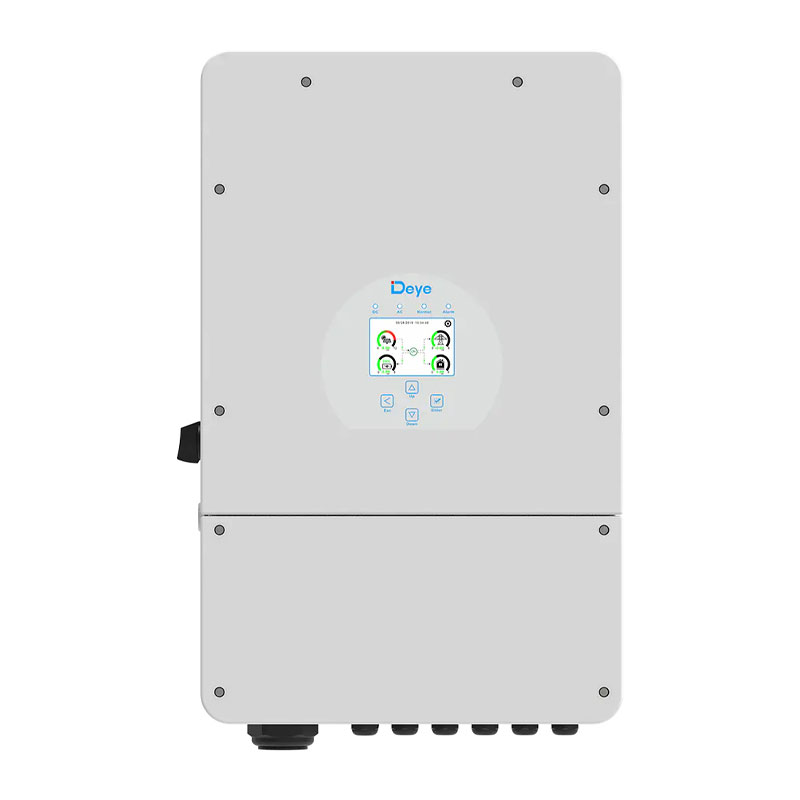
A few practical checkpoints: your panels should carry a product warranty of at least 12 years and a performance warranty of 25 years to ensure they produce SRECs for the program's full benefit window. Your inverter must be grid-tied and meet utility interconnection requirements—hybrid solar inverters compatible with Pennsylvania grid requirements provide the added flexibility of battery-ready architecture without requiring a separate retrofit. And the high-efficiency PV panels from leading manufacturers you select directly determine your annual kWh output—and therefore your annual SREC yield and net metering credits.
Pennsylvania's incentive structure rewards ownership and quality. The homeowners who capture the most value are those who treat a solar installation as a long-term asset: choosing equipment built to last 25+ years, registering properly for SRECs from day one, and sizing the system to maximize net metering credits without significantly overproducing. Get those fundamentals right, and the Keystone State's incentive stack does the rest.
←
No previous article
→
Solar Home Appliances: Which Devices Can Run on Solar Power & How to Size Your System
+31610999937
[email protected]
De Werf 11, 2544 EH The Hague, The Nederland.
WhatsApp: +1 (917) 257 2995/Copyright © 2023 Uni Z International B.V. VAT: NL864303440B01 All Rights Reserved
Solar Energy Storage System Solutions and Products