Choosing a Battery for the SG05LP1 Series
Apr 04,2026Deye Home Battery Installation Practical Guide: Common Faults and Solutions for SE-F16 and RW-F16
Apr 03,2026Deye SE-F Series Low-Voltage Batteries: What Changes Across the Range - and What It Means for Upgrades
Mar 31,2026Deye Inverter F55 (DC-Volt High-Fault) Practical Analysis
Mar 28,2026F33 Is Not Always a "False Alarm": Why Phase Current, AC Coupling and Transient Loads Matter
Mar 27,2026Deye Home Battery Installation Practical Guide: Common Faults and Solutions for SE-F16 and RW-F16
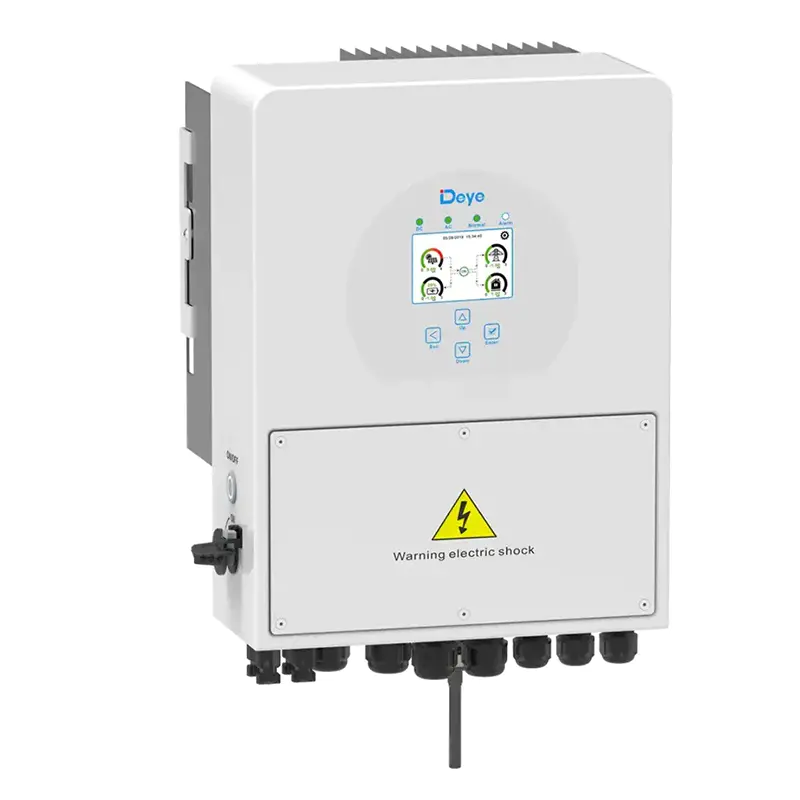
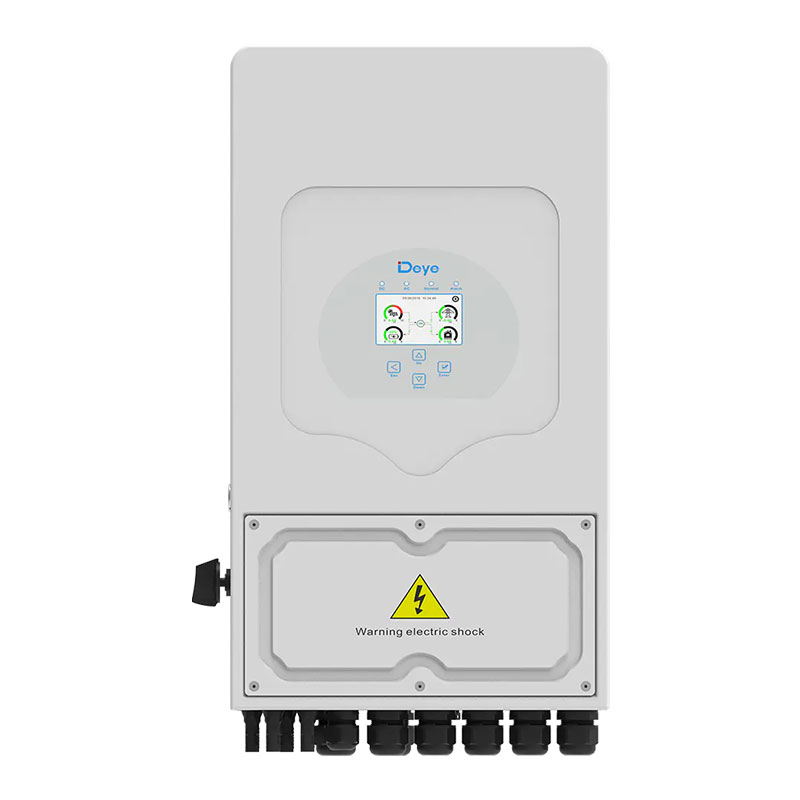
In BBC technology reports, home energy storage systems are often depicted as energy-independent “home power stations” — rooftop solar panels generate electricity during the day, batteries supply power at night or on rainy days, addressing peak-valley electricity prices, grid fluctuations, and even extreme weather. However, real-world installation is far from “plug-and-play.” Deye (Deye, a professional energy storage and inverter brand)’s low-voltage lithium batteries SE-F16 and RW-F16 (both 16kWh LiFePO₄, 51.2V nominal), when paired with the SUN-10K-SG05LP3-EU-SM2 (10kW three-phase low-voltage hybrid inverter), although designed to be reliable, often exhibit abnormalities in actual wiring, communication, and paralleling. This article, based on Deye official manuals, user forums (such as DIY Solar Forum), and real installation cases, analyzes four typical problems and their solutions to help ordinary homeowners or installers avoid pitfalls. Data comes from the latest 2025-2026 product specifications, and actual performance is affected by temperature, SOC, etc.

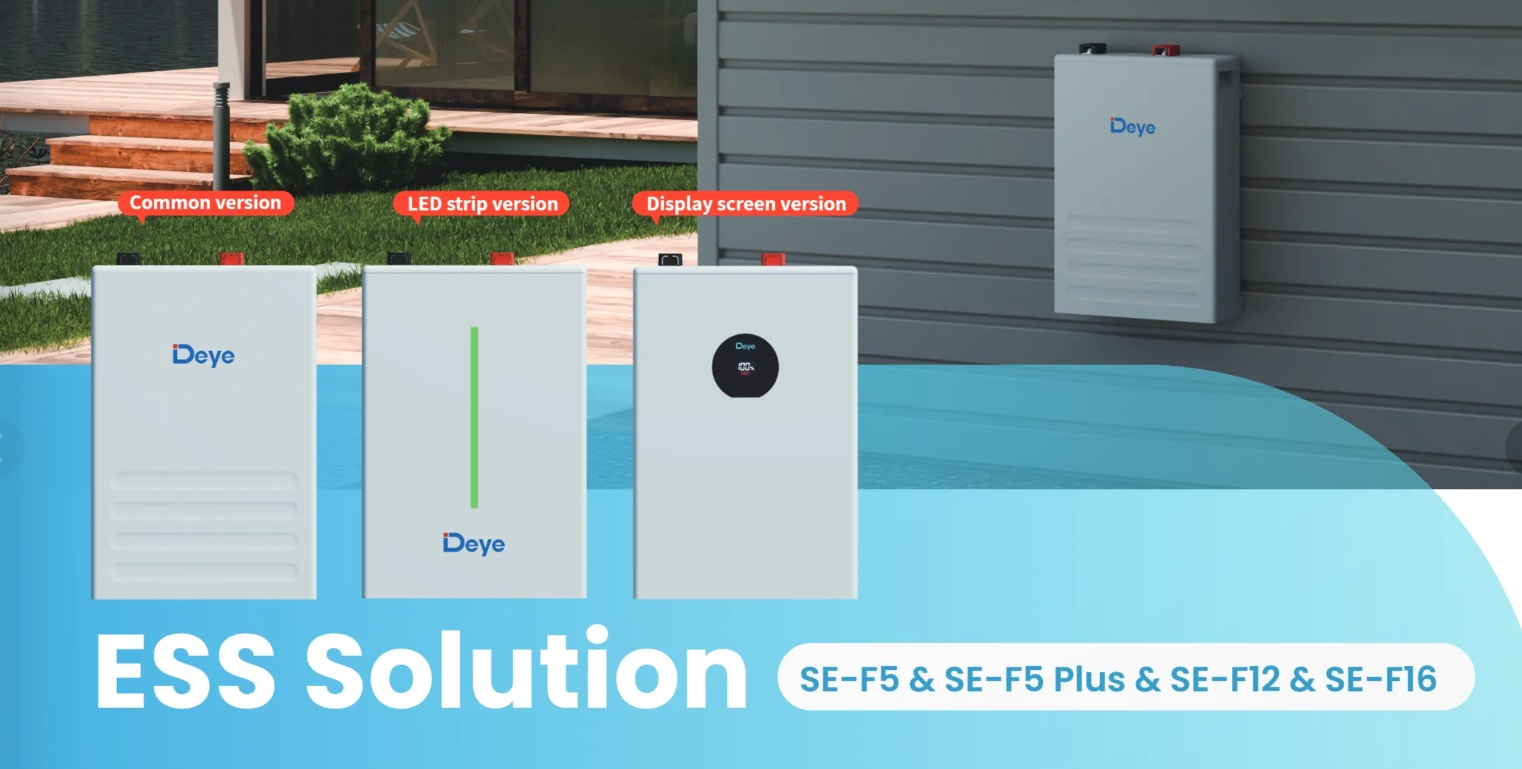
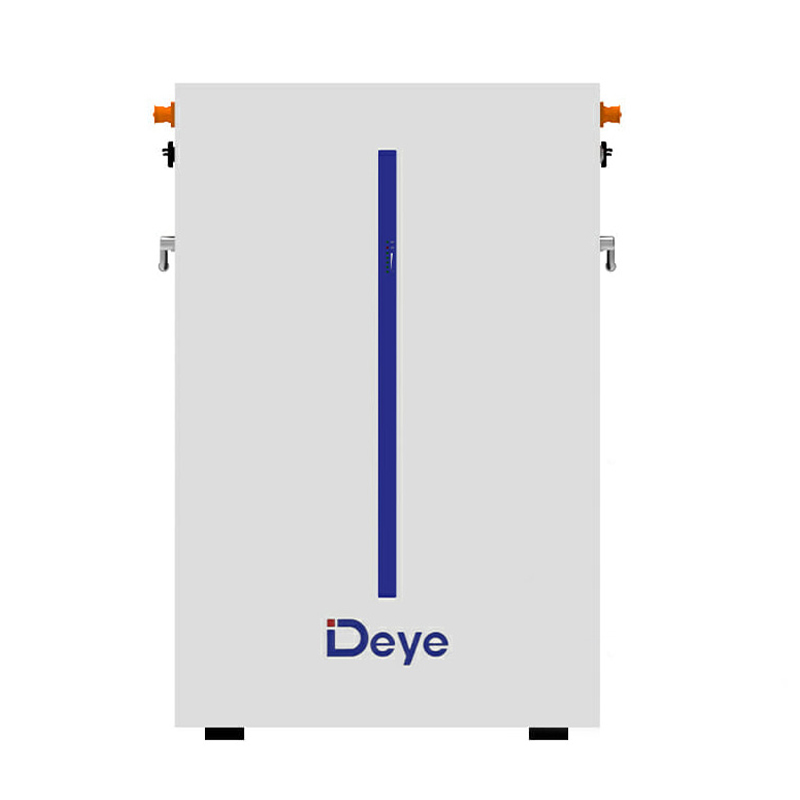
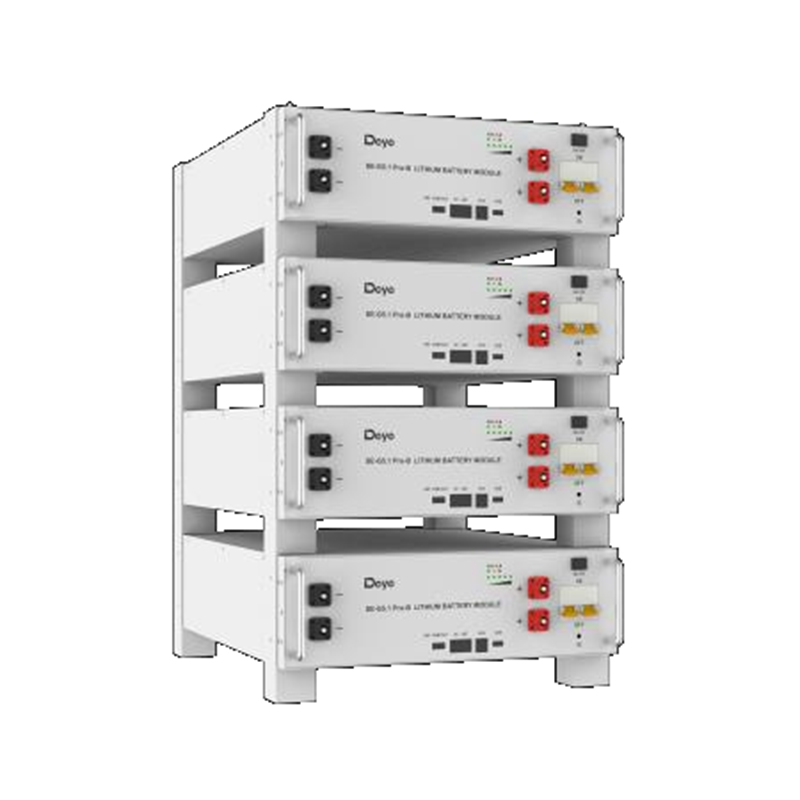
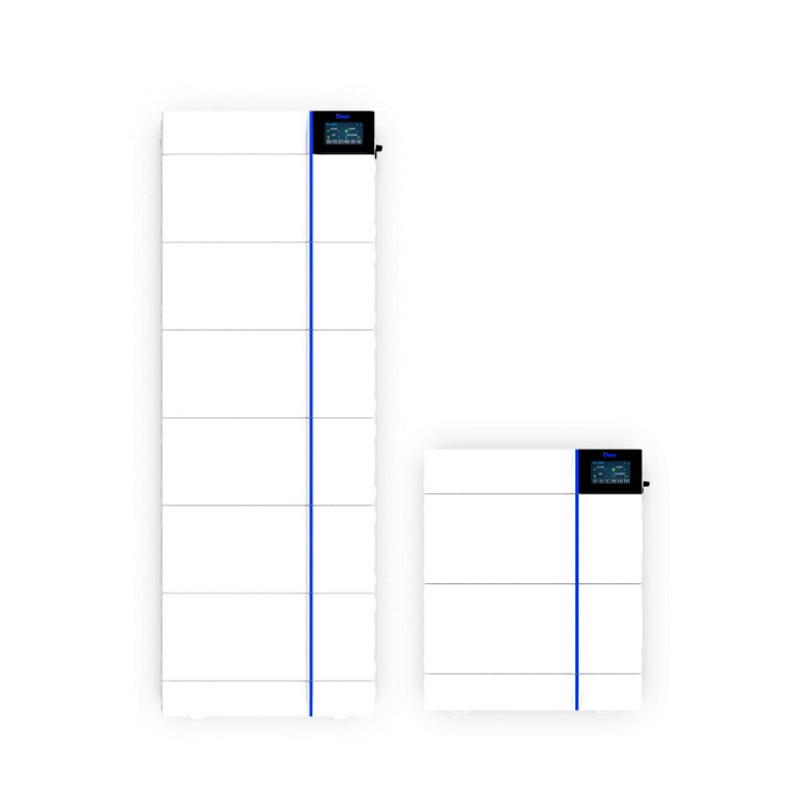
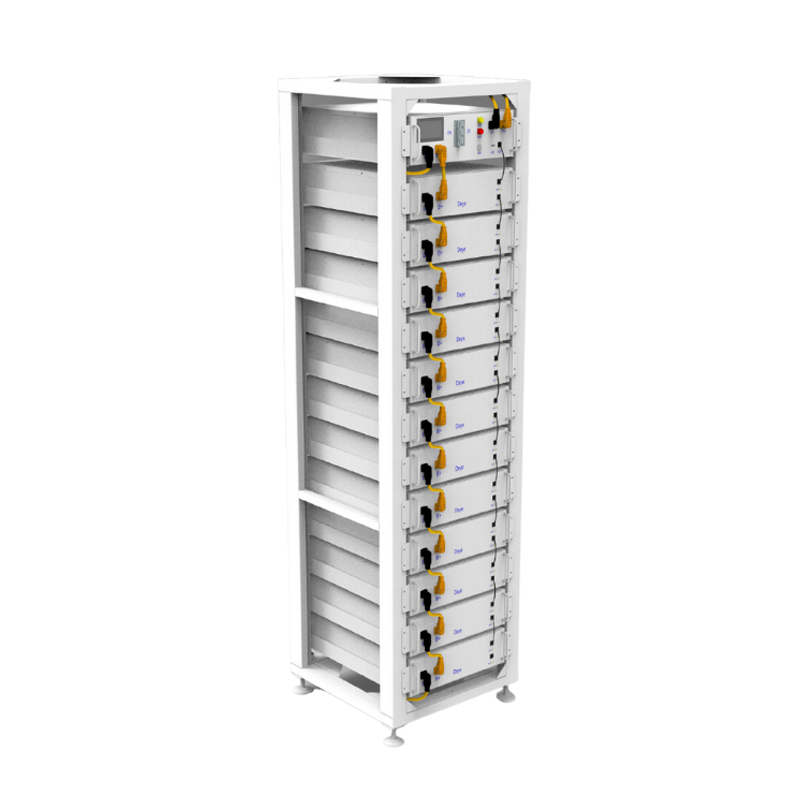
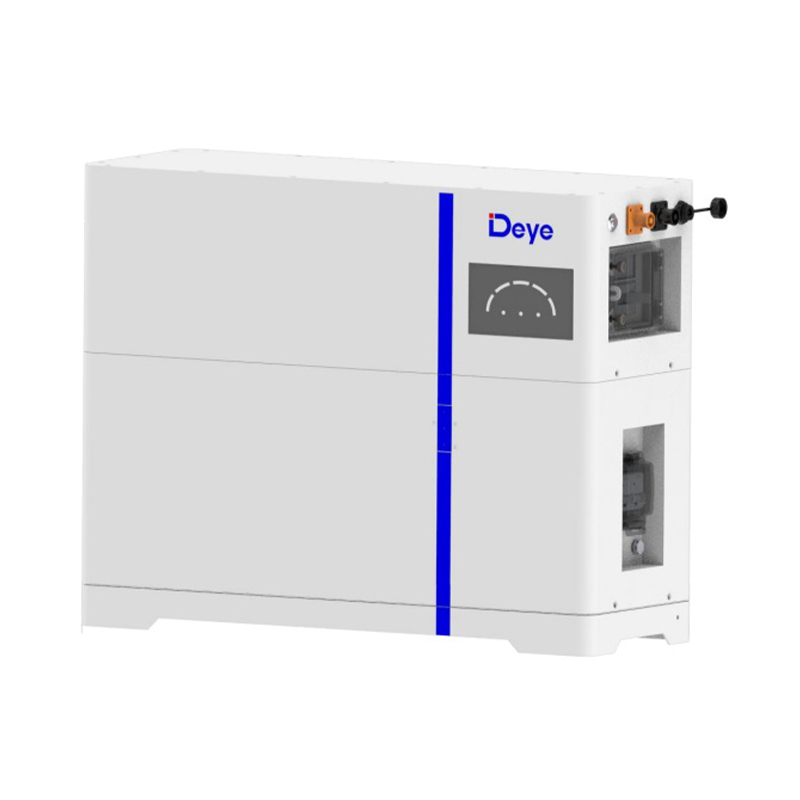
Figure 1.Official images of the Deye SE-F16 series
2.1 Case One: BMS Communication Fault — “Battery Not Responding,” System Shuts Down Directly
The most common pain point: the inverter displays “comm./F01-F64” or the battery LCD reports “W31 Battery communication warning (PCS communication fails).” A German three-phase household owner installed one SUN-10K-SG05LP3-EU-SM2 + two RW-F16 units; after powering on, the inverter repeatedly alarmed, battery SOC did not display, and charging/discharging completely failed. Cause Analysis: Deye batteries have a built-in BMS (Battery Management System) that communicates with the inverter via CAN 2.0 (RJ45 port). Common causes include:
Practical Solutions:
Owner Feedback: After following these steps, the system returned to normal within 10 minutes, and SOC data synchronized in real time. The manual clearly states: for PCS communication alarms, diagnose via monitoring software first and do not operate the system with faults.
2.2 Case Two: Parallel Battery Imbalance — One “Full,” Another “Starving”
Common during multi-battery expansion: after paralleling two SE-F16 units, one continues charging while the other SOC stays at 60%, resulting in wasted total capacity and even triggering “Cell voltage over difference” . A Polish villa owner (4 RW-F16 + 10kW inverter) found uneven discharge current after paralleling, with alarms under peak load. Cause Analysis:
Practical Solutions:
Result: After repair, the owner achieved balanced battery charge/discharge and even current distribution, increasing the system’s self-consumption rate by 30%. The manual explicitly warns: in parallel mode, if a single battery’s continuous current exceeds the limit, it may cause overheating or even safety risks
.
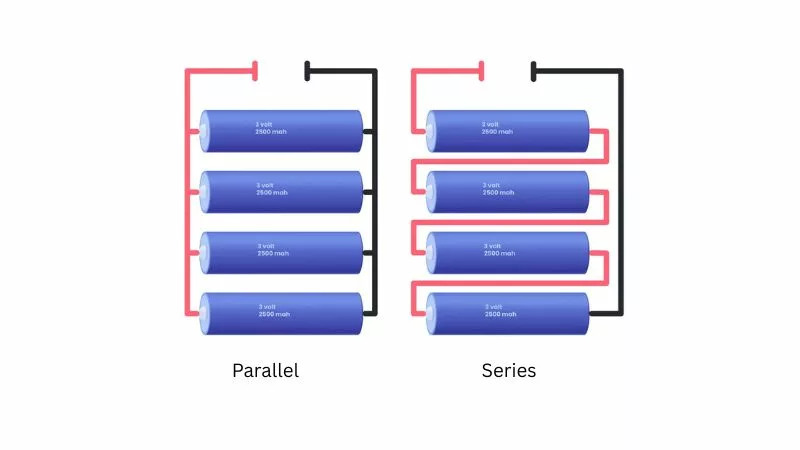
Figure 2.Schematic diagram of battery parallel vs. series connection principle
2.3 Case Three: Grounding and DC Fault — F22/F56 Alarm, Safety Hazard
After installing SUN-10K-SG05LP3-EU-SM2, F22 (possible grounding or DC connection abnormality) or F56 (DC bus voltage too low) is frequently reported. A French installer encountered occasional “offline” issues when wall-mounting RW-F16; the inverter displayed abnormally low battery voltage (actual battery voltage 51V normal). Cause Analysis:
Practical Solutions:
After repair, alarms were eliminated and the system’s UPS seamless switching function operated normally. BBC-related reports have pointed out that poor grounding is one of the most hidden safety hazards in home energy storage systems.
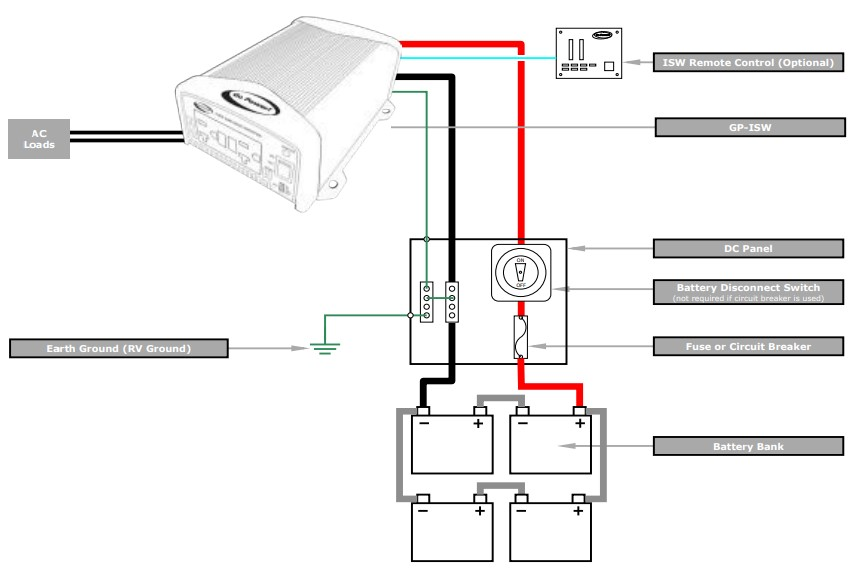
Figure 3.Complete schematic diagram of inverter DC side wiring and grounding (PE/Earth Ground)
2.4 Case Four: Time-of-Use (TOU) Charging/Discharging Failure and Charging Upper Limit Lock
When the inverter is set with peak-valley electricity price time periods, the battery fails to charge according to the schedule or only charges up to a maximum of 80%. A Dutch user pairing SE-F16 found that during night valley-price periods there was no charging, while daytime abnormally displayed “battery discharging.” Cause Analysis:
Practical Solutions:
After the user applied the fix, the system strictly followed the peak-valley strategy, and electricity costs decreased significantly.
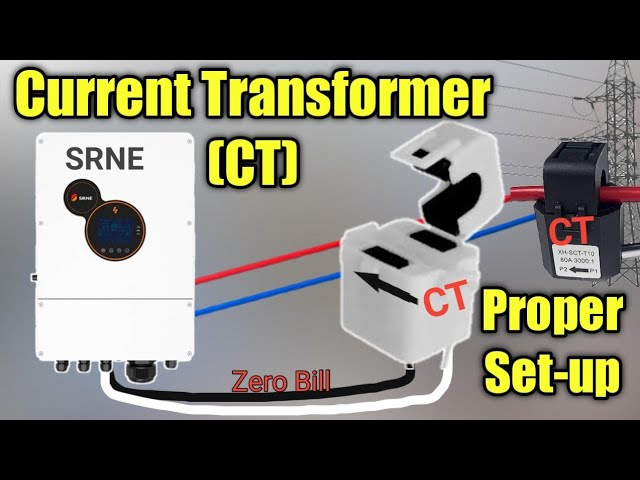
Figure 4.Correct installation diagram of CT current transformer
Deye SE-F16 (compact structure, high current output, higher protection rating) and RW-F16 (built-in circuit breaker, classic wall-mount installation) are both mature residential products, featuring 6000+ cycle life and over 90% round-trip efficiency. However, installation professionalism is highly required: it must be performed by professional personnel, strictly following the manual’s specified torque standards, operating temperature range (charging 0-55℃), and communication specifications. Most installation faults stem from non-standard operations — cable selection not meeting requirements, chaotic power-on sequence, or failure to perform balancing before paralleling. Practical Recommendations:
Energy storage technology, as described in BBC reports, is moving from professional scenarios to ordinary households. However, to truly achieve household energy independence, standardized operation during the installation phase is often more important than the product itself. When encountering faults, first consult the Deye official fault reference table or contact official technical support. After proper debugging, this battery series can operate stably for more than 10 years, becoming a reliable green energy backup unit for the home.
←
Choosing a Battery for the SG05LP1 Series
→
Deye SE-F Series Low-Voltage Batteries: What Changes Across the Range - and What It Means for Upgrades
+31610999937
[email protected]
De Werf 11, 2544 EH The Hague, The Nederland.
WhatsApp: +1 (917) 257 2995/Copyright © 2023 Uni Z International B.V. VAT: NL864303440B01 All Rights Reserved
Solar Energy Storage System Solutions and Products