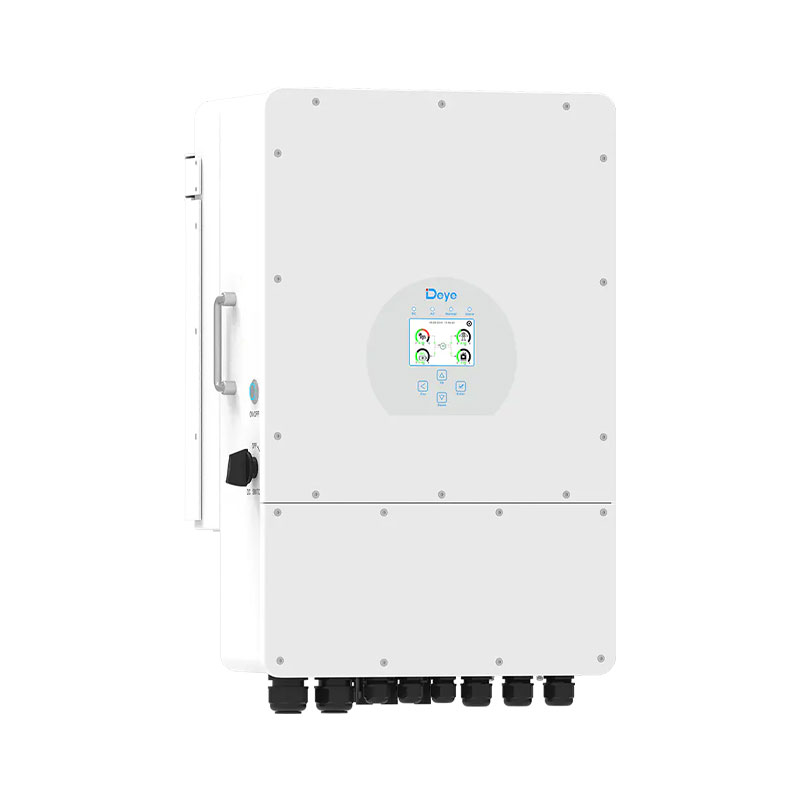
Sorting the SG05LP1 Suffixes: a practical guide to Deye’s EU, EU‑SM2, EU‑SM2‑P and EU‑AM2‑P single‑phase hybrid inverters
Mar 06,2026Technical Compatibility and Application Guide for Three-Phase Energy Storage Systems
Mar 06,2026Local Power Plan 2026 UK: Practical Solar Procurement Guide
Mar 06,2026Your Inverter’s Smart Features – Are You Using Them Right?
Mar 03,2026SG06LP3 vs SG05LP3: What Actually Changed in Deye’s Latest Low-Voltage Three-Phase Hybrid Inverters
Mar 02,2026Sorting the SG05LP1 Suffixes: a practical guide to Deye’s EU, EU‑SM2, EU‑SM2‑P and EU‑AM2‑P single‑phase hybrid inverters
Why four similar model names can lead to four very different stringing rules — and how to specify the right one.
Published: March 2026


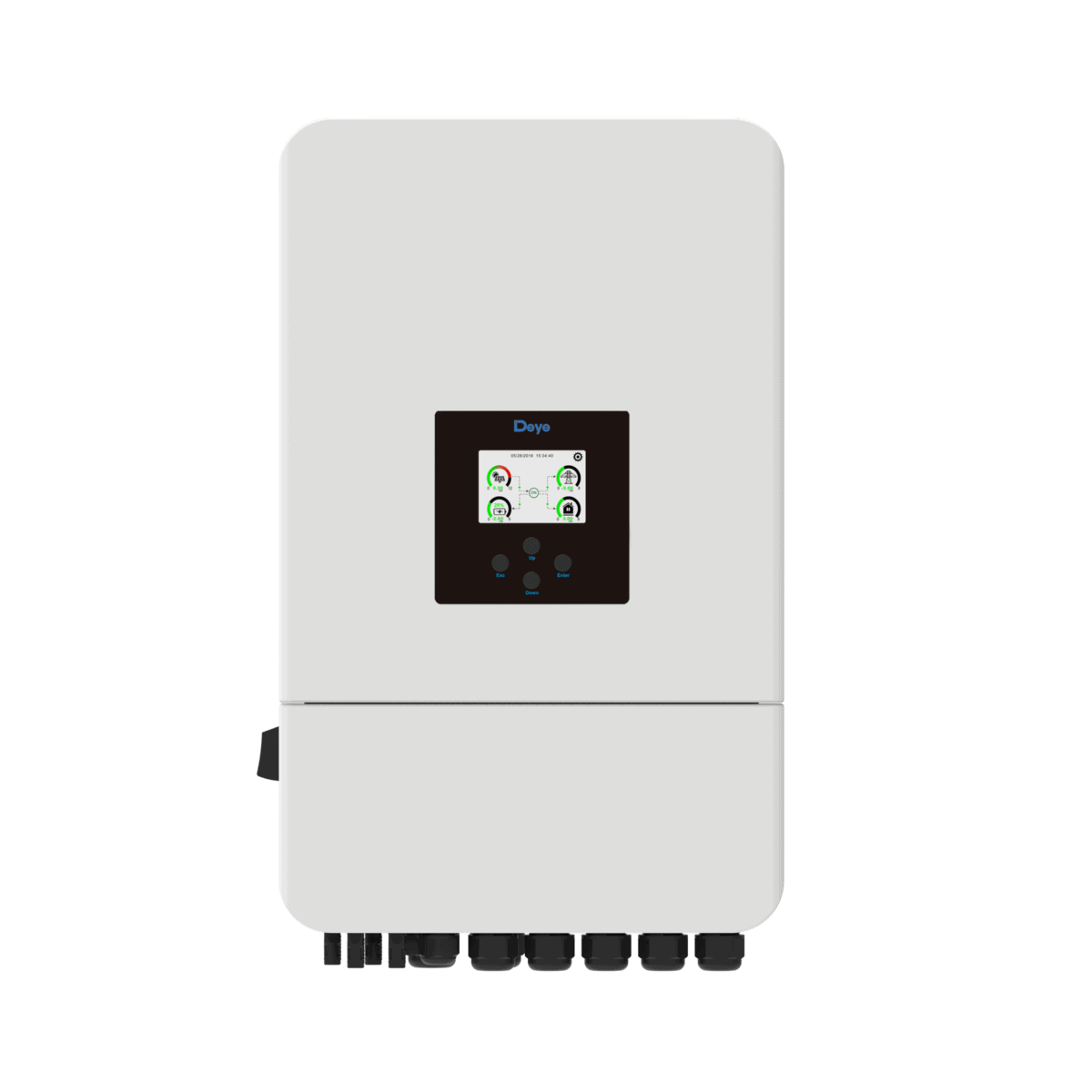
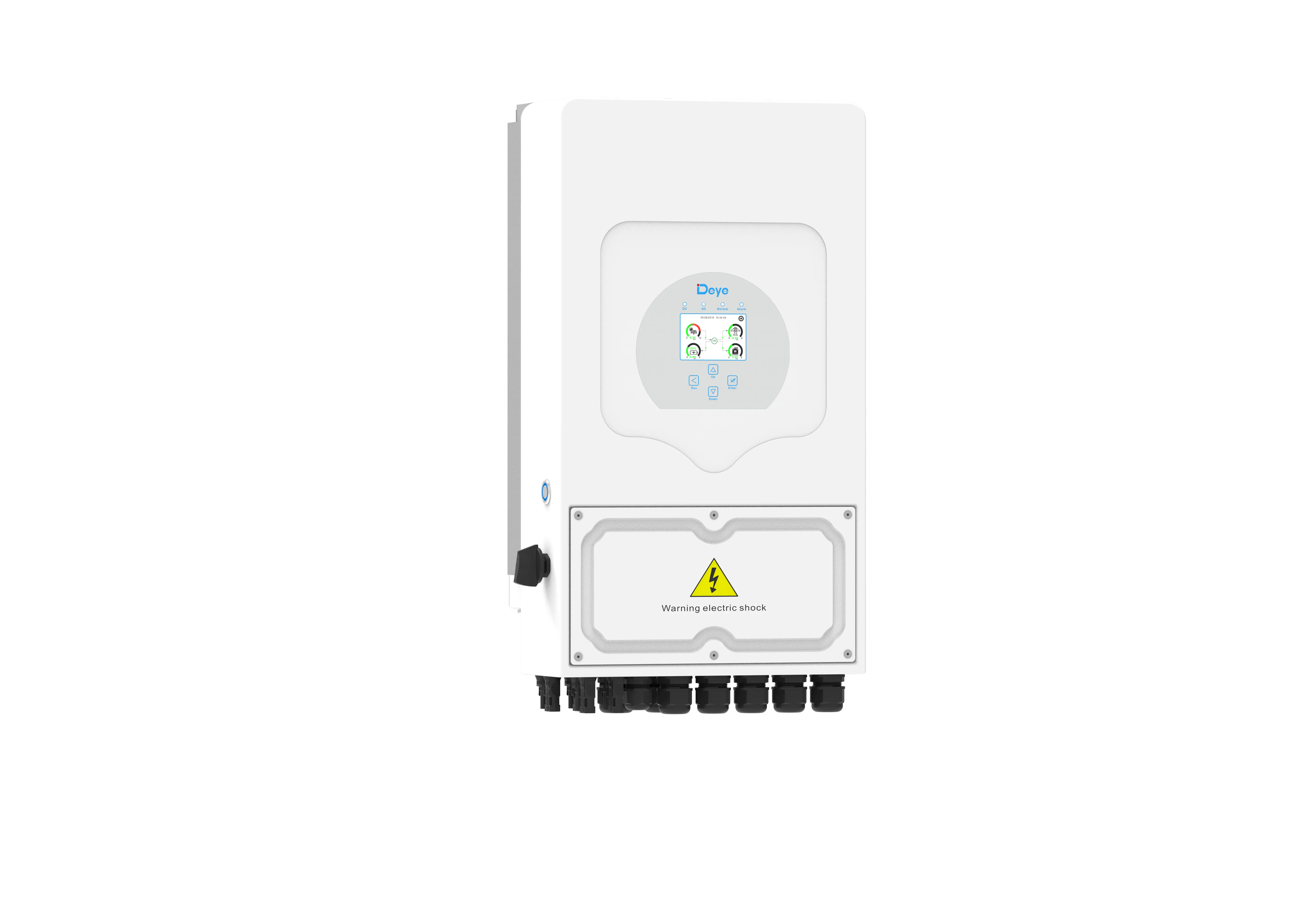
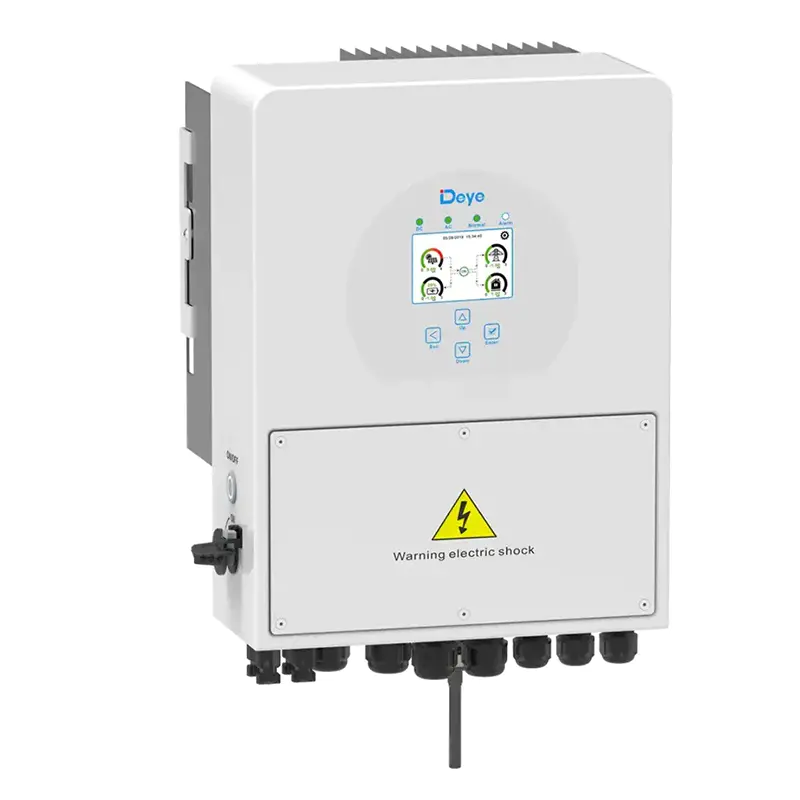
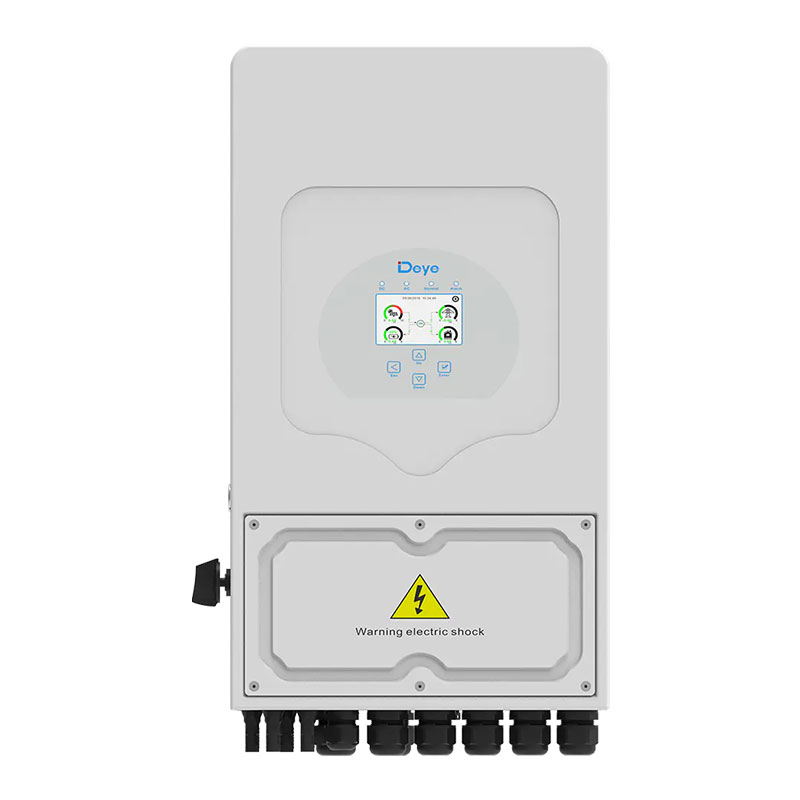
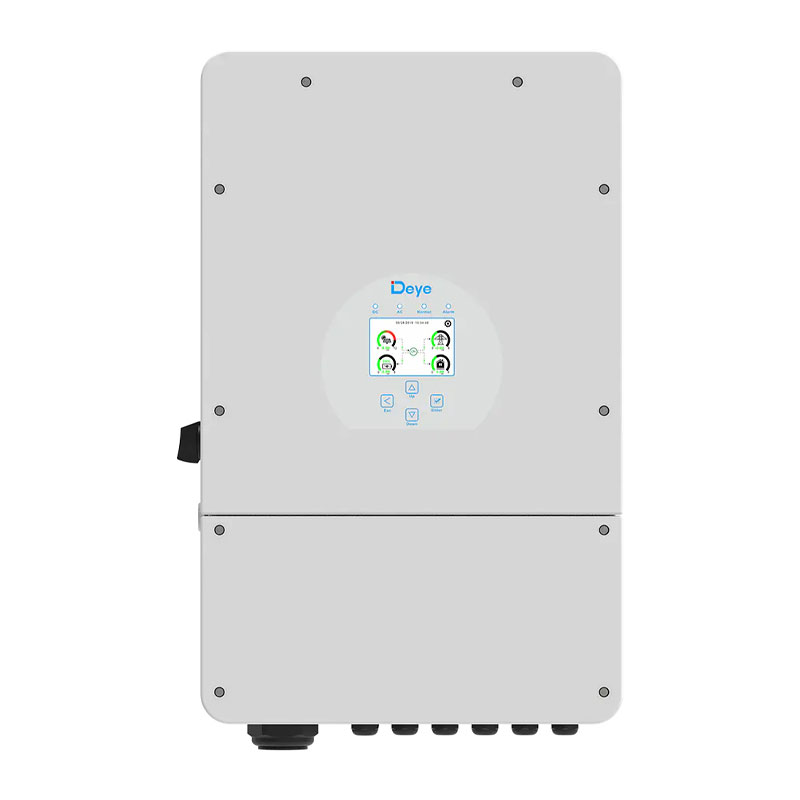
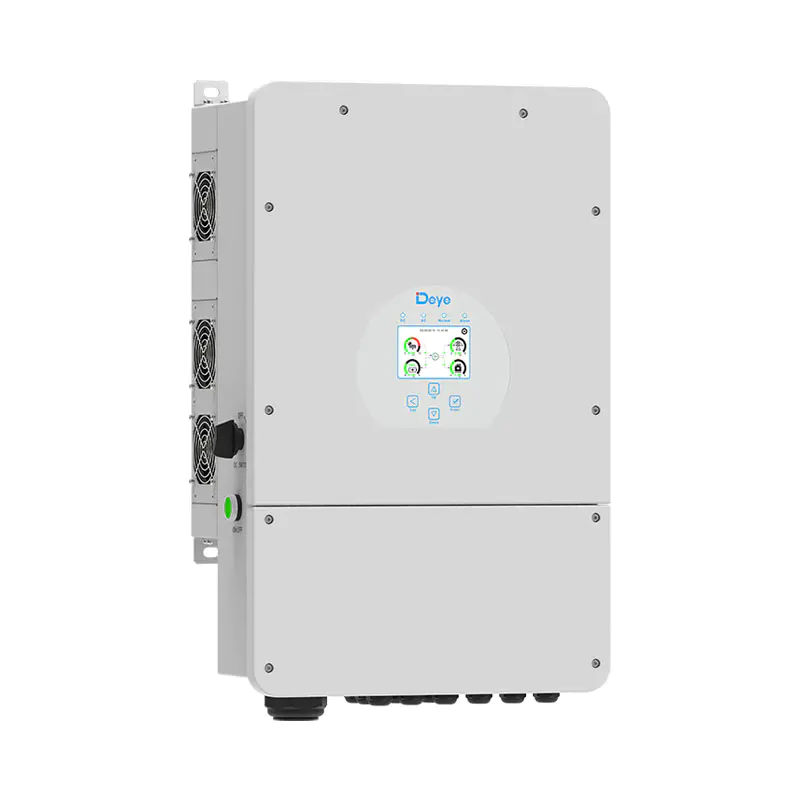
Deye’s SUN‑SG05LP1 platform has become a familiar sight in European residential storage projects: a single‑phase hybrid inverter designed for low‑voltage batteries (40–60 V), AC‑coupling retrofits, and multi‑unit parallel systems. In the last two years, however, the naming has multiplied. Alongside the broadly‑labelled “EU” version, distributors and installers now encounter suffixes such as EU‑SM2, EU‑SM2‑P and EU‑AM2‑P. They look interchangeable — until a PV designer starts counting strings, or an installer discovers that the MPPT current limit is not what the quotation assumed.
This explainer sets out what changes (and what does not) between the four most commonly confused variants. The aim is not to sell one version over another, but to reduce avoidable errors in procurement and system design.
Across the four variants covered here, the underlying application is similar: residential and small commercial storage, with optional generator support, six programmable charge/discharge windows and the option to run up to 16 inverters in parallel (grid‑tied and off‑grid). The datasheets also align on core battery parameters: lead‑acid or lithium‑ion chemistry, 40–60 V battery voltage range, and BMS‑adaptive charging.
In practice, the suffix is most likely to affect three design questions:
The headline: if you are pairing these inverters with today’s higher‑current PV modules, the MPPT current limit and the permitted number of strings per tracker are the first lines to check — not the power rating on the carton.
|
Variant |
Power range (kW) |
Max charge/ discharge current |
PV strings / MPPT |
Max PV current (A) |
Practical note |
|
EU‑SM2 |
3.6–8 |
Up to 190 A |
2 MPPT; 1+1 or 2+2 strings |
18+18 (1+1), 26+26 (2+2); Isc 27+27 / 34+34 |
Mid‑generation variant: higher current than legacy “EU” when using 1 string per MPPT, but no 10 kW model. |
|
EU |
3.6–10 |
Up to 210 A (10 kW); up to 190 A on smaller models |
2 MPPT; 1+1 or 2+2 strings |
13+13 (1+1), 26+26 (2+2); Isc 17+17 / 34+34 |
Broadly available baseline. Check PV current limits carefully if you plan single‑string MPPT design with high‑current modules. |
|
EU‑SM2‑P |
3.6–10 |
Up to 210 A |
2 MPPT; 1+1 or 2+2 strings |
18+18 (1+1), 32+32 (2+2); Isc 27+27 / 48+48 |
Higher‑current PV input envelope, particularly in 2‑string‑per‑MPPT configurations. |
|
EU‑AM2‑P |
3.6–10 |
Up to 210 A |
2 MPPT; 1+1 or 2+2 strings |
18+18 (1+1), 32+32 (2+2); Isc 27+27 / 48+48 |
Electrical specifications in the latest datasheets match EU‑SM2‑P; differences may be regional documentation, packaging or BOM. |
Note: values are taken from manufacturer datasheets cited in the References section. “18+18” denotes the total maximum operating current across MPPT1 + MPPT2 as presented in those documents; “Isc” refers to maximum short‑circuit current.
Why does a change from 13 A to 18 A — or from 26 A to 32 A — matter? In most residential designs, it changes what you can safely connect without derating or nuisance trips. Modern PV modules can exceed 13 A of operating current and can push short‑circuit current higher still. A variant capped at 13 A per MPPT in a single‑string configuration may force designers to either select different modules, parallel strings in a different way, or accept clipping under high irradiance conditions.
The “2+2” configuration is where the step to 32 A becomes particularly relevant. If a site needs two strings per MPPT to meet roof geometry or DC/AC ratio targets, a higher MPPT current envelope gives more headroom for module choice. By contrast, a 26 A ceiling may constrain string pairing, especially when designers aim to standardise on one module type across multiple projects.
The second divider is whether the family includes a 10 kW unit and whether it supports 210 A charge/discharge. For many grid‑tied homes, 190 A versus 210 A will not be the deciding factor; the AC rating, local grid code and battery capability are often more important. But for systems designed around high off‑grid peaks (or rapid battery cycling), the extra headroom can matter.
Here, EU‑SM2 is the outlier: it tops out at 8 kW. If you need a 10 kW unit within the same procurement family, the choice narrows to EU, EU‑SM2‑P or EU‑AM2‑P.
Because the suffix can affect PV current limits, it is worth treating the datasheet revision as part of the specification. A practical checklist when requesting quotations:
If your project is sensitive to PV current limits, treat “EU‑SM2‑P” and “EU‑AM2‑P” as distinct procurement items, even if a local distributor describes them informally as ‘the same’. The latest public datasheets align closely, but field practice varies — and the label on the unit is what ultimately governs compliance.
The SG05LP1 naming maze is less about marketing and more about small electrical changes that ripple into system design. In short: EU‑SM2 is an 8 kW‑max family with improved PV current in single‑string configurations; EU is the baseline 3.6–10 kW family with lower PV current in 1+1 designs; EU‑SM2‑P and EU‑AM2‑P push the PV current ceiling higher (especially for 2+2) and include 10 kW units.
For installers, the best defence is simple: verify MPPT current limits before finalising the module and string plan, and record the datasheet revision alongside the part number in every quote.
#Deye #HybridInverter #SinglePhase #SG05LP1 #SolarInverter #HomeBattery #EnergyStorage #PVSystem #SolarInstaller #EPC #DistributedEnergy #GridTied #OffGrid #BackupPower #MPPT #PVDesign #StringSizing #LowVoltageBattery #ResidentialSolar #CAndI #EuropeSolar #EN50549 #VDEARN4105 #G98 #G99 #SolarIndustry #RenewableEnergy #CleanEnergy
←
No previous article
→
Technical Compatibility and Application Guide for Three-Phase Energy Storage Systems
+31610999937
[email protected]
De Werf 11, 2544 EH The Hague, The Nederland.
WhatsApp: +1 (917) 257 2995/Copyright © 2023 Uni Z International B.V. VAT: NL864303440B01 All Rights Reserved
Solar Energy Storage System Solutions and Products