Sorting the SG05LP1 Suffixes: a practical guide to Deye’s EU, EU‑SM2, EU‑SM2‑P and EU‑AM2‑P single‑phase hybrid inverters
Mar 06,2026Technical Compatibility and Application Guide for Three-Phase Energy Storage Systems
Mar 06,2026Local Power Plan 2026 UK: Practical Solar Procurement Guide
Mar 06,2026Your Inverter’s Smart Features – Are You Using Them Right?
Mar 03,2026SG06LP3 vs SG05LP3: What Actually Changed in Deye’s Latest Low-Voltage Three-Phase Hybrid Inverters
Mar 02,2026 

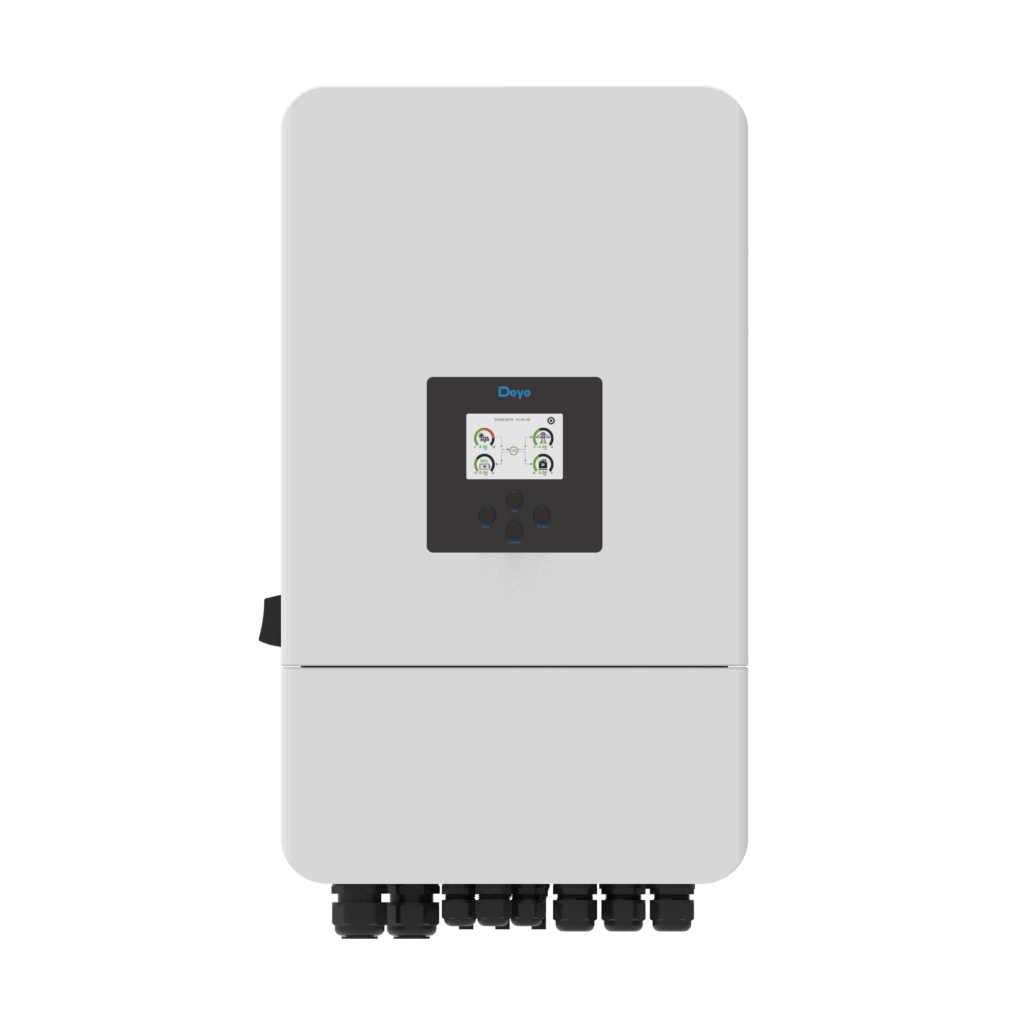
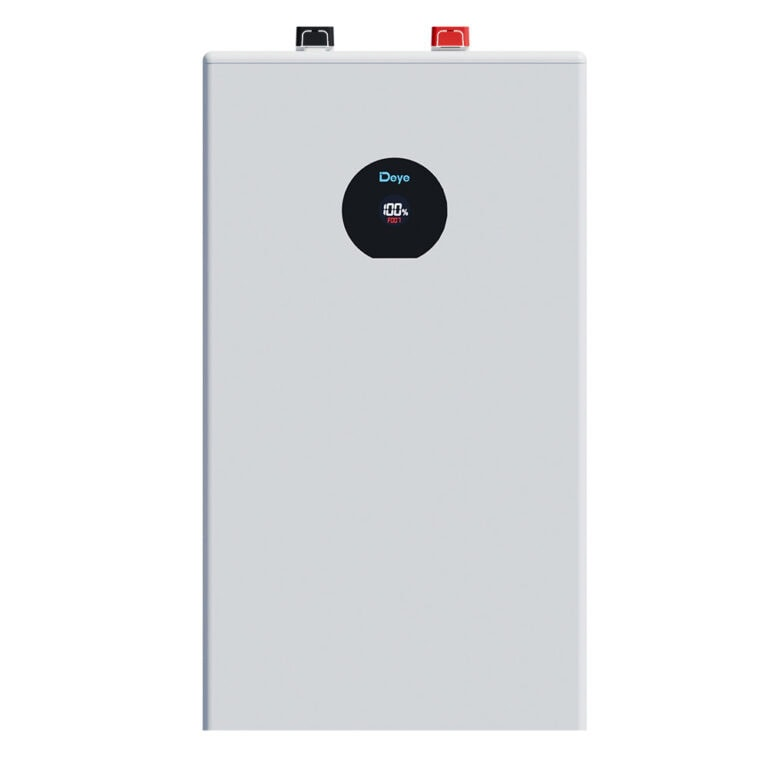
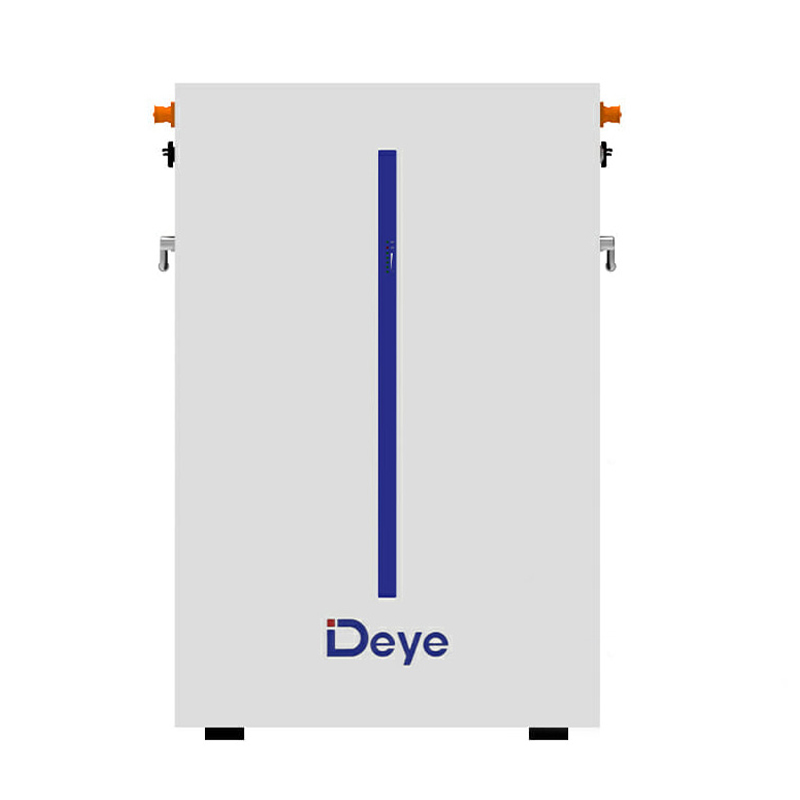
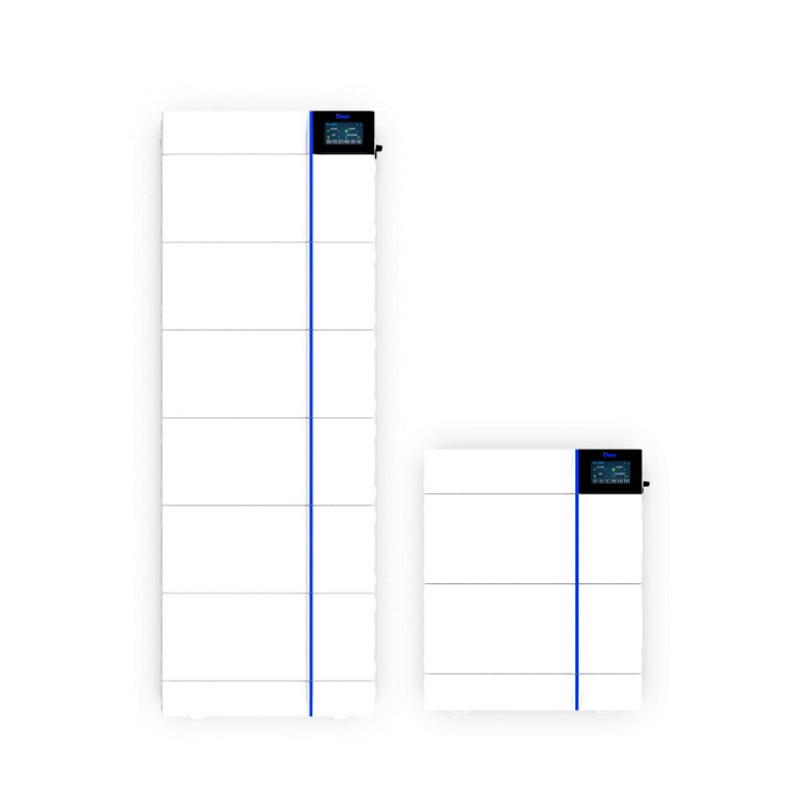
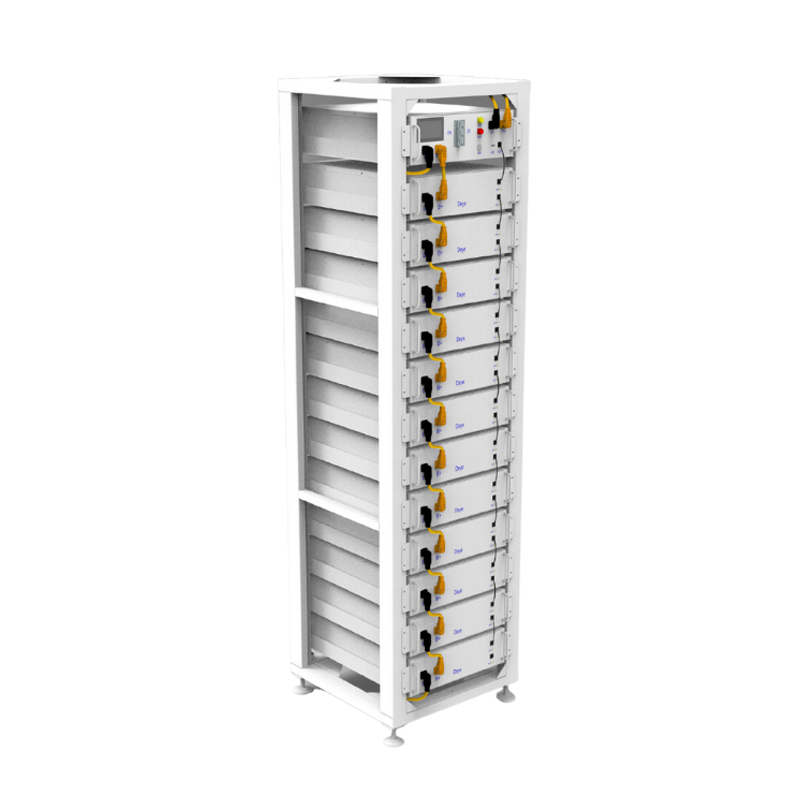
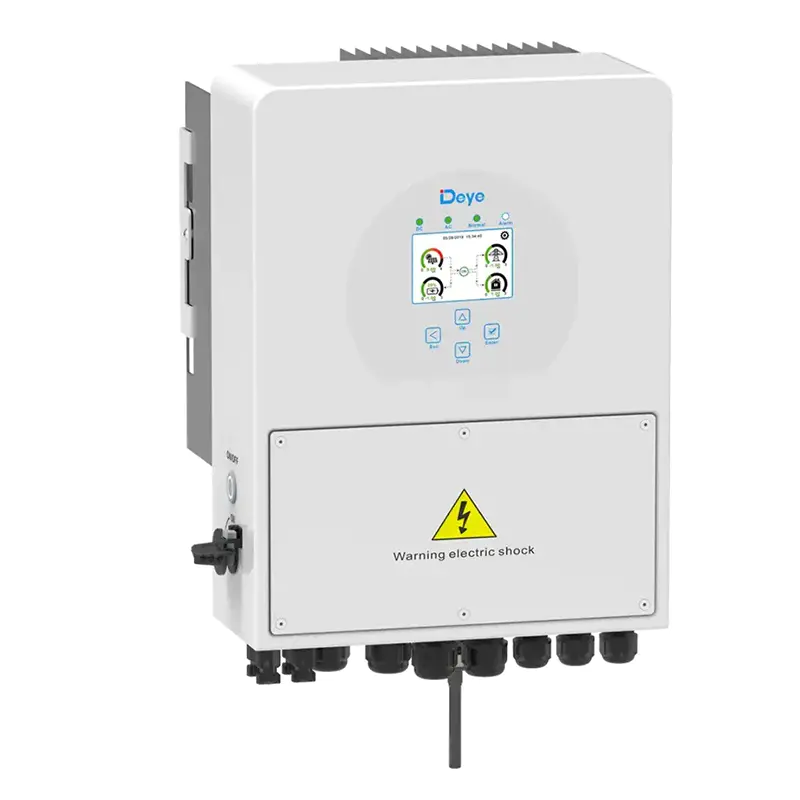
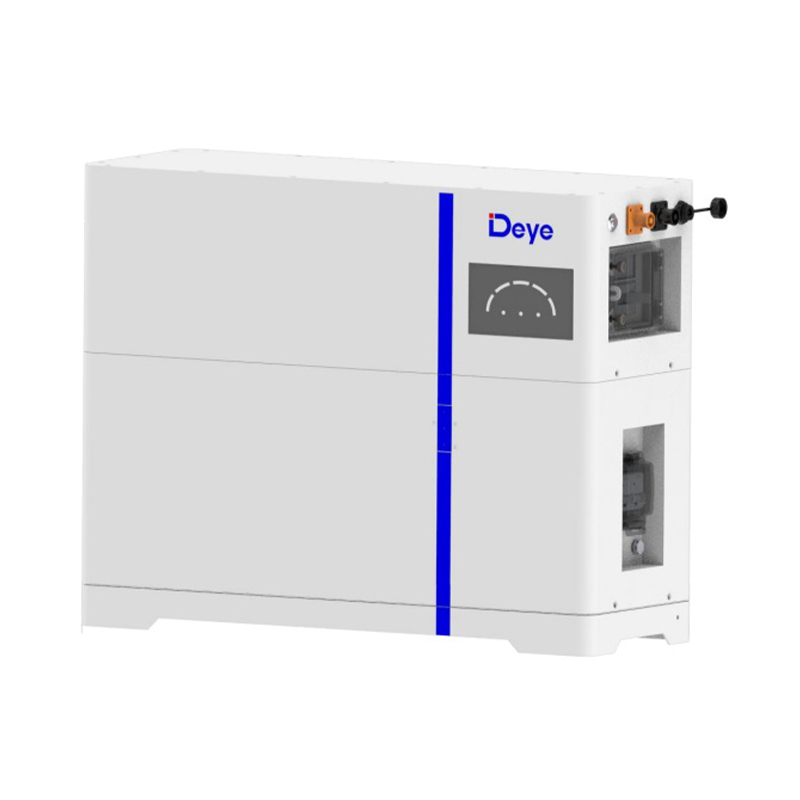
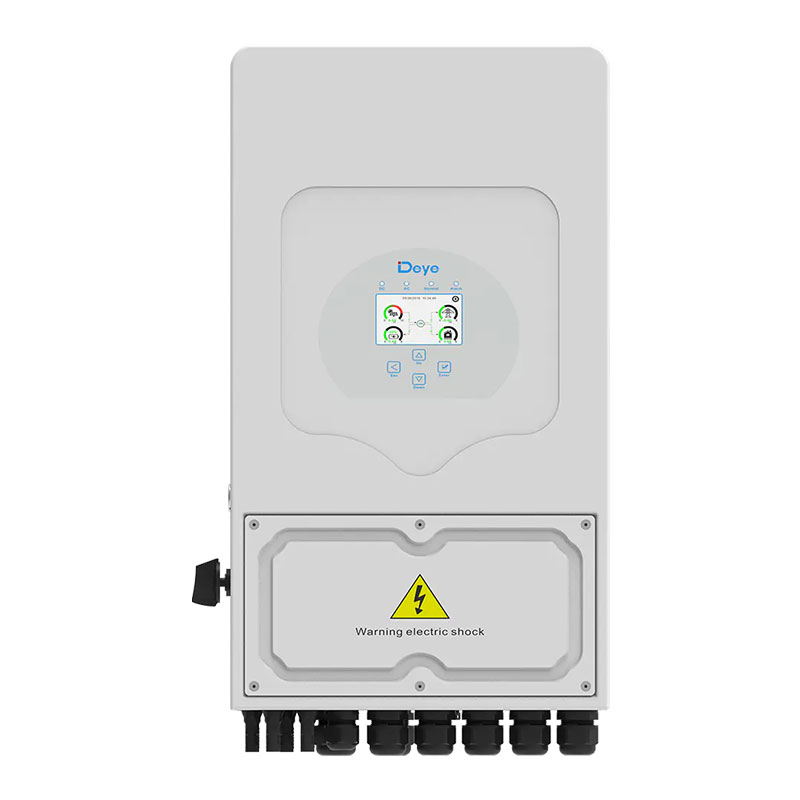
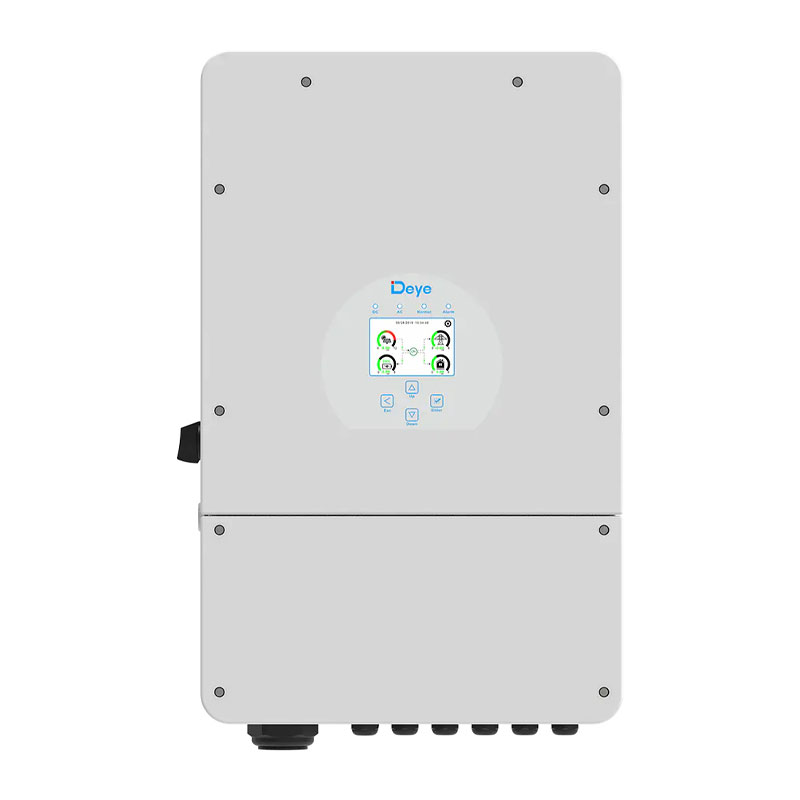
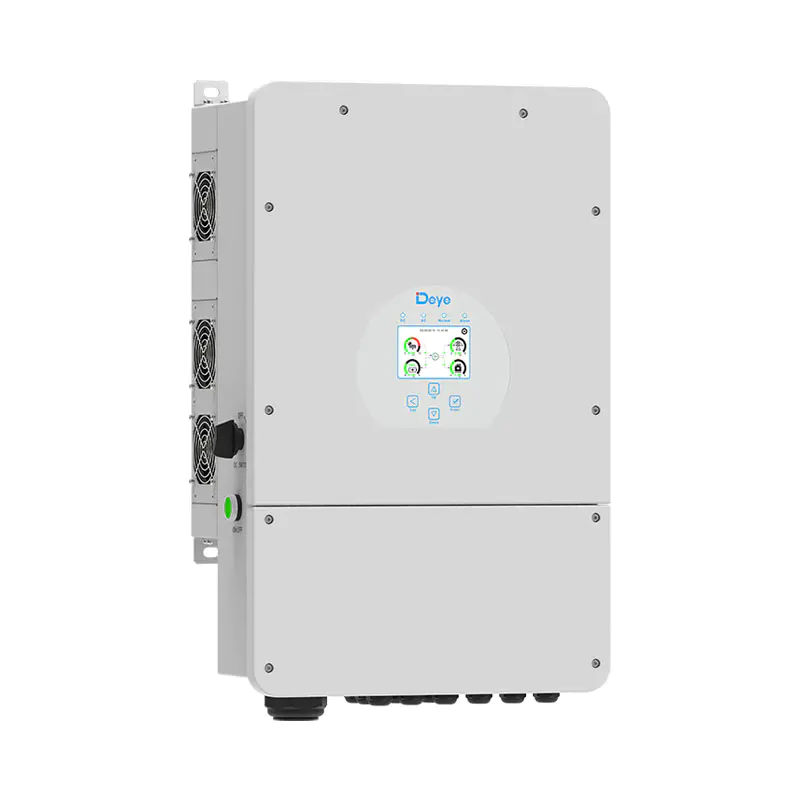
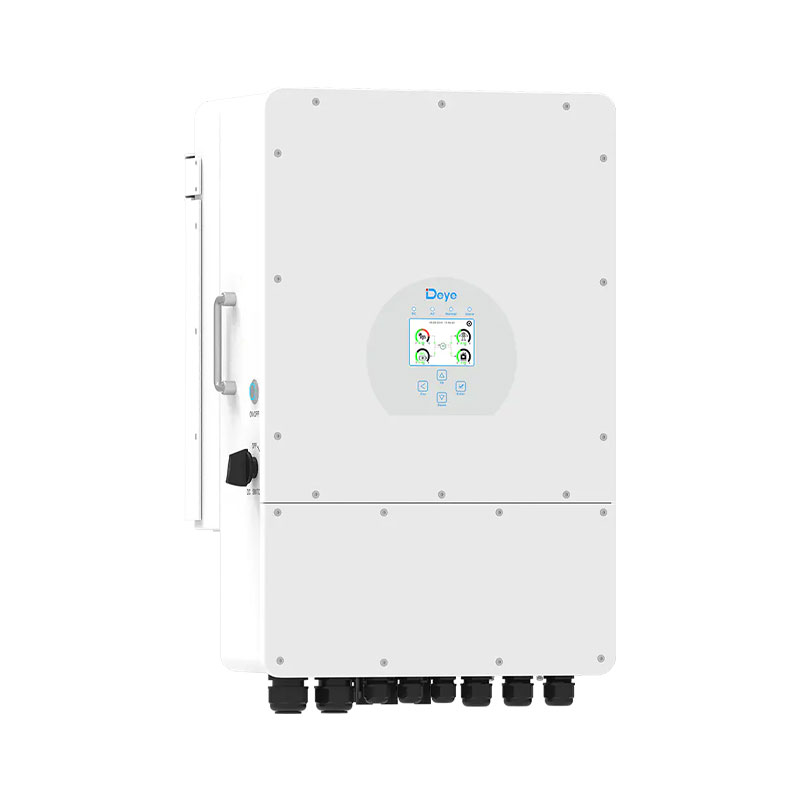
The combination of Deye SE-F16-C 16kWh low-voltage lithium iron phosphate energy storage battery and SG05LP3 three-phase hybrid inverter stands as a classic solution for medium and high-power residential/light commercial PV energy storage projects ranging from 3kW to 12kW. Both products belong to the 48V low-voltage system, featuring seamless hardware compatibility, high software synergy, and compliance with European three-phase grid codes. They are especially suitable for PV energy storage scenarios with high power, heavy load, and high-temperature complex working conditions. This guide elaborates on the technical highlights and practical operation guidelines of this combination from four core dimensions: fundamental compatibility logic, technical parameter matching, key installation and commissioning points, and scenario application advantages.
Both the SE-F16-C and SG05LP3 are part of Deye’s 48V-class low-voltage energy storage product line tailored for the European market, achieving in-depth hardware and software compatibility from the design level without the need for additional gateways or adapters. This makes it a highly reliable choice for high-power three-phase projects, with the following core compatibility features:
Unified voltage system: The SE-F16-C has a rated voltage of 48V DC, and the SG05LP3 is a 48V low-voltage three-phase inverter. Their charging and discharging voltage ranges are fully matched with no boost/buck power loss.
Direct CANBus communication: The two devices communicate directly via the CANBus bus with a communication delay of less than 50ms, enabling real-time synergy of charging and discharging logic. The BMS (Battery Management System) and the inverter main control transmit status data to each other, achieving dual protection against overvoltage, overcurrent, and overheating.
Flexible power matching: The SG05LP3 covers the full power range of 3kW to 12kW. A single SE-F16-C 16kWh unit is suitable for the 3kW-8kW power range, while multiple SE-F16-C units in parallel (up to 4 units, 64kWh) can be matched with 10kW-12kW high-power SG05LP3 inverters to meet different load requirements.
Unified certification and compliance: Both products have passed core European certifications such as CE and VDE, complying with grid codes of various European countries, and can be directly applied to three-phase PV energy storage projects in Germany, Spain, Portugal and other European nations.
2.1 Core Parameter Comparison Table
|
Product Model |
SE-F16-C Energy Storage Battery |
SG05LP3 Three-Phase Hybrid Inverter |
Core Compatibility Highlights |
|
Rated Voltage |
48V DC |
48V DC (Low-Voltage Three-Phase) |
Unified voltage system, no voltage drop during charging/discharging |
|
Rated Capacity |
320Ah (16kWh) |
3/5/8/10/12kW optional |
Single unit for 3-8kW, parallel units for 10-12kW |
|
Max Charging Current |
≤80A |
≤100A (Full Range) |
Redundant design of inverter charging current to meet fast charging needs of the battery |
|
Max Discharging Current |
≤80A |
≤120A (Full Range) |
Supports full-power battery discharge for high-load scenarios |
|
Operating Temperature |
-20℃~+55℃ |
-25℃~+60℃ |
Wide temperature range matching, stable synergy under high-temperature conditions |
|
Protection Functions |
Overvoltage/ undervoltage/ overcurrent/ overtemperature/cell balancing |
Overvoltage/ undervoltage/ overcurrent/ anti-islanding/ low voltage ride through |
Dual protection, interlocked shutdown in case of faults |
|
Communication Interfaces |
CANBus |
CANBus/RS485 |
Direct connection without gateways, simplified wiring |
2.2 Recommended Capacity and Power Matching
Accurately match battery and inverter power according to project load and PV installed capacity to avoid efficiency loss caused by over-matching or under-matching:
3kW-5kW SG05LP3: Matched with 1 SE-F16-C unit (16kWh), meeting basic electricity demand of 8-12kWh per day, suitable for small-scale three-phase residential projects.
6kW-8kW SG05LP3: Matched with 1-2 SE-F16-C units (16-32kWh), meeting medium load of 15-25kWh per day, suitable for large residences and small shops.
10kW-12kW SG05LP3: Matched with 3-4 SE-F16-C units (48-64kWh), meeting high load of more than 30kWh per day, suitable for light commercial projects and shared projects for multiple residences.
3.1 Critical Hardware Installation Requirements
(1) Physical Installation and Layout
Spacing requirement: The distance between the inverter and the battery shall be ≤8m to reduce DC line power loss; both devices shall be installed in a ventilated and dry place with a clearance of ≥30cm from the wall. The SG05LP3 adopts fan cooling, so the air inlet and outlet must be unobstructed.
Battery installation: A single SE-F16-C unit weighs 109kg and can be installed wall-mounted, floor-standing or stacked. For high-power projects, floor installation with a reinforced base is recommended. When multiple units are connected in parallel, they shall be aligned strictly and fixed with original connectors to prevent tipping.
Wiring specifications: The DC connection cable between the battery and the inverter shall use 70mm² copper core cable (matching the maximum current of 80A), protected by a corrugated pipe with good waterproof sealing; the three-phase AC side shall use cables matching the inverter power (25mm² for 10kW and above), and a lightning arrester (rated discharge current ≥20kA) shall be installed.
(2) Wiring and Grounding
CANBus wiring: Use original shielded CAN cables with positive and negative poles connected correctly. Avoid laying them in the same pipe with AC cables to prevent signal interference.
Grounding requirement: The battery shell, inverter shell and the system shall share a common ground with a grounding resistance ≤4Ω. For high-power projects, an independent grounding electrode shall be installed to avoid electric leakage accidents.
Protection devices: A DC circuit breaker (rated current ≥100A) shall be installed on the DC side, and a three-phase circuit breaker on the AC side to realize quick disconnection in case of faults.
3.2 Core Software Commissioning Parameter Settings
(1) Battery Charging and Discharging Parameters (Adapted to SG05LP3 Firmware Logic)
Charging cut-off SOC: Set to 95% (to avoid overcharging and extend battery cycle life, adjustable precisely via the panel/APP on the SG05LP3).
Discharging cut-off SOC: Set to 20% (to prevent deep discharge; lithium iron phosphate batteries are prohibited from discharging below 15%).
PV charging current: Limited to 80A (matching the maximum charging current of the SE-F16-C to avoid overcurrent charging by the inverter).
Grid/generator charging: Set to "time-of-use electricity price mode" for charging in off-peak periods and discharging in peak periods. The SG05LP3 supports custom peak and off-peak time periods, adapting to electricity price policies of various European countries.
(2) Inverter Core Parameters (Adapted to Battery Operation)
Off-grid output parameters: Voltage 230V AC±2%, frequency 50Hz±0.1Hz, coordinated with battery discharge voltage to ensure stable power supply for loads.
Anti-islanding protection: Active anti-islanding enabled with a detection time of less than 0.1s, complying with the European EN50549 standard to avoid inverter islanding operation in case of grid faults.
Power limitation: Set the inverter charging and discharging power according to the battery capacity. For a single SE-F16-C unit, the inverter charging and discharging power shall be limited to within 8kW to prevent battery overload.
(3) Core Commissioning and Joint Test
Charging and discharging synergy test: Verify the switching logic of three charging methods (PV, grid, generator) and battery discharging to ensure no jamming or voltage fluctuation.
Fault interlock test: Simulate battery overheating/overvoltage to verify whether the inverter stops charging and discharging immediately; simulate inverter faults to verify whether the battery BMS cuts off the output immediately.
Off-grid switching test: Manually disconnect the grid to verify that the SG05LP3 switches to off-grid mode in less than 10ms, with seamless battery power supply and no power outage for loads.
The combination of SG05LP3 (full power range fan cooling) and SE-F16-C (wide temperature range and high capacity) has significant advantages over other combinations in complex scenarios such as high power, high temperature, weak grid and heavy load, especially suitable for southern Europe (Spain, Italy), island areas (Canary Islands, Azores) and other regions in Europe:
4.1 Strong Adaptability to High-Temperature Working Conditions
All SG05LP3 models adopt temperature-controlled variable-speed external fans with high heat dissipation efficiency and no power derating under high-temperature conditions; the SE-F16-C uses liquid cooling for its cells and can operate stably at a high temperature of +55℃. The combination can adapt to the high-temperature weather in southern Europe in summer.
Compared with natural cooling inverters, this combination features more stable temperature control and no risk of shutdown protection during continuous high-power output (e.g., 10-12kW full load).
4.2 High Cost-Effectiveness for High-Power Three-Phase Projects
The SG05LP3 is a mature platform of Deye’s 3-12kW low-voltage three-phase inverters with a high market share, easy procurement of spare parts, familiar operation for technicians, and low later maintenance costs.
The SE-F16-C supports tool-free parallel expansion; for high-power projects, the capacity can be increased by adding batteries without replacing the inverter, reducing project expansion costs.
4.3 Adaptability to Weak Grid/Unstable Grid Scenarios
The SG05LP3 has a wide grid voltage input range and can operate stably when the grid voltage fluctuates by ±15%, suitable for rural and island areas with weak grids in Europe.
The battery and inverter work together to smooth grid voltage fluctuations; when the grid voltage is too low/too high, it automatically switches to battery power supply to ensure stable operation of loads.
4.4 Adaptability to Light Commercial/Heavy Load Scenarios
The combination of 10-12kW SG05LP3 and 4 SE-F16-C units (64kWh) can meet the high electricity demand of more than 30kWh per day for small shops and offices, with a self-consumption rate of over 90%.
The SG05LP3 supports seamless generator connection; when PV power is insufficient and the battery level is low, the generator can be started automatically for charging, suitable for commercial scenarios without grid or with unstable grid power supply.
As combinations of Deye’s 48V low-voltage system, the core differences between SG05LP3+SE-F16-C and SG06LP3+SE-F16-C lie in power coverage and scenario adaptation, and the optimal option can be selected according to project requirements:
|
Combination Type |
SG05LP3 + SE-F16-C |
SG06LP3 + SE-F16-C |
|
Power Coverage |
3-12kW (including 10-12kW high power) |
3-8kW (only mainstream residential power range) |
|
Heat Dissipation Method |
Fan cooling for full power range |
Natural cooling for 6kW and below, single fan for 8kW |
|
Core Advantages |
High power, continuous operation at high temperature, mature platform |
Low noise, fewer moving parts, compliance with German EnWG §14a |
|
Adapted Scenarios |
10-12kW high-power projects, high-temperature working conditions, light commercial projects, parallel expansion of multiple units |
3-8kW residential projects, indoor installation, German compliance projects, noise-sensitive scenarios |
|
Battery Matching |
Single/multiple units in parallel (max. 4 units) |
Mainly single/2 units |
The Deye SE-F16-C + SG05LP3 combination is a high-reliability solution for European 3-12kW low-voltage three-phase PV energy storage projects, with its core value reflected in the following aspects:
Deep compatibility of the same platform: 48V low-voltage system + direct CANBus connection, no compatibility issues, simple installation and commissioning. 2 technicians can complete the installation and commissioning of high-power projects in 1-2 days.
Strong adaptability to complex working conditions: Fan cooling + wide temperature range design, adaptable to high temperature, weak grid, heavy load and other scenarios, meeting the project requirements of different regions in Europe.
Outstanding cost-effectiveness and scalability: The mature platform features low maintenance costs; the battery supports tool-free parallel connection, and the project can be expanded on demand without overall equipment replacement.
Integrated compliance and safety: Both products have passed core European certifications, with interlocked dual protection functions and quick shutdown in case of faults to ensure system and personal safety.
With the characteristics of mature technology, flexible adaptation and high reliability, this combination has become a mainstream choice for medium and high-power residential/light commercial PV energy storage projects in Europe, especially suitable for scenarios with high requirements for power, stability and scalability.
Keywords
#DEYESE-F16-C #DEYESG05LP3 #Three-phase photovoltaic energy storage #Low-voltage energy storage system #Photovoltaic inverter technology #European photovoltaic project
←
Sorting the SG05LP1 Suffixes: a practical guide to Deye’s EU, EU‑SM2, EU‑SM2‑P and EU‑AM2‑P single‑phase hybrid inverters
→
Local Power Plan 2026 UK: Practical Solar Procurement Guide
+31610999937
[email protected]
De Werf 11, 2544 EH The Hague, The Nederland.
WhatsApp: +1 (917) 257 2995/Copyright © 2023 Uni Z International B.V. VAT: NL864303440B01 All Rights Reserved
Solar Energy Storage System Solutions and Products