Batería para paneles solares: cómo elegir tipo, capacidad y tensión sin errores
Nov 23,2026Batteries for Off-Grid Solar: A Practical Sizing, Safety and Selection Guide
Nov 20,2026House Backup Battery Guide: Sizing, Costs, and Smart Installation Choices
Nov 14,2026SE-F A Series Battery Safety: BMS, Active Fusing and Thermal Insulation
Nov 09,2026Are solar panels reliable: Applications, Selection Criteria, and Practical Guidance
Nov 05,2026Content
If you are planning an off-grid solar system, the battery bank is the part that decides whether evenings feel normal or fragile. It is not a box you choose after the panels; it shapes how much power you can store, how long a cloudy spell feels, and which inverter will work happily with the rest of the system. As a supplier working with installers and project teams, we prefer to start with real loads and real nights, not a headline capacity. The right answer is usually a balance of usable energy, voltage, chemistry, space, and service access. This guide walks through that balance in plain terms.
An off-grid battery does more than provide backup power. On a grid-tied system, the grid absorbs shortfalls. Off-grid, the battery bank is the grid. It has to accept whatever solar is available, hold energy through the night, deliver stable voltage to loads, and stay within the inverter and battery management system limits during surge events such as a pump or compressor starting. It also has to do this for years, through heat, cold, and imperfect charging.
A practical off-grid bank needs to:
Before comparing batteries for off-grid solar, write down daily energy use in kilowatt-hours, not just watts. A watt is a rate; a kilowatt-hour is a quantity. Add the appliances you truly need, then decide how many days of autonomy you want. Two days is a common starting point for a home, while a cabin might accept one day plus a generator. Usable battery capacity is not nameplate capacity: lithium is often rated around 80 to 90 percent depth of discharge, while lead-acid is much less. Inverter efficiency and cold temperature also take a bite.
A simple planning formula is: nominal battery kWh = daily kWh × autonomy days ÷ usable depth of discharge ÷ inverter efficiency.
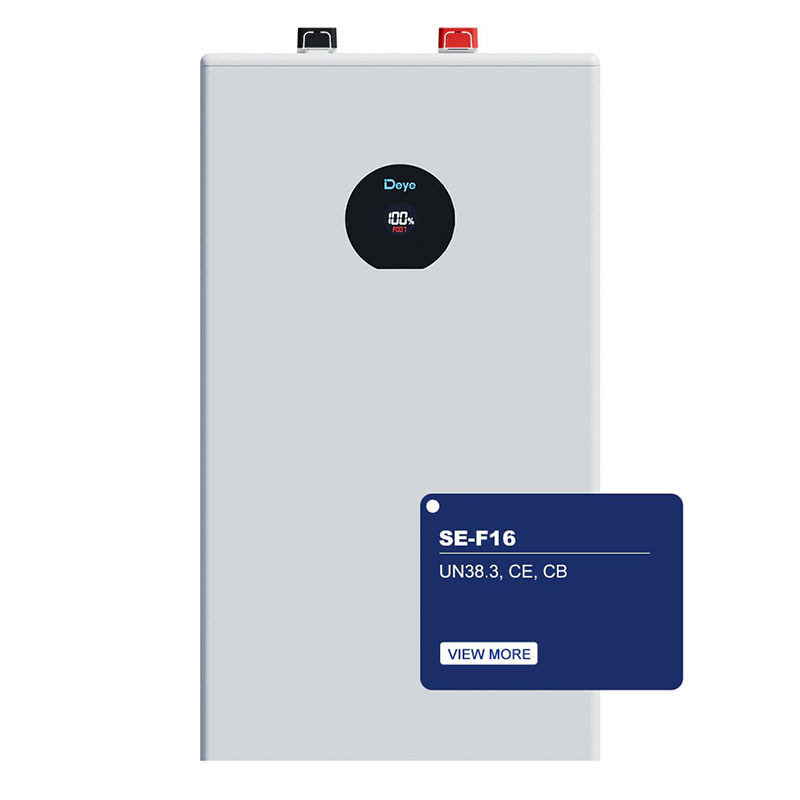
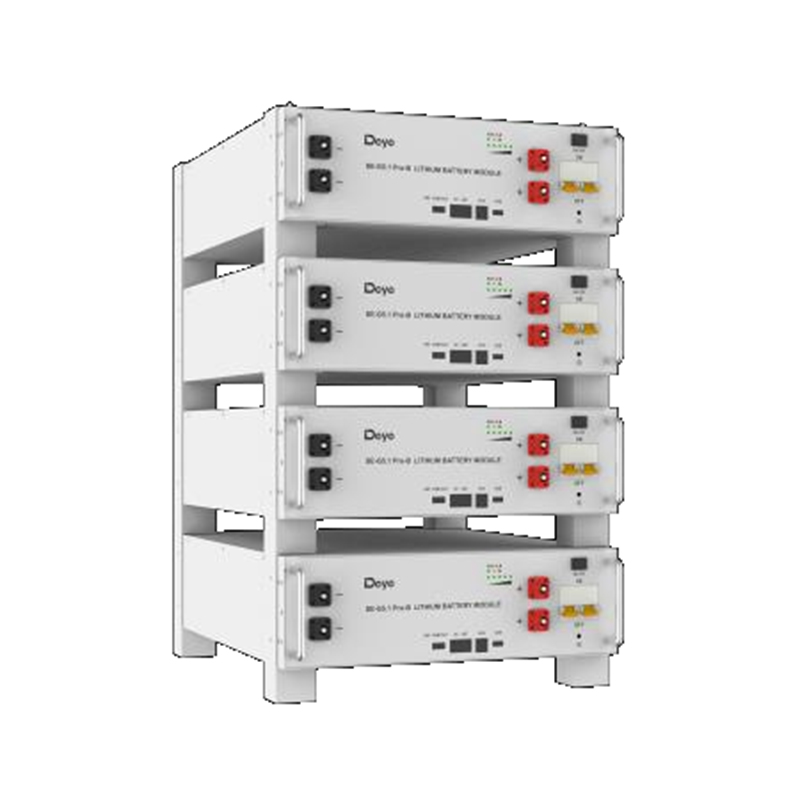
For example, 8 kWh per day, two days of autonomy, 0.8 usable depth, and 0.9 efficiency gives about 22.2 kWh of nominal bank capacity. Round up, then check peak discharge current; a bank can have enough energy but still struggle with a 6 kW surge. If your first-stage target lands near 15 to 16 kWh, a modular low-voltage battery can be a sensible starting block while you confirm the inverter limits and future expansion plan.
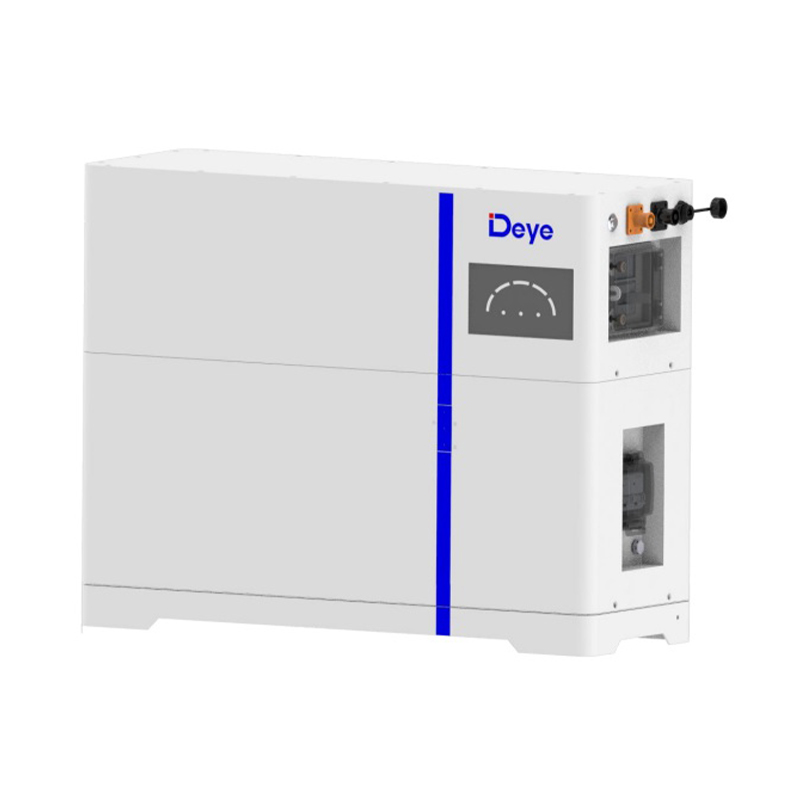
Deye SE-F16 16 kWh Low-Voltage LiFePO₄ BatteryA 16 kWh low-voltage LiFePO₄ battery that can serve as a modular starting block, with parallel expansion and BMS monitoring for residential or light commercial storage.View Product →
A smaller battery can be expanded later only if the inverter, cabling, and rack space were planned for it. Adding capacity after the fact is much easier than rebuilding the room around it.
Off-grid batteries are often grouped by chemistry and voltage, but the better question is where each option fits. Lead-acid still has a place where upfront cost and local recycling matter more than maintenance-free operation. Lithium, especially lithium iron phosphate, has become popular for homes and cabins because more of its rated capacity is usable and it needs less routine attention.
| Battery approach | Where it fits | What to check |
|---|---|---|
| Flooded lead-acid | Remote sites with low upfront budget and regular maintenance | Ventilation, watering, limited usable depth of discharge, cycle life |
| AGM or gel lead-acid | Smaller cabins and occasional-use systems | Sealed maintenance, but still sensitive to deep discharge and cold |
| 48V low-voltage lithium | Cabins, homes, and off-grid inverter systems that need modular capacity | BMS limits, inverter communication, charge current, low-temperature charging |
| High-voltage lithium | Larger homes and projects built around high-voltage hybrid inverters | System architecture, service access, certified components, commissioning |
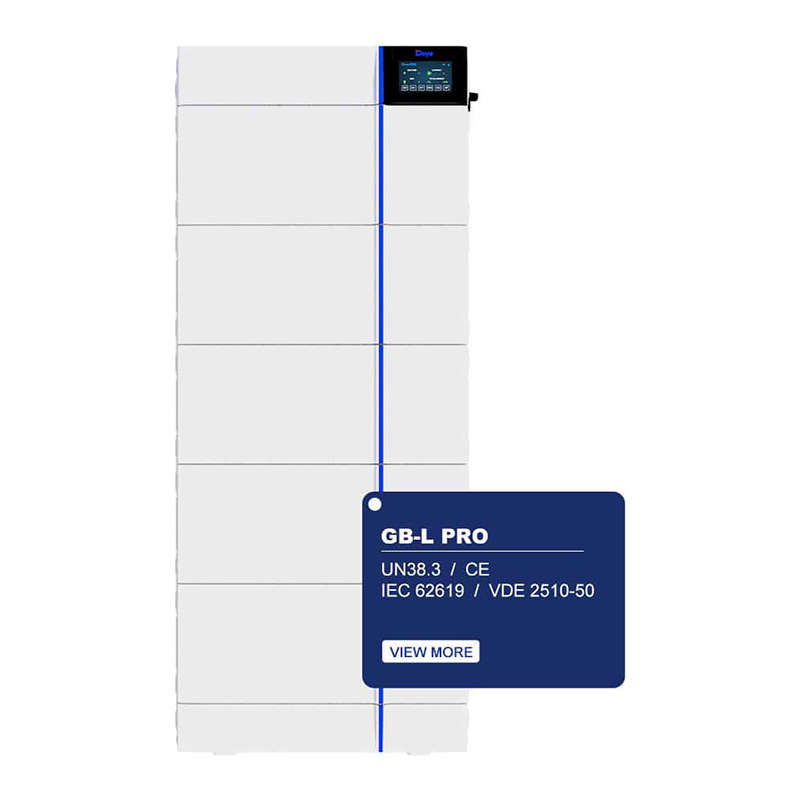
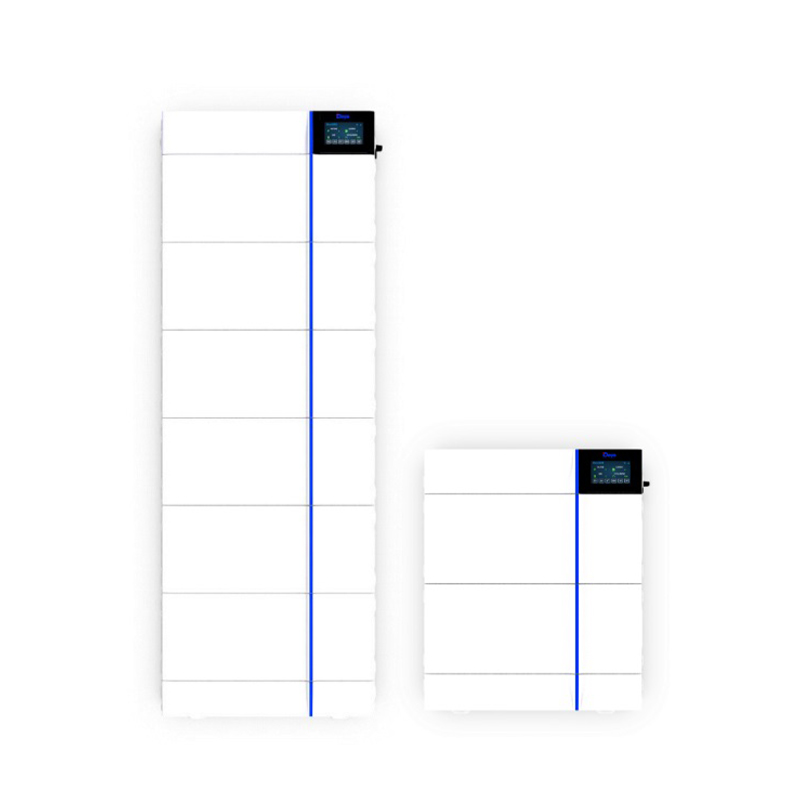
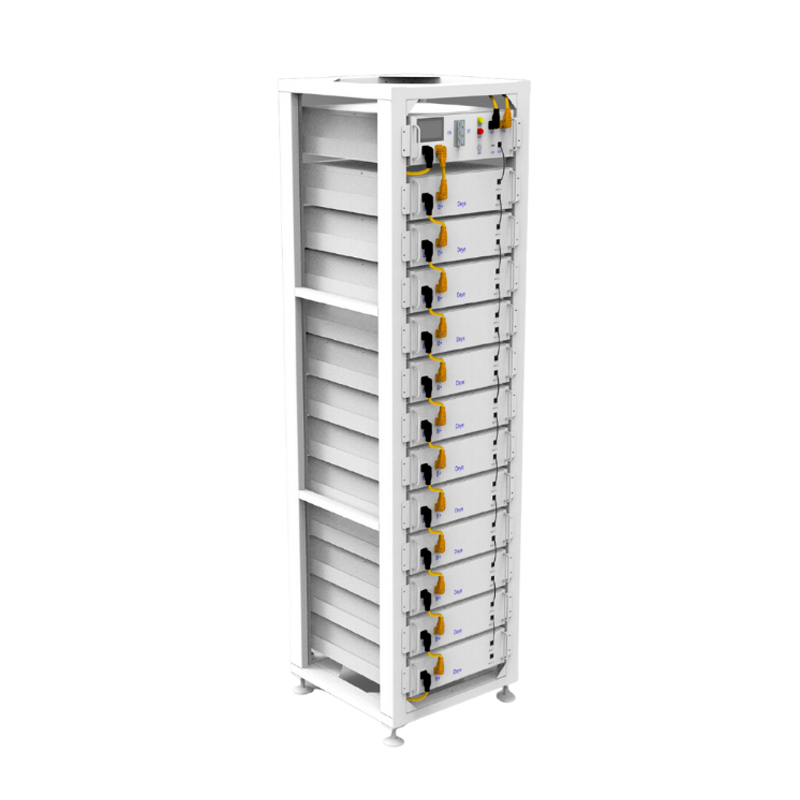
For many modern off-grid homes, 48V low-voltage lithium is a practical middle ground. It matches common off-grid inverters, is modular, and avoids the watering routine of flooded batteries. High-voltage lithium makes more sense when a project is built around a high-voltage hybrid inverter and larger continuous loads; it reduces current and cable size but demands a more complete system design. A 16 kWh high-voltage block can be a useful building block when the inverter, rack, and service access are already planned together.
Deye GB-L Pro 16 kWh High-Voltage Home BatteryA 16 kWh high-voltage LiFePO₄ home battery for larger evening loads, offering 14.4 kWh usable energy and IP65 protection.View Product →Voltage is only the first check. You also need charge and discharge current limits, compatibility with the inverter charge profile, and a plan for generator or grid charging if one is present. Closed-loop communication can be convenient, but open-loop voltage-based control is still common in off-grid systems. Either way, the battery management system must protect the cells without shutting the house down at the first high load. If you are unsure about the difference, our common off-grid questions are a good place to start.
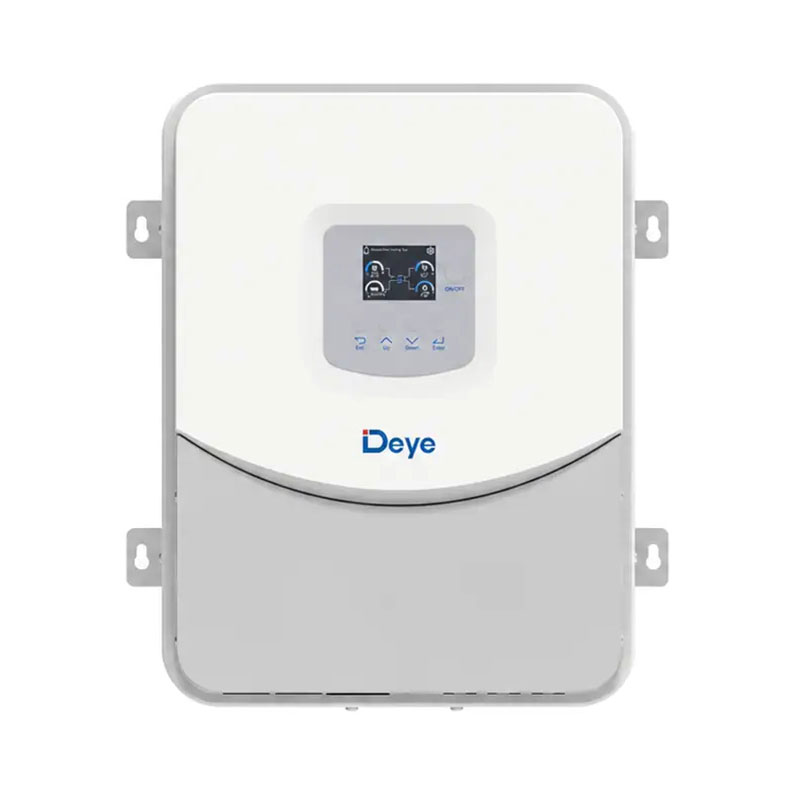
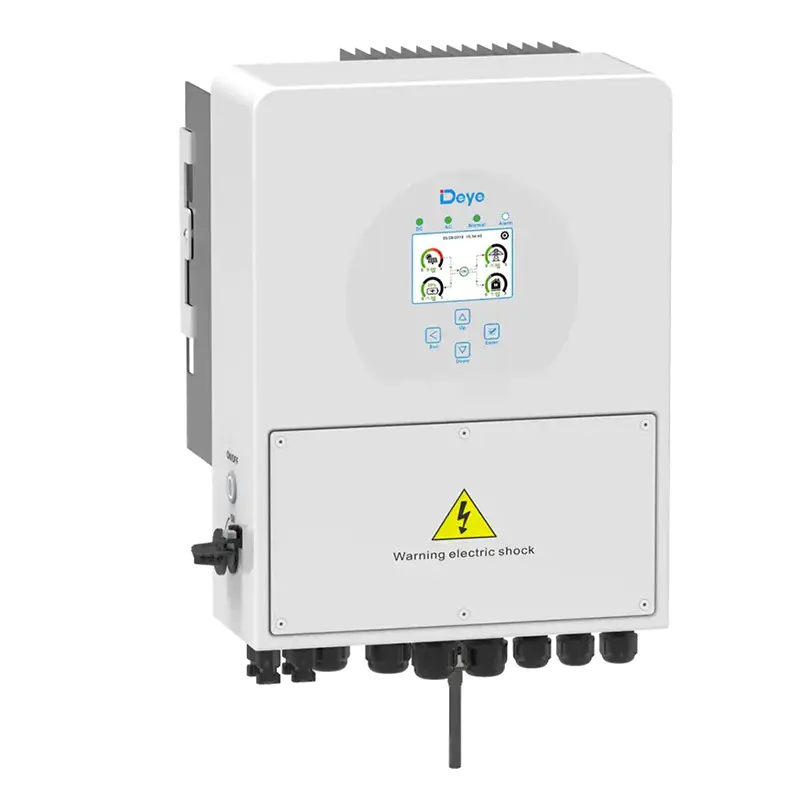
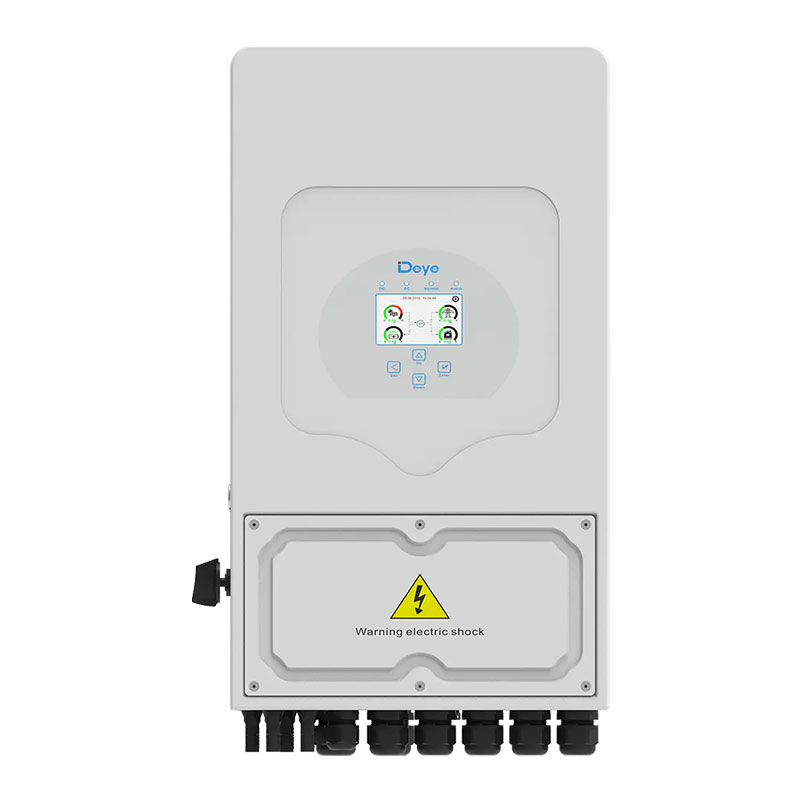
On a modest single-phase off-grid setup, a 5 kW inverter class is often enough for a cabin or small home with managed loads. Pair it with a battery bank that can deliver the surge current and accept the available charge current, not just one that matches the voltage label.
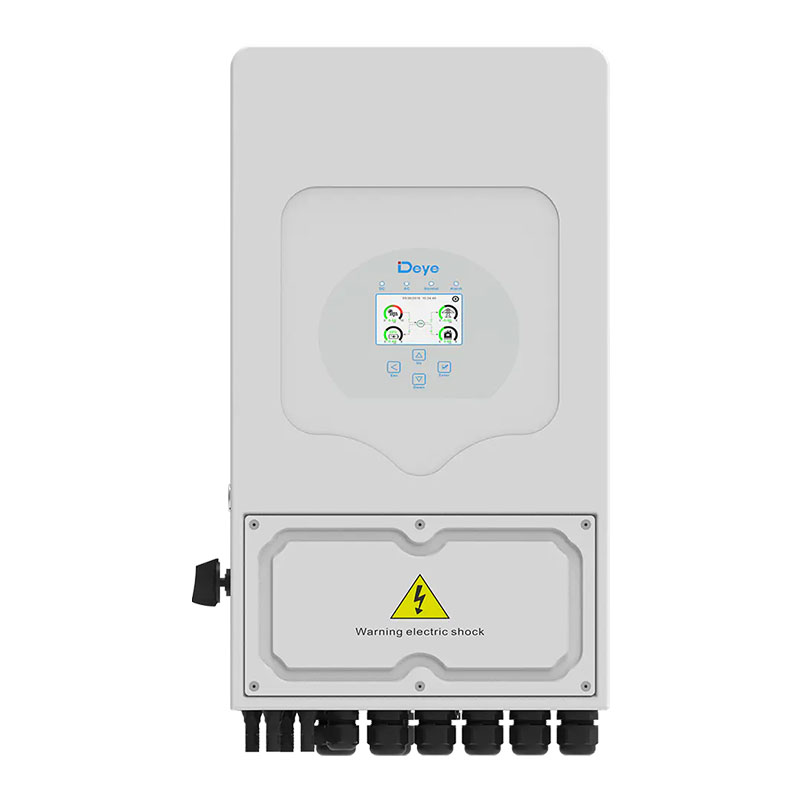
Deye 5 kW Single-Phase Off-Grid Solar InverterA 5 kW single-phase off-grid inverter for 48 V battery systems, with 10 kW PV access and high surge support for motor loads.View Product →
Remember that charge controllers and inverter chargers have their own limits. A large battery bank with too little charge current will recharge slowly; a small bank with too much photovoltaic input can be overcharged if settings are wrong. The battery, inverter, and charge source should be sized as one system.
Plan for ventilation, clearances, fire separation, fusing, disconnects, and cable sizing. Lithium batteries need to be kept within their charging temperature window; many cannot charge below freezing without heating. Lead-acid needs ventilation and spill containment. All banks need a fuse or breaker as close to the battery as practical, and cable lugs should be torqued to specification. If local code requires rapid shutdown, firefighter access, or certified equipment, design that in from the start rather than after the rack arrives.
For lithium, maintenance is mostly watching state of charge, temperature, and any fault history. For lead-acid, add watering, terminal care, and specific gravity checks if the bank is flooded. In either case, keep the bank away from chronic deep discharge and extreme heat. A battery that is regularly flattened will not deliver its rated cycle life, even if the datasheet looks impressive.
Do not rely on a single voltage reading to judge state of charge, especially under load. Use the battery management system, shunt, or inverter data, and keep a simple log of seasonal production and consumption. That log will tell you more about whether the bank is properly sized than any sales sheet.
If a supplier cannot answer these points clearly, keep asking. Off-grid systems are less forgiving than grid-tied ones, and the battery is the component most likely to expose a weak design.
Off-grid solar batteries reward a little patience. Start with the load profile, design for real nights and cloudy days, and choose a voltage and chemistry that your inverter can actually manage. If you want to talk through your load list, location, inverter model, and winter expectations, share your load profile with us. Those details matter more than a discount, and they are the fastest way to a bank that feels ordinary in the best possible way.
←
Batería para paneles solares: cómo elegir tipo, capacidad y tensión sin errores
→
House Backup Battery Guide: Sizing, Costs, and Smart Installation Choices
+31610999937
[email protected]
De Werf 11, 2544 EH The Hague, The Nederland.
WhatsApp: +852 65283075Copyright © 2023 Uni Z International B.V. VAT: NL864303440B01 All Rights Reserved
Solar Energy Storage System Solutions and Products