House Backup Battery Guide: Sizing, Costs, and Smart Installation Choices
Nov 14,2026SE-F A Series Battery Safety: BMS, Active Fusing and Thermal Insulation
Nov 09,2026Are solar panels reliable: Applications, Selection Criteria, and Practical Guidance
Nov 05,2026Are solar panel batteries worth it: Practical Applications, Selection, Performance, and
Oct 26,202612V Amp Hour Calculator: Convert Ah to Watt Hours and Estimate Runtime
Oct 23,2026Content
Few home upgrades feel as reassuring as a backup battery for house power. A well-matched system does not just keep the lights on during an outage; it can also help you use solar power more fully and manage expensive peak-hour electricity. The practical challenge is choosing a battery that fits your real loads, your existing equipment, and your plans for the future.
Our team at Uni Z spends a lot of time matching batteries, inverters, and PV kits to everyday household needs, and we have learned that the best system is rarely the biggest one. It is the one that covers the circuits you truly rely on, fits the available space, and can be serviced locally. You can learn more about how we work on our About page.
At its simplest, a house backup battery is a rechargeable energy store that works with an inverter or charger and a transfer switch. During normal operation, it charges from the grid, from solar panels, or from both. When the grid fails, the system disconnects from the utility and supplies selected circuits in your home.
Most homes do not back up every circuit. A critical-load panel is often the smarter choice because it keeps the battery focused on lights, refrigeration, internet, heating controls, and medical equipment without paying for capacity you may never use. The battery management system, or BMS, monitors cell voltage, temperature, and current to protect the pack. Good monitoring also lets you see state of charge, power flow, and fault alerts from your phone.
It helps to separate two jobs. Backup mode is about resilience during an outage. Self-consumption mode is about storing solar or cheap grid power for later use. Some systems do both well, but the sizing priorities are different. A backup-first system needs enough usable capacity and power for essential loads; a savings-first system needs to match your daily solar surplus and evening demand.
Home backup batteries are not one-size-fits-all. The main choices are:
If you already have solar, check compatibility first. If you are starting from scratch, choose a hybrid inverter and battery combination that leaves room for expansion. The cheapest battery is not a bargain if it cannot communicate with your inverter or if adding a second module later requires replacing the whole system.
Start with a list of essential loads, not with square metres. Write down the wattage of each appliance you want to keep running, estimate how many hours you need backup, and add a margin for surge loads such as a well pump, fridge compressor, or heat pump. A battery may have a 10 kWh nameplate capacity but deliver less usable energy once depth of discharge and efficiency losses are considered.
Power rating matters as much as capacity. A large battery with a modest continuous output may still struggle with a pump startup. Check both the continuous and peak power ratings, and ask whether the inverter can manage your loads simultaneously.
| Home scenario | Essential loads to plan for | Starting usable capacity | Typical backup window |
|---|---|---|---|
| Apartment or small home | Lights, router, fridge, phone charging | 3–5 kWh | 6–10 hours |
| Typical family home | Fridge, freezer, boiler controls, lights, TV, internet | 8–12 kWh | 8–16 hours |
| Larger home with pump or heat pump | Above loads plus pump, blower, selected heavy circuits | 15–20 kWh or more | 8–24 hours depending on load |
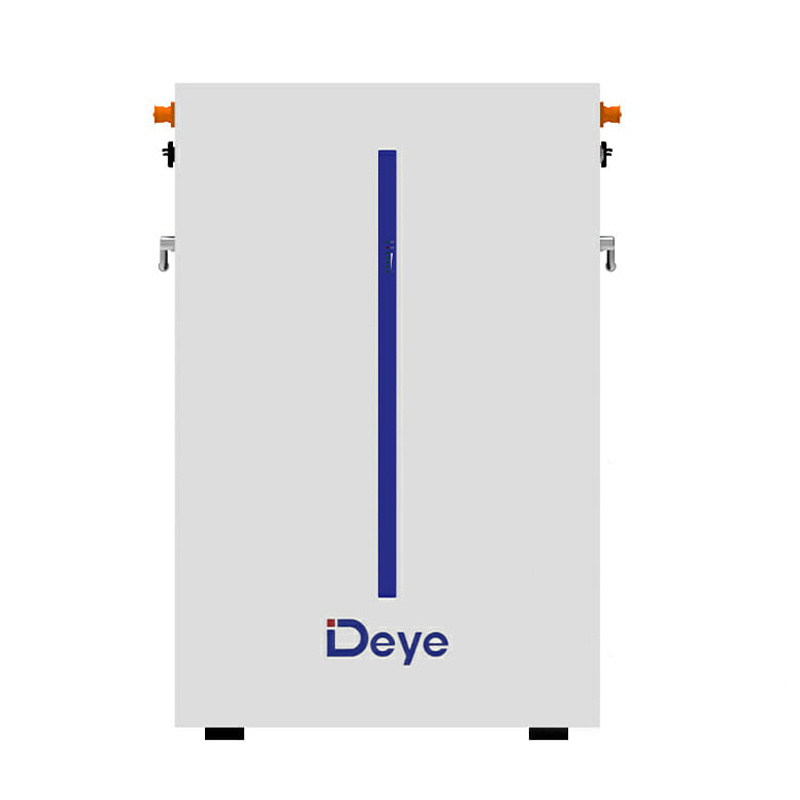
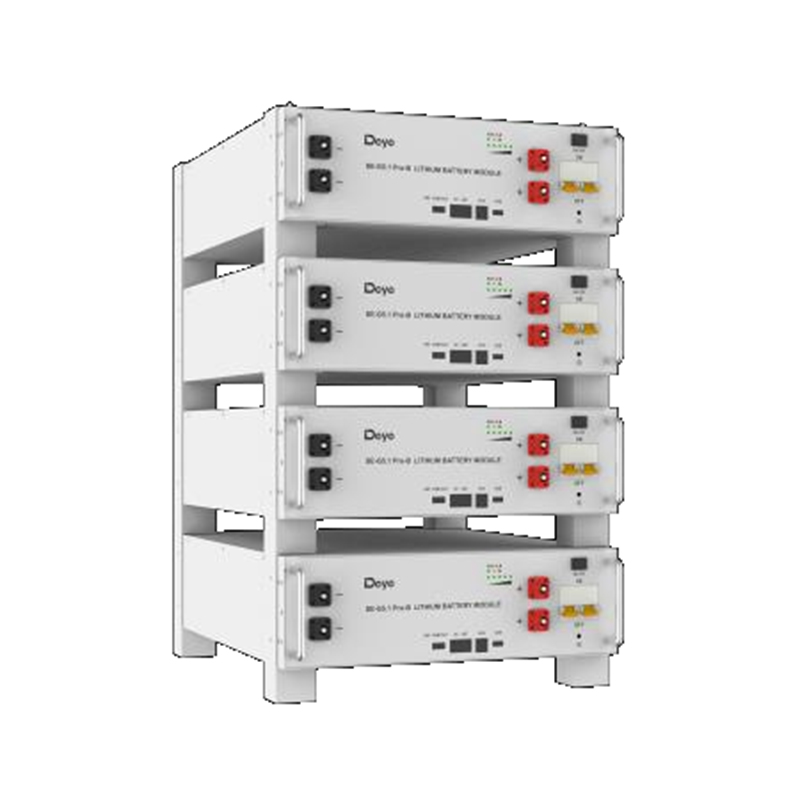
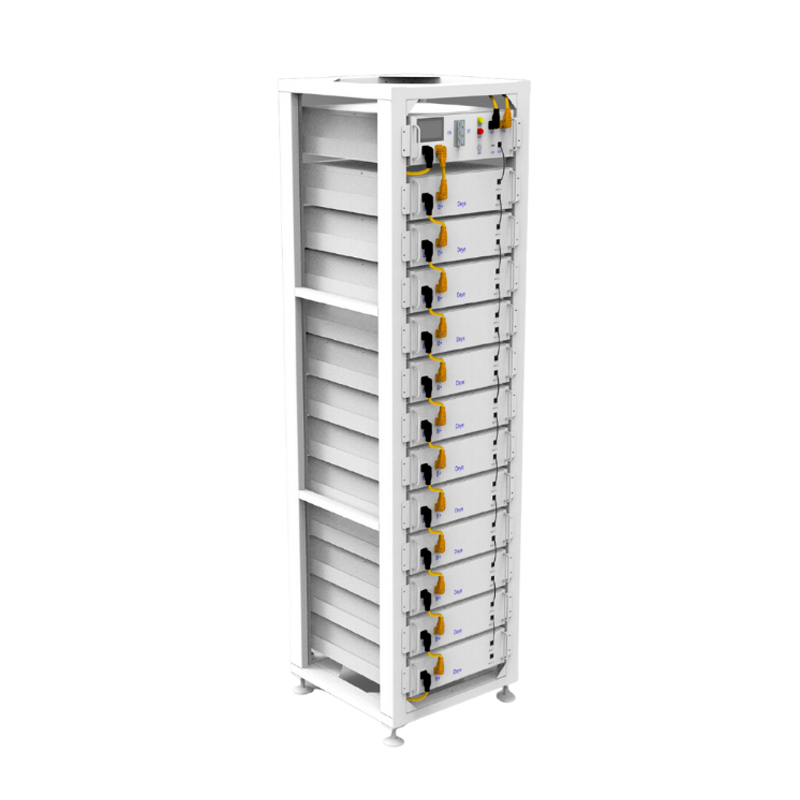
Use the table as a starting point, then refine it with an electrician or installer. If you are comparing low-voltage options, our 12 kWh LiFePO4 home battery is a useful benchmark for a family-sized backup and solar storage system.
Deye SE-F12 12 kWh Low-Voltage LiFePO4 BatteryA 12 kWh low-voltage LiFePO4 option for family backup and solar storage, with parallel expansion and 6,000+ cycles; compare output and dimensions before choosing.View Product →
Check the dimensions, continuous output, compatible inverters, and warranty terms before you commit. The right answer may be one larger battery or two smaller modules that can be added over time.
Not every home has solar, and that is fine. A backup battery can charge from the grid and provide outage protection without a single panel. This suits homeowners who want resilience first, or whose roof is shaded, rented, or unsuitable for PV. The trade-off is that the battery depends on the grid to recharge, so it cannot generate new energy during a long outage.
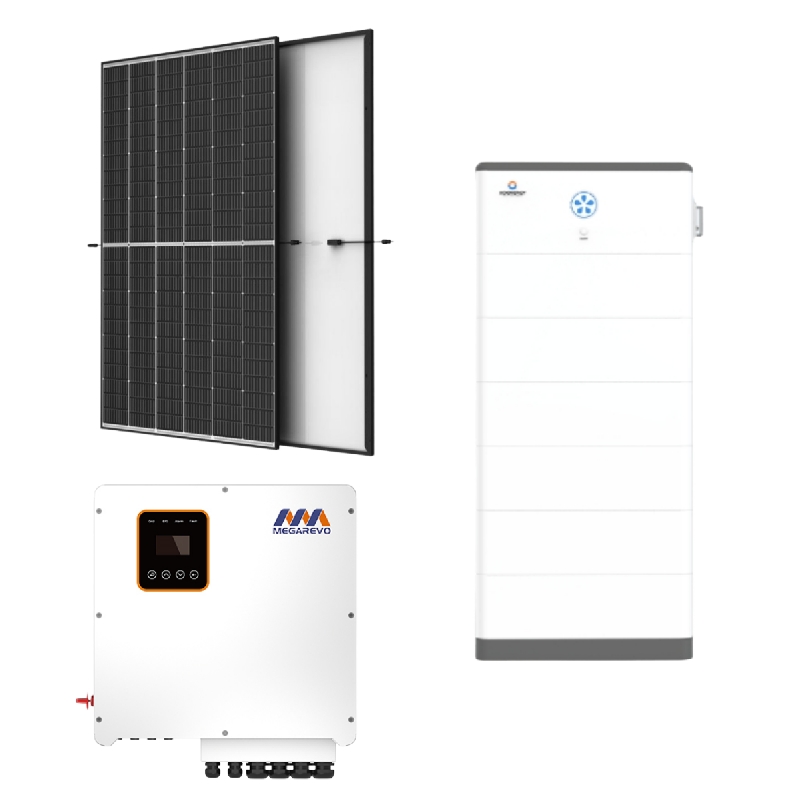
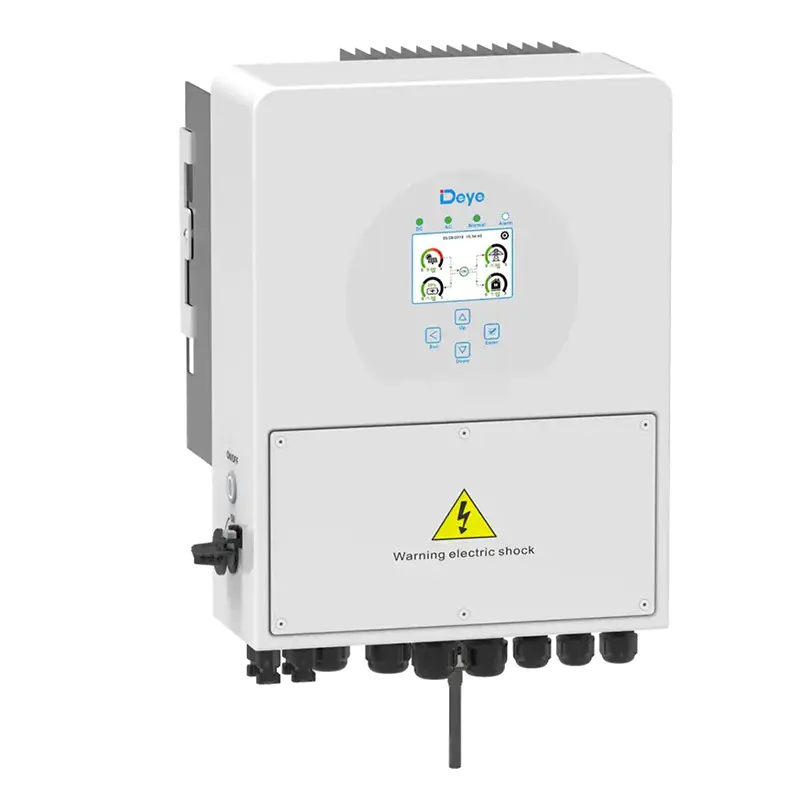
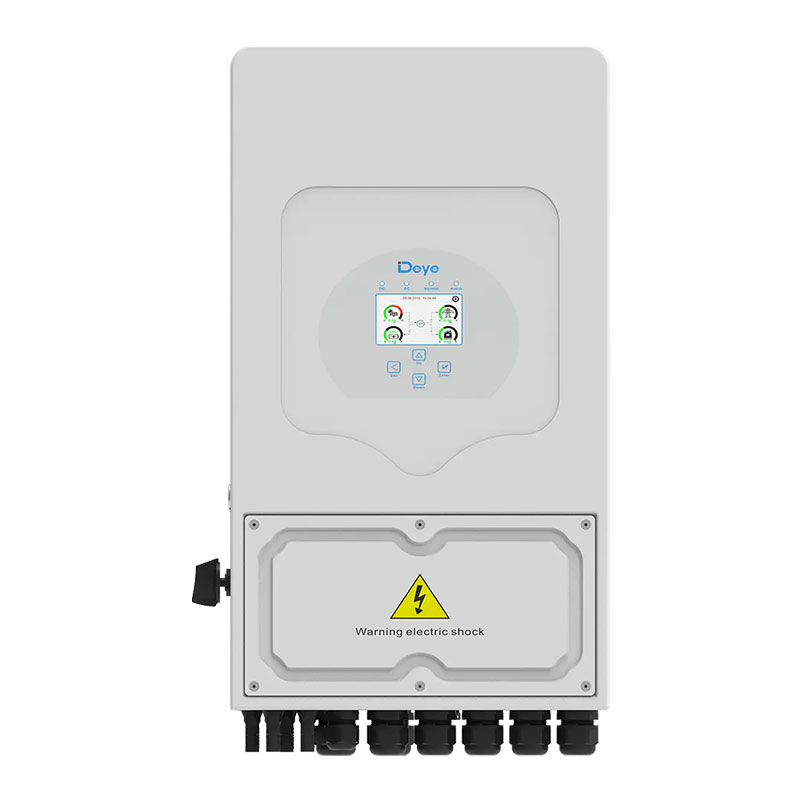
With solar, the battery becomes more valuable. Excess daytime generation can be stored and used at night or during peak tariff periods. If you plan to add solar later, choose a hybrid inverter and battery that are ready for that step. For a packaged route, our 10 kW photovoltaic kit with 10 kWh storage brings panels, inverter, and battery together as a coordinated starting point.
10 kW Photovoltaic Kit with 10 kWh StorageA coordinated residential kit combining 24 × 425 W modules, a 10 kW three-phase hybrid inverter, and 10 kWh HV battery; review configuration and exclusions.View Product →
Treat any kit as a starting point, not a final design. Roof orientation, local climate, backup loads, and grid rules all shape the final selection. A modest system that is well matched usually outperforms an oversized system that is rarely used to its full capacity.
Budget is where many projects slow down, and no single price fits every house. The main cost drivers are battery capacity, inverter type, transfer switchgear, installation complexity, permits, and local labour rates. A simple retrofit can cost far less than a whole-home system with a new critical-load panel and extensive wiring.
Savings depend on how you use the system. Backup capacity is mostly about resilience, while time-of-use shifting and solar self-consumption create measurable bill savings. Ask for an itemized quote that separates equipment, installation, and optional monitoring. Be cautious with payback claims that ignore your local electricity tariff, outage patterns, and available incentives.
Whole-home battery backup is not a weekend DIY project. A licensed electrician should confirm earthing, isolation, overcurrent protection, ventilation, and clearances. Install the battery in a location that meets local fire and building rules, and keep access clear for service. Lithium iron phosphate, often written as LiFePO4, is a common choice for home storage because it is stable and well suited to daily cycling.
Maintenance is modest but not zero. Keep vents and fans clear of dust, check the monitoring app for cell imbalance or temperature warnings, and apply firmware updates only when the manufacturer or installer recommends them. A yearly visual inspection is a sensible habit, especially after extreme weather or any electrical work in the home.
Use this checklist to compare offers on equal terms:
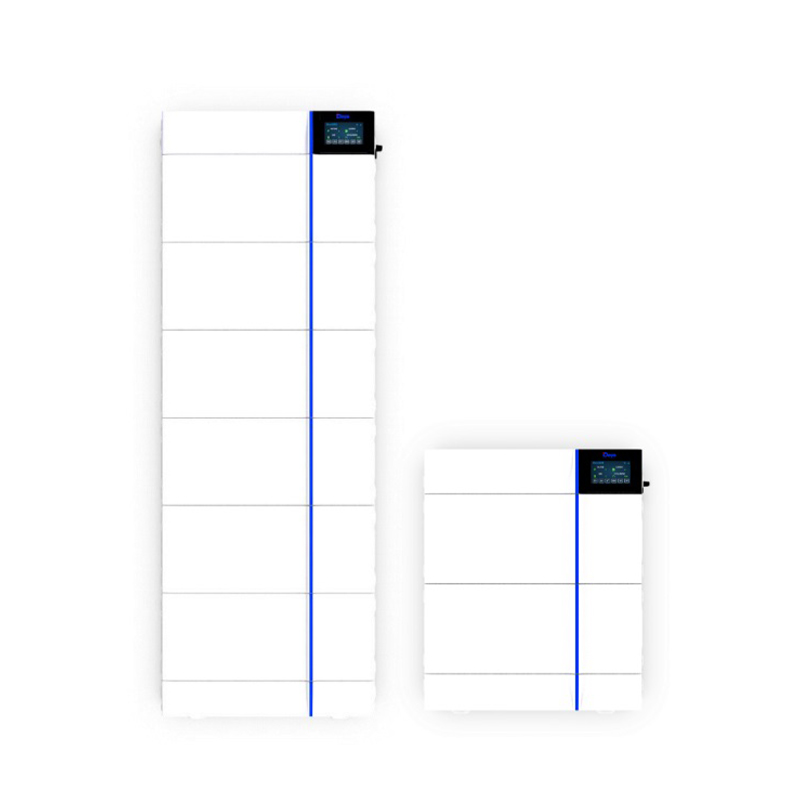
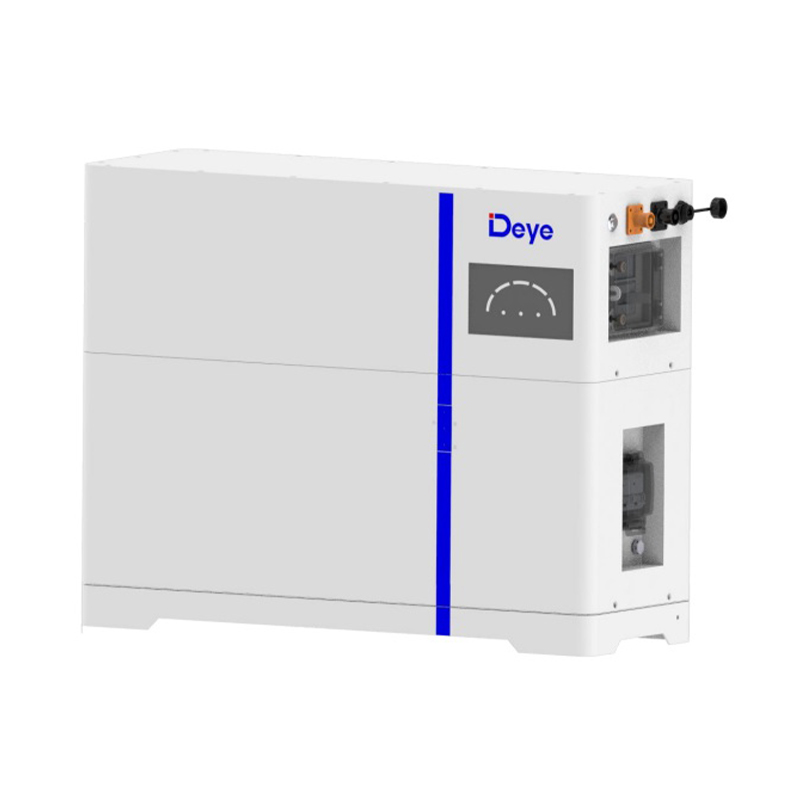
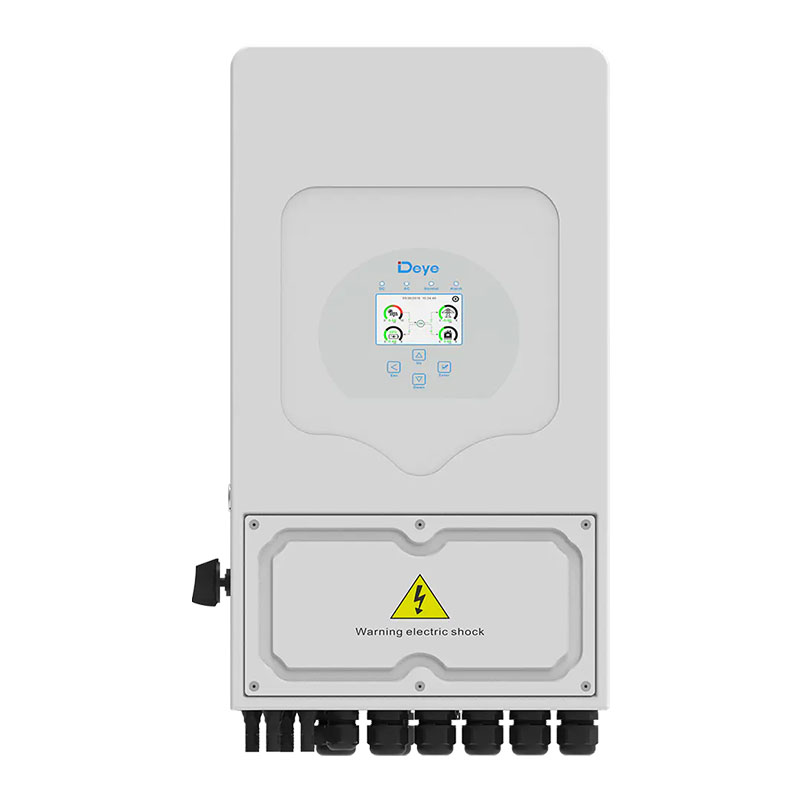
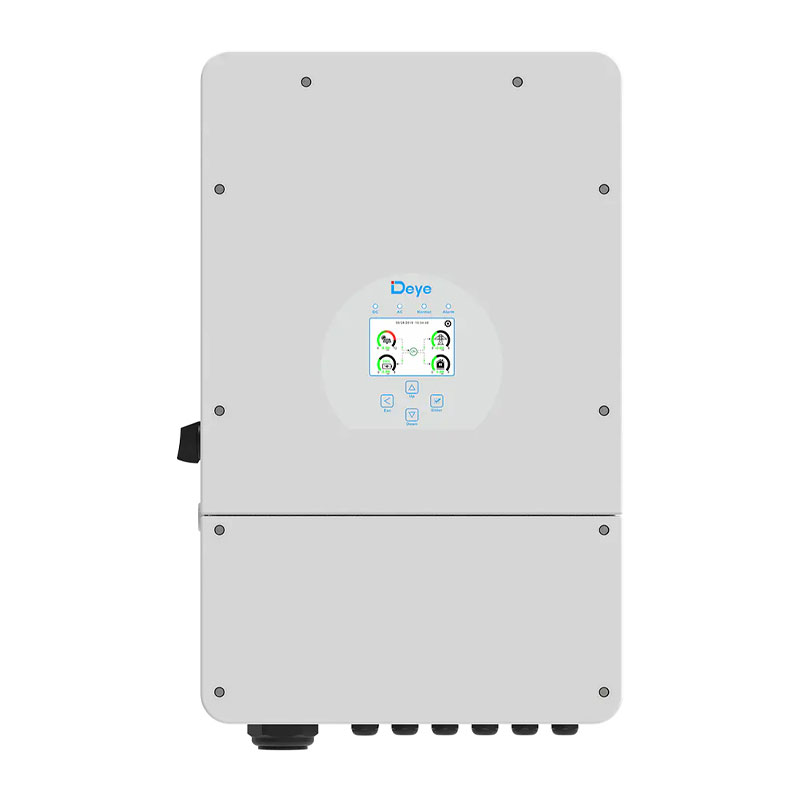
If wall space and wiring simplicity matter, an all-in-one hybrid low-voltage unit can reduce the number of separate components in the system.
Deye AI-W5.1 All-in-One Hybrid Low-Voltage Storage SystemAn all-in-one single-phase hybrid inverter and LiFePO4 battery for residential backup, with 5 kW output and stackable modules; compare backup interface and compatibility.View Product →
Compare the unit’s output, backup interface, and battery compatibility with your load list. An all-in-one design is convenient, but it still needs a proper installation plan and a clear service path.
Yes. The battery charges from the grid and supplies selected circuits when power fails. It is a practical choice for outage protection, though it will not generate new energy until the grid returns.
That depends on usable capacity and the loads you keep running. A small essential-load panel may last far longer than a whole-home setup. Use your load list and the table above as a starting point, then ask an installer to model your actual appliances.
Not necessarily. Whole-home backup requires more capacity and power, and it can add cost. Many homeowners are better served by a critical-load panel that covers refrigeration, lighting, communications, and heating controls.
A backup battery for house power is a long-term purchase, so take the time to match it to your loads, your roof or grid plans, and your service expectations. Start with the essentials, check compatibility, and leave room to grow. If you would like help comparing battery, inverter, and kit options, our team is happy to talk through your project through our contact page.
+31610999937
[email protected]
De Werf 11, 2544 EH The Hague, The Nederland.
WhatsApp: +852 65283075Copyright © 2023 Uni Z International B.V. VAT: NL864303440B01 All Rights Reserved
Solar Energy Storage System Solutions and Products