SE-F A Series Battery Safety: BMS, Active Fusing and Thermal Insulation
Nov 09,2026Are solar panels reliable: Applications, Selection Criteria, and Practical Guidance
Nov 05,2026Are solar panel batteries worth it: Practical Applications, Selection, Performance, and
Oct 26,202612V Amp Hour Calculator: Convert Ah to Watt Hours and Estimate Runtime
Oct 23,2026Alternative to tesla powerwall: Applications, Selection Criteria, and Practical Guidance
Oct 16,2026Content
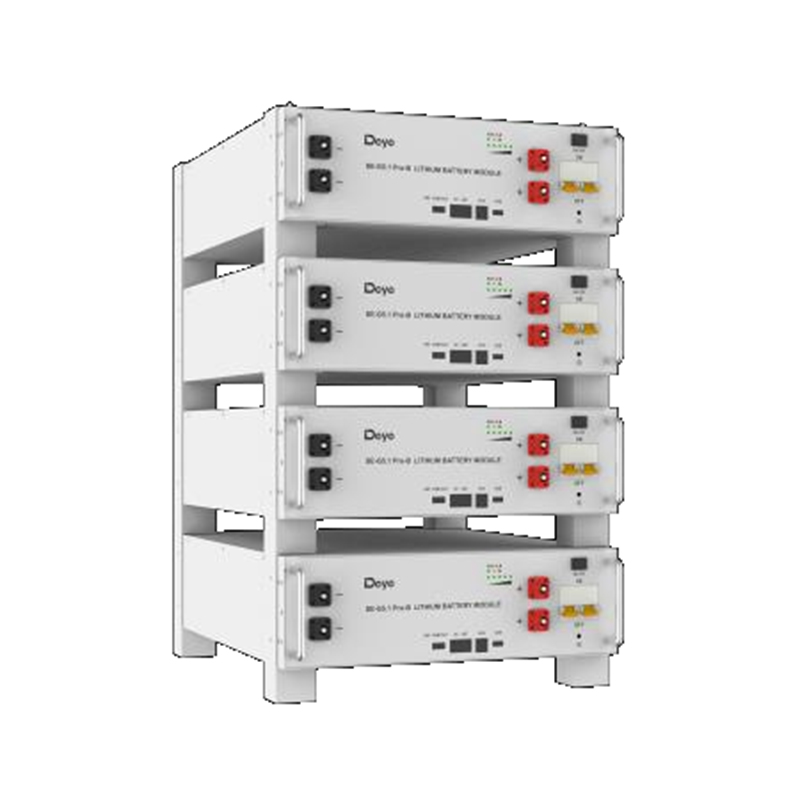
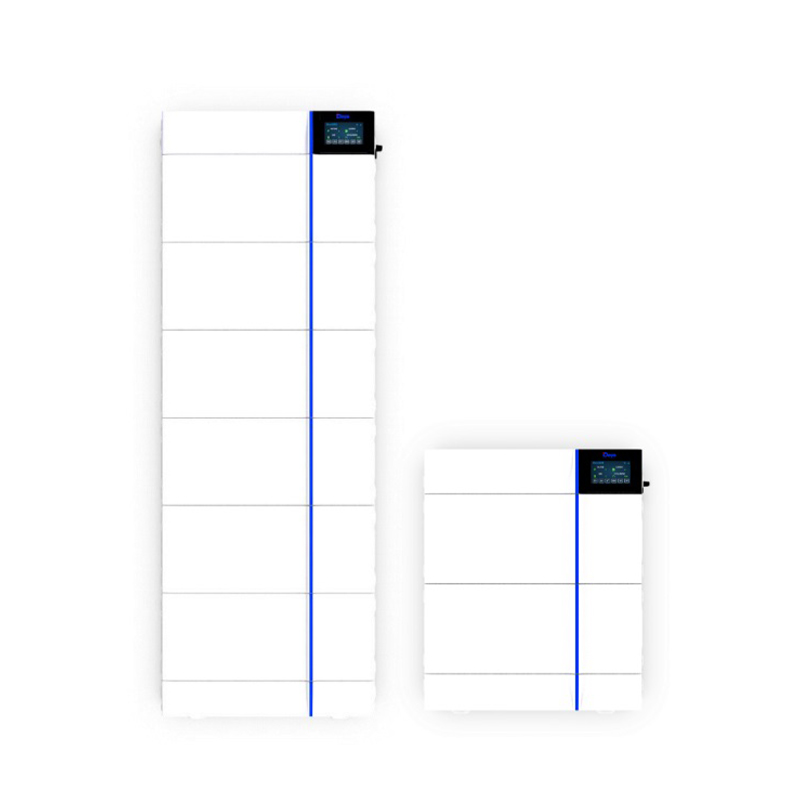
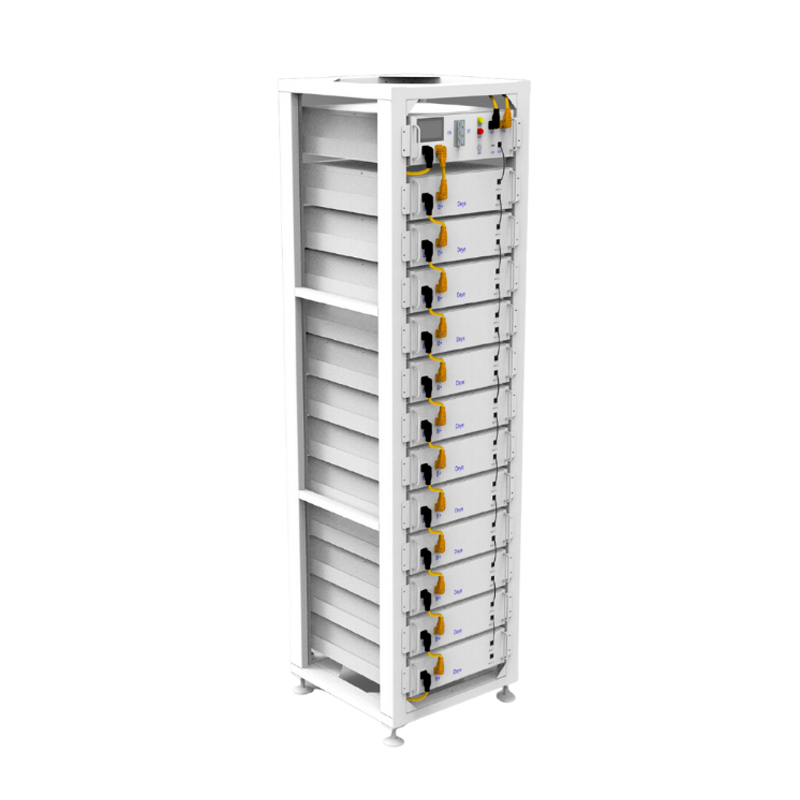
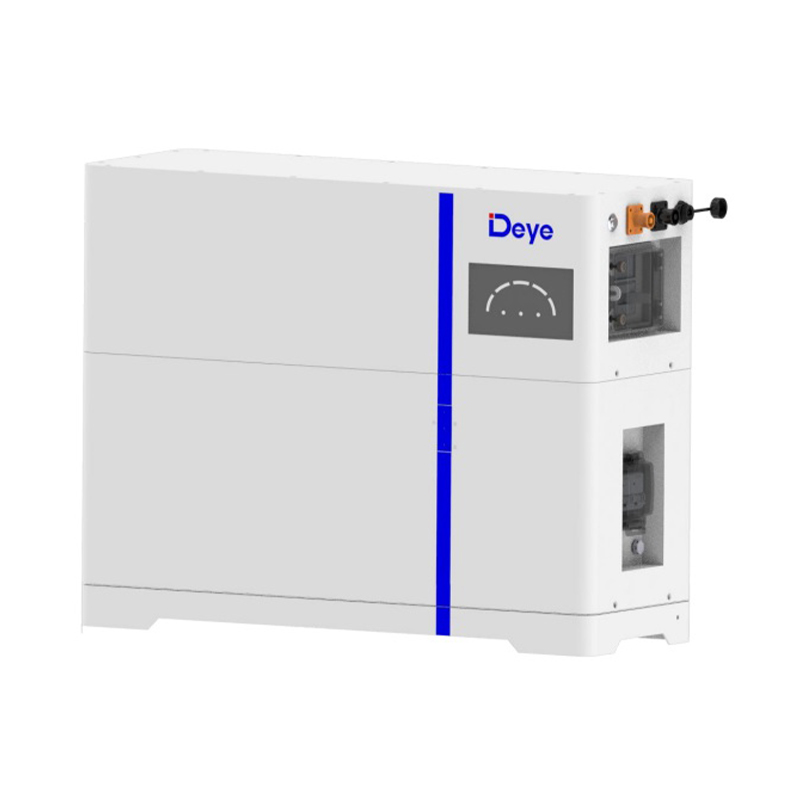
A battery protected by a single mechanism is only as safe as that mechanism. The SE-F A Series, part of the NEPT S range of low-voltage stackable storage, is built on the opposite idea: several protections, each covering a different failure path, working together. For homes and small commercial sites where batteries sit in garages, utility rooms and plant cupboards, that redundancy matters.
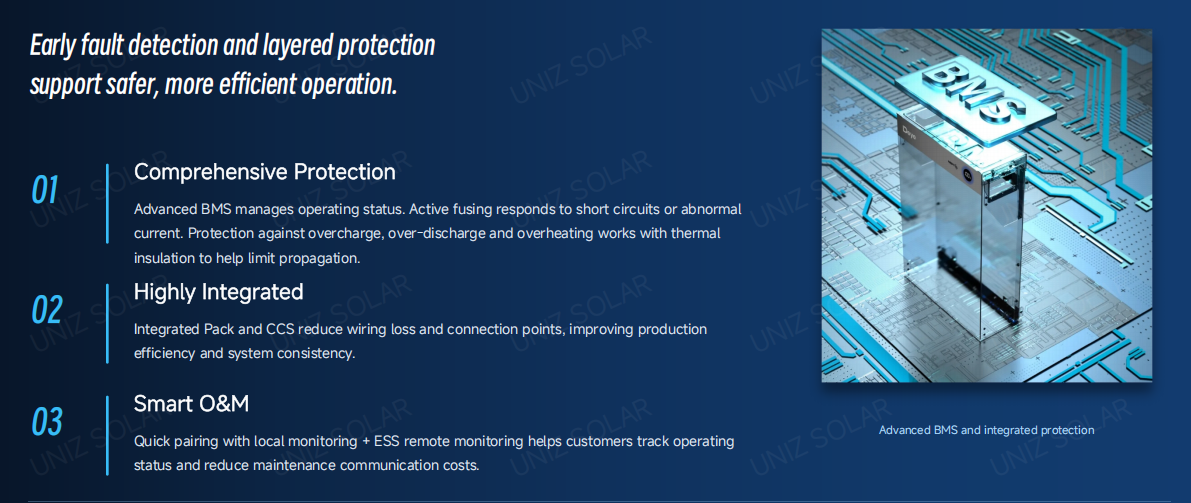
Three protective layers form the core of the design: an advanced BMS, active fusing and thermal insulation. Integration choices then reduce the number of places where something can go wrong. The sections below take each layer in turn.

The battery management system is the first layer. In the SE-F A Series it manages operating status and protects against overcharge, over-discharge and overheating, the three conditions that push lithium cells outside their safe window.
Overcharge stresses the cells at the top of their voltage range, while over-discharge damages them at the bottom. Overheating can follow from either, or from a poorly ventilated installation. A BMS that watches all three lets the system step in before a limit is crossed rather than after.
Visibility is part of the protection too. Quick pairing, local battery monitoring and ESS remote monitoring let an installer read the operating status at the unit or from a distance. Faults are easier to catch early when nobody has to be on site to look.
A BMS handles conditions that develop gradually. A short circuit does not wait. Active fusing is the layer that responds to short circuits or abnormal current, acting when a fault appears in the wiring or the load rather than in the cells.
This matters most in stacked systems. With up to 32 units in parallel, a single fault can involve a lot of stored energy, so a protection that reacts to abnormal current at the unit level is a sensible safeguard for both residential and small C&I installations.
No protection system can promise that a fault will never happen. What good design can do is keep a fault local. Thermal insulation in the SE-F A Series works alongside the overcharge, over-discharge and overheating protection to help limit propagation if a unit does overheat.
The wording is deliberate: insulation helps limit the spread of a thermal event, and it is one layer among several. Its job is to buy time for the BMS and fusing to act and to reduce the chance that one affected unit drags its neighbours with it.
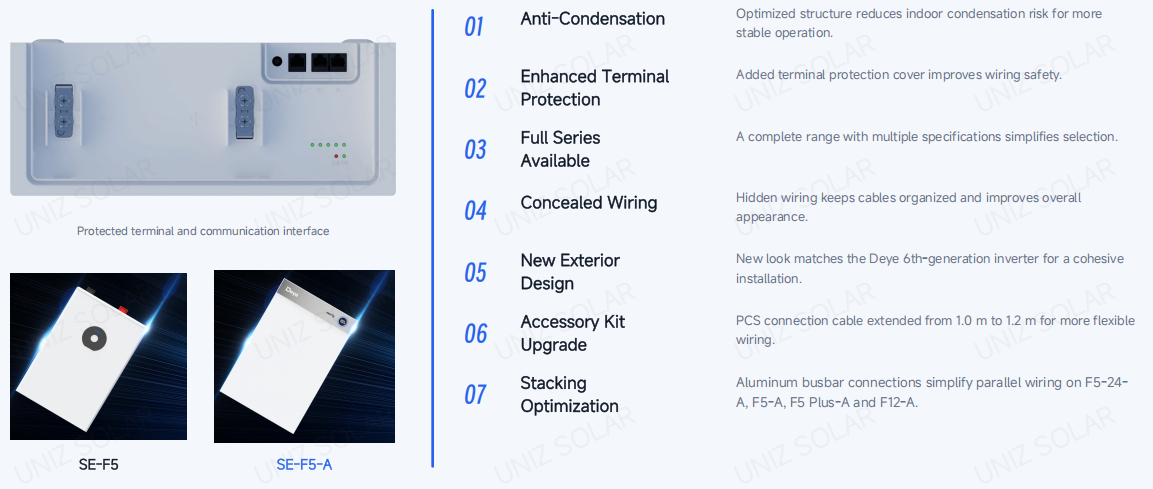
Many battery problems start at connections, not in cells. Loose terminals, long cable runs and exposed contacts are common culprits. The SE-F A Series addresses this with an integrated PACK and CCS, which reduce wiring loss and connection points while improving system consistency.
Several detail upgrades in the A version follow the same logic:
Fewer exposed connections and simpler parallel wiring mean fewer chances for installation errors, which are a leading source of avoidable faults in any stacked system.

Each layer covers a different risk, so a weakness in one is not left uncovered by the others.
| Layer | Risk addressed |
|---|---|
| Advanced BMS | Overcharge, over-discharge, overheating, operating status |
| Active fusing | Short circuits and abnormal current |
| Thermal insulation | Spread of a thermal event between units |
| Integrated PACK and CCS | Wiring loss and excess connection points |
| Terminal protection cover | Wiring safety during installation and service |
| Anti-condensation structure | Indoor condensation risk |
| Local and remote monitoring | Late discovery of faults |
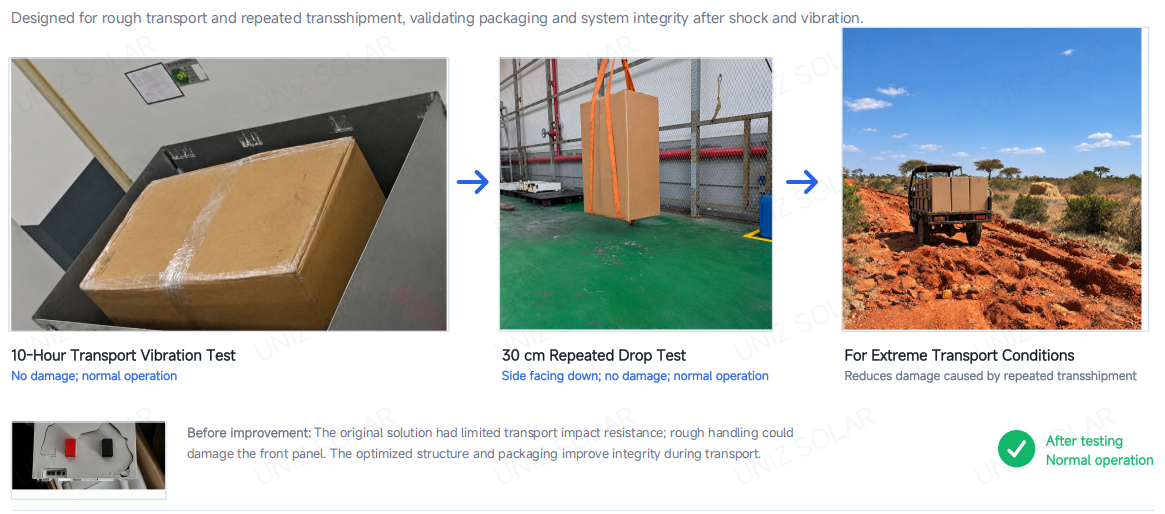
Safety starts before installation. A unit that arrives with a damaged front panel or loosened internals is already compromised. The SE-F A Series was put through a 10-hour transport vibration test and a repeated 30 cm drop test with the unit side facing down. After both tests there was no damage and the units operated normally.
In operation, the series uses natural cooling, so it does not depend on a fan, and its discharge operating range is -20 to 55°C. For the F5-A and F5 Plus-A, GaN MOSFETs reduce losses by 50%, which means less energy is wasted as heat inside the unit.

The protection architecture is shared across the range, but ratings differ by model. Check these points against the model you plan to install:
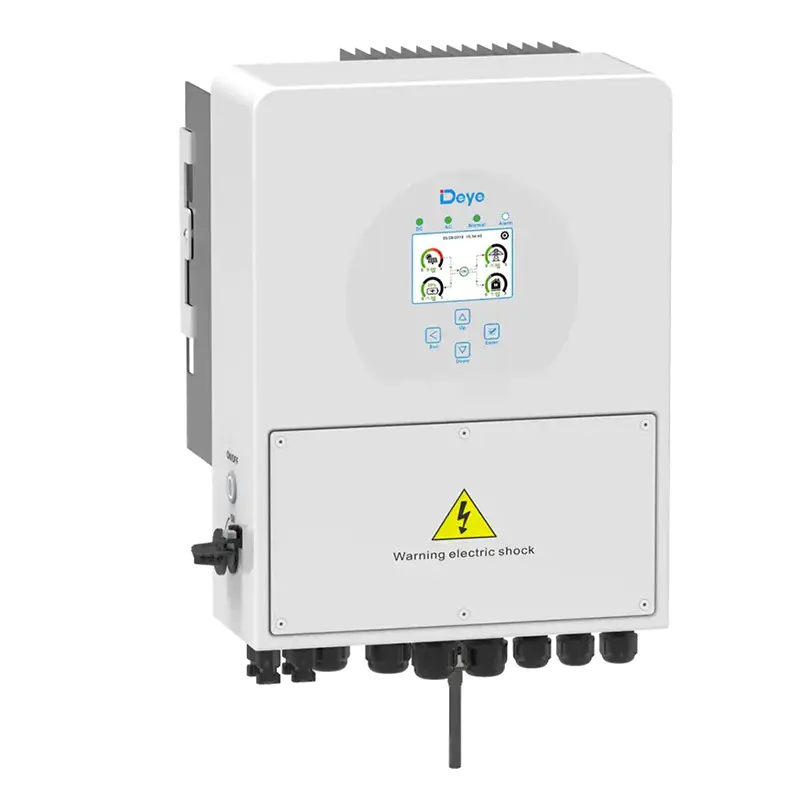
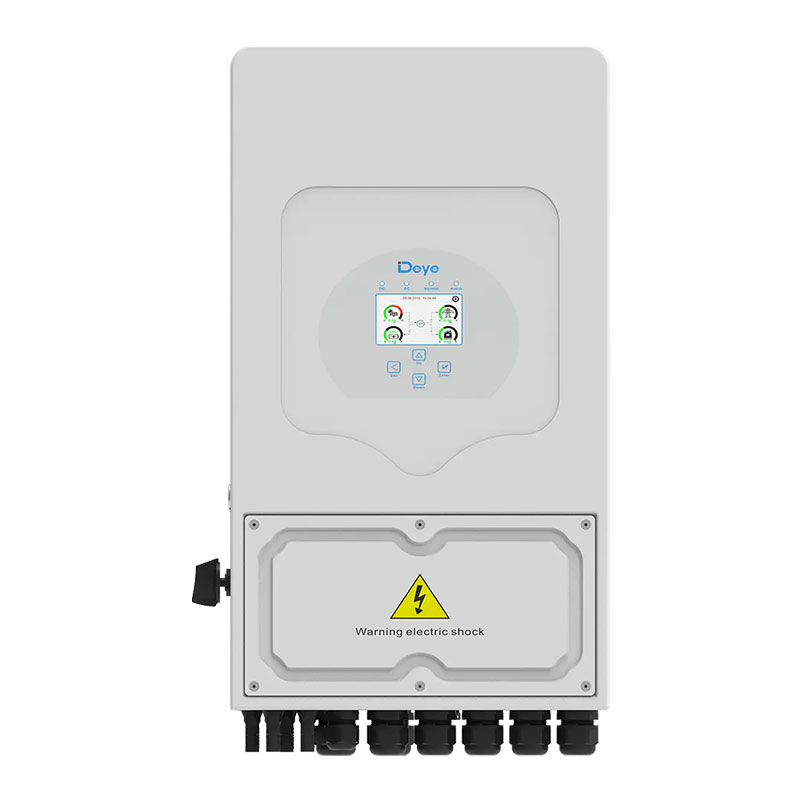
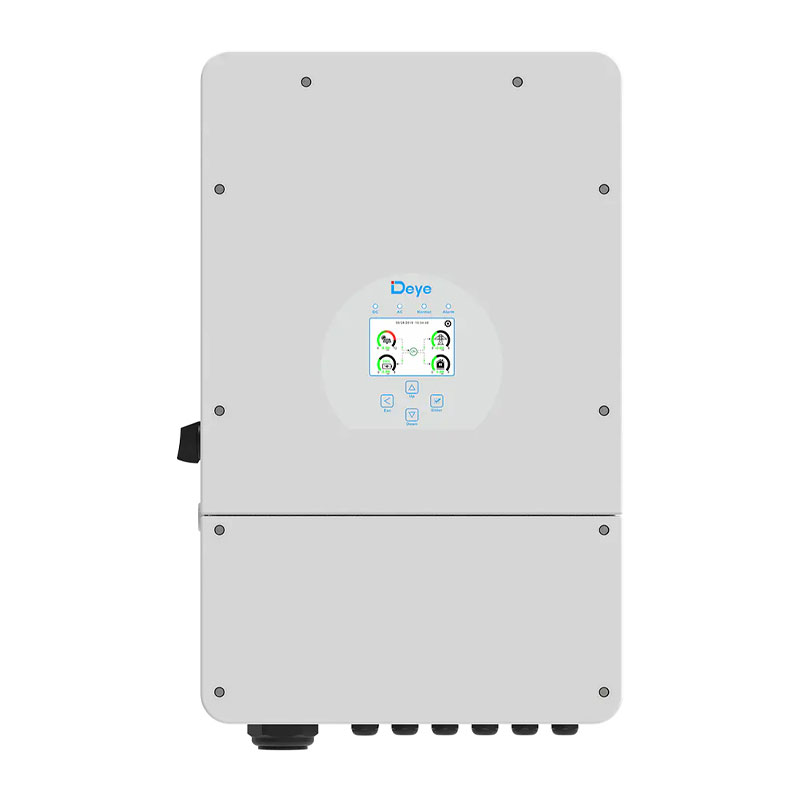
For capacity, the 16 kWh low-voltage lithium battery suits larger households, and the wider range of low-voltage solar storage batteries covers smaller loads. Pair the battery with a compatible inverter, such as one of the single-phase low-voltage hybrid inverters, so charge limits are set correctly from the start. Sites that outgrow a residential setup can look at commercial and industrial energy storage solutions.
Good protection also depends on how the battery is looked after. Our guides on charging precautions for solar storage batteries, including rain exposure and battery maintenance routines that extend service life cover the day-to-day habits that keep these safeguards working as designed.
←
No previous article
→
Are solar panels reliable: Applications, Selection Criteria, and Practical Guidance
+31610999937
[email protected]
De Werf 11, 2544 EH The Hague, The Nederland.
WhatsApp: +852 65283075Copyright © 2023 Uni Z International B.V. VAT: NL864303440B01 All Rights Reserved
Solar Energy Storage System Solutions and Products