Alternative to tesla powerwall: Applications, Selection Criteria, and Practical Guidance
Oct 16,2026How to Size a 2000 kWh Solar System: Panels, Inverters, and Battery Storage
Oct 10,202648V Battery Bank Guide: Sizing, Wiring, and Hybrid Inverter Matching for Homes
Sep 28,20263 Phase Inverter Guide: Types, Sizing, and How to Choose the Right One for Solar
Sep 21,20263 Phase Hybrid Inverter Guide: Sizing, Battery Pairing and Buying Advice
Sep 18,2026Content
The Tesla Powerwall has become a reference point for home energy storage, but it is not the only sensible route. An alternative to the Tesla Powerwall can be a battery-only unit, a hybrid inverter paired with a stackable battery, a complete photovoltaic kit, or even a smaller balcony system. The right answer depends on the house, the loads, the existing equipment, and how much backup time you actually need.
In our day-to-day work with installers and homeowners, the most successful projects start with a simple question: what should still run when the grid goes down? Once that is clear, capacity, power, and compatibility become much easier to compare.
A well-known product is not automatically the best fit for every property. Sometimes the issue is availability or lead time. Sometimes the existing inverter, roof layout, or service panel makes a different architecture more practical. Other homeowners want a battery they can expand later, or a system that a local installer already knows well.
The most common reasons we hear are practical rather than emotional:
That is why it helps to treat the Tesla Powerwall as a benchmark, not a fixed template. A good alternative should match the load profile, the solar setup, and the way the home is actually used.
Before comparing products, estimate daily consumption and list the circuits that must stay live during an outage. A fridge, lights, internet, and a few outlets are a very different load from a heat pump, well pump, and electric cooking. A 10 kWh battery may cover a modest set of essential loads for a limited period, while a 15 to 20 kWh system gives more headroom for larger homes or longer outages.
If you are building a new solar system rather than adding storage to an existing one, a complete kit can reduce the guesswork. A matched package usually includes the panels, hybrid inverter, battery, mounting, and the main connection accessories, so the installer is not mixing parts from unrelated designs.
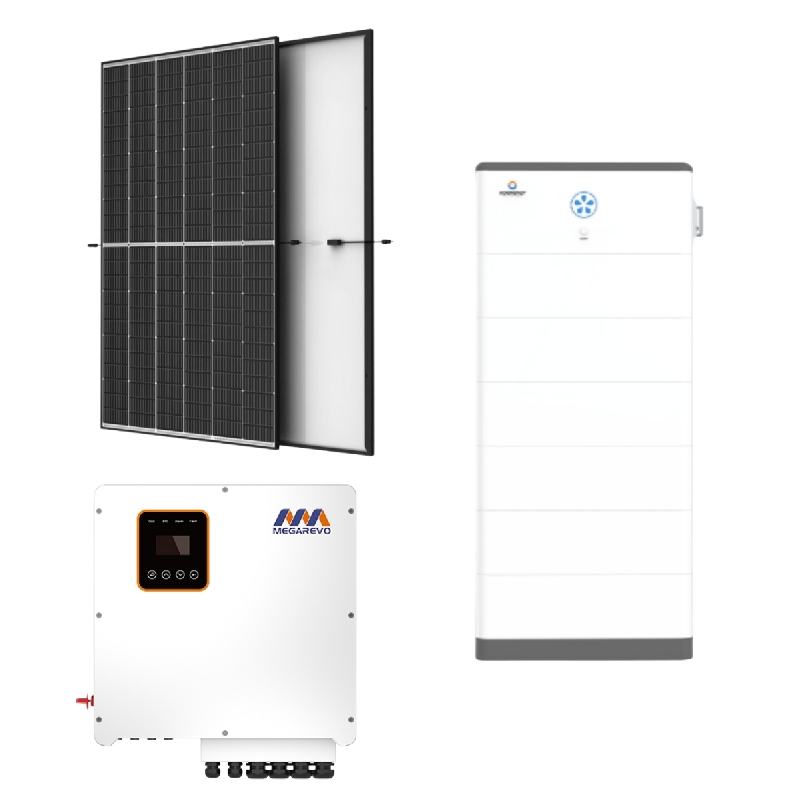
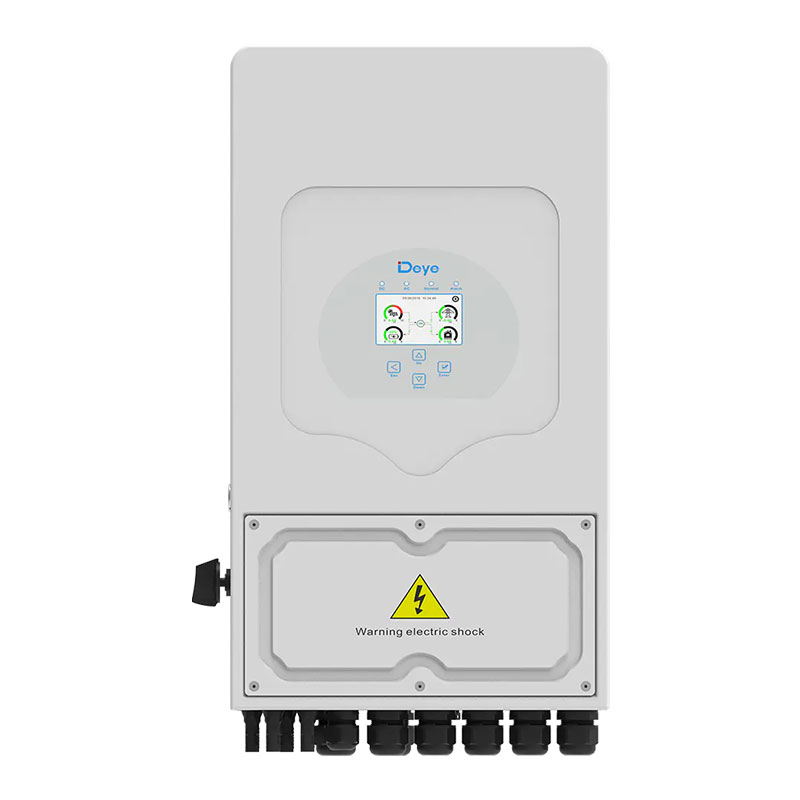
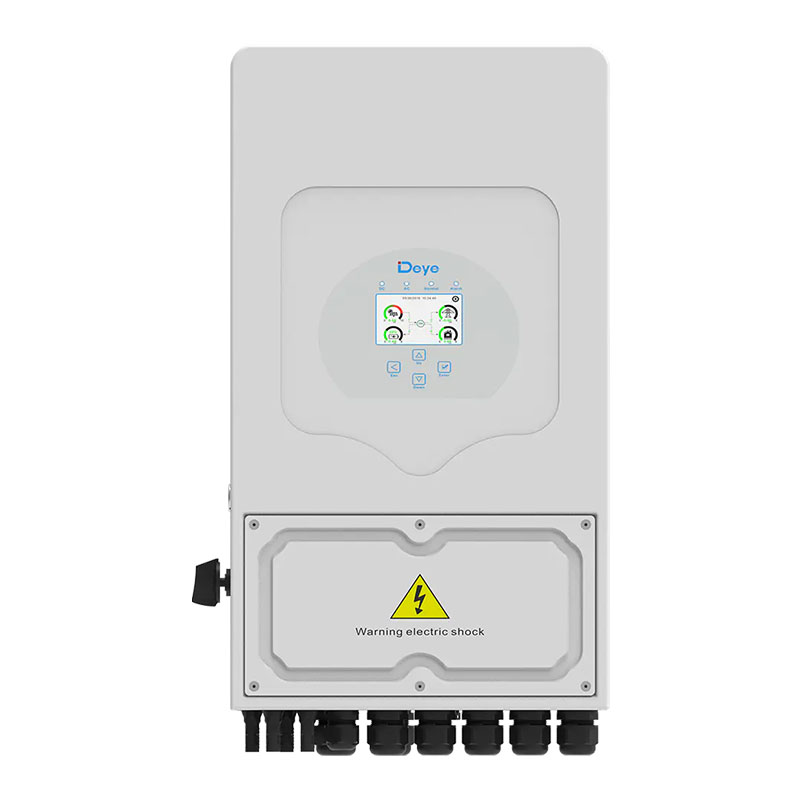
For a straightforward whole-home starting point, a 10 kW photovoltaic kit with 10 kWh storage is a useful reference point. It suits a household that wants to pair daytime solar production with a practical amount of evening backup and is ready to review the load calculation in detail.
10 kW PV Kit with 10 kWh StorageWhole-home reference kit pairing 24 425 W modules, a 10 kW three-phase hybrid inverter and 10 kWh high-voltage battery; brackets and cables excluded.View Product →
For a deeper comparison of AC- and DC-coupled designs, including cost and sizing considerations, see this guide on whole-home backup system design. It explains why the same battery capacity can behave differently depending on how it connects to the solar and the house.
A battery-only alternative is often the simplest route when the home already has a working solar inverter. An AC-coupled battery connects on the AC side and can provide backup through a transfer arrangement, without replacing the existing PV inverter. The key checks are compatibility, backup power, and whether the existing switchgear can support the added load.
This route is common in retrofits. It can be easier to permit and install because the solar array and inverter stay in place. The trade-off is that conversion losses can be slightly higher than in a DC-coupled design, and the backup capability depends on how the battery is wired into the home.
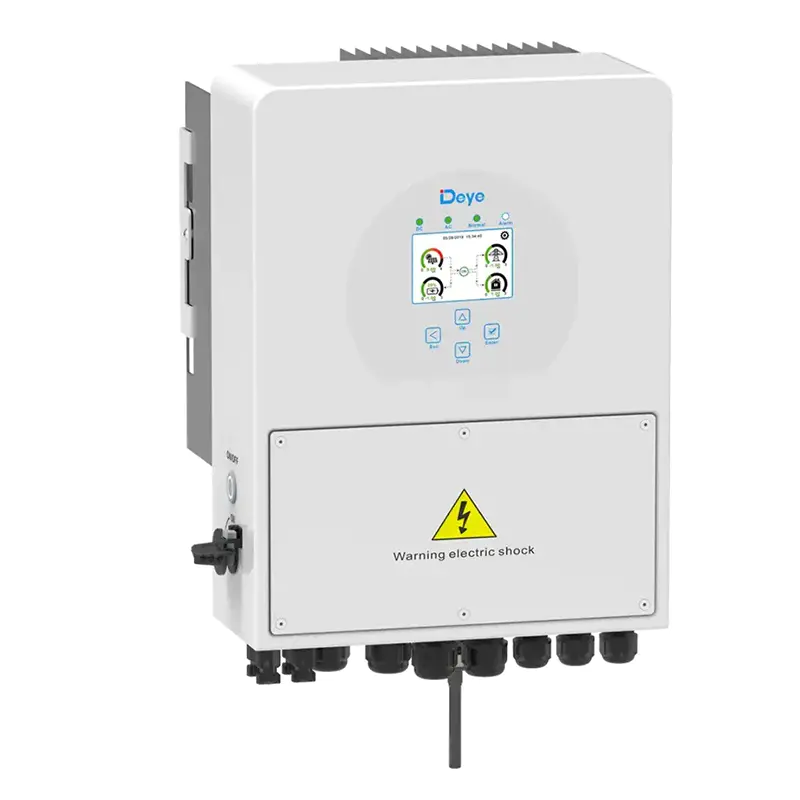
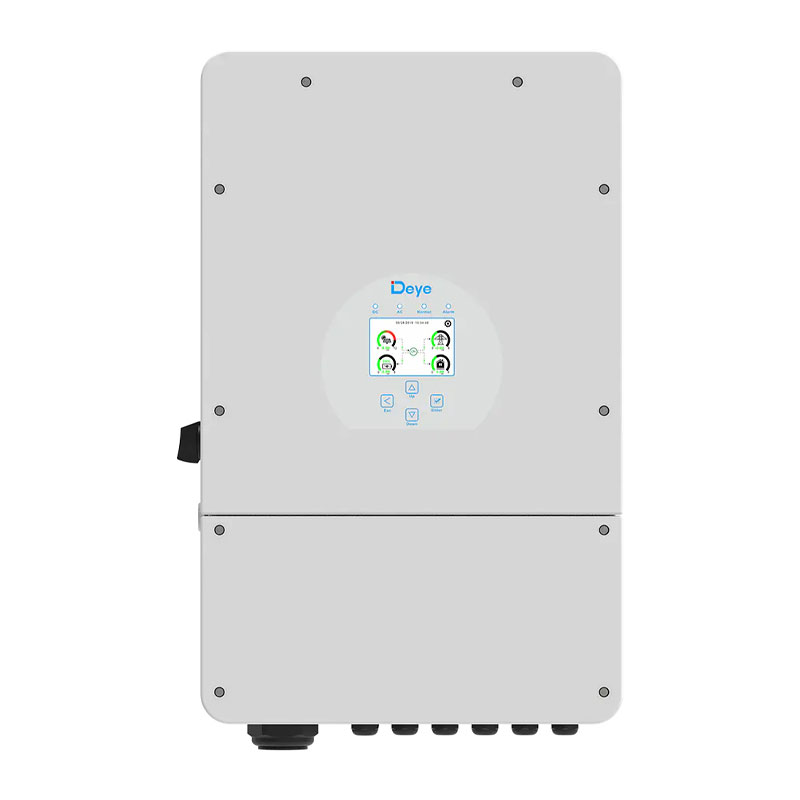
For a new system or a full upgrade, a hybrid inverter with a low-voltage or high-voltage battery gives more control over solar charging, backup, and monitoring. It is also easier to size the inverter and battery as one system. The important details are MPPT count, battery voltage range, continuous backup output, and future expansion.
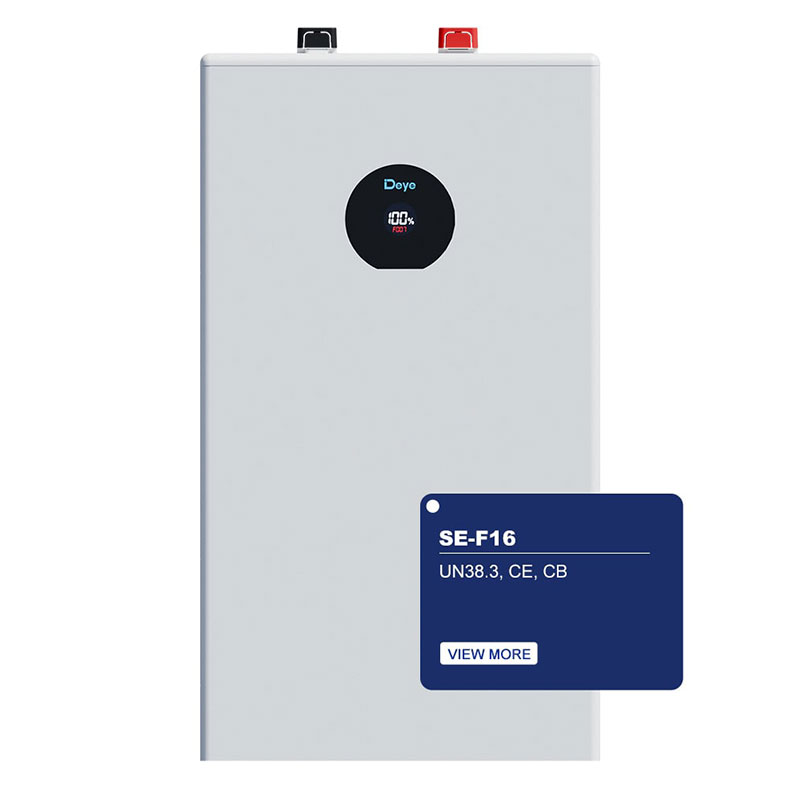
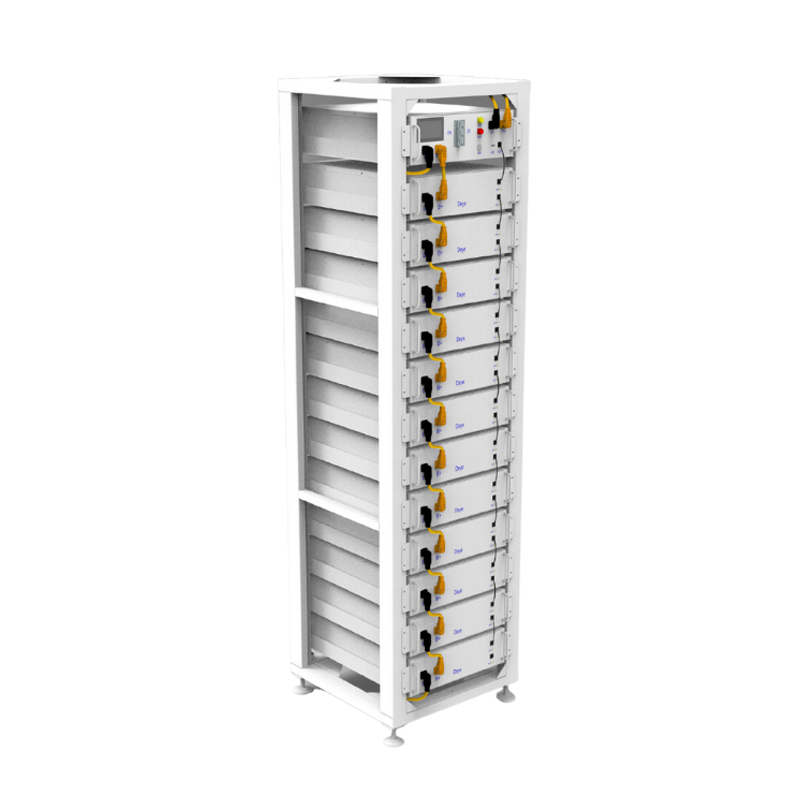
A 16 kWh low-voltage battery is one example of a larger-capacity route for homes that want more evening coverage and a familiar 48 V architecture. It can suit installers who prefer low-voltage battery banks and want a capacity step above smaller 5 to 10 kWh units.
Deye SE-F16 16 kWh Low-Voltage Storage Battery16 kWh LiFePO₄ battery at 51.2 V with parallel expansion up to 64 units, aimed at homes or light commercial systems needing scalable storage.View Product →
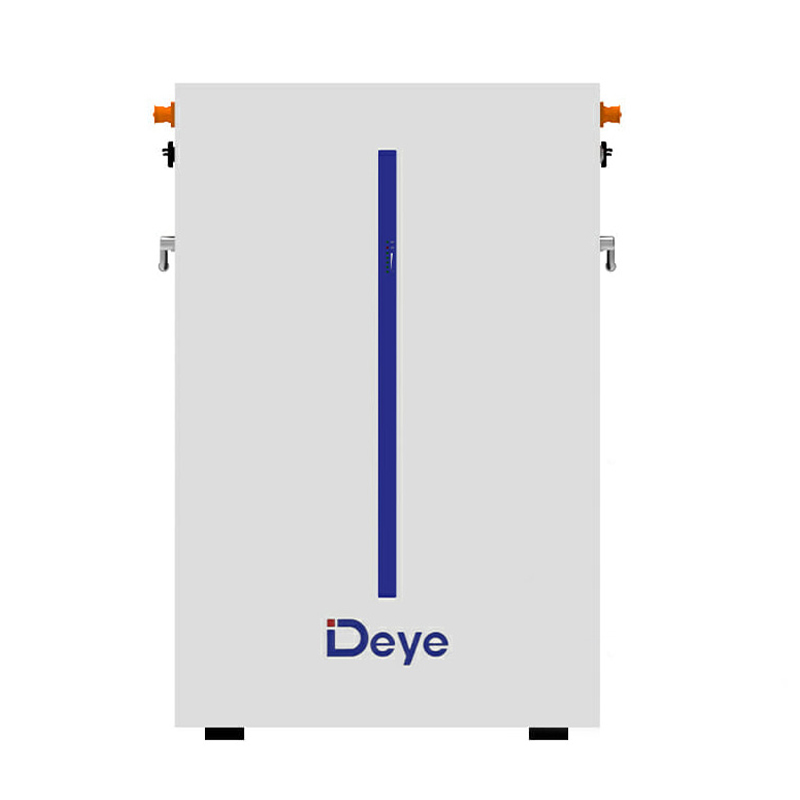
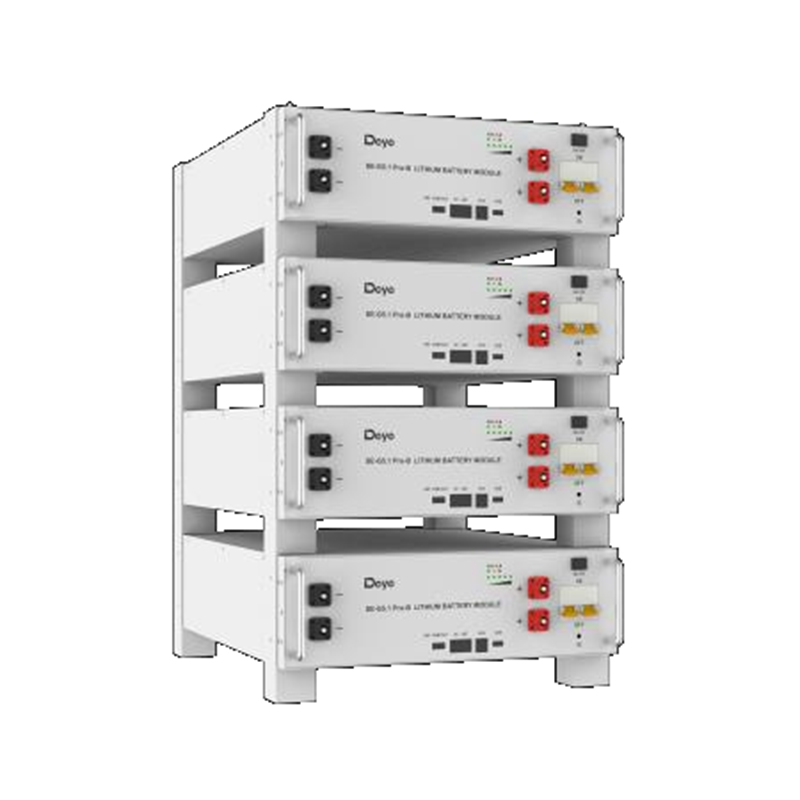
Modular rack and stackable batteries are worth considering when future growth matters. They can be expanded in stages, and a failed module may be easier to replace than a sealed all-in-one unit. The trade-off is space, wiring, and the need to plan the battery room or wall area properly.
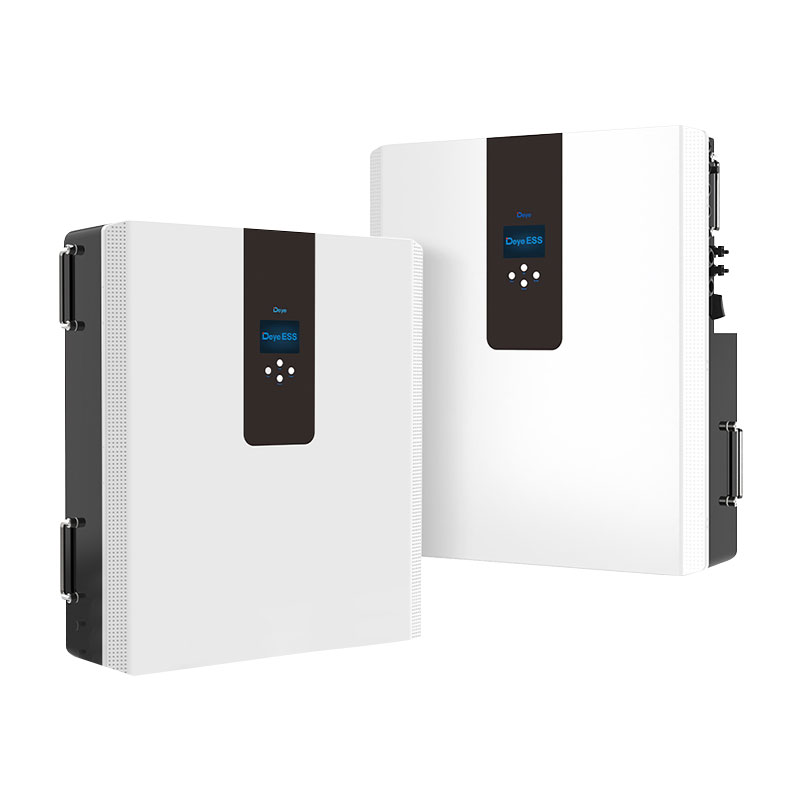
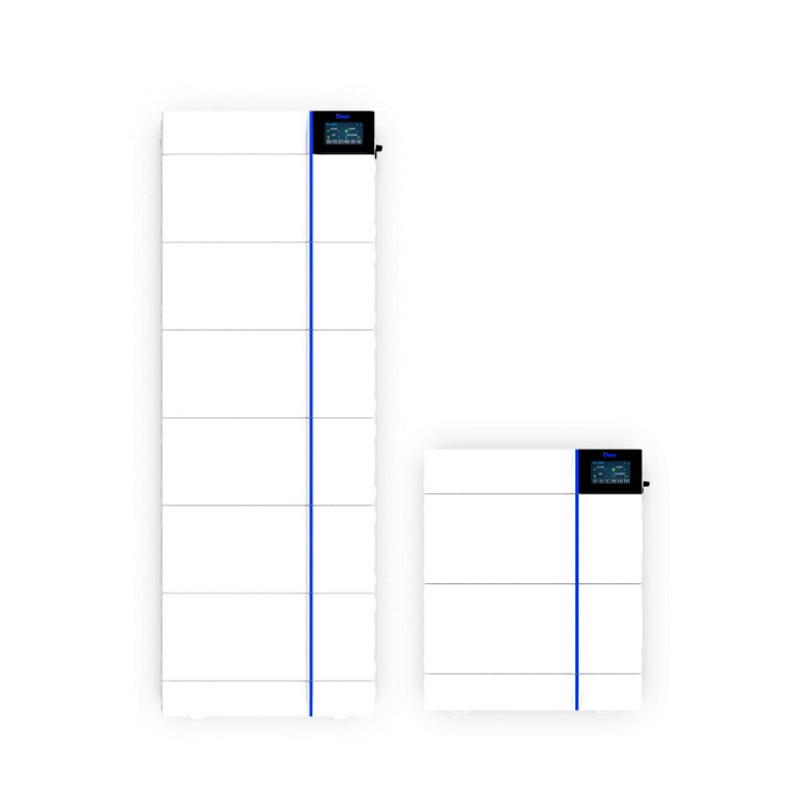
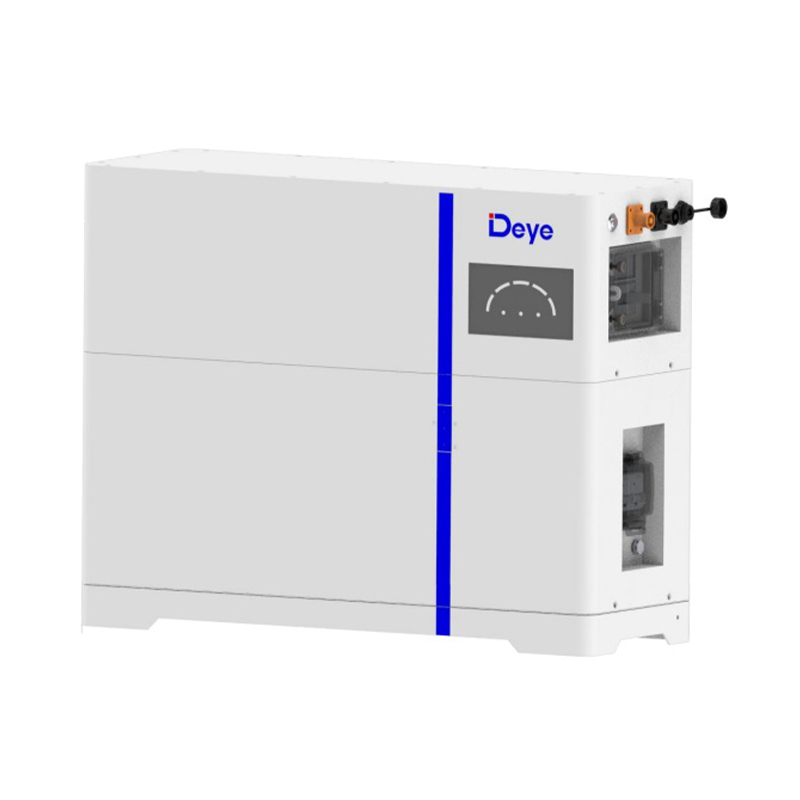
All-in-one energy storage systems combine the inverter, battery, and often the monitoring and transfer components in a single enclosure. They appeal to homeowners with limited wall space and to installers who want fewer separate parts on site. The main checks are continuous output, surge capability, service access, and whether the unit can be expanded later.
If the goal is a compact system with a cleaner bill of materials, an all-in-one storage route is worth reviewing alongside a separate inverter and battery package.
Deye All-in-One Energy Storage SystemsCategory listing for integrated hybrid inverter and LFP battery systems, including single- and three-phase low- and high-voltage options for compact storage configurations.View Product →
Smaller properties may not need a full-size home battery at all. A balcony or garden storage kit can shift a few kilowatt-hours of daytime solar into the evening, which is often enough for renters or apartments that cannot modify the main electrical system.
| Route | Typical use | Strengths | What to verify |
|---|---|---|---|
| Battery-only AC-coupled | Existing solar or inverter | Simple retrofit; keeps existing equipment | Inverter compatibility, backup transfer, permitted capacity |
| Hybrid inverter plus battery | New PV or full upgrade | Efficient DC coupling; one monitoring platform; scalable | MPPT count, battery voltage, backup power, expansion |
| All-in-one ESS | Limited wall space; simple specification | Compact; fewer components; faster installation | Continuous output, surge rating, service access |
| Modular rack or stack battery | Larger capacity or future growth | Expandable; serviceable modules | Floor space, BMS limits, voltage range, local rules |
The table is a starting point, not a ranking. A 5 kWh system can be right for a small apartment, while a 20 kWh system may be more appropriate for a large house with heat pump backup. The design should follow the load, not the other way around.
Sizing is where many battery comparisons go wrong. Kilowatt-hours tell you how much energy the battery can store, but kilowatts tell you what it can run at one time. A battery with enough capacity but too little continuous output will still trip when a well pump or air conditioner starts.
Also check usable capacity, depth of discharge, round-trip efficiency, and warranty terms. A battery that looks competitive on nominal capacity may deliver less usable energy after reserve limits and conversion losses are considered.
The best alternative is the one that can be installed cleanly and supported locally. Ask for the compatible inverter list, the backup wiring method, the monitoring app, and the firmware update process. For an installer, spare parts and technical documentation are just as important as the datasheet.
A lower purchase price without commissioning support is rarely a bargain. The cost of a return visit or an incompatible accessory can erase the savings quickly.
Before you settle on any Tesla Powerwall alternative, gather the load list, a recent electricity bill, photos of the main panel, and the existing inverter model if there is one. Then compare complete bills of materials rather than battery capacity alone.
If you want help turning those numbers into a practical bill of materials, send your load details and site information through our contact page. We can compare the main routes and suggest a system that fits the house, the existing equipment, and the way you plan to use the backup power.
+31610999937
[email protected]
De Werf 11, 2544 EH The Hague, The Nederland.
WhatsApp: +852 65283075Copyright © 2023 Uni Z International B.V. VAT: NL864303440B01 All Rights Reserved
Solar Energy Storage System Solutions and Products