-
 FAST SHIPPING
-
 COMPETITIVE PRICE
-
 EXCELLENT AFTER-SERVICE
 FAST SHIPPING
COMPETITIVE PRICE
EXCELLENT AFTER-SERVICE
FAST SHIPPING
COMPETITIVE PRICE
EXCELLENT AFTER-SERVICE
Content
Power outages in the United States have climbed 64% over the last decade, and the average outage now stretches past seven hours. That reality shifts a whole home backup system from a luxury into a financial and safety decision. Yet homeowners face a fragmented market: one brand pushes an all-in-one box, another a modular battery rack, and a third a generator-like appliance. The real difference lies not in the brand logo, but in the system architecture — AC coupling, DC coupling, or a hybrid inverter platform. Get that choice right, and the rest of the components fall into place.
This guide cuts through marketing claims to give you the decision framework installers use. You will walk away knowing exactly which architecture fits your existing solar setup, how to size a battery bank for your actual load profile, and what a realistic installed cost looks like — including the hidden line items most quotes omit.
A whole home backup system differs from a partial backup in one critical dimension: it is sized to run all circuits in your panel simultaneously, not just a pre-selected subset. Partial-backup, or “critical loads,” panels typically cover 4 to 8 circuits — refrigerator, lights, broadband, maybe a furnace fan. A whole-home setup replicates full grid service, meaning your 5-ton air conditioner, well pump, and electric oven can all operate during an outage. That jump increases both inverter output rating and battery capacity by a factor of three to five.
Three technical architectures dominate the market today:
The table below distills the differences for quick comparison.
| Architecture | Efficiency | Retrofit Cost | New Install Cost | Best for |
|---|---|---|---|---|
| AC-Coupled | 88–92% | Low | Medium | Homes with existing solar |
| DC-Coupled | 94–97% | High | Medium | New PV + battery systems |
| Hybrid Inverter | 94–96% | Medium | Low | Full system replacement or new build |
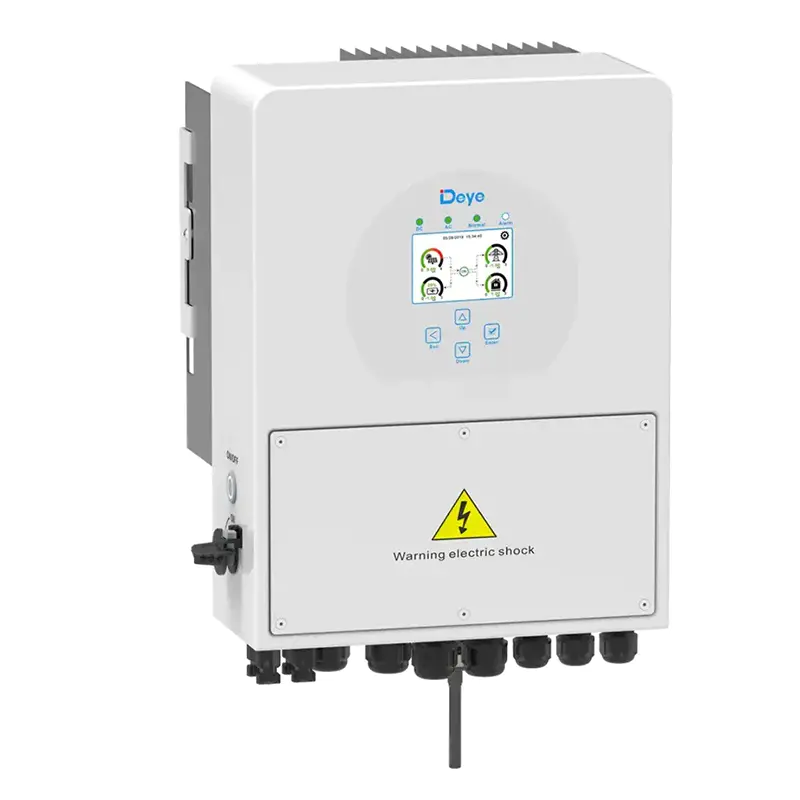
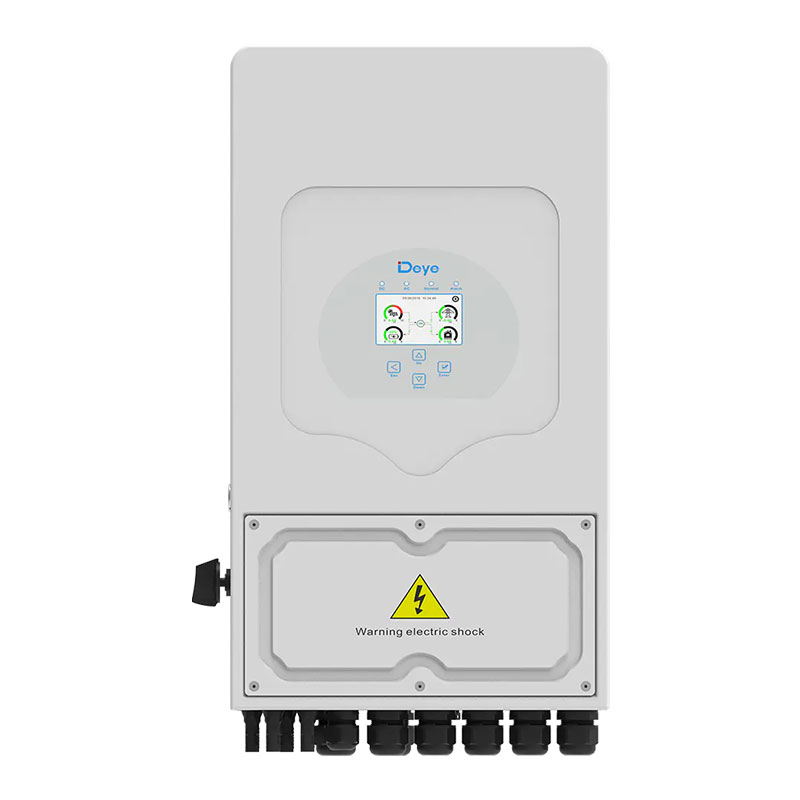
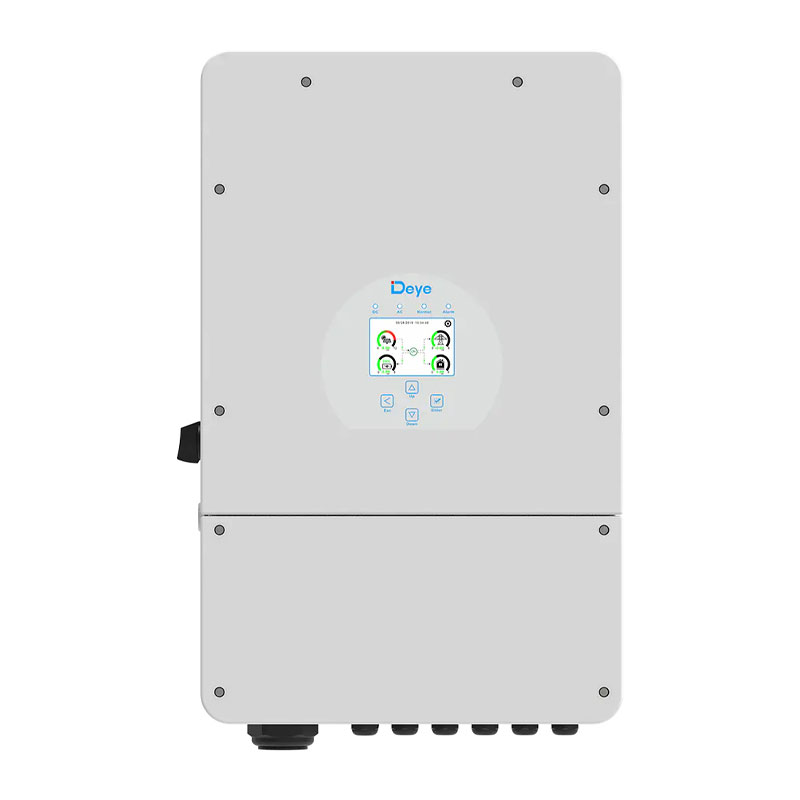
The efficiency gap between AC and DC coupling is real — 5 to 8 percentage points — but it rarely dominates the purchase decision. For most homeowners, the deciding factor is whether solar panels are already on the roof. Ripping out a functioning microinverter array to go DC-coupled rarely makes economic sense. Instead, you add a battery inverter like the Deye SUN-12K-SG04LP3 on the AC bus and call the job done.
If you are installing solar and storage simultaneously, a DC-coupled or hybrid system yields higher annual energy yield. With a hybrid inverter, the PV power flows from the MPPT charger directly into the battery at native DC voltage, avoiding one conversion loss. In a typical 10 kWh daily cycling household, that extra 6% efficiency translates to roughly 220 additional kilowatt-hours per year — enough to offset standby loads.
Compatibility adds another layer. AC-coupled batteries can pair with nearly any grid-tied solar inverter that supports frequency-watt control, whereas DC-coupled designs tie you to a specific battery voltage range (usually 48 V nominal for low-voltage stacks or 150–600 V for high-voltage stacks). When mixing brands, always confirm the battery’s BMS communication protocol (CAN or RS485) matches the inverter’s firmware. Hybrid inverters like the all-in-one energy storage system often ship with pre-certified battery lists, removing guesswork.
Every whole home backup system rests on three hardware legs. Misspec any one of them, and the system either won’t start, won’t carry the load, or becomes a maintenance headache.
The inverter sets the ceiling for both continuous and surge power. A 12 kW hybrid inverter can back up a 200 A panel in most homes, provided load management circuits are in place. Surge rating matters for motor-start devices: well pumps and air conditioners can draw 3–5× their running current for a few cycles. A quality low-frequency transformer-based inverter, such as certain solar inverters designed for off-grid service, handles those surges gracefully. High-frequency transformerless designs are lighter and cheaper but require careful derating.
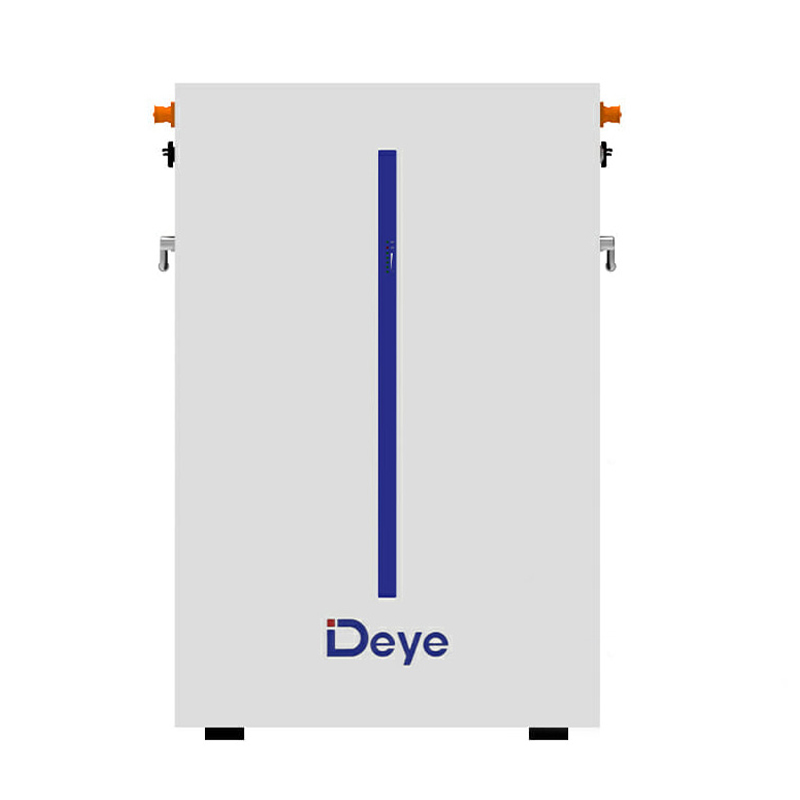
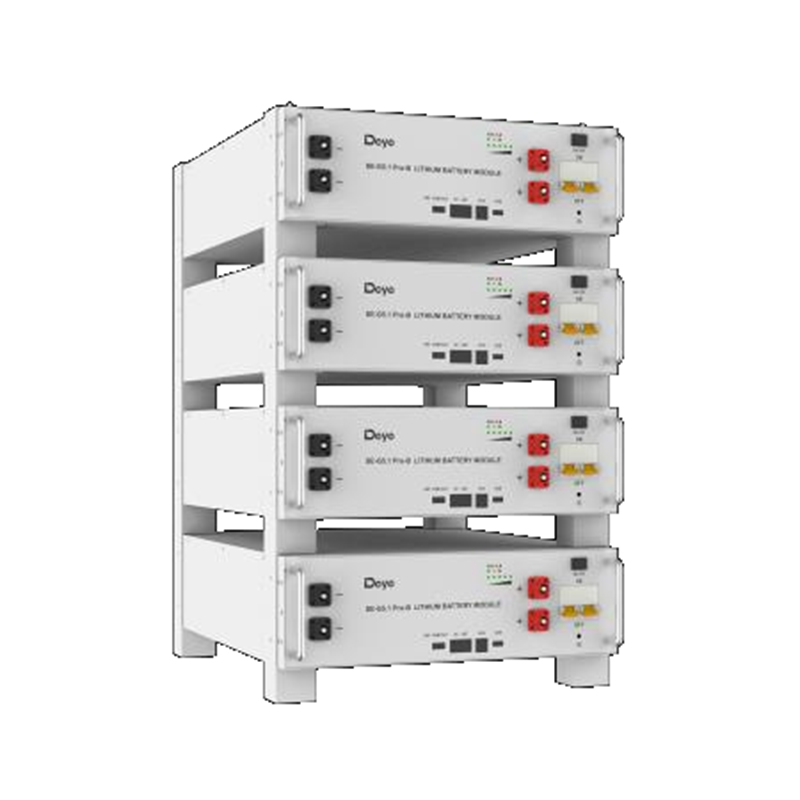
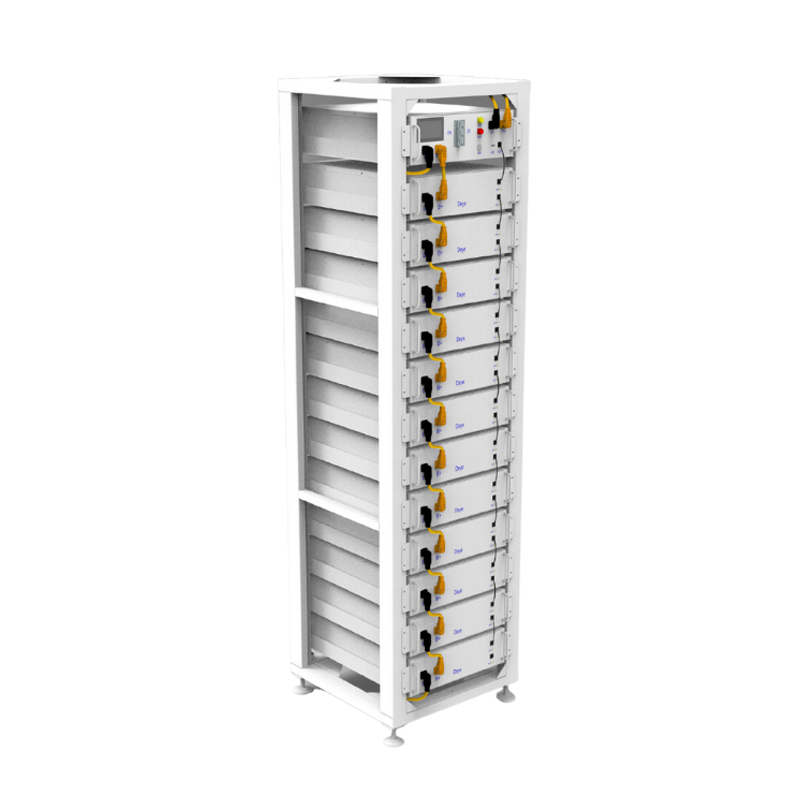
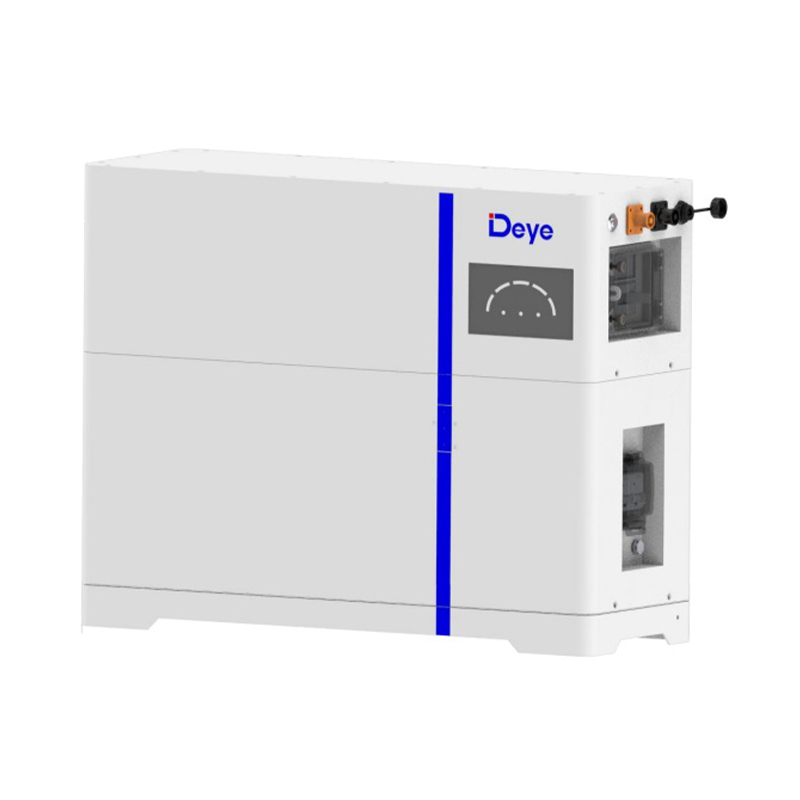
LFP (lithium iron phosphate) has become the default chemistry for stationary storage. It offers 4,000–6,000 cycles at 80% depth of discharge, roughly quadruple the cycle life of NMC alternatives. A 10 kWh LFP battery stack paired with a compatible inverter provides about 8 kWh of usable energy. For whole-home coverage, multiple cabinets are ganged together — often 20–30 kWh total. Batteries with an integrated DC breaker and self-heating pads, common in solar storage battery lines, reduce balance-of-system costs and cold-weather callbacks.
A transfer switch orchestrates the transition from grid to battery. Traditional mechanical switches take 1–2 seconds, which is fast enough for lights but disruptive to electronics. Smart panels with solid-state switching achieve a sub-20 ms transfer time, preserving clock settings and computer operation. They also let you dynamically shed heavy loads — turning off the EV charger, for instance — via a mobile app. Look for panels listed to UL 1008 or 1741 for whole-home applications.
Sizing a whole home backup system correctly means the system starts, runs, and does not nuisance-trip. The process follows three straightforward steps.
Collect 12 months of utility bills and identify the maximum kW draw in any 15-minute interval. If interval data isn’t available, sum the nameplate wattage of all major appliances that could run simultaneously. Use the table below as a reference, then multiply the total by 0.6 (typical diversity factor) to account for non-coincident loads.
| Appliance | Running Watts | Surge Watts |
|---|---|---|
| Refrigerator / Freezer | 700 | 2,200 |
| Sump Pump (1/2 HP) | 1,050 | 2,150 |
| Gas Furnace Fan | 600 | 800 |
| Central A/C (3 ton) | 3,500 | 5,500 |
| Electric Oven | 2,400 | — |
| EV Charger (Level 2) | 7,200 | — |
| LED Lighting (whole house) | 400 | — |
| Desktop + Router + Modem | 200 | — |
For a typical 2,000 sq ft home with gas heat and a single EV charger, the simultaneous demand peaks around 10–14 kW. Subtracting the EV load, the whole-home backup inverter can often be sized at 12 kW.
How long must the battery carry the house without solar input? Winter storms may block production for 2–3 days. Multiply average daily consumption (kWh) by desired autonomy days. In the US, the average daily consumption is about 30 kWh, but whole-home circuits without EV charging often draw 20–25 kWh. A 2-day autonomy target therefore requires 40–50 kWh of usable storage, or 50–63 kWh of nominal LFP capacity.
If the goal is indefinite off-grid capability, the PV array must generate more daily energy than consumption even during the worst solar month. In northern latitudes, that often means oversizing the array by 30–50% relative to annual average. Pairing a 10 kW PV array with a 40 kWh battery bank can sustain a 25 kWh/day load through most winter days in the US Sun Belt — a balance validated by multiple installer case studies.
A whole home backup system is a capital-intensive purchase, but disaggregating the cost reveals where the money goes and where incentives soften the blow. The table below reflects mid-2026 hardware pricing for a 12 kW hybrid inverter paired with a 30 kWh LFP battery stack, excluding sales tax and permitting fees.
| Line Item | Cost Range | Notes |
|---|---|---|
| Hybrid Inverter (12 kW) | $5,800 – $8,200 | Includes AC/DC disconnects |
| 30 kWh LFP Battery Bank | $9,000 – $13,500 | $300–$450 per kWh installed |
| Smart Panel / ATS | $2,200 – $3,800 | 40-circuit load center + relay logic |
| Balance of System & Wiring | $1,500 – $2,500 | Conduit, breakers, CTs, communication |
| Labor & Engineering | $4,000 – $6,500 | Electrical, structural, permitting |
| Total Pre-Incentive | $22,500 – $34,500 | |
| Federal ITC (30%) | -$6,750 – -$10,350 | Applies to equipment + labor if charging from solar |
| Net After Incentive | $15,750 – $24,150 |
The U.S. federal Investment Tax Credit (ITC) currently covers 30% of qualified battery system costs — even without solar — through 2032, after which it steps down. State-level adders (California’s SGIP, New York’s retail storage incentive) can shave off another $2,000–$5,000. In Europe, Germany’s KfW program 270 offers low-interest loans covering up to 100% of eligible costs, while the Netherlands exempts residential storage from VAT under specific conditions.
The payback math shifts when the battery participates in daily cycling. Using a time-of-use rate (e.g., California TOU-C, winter schedule), a 10 kWh usable battery that displaces $0.35/kWh peak electricity with $0.15/kWh off-peak energy saves roughly $2 per day. Over 10 years, that’s $7,300 — about half the net equipment cost of a medium-sized system. Pair that with avoided outage losses (spoiled food, hotel stays, lost work) and the financial case tightens further.
The three most discussed AC-coupled systems — Tesla Powerwall 3, Enphase IQ Battery 5P, and FranklinWH aGate — compete on integration depth rather than raw hardware specs. All three deliver 11.5 kWh of usable capacity (Powerwall 3 in standard mode) and similar round-trip efficiency, but their ecosystem lock-in varies. The table below highlights key differentiators.
| Feature | Tesla Powerwall 3 | Enphase IQ 5P | FranklinWH aGate |
|---|---|---|---|
| Usable Capacity | 11.5 kWh | 5.0 kWh (per unit) | 11.5 kWh |
| Peak Output | 5.8 kW continuous | 1.92 kW per unit (scalable) | 5.0 kW continuous |
| Generator Compatibility | Yes | No | Yes |
| Third-Party Solar Support | Limited (works best with Tesla solar) | Limited (Enphase IQ8 microinverters) | Yes (most PV inverters) |
| Warranty | 10 years, 70% capacity | 10 years, 70% capacity | 12 years, 70% capacity |
| Price (battery + inverter/gateway) | $8,000–$9,000 | $3,200 (battery only, gateway extra) | $8,500–$9,500 |
Enphase’s modular design allows granular capacity scaling but requires a separate IQ System Controller, which adds $1,500+. Tesla’s tight integration simplifies installation but restricts mixing with non-Tesla solar components. FranklinWH’s aGate’s open architecture pairs with most string and microinverter systems, making it a common fallback for retrofit projects.
Beyond the single-vendor walled gardens, a growing segment of installers builds custom whole-home solutions around hybrid inverters like Deye and battery stacks from Felicity or Pylontech. This approach decouples the inverter from the battery brand, letting homeowners choose the most cost-effective combination. The primary trade-off is that the installer shoulders the compatibility testing rather than the manufacturer. For those comfortable with a slight technical learning curve, the component-based route often saves 15–25% on hardware spend while delivering equivalent performance.
Regulatory compliance is not optional. In the US, the governing standard is NFPA 70 (NEC) Article 690 for solar and Article 706 for energy storage systems, plus the 2020 NEC requirement for outdoor emergency disconnects. UL 9540 certification for the entire battery system — not just the cells — is mandatory in most jurisdictions. In Europe, EN 62477-1 and VDE-AR-N 4105 dictate grid-interface parameters, and Germany’s VDE 4105 sets the 70% feed-in limit for PV systems without smart meter control. Skipping any of these can void a homeowner’s insurance and delay interconnection approval by months.
Before signing a contract, verify that the installer:
A professional install typically takes 2–5 working days, including panel upgrades if needed. DIY installations are permitted in some regions but often invalidate manufacturer warranties and may disqualify the system from state incentive programs. Unless you have a master electrician on-call, the risk of miswired CTs or an improperly torqued battery lug makes professional installation the safer default.
←
Solar Panels EV Charging: How Many Panels You Need & Full Setup Guide
→
Off-Grid Solar System Design: A Step-by-Step Guide to Sizing & Component Selection
 +31610999937
 [email protected]
 De Werf 11, 2544 EH The Hague, The Nederland.WhatsApp: +852 65283075
Copyright © 2023 Uni Z International B.V. VAT: NL864303440B01 All Rights Reserved
 Solar Energy Storage System Solutions and Products

 0
0


 italiano
 Polskie
 Nederlands
 Deutsch
 Français
 Español
 Український