Solar Panels for EV Charging: System Setup, Savings & Panels Needed
Jul 23,2026314Ah Cells Explained: How Deye GE-F Series Reaches 8,000+ Cycles
Jul 14,2026Deye GE-F128/F240/F256 Series Outdoor Battery Cabinet: Small-Scale C&I ESS Guide
Jul 14,2026Sub-10ms STS Switching Explained: MS-MPPT400-2 vs MS-TS500-2
Jul 14,2026Beyond Storage: How MS-EMS Turns Arbitrage and Demand Response Into Revenue
Jul 14,2026Content
An average European driver commuting 40 km daily spends roughly €600–€700 per year charging an electric vehicle from the grid. Installing a dedicated photovoltaic system drops that recurring cost below €250 annually while insulating the household from rising electricity tariffs. The challenge is not whether solar panels can charge an EV—they can—but understanding exactly how many panels are needed, which components prevent expensive missteps, and where the real payback lies.
A solar EV charging system converts sunlight into direct current, channels it through an inverter to produce usable alternating current, and delivers that power to the vehicle via a dedicated charging station. The minimum viable setup requires a photovoltaic array, a compatible inverter, and an AC charger rated for at least 1.4 kW to maintain a stable charging session. During daylight hours, the inverter prioritizes solar generation, only supplementing with grid power if the array output falls below the vehicle’s demand.
A common misunderstanding is that solar panels connect directly to the car. They do not. The inverter acts as the central controller, ensuring voltage and frequency match what the onboard charger expects. Without proper synchronization, the EV will refuse the charge. This is why a hybrid inverter with surplus management capability is often the deciding factor between a system that works seamlessly and one that triggers frequent faults.
When comparing fuel types over 15,000 km per year, solar-charged electric miles cost approximately $200–$300 annually in levelized panel and equipment depreciation. Grid charging at the European average of €0.30/kWh pushes that figure to $600–$700 per year, while a comparable gasoline vehicle incurs roughly $2,500 in fuel costs. These are long-run marginal costs that account for equipment replacement cycles, not just raw kWh prices.
German households paying €0.35/kWh face an even starker difference. A 40 kWh battery pack charged exclusively from the grid at that rate costs €14.00 per full cycle. The same energy harvested from a 6 kW solar array carries a levelized generation cost near €0.06/kWh, bringing the full-cycle expense under €2.50. The savings accumulate fastest for high-mileage drivers who charge during midday solar peaks rather than overnight. This daytime charging behavior eliminates the need for a large storage battery in many cases, shortening the payback period to under seven years.
A typical European compact EV consumes roughly 0.18 kWh per kilometer. Driving 40 km per day therefore requires 7.2 kWh of usable energy. In regions with 3.5 peak sun hours daily, a 400W panel generates approximately 1.4 kWh per day after system losses. Six such panels produce 8.4 kWh—sufficient to cover the daily commute with a modest buffer for ancillary loads. For 80 km daily ranges or larger vehicles, the requirement scales to 12–14 panels.
| Daily Distance (km) | Daily Energy Need (kWh) | 400W Panels Required |
|---|---|---|
| 30 | 5.4 | 4–5 |
| 40 | 7.2 | 6–7 |
| 60 | 10.8 | 8–9 |
| 80 | 14.4 | 11–12 |
Roof orientation and seasonal irradiance affect these figures substantially. A south-facing roof in southern Italy may achieve 4.2 peak sun hours, reducing the panel count by one or two units. A partially shaded east-west array in northern Germany operating at 2.8 equivalent hours may need 8–10 panels for the same 40 km commute. A conservative system design should target 20% oversizing to maintain reliability through winter months without relying on grid imports.
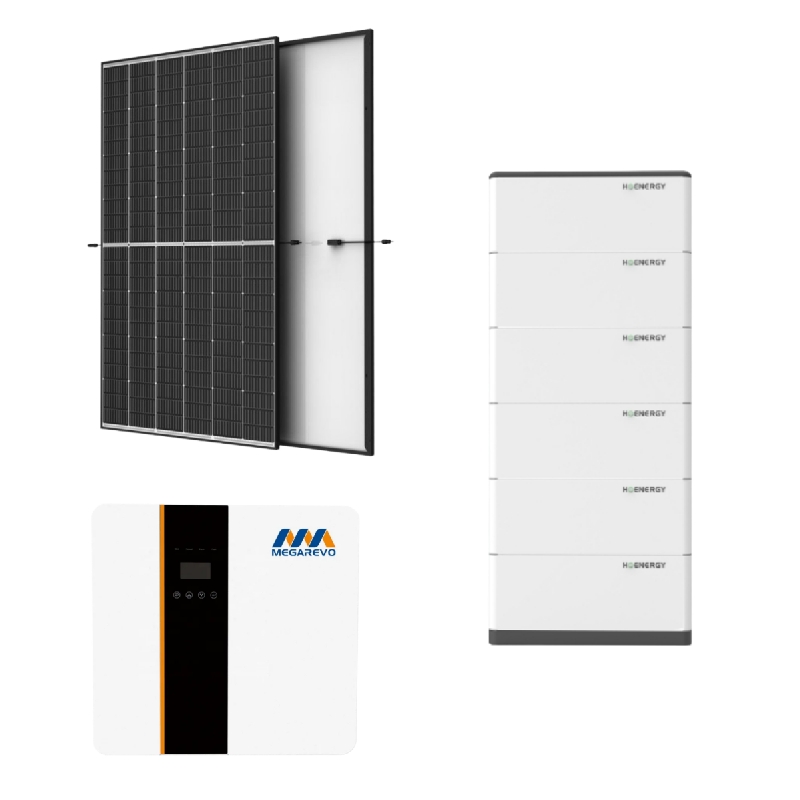
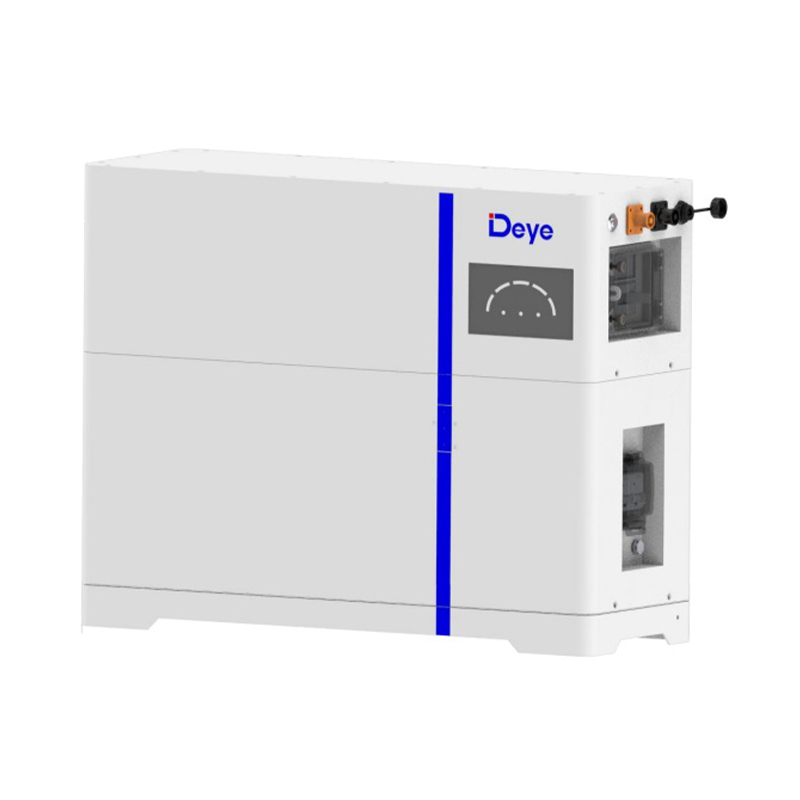
A pre-configured residential kit simplifies procurement. For example, our 6kW solar kit with 10kWh battery storage aligns well with a 40–50 km daily driving profile, providing both daytime charging capacity and stored energy for evening top-ups.
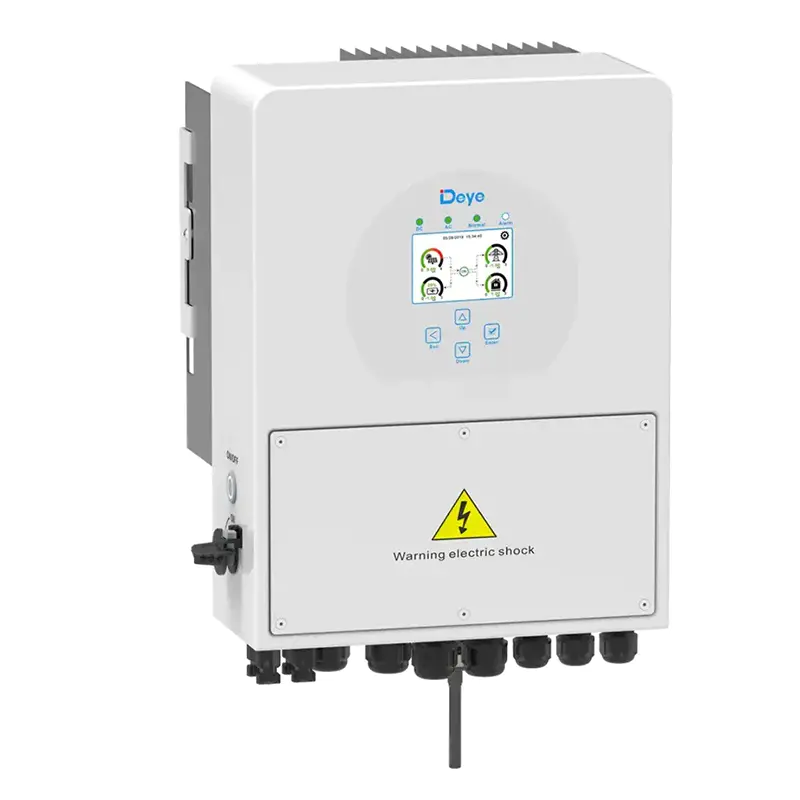
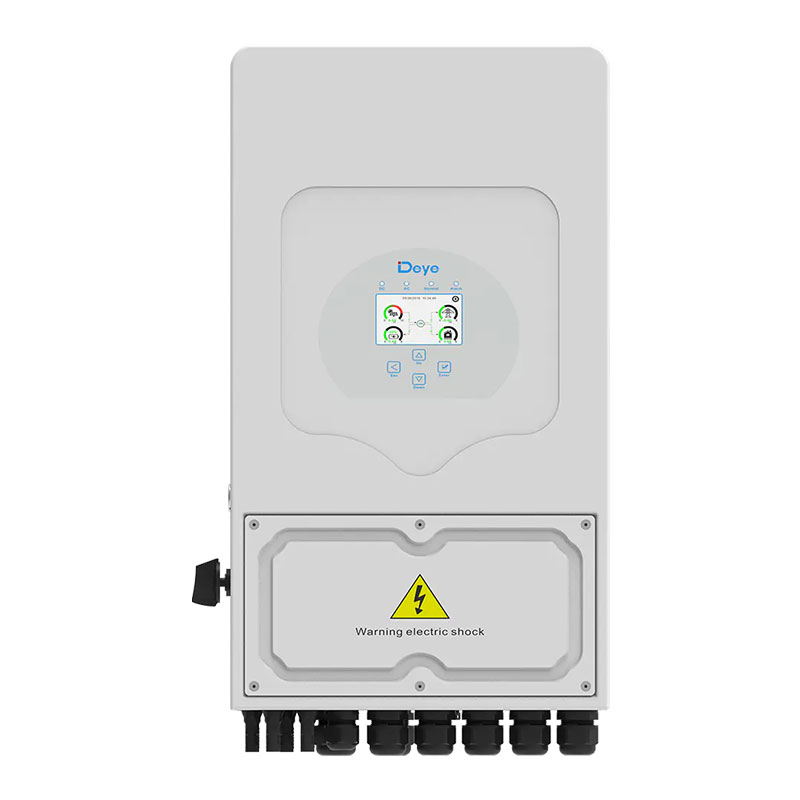
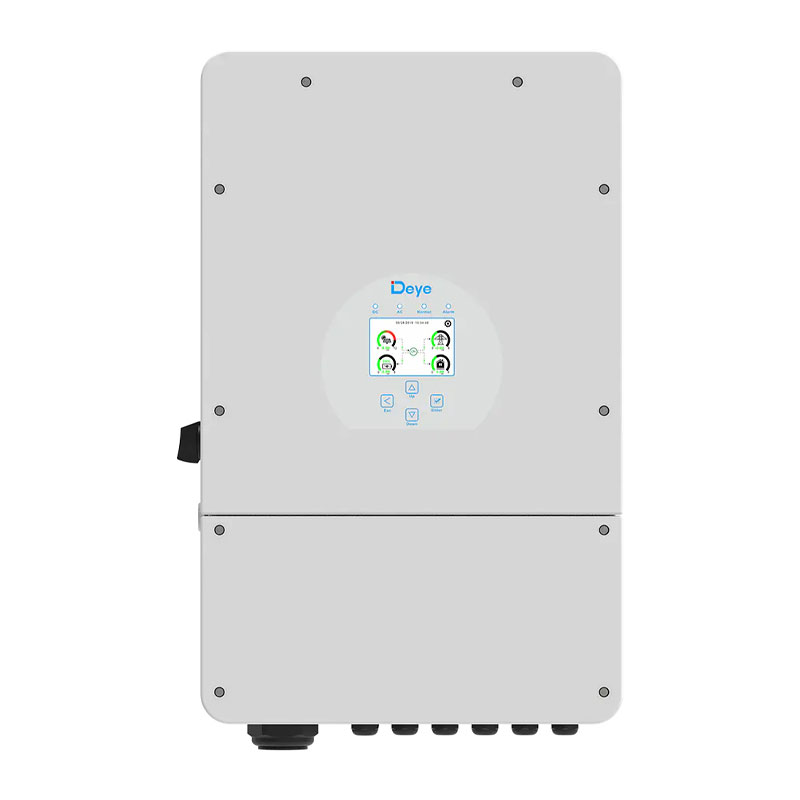
6KW Photovoltaic kit with 10KWh storage Suppliers, Company - Uni Z InternationalUni Z International B.V. is China 6KW Photovoltaic kit with 10KWh storage Suppliers and Factory,The 6KW photovoltaic kit with storage is ...View Product →The inverter dictates how solar generation interacts with both the home and the EV. A standard grid-tied inverter without export limitation may feed excess production back to the grid instead of routing it to the car. A hybrid inverter with integrated energy management can dynamically allocate power between household loads, battery storage, and the EV charger. This flexibility is critical when the vehicle is plugged in during variable cloud conditions.
Additionally, the inverter must handle the EV charger's startup inrush and continuous load. A 7 kW charger draws roughly 30A single-phase; undersized inverters will trip or throttle output. Selecting a hybrid unit rated at minimum 1.2 times the charger's maximum draw prevents nuisance interruptions.
Home installations overwhelmingly favor AC chargers. They are simpler, cost under €500 for a capable unit, and match the onboard rectifier every production EV carries. DC fast chargers bypass the onboard charger and feed high-voltage DC directly to the battery. That speed advantage comes at a steep hardware cost—typically €8,000–€25,000 for a unit under 30 kW—and requires three-phase commercial electrical infrastructure. For residential applications, a quality 7 kW or 11 kW AC wallbox represents the practical sweet spot.
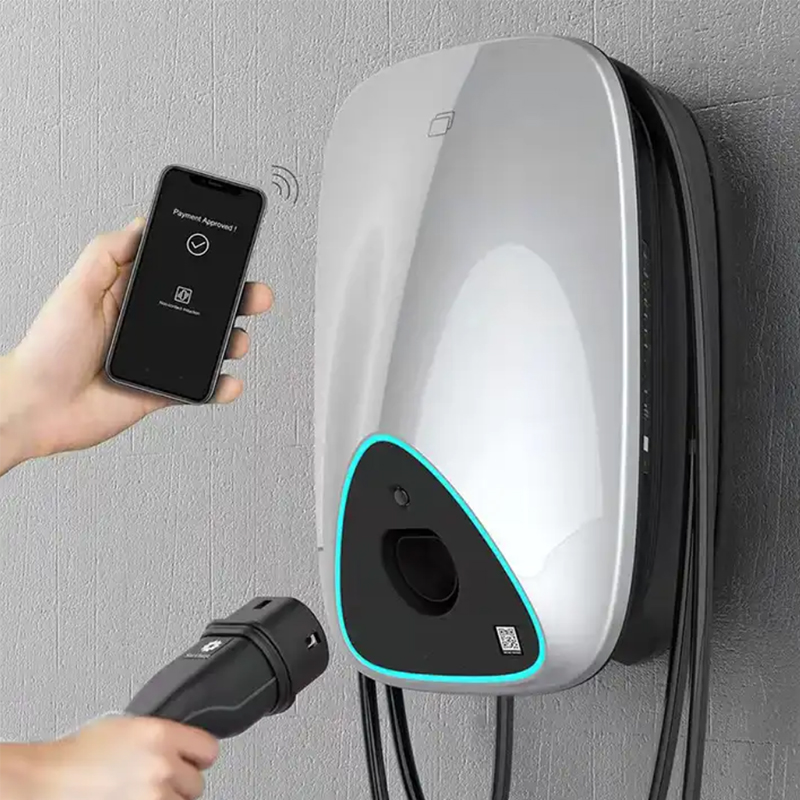
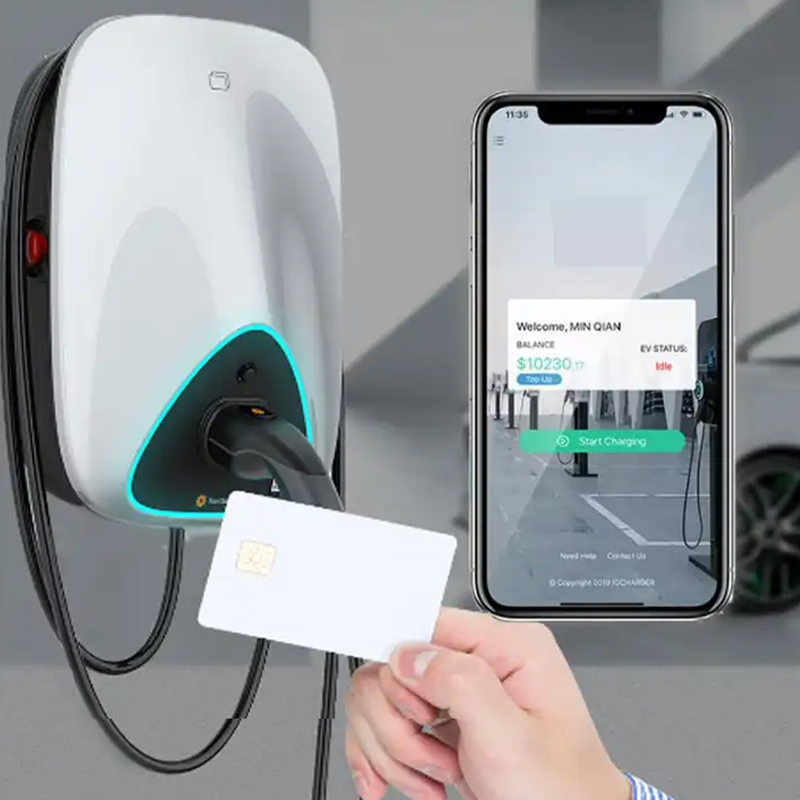
A single-phase household with a 32A circuit can support our 7kW AC EV charger with Type 2 plug, which replenishes roughly 35–40 km of range per hour. Homes with three-phase supply benefit from our 11kW AC charger, cutting charging time by roughly one-third for compatible vehicles. Match the charger's phase configuration to the existing electrical panel to avoid costly upgrades.
11KW EV CHARGER A011KP1-E-2 CHARGING PLUG Suppliers, Company - Uni Z InternationUni Z International B.V. is China 11KW EV CHARGER A011KP1-E-2 CHARGING PLUG Suppliers and Factory,11KW EV CHARGER is suitable for use in...View Product →
7.3KW EV CHARGER A7300P1-E CHARGING PLUG Suppliers, Company - Uni Z InternationaUni Z International B.V. is China 7.3KW EV CHARGER A7300P1-E CHARGING PLUG Suppliers and Factory,With plug and charge, simply connect you...View Product →
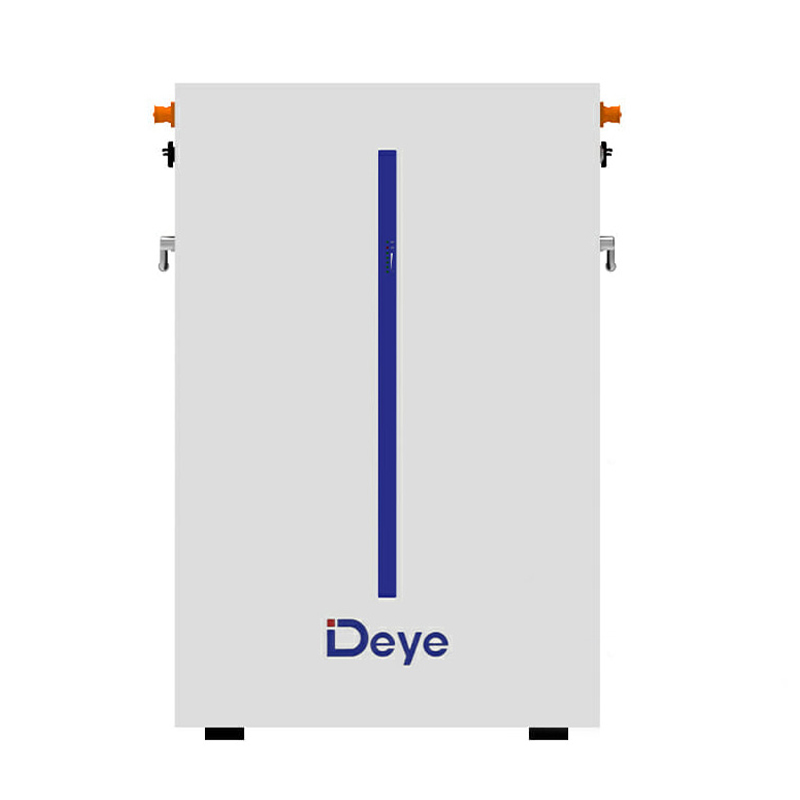
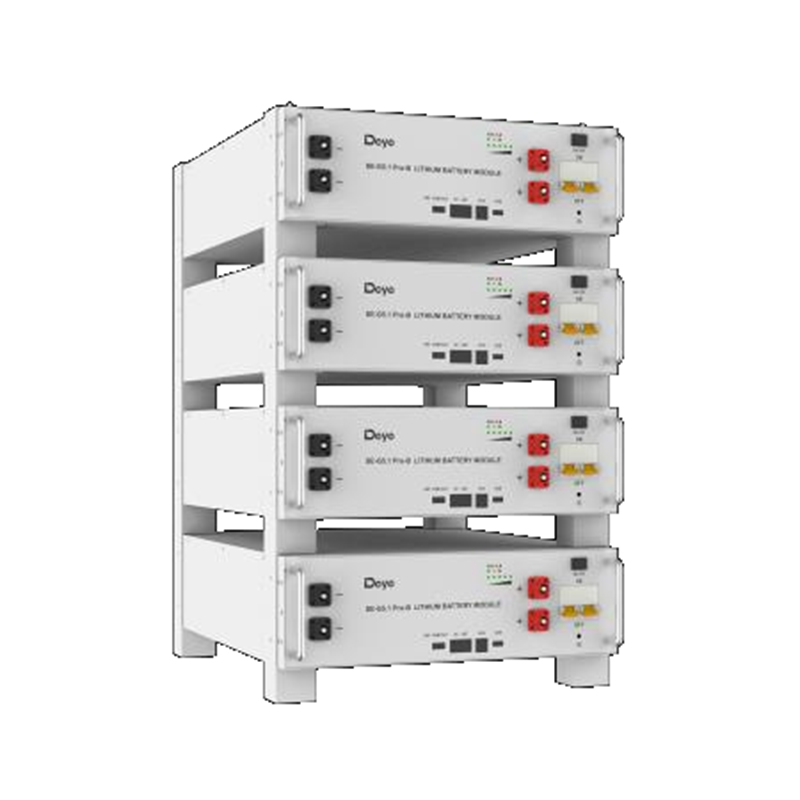
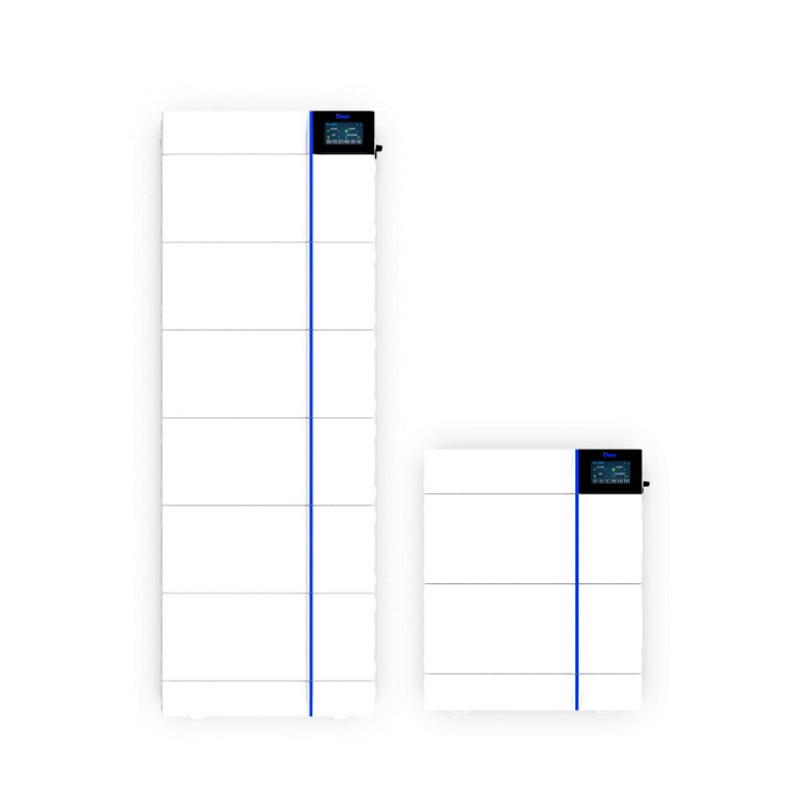
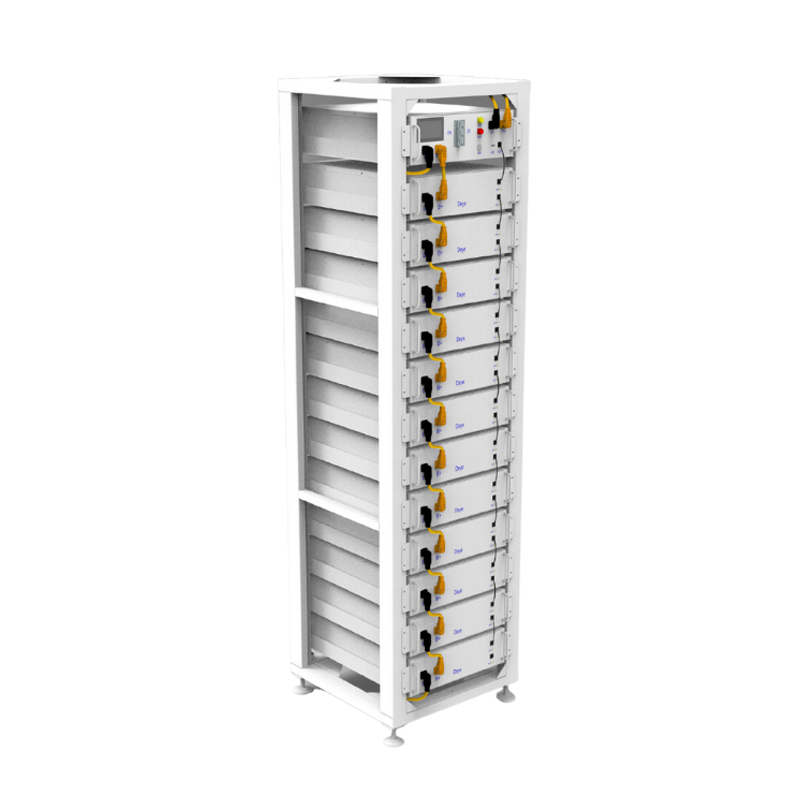
Adding a lithium battery bank decouples solar generation from charging time. Without storage, a vehicle parked at an office during peak sun hours misses most of the available solar energy. A 10 kWh battery captures that midday surplus and discharges it to the EV in the evening. This configuration doubles the effective utilization of the PV array for drivers who cannot charge at midday. The cost trade-off favors a battery when the spread between solar generation cost and evening grid rates exceeds €0.15/kWh, which is common in Germany and Italy under current tariff structures.
A grid-tied solar EV system remains the default choice for 90% of homeowners. During low-irradiance periods, the grid supplies the shortfall automatically. Excess solar not consumed by the house or EV flows back to the utility, often earning a feed-in tariff. This setup requires no behavioral changes—the car charges whenever it is plugged in, and the inverter optimizes the solar fraction in real time.
Off-grid charging eliminates utility dependence entirely but demands a substantially larger solar array and battery bank. A fully off-grid system targeting 40 km daily must size the battery to cover at least two consecutive cloudy days. That typically means 20–25 kWh of usable storage and 10–12 kW of PV. The capital outlay runs 2–3 times higher than an equivalent grid-tied configuration. Off-grid designs are best reserved for remote properties where grid connection costs exceed €15,000 or where energy independence is the primary objective.
Step 1: Assess annual consumption. Review the EV's efficiency rating and multiply by expected kilometers. Add a 15% reserve margin for battery degradation and seasonal variation.
Step 2: Evaluate the roof or ground-mount area. Measure usable square meters and check for shading from chimneys, neighboring buildings, or trees between 9 AM and 3 PM. A solar pathfinder or digital shading analysis tool provides precise loss estimates.
Step 3: Select a hybrid inverter matched to the panel string voltage and the charger's phase requirement. Confirm the inverter's maximum continuous AC output exceeds the charger's rated input.
Step 4: Choose an AC charger with appropriate plug type and current rating. Hardwired installations eliminate socket overheating risk; plug-in units offer portability. Coordinate the circuit breaker and residual current device ratings with the charger specifications.
Step 5: Install the PV array and charger according to local electrical codes. Commission the system with a qualified electrician who can verify ground-fault protection, phase rotation, and communication between the inverter and any energy management gateway.
For integrated shipping and technical compatibility across all components, refer to our AC EV charging pile selection and matched solar kits.
Monitoring solar fraction—the percentage of EV energy supplied by the panels—surfaces underperformance early. A well-designed 6 kW system paired with a 7 kW charger in a sunny climate should deliver a solar fraction above 70% for a daytime-charged vehicle. If the fraction drops below 50% in summer, investigate panel soiling, inverter clipping, or load-scheduling conflicts. A small 10 kWh battery typically lifts solar fraction by 15–25 percentage points for evening charging routines. We cover deeper system-sizing logic in our detailed guide on how many solar panels for EV charging.
+31610999937
[email protected]
De Werf 11, 2544 EH The Hague, The Nederland.
WhatsApp: +1 (917) 257 2995/Copyright © 2023 Uni Z International B.V. VAT: NL864303440B01 All Rights Reserved
Solar Energy Storage System Solutions and Products