Solar Panels EV Charging: How Many Panels You Need & Full Setup Guide
Jun 30,2026Whole Home Backup System: AC vs DC Coupled, Cost & Sizing
Jun 24,2026Off-Grid Solar System Design: A Step-by-Step Guide to Sizing & Component Selection
Jun 17,2026Lithium Battery for Solar System: Buyer’s Guide to Costs, Brands & Setup
Jun 12,2026EV Charging Demand 2026: Trends, Infrastructure Growth & Home Solar Solutions
Jun 04,2026Content
Charging an electric vehicle with home solar costs roughly $235 per year — less than a third of what the average American household spends on gasoline. The math is straightforward: once you own the generation capacity, every mile driven on sunshine is a mile that grid power or gas cannot touch. Pairing solar panels with EV charging also locks in your transportation fuel price for 25 years or more, insulating you from utility rate hikes and volatile oil markets.
Beyond the financial case, the environmental payoff is immediate. A typical gasoline sedan emits about 4.6 metric tons of CO₂ annually. An EV charged from the grid still carries upstream emissions averaging 2,200 lb CO₂ per year nationwide. Switch that EV to a dedicated solar array and operational tailpipe emissions drop to zero, while lifecycle manufacturing emissions remain unchanged. The combination often qualifies for the 30% federal Investment Tax Credit (ITC) on the solar system, and many states add incentives for EV charger installation.
| Fuel Source | Cost per Mile | Annual Cost |
|---|---|---|
| Gasoline (25 mpg, $3.50/gal) | $0.14 | $1,890 |
| Grid electricity ($0.15/kWh) | $0.04 | $540 |
| Home solar (self-consumed) | $0.015 | $203 |
These figures assume efficient energy use, but they illustrate the core proposition: solar EV charging is the lowest-cost fuel option available to homeowners today. For installers, this pairing creates a compelling sales story that bundles two high-ticket products and increases average deal size.
The number of solar panels depends on how far you drive, your EV’s efficiency, and local peak sun hours. Start with a simple formula: daily driving distance (miles) ÷ vehicle efficiency (miles/kWh) = daily kWh needed. Then divide that by the daily output of one panel (panel wattage × peak sun hours ÷ 1,000). Most US locations receive 4 to 5 peak sun hours, and modern 400W residential panels deliver roughly 1.6 kWh per panel per day under average conditions.
An American commuter logging 40 miles each day in a car that achieves 3.5 miles per kWh consumes about 11.4 kWh daily. Dividing that by 1.6 kWh yields 7.1 panels. Round up to 8 panels to cover inverter losses and seasonal variation. The table below shows panel counts for popular EV models based on typical daily usage, not a full 0–100% charge every day.
| EV Model | Battery (kWh) | Miles/kWh | Panels Needed |
|---|---|---|---|
| Tesla Model 3 RWD | 60 | 4.2 | 6 |
| Nissan Leaf (40 kWh) | 40 | 3.2 | 8 |
| VW ID.4 Pro | 82 | 3.7 | 7 |
| Ford F-150 Lightning | 98 | 2.1 | 12 |
If you already own a solar array, check your surplus generation before adding panels. Many homes generate 30–50% more than they consume in summer, creating headroom for a Level 2 charger without upsizing the system. For new installations, adding an extra 6–8 panels to a typical 8 kW residential system usually covers a commuter’s annual EV demand.
A functional solar EV charging system requires four core components: photovoltaic panels, an inverter capable of managing loads, an optional battery storage unit, and the charging station itself. A common mistake is treating these as standalone items. Their compatibility determines whether the system can prioritize self-consumed solar power, schedule charging during peak production, and avoid drawing from the grid when tariffs are high.
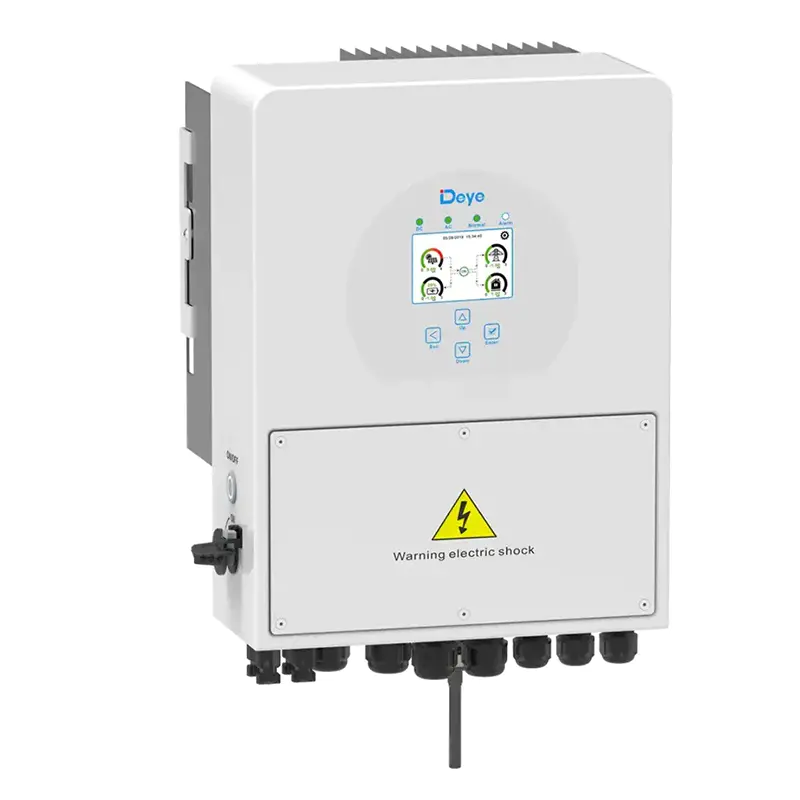
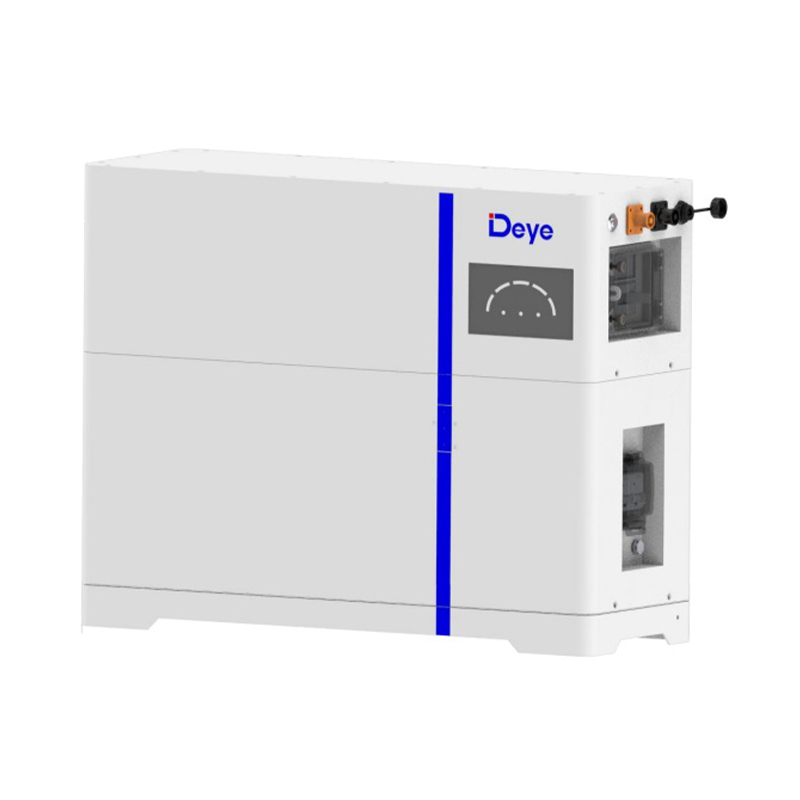
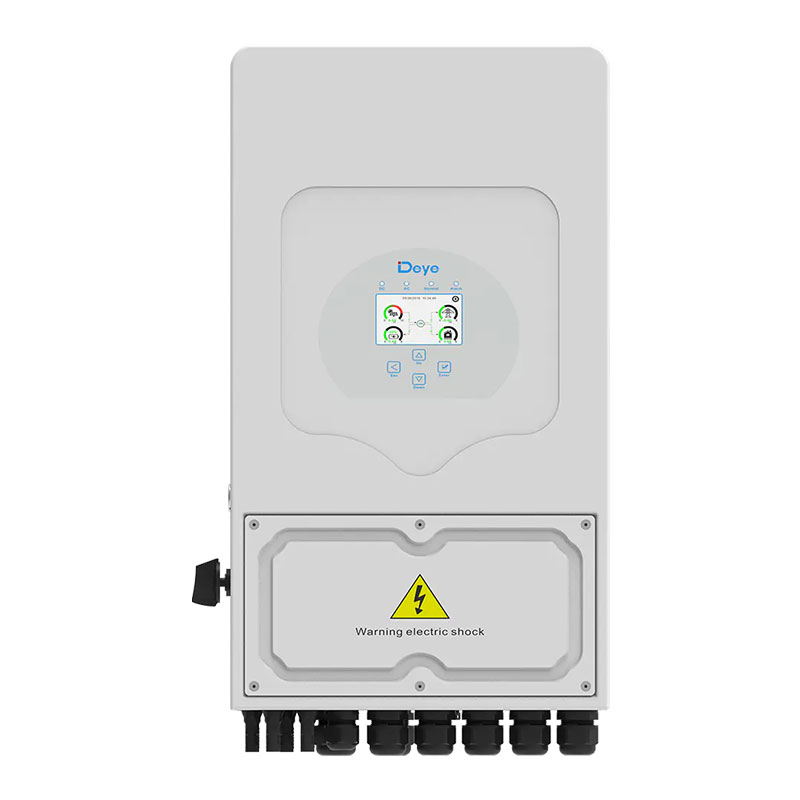
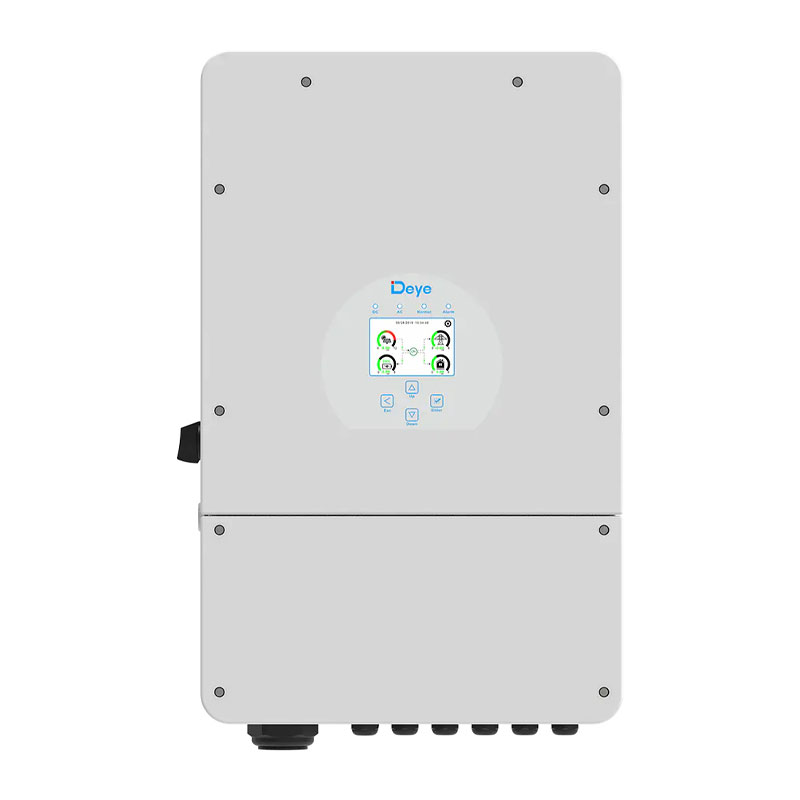
The inverter is the brain of the operation. Hybrid inverters with multiple Maximum Power Point Trackers (MPPTs) allow you to connect separate solar strings and dynamically route power to the home, battery, and EV. Look for units that support Demand Response modes and have dedicated EV charging logic. Pairing a hybrid inverter with a 7kW AC EV charger ensures the car can absorb excess solar generation without exceeding the inverter’s rated output.
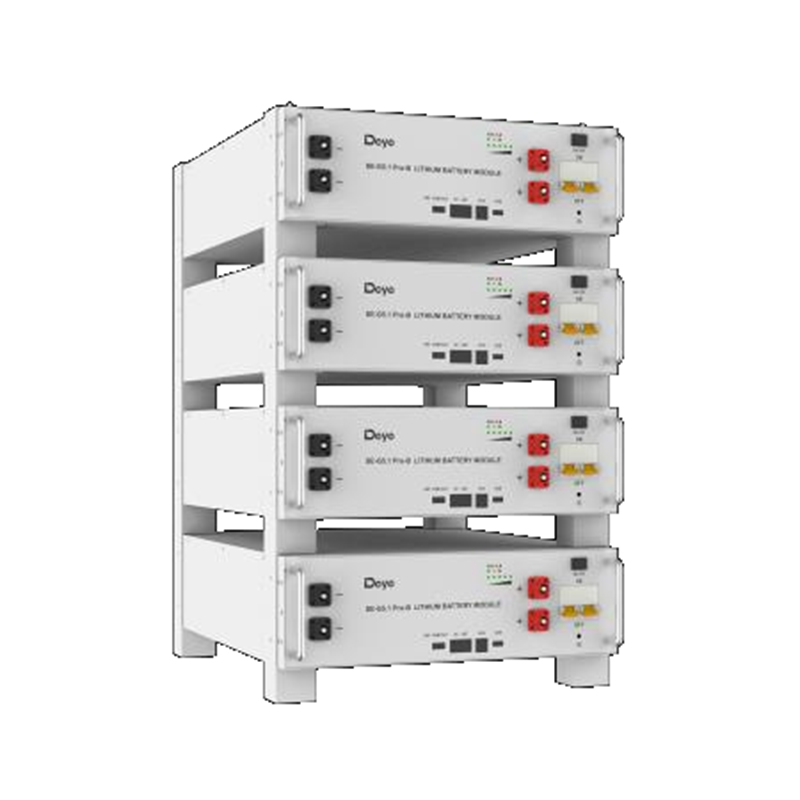
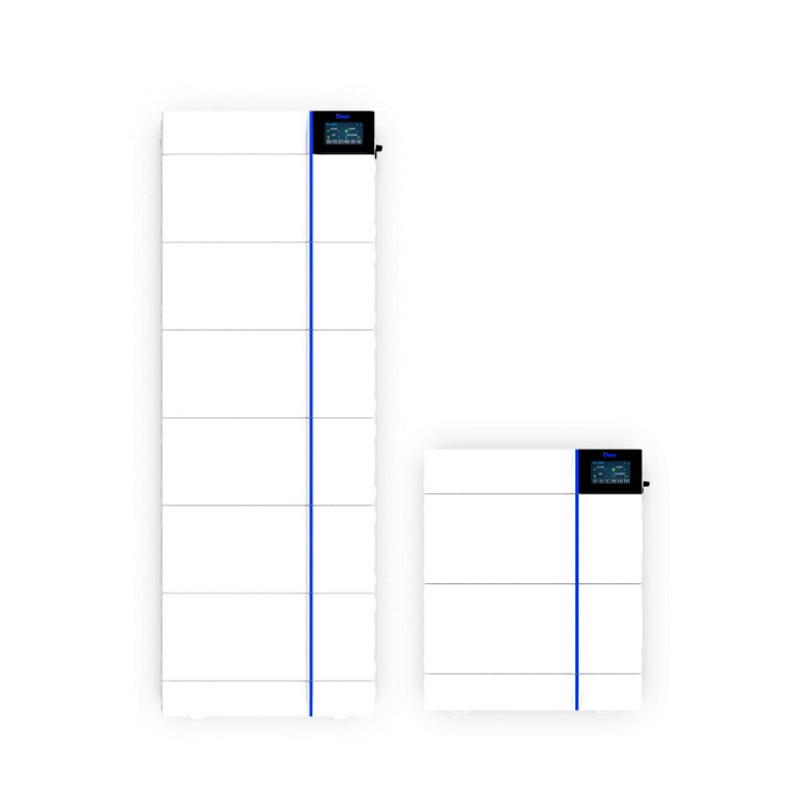
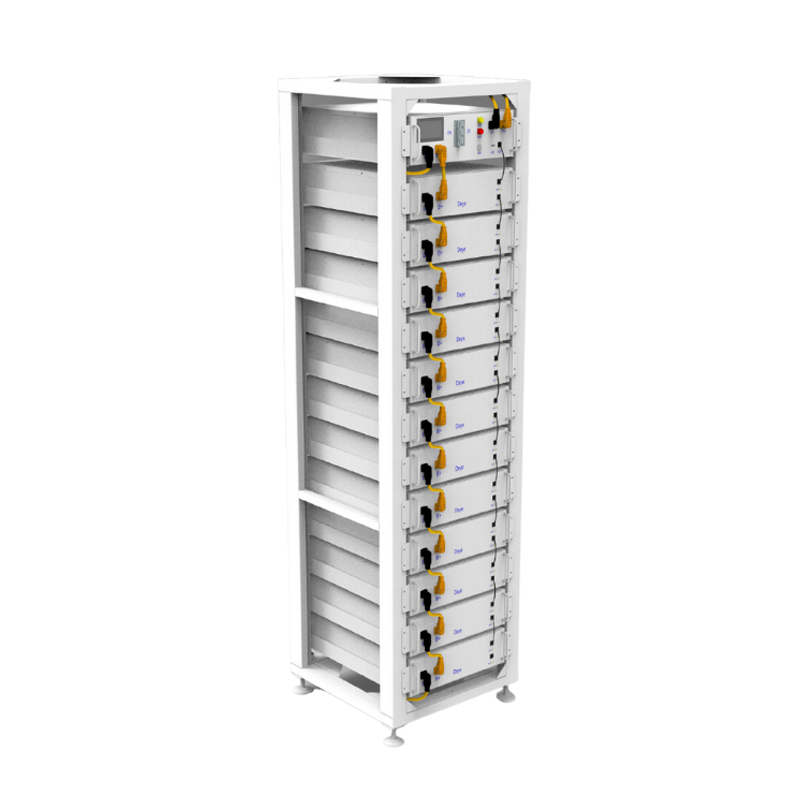
A battery storage system adds another layer of flexibility. When solar production exceeds vehicle demand, surplus energy can be stored for overnight charging. Lithium iron phosphate (LFP) batteries with 10–15 kWh usable capacity work well for a single EV; larger households may stack multiple modules. An installer’s checklist should cover:
For maximum self-consumption, a smart charger can modulate charging current in real time based on solar inverter telemetry. Some systems even allow setting a “solar-only” mode, where the EV charges exclusively from surplus solar.
AC Level 2 charging (3.3–19.2 kW) is the practical home solution. It integrates seamlessly with single-phase residential solar inverters and can be time-scheduled to coincide with peak sun hours. A 7 kW AC charger adds roughly 25 miles of range per hour, covering daily commuting needs during a typical 4-hour solar window. DC fast charging, on the other hand, operates at 30 kW to 350 kW and almost always requires a three-phase commercial connection and a substantial battery buffer.
For residential setups, AC Level 2 is the clear winner for cost and compatibility. The table below highlights key differences. Even when a homeowner owns a large solar array, a DC charger makes little financial sense — utility interconnection fees, transformer upgrades, and battery needs quickly erase any speed benefit.
| Parameter | AC Level 2 (7–22 kW) | DC Fast Charging (30–240 kW) |
|---|---|---|
| Typical solar array needed | 4–12 kW | 80–300 kW |
| Battery buffer required | Optional, 10–15 kWh | Mandatory, 100–500 kWh |
| Installation cost (equipment only) | $500–$2,000 | $15,000–$80,000+ |
| Best for | Homes, small offices | Commercial fleets, highway stops |
Portable solar panels — often 200–400W folding units — can trickle-charge a 12V battery or feed a small portable power station, but they cannot directly charge an EV at any meaningful rate. A 400W panel in ideal sunlight adds about 1.5 miles of range per hour. For emergency top-ups, a foldable solar kit paired with a portable power station is viable, but for routine driving, a permanent array is non-negotiable.
A residential installation follows a clear sequence. Begin with a load analysis, match the solar array to both household and vehicle consumption, select inverter and charger hardware, secure permits, and commission the system with solar-priority charging logic. Each step below draws on real-world installer experience.
One often-overlooked detail: the EV’s onboard charger acceptance rate. Even if the charger is rated for 11 kW, many entry-level EVs cap AC charging at 7.2 kW. Sizing the system to the vehicle’s maximum rate prevents unnecessary inverter oversizing.
The payback period for a solar-plus-EV system depends heavily on local electricity rates, fuel prices, and available incentives. For a homeowner in California paying $0.32 per kWh, installing a dedicated 2 kW solar array (5 panels) for EV charging can pay for itself in under 4 years compared to grid charging, and under 2 years compared to gasoline. The ITC reduces the upfront solar cost by 30%, and many utilities offer additional rebates on Level 2 chargers.
A 5-year total cost of ownership analysis clarifies the difference. The scenario assumes 13,500 miles per year, a 40 mpg gasoline car, $0.15/kWh grid electricity, and a 2.4 kW solar add-on costing $3,120 before the tax credit. All costs are undiscounted for simplicity.
| Fuel Source | Annual Fuel Cost | 5-Year Fuel Cost | Upfront Equipment | Total 5-Year Outlay |
|---|---|---|---|---|
| Gasoline ($3.50/gal, 25 mpg) | $1,890 | $9,450 | $0 | $9,450 |
| Grid electricity ($0.15/kWh) | $540 | $2,700 | $500 (charger) | $3,200 |
| Home solar add-on | $0 (fuel cost sunk) | $0 | $2,184 (after 30% ITC) | $2,184 |
The numbers become even more dramatic when utility rates escalate 3–5% annually; solar LCOE remains constant. For commercial fleets, the avoided cost of diesel and the demand charge reduction from on-site generation often push ROI below 5 years, even without subsidies.
Fleet depots, retail parking lots, and logistics centers are adopting solar-powered DC fast charging at a rapid clip. A well-designed 100 kW solar canopy paired with five 120 kW dual-port chargers can serve 10 vehicles simultaneously while cutting demand charges and generating Solar Renewable Energy Credits (SRECs) where available. The table below shows a baseline configuration for a site that refuels 30 light-duty EVs daily.
| Component | Specification | Estimated Cost (USD) |
|---|---|---|
| Solar array (250 × 400W panels) | 100 kW DC, fixed tilt | $90,000 |
| Commercial hybrid inverters (2 × 50 kW) | 3-phase, 480V, 98.5% CEC efficiency | $25,000 |
| Battery storage (150 kWh LFP) | 150 kWh usable, 0.5C charge/discharge | $42,000 |
| DC fast chargers (5 × 120 kW) | Dual-port, OCPP 2.0, CCS/NACS | $175,000 |
| Installation, engineering, permits | Turnkey EPC | $68,000 |
| Total capital outlay | $400,000 |
With a blended revenue of $0.30/kWh from drivers and avoided demand charges of $2,000/month, this system can generate $85,000 annually in net savings and revenue. Factoring in a 10% investment tax credit and MACRS depreciation, the simple payback falls to 4.2 years. After that, the energy is nearly free for decades. The key technical enabler is OCPP compliance, which allows the site operator to throttle charger output based on real-time solar availability and battery state of charge. Installers who can deliver a fully integrated solar-plus-storage-plus-charging package are capturing a market that traditional EV charger vendors often miss.
For medium-scale applications like municipal lots or university campuses, a scaled-down version with a 50 kW array and two 60 kW chargers achieves similar returns while reducing interconnection complexity. The common denominator across all commercial projects is pairing high-efficiency mono-PERC solar panels, like those from LONGi Solar, with modular DC chargers that can be expanded as fleet demand grows.
+31610999937
[email protected]
De Werf 11, 2544 EH The Hague, The Nederland.
WhatsApp: +1 (917) 257 2995/Copyright © 2023 Uni Z International B.V. VAT: NL864303440B01 All Rights Reserved
Solar Energy Storage System Solutions and Products