3 Phase Hybrid Inverter Guide: Sizing, Battery Pairing and Buying Advice
Sep 18,2026Which Type of Solar Panel Is Best? A Practical Buyer's Guide for Homes in 2026
Sep 11,2026On-Grid vs Off-Grid Solar Systems: Definitions, Differences & Buying Guide
Sep 04,20266 Key Feature Upgrades in the Deye SG06 Series Hybrid Inverters
Sep 02,2026Deye SG06LP1 vs SG05LP1: Single-Phase Hybrid Inverter Comparison
Sep 02,2026Content
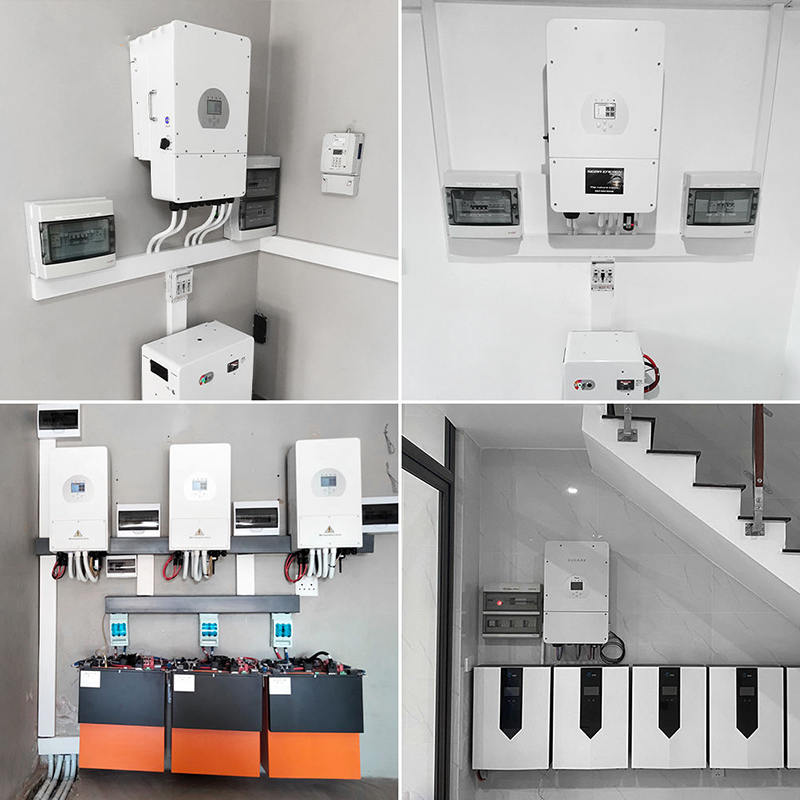
If you have ever opened a distribution board and found three live conductors instead of one, you already know why a 3 phase hybrid inverter is such a frequent request. It combines a solar inverter, a battery charger and an energy manager in a single chassis, and it delivers power across all three phases instead of pushing everything down one line. We supply and support these units every week, and the same questions keep coming back: how does it actually work, which battery should go with it, and how large does it need to be?
This guide is our practical answer. It covers the working principle, the difference between single-phase and three-phase machines, the two mainstream battery architectures, sizing rules and the features that separate a smooth installation from a frustrating one.
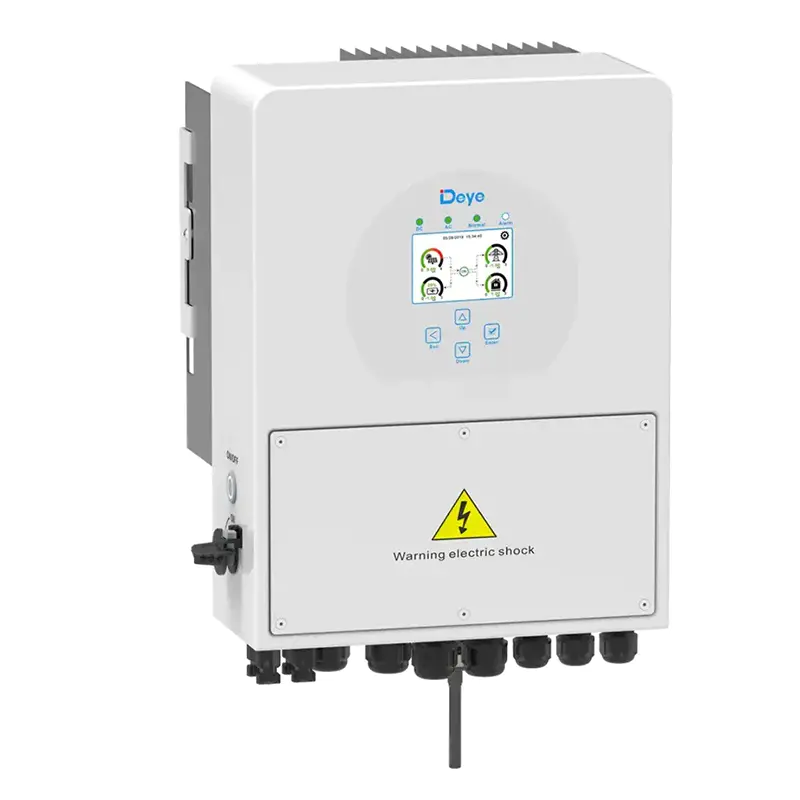
A three-phase hybrid inverter converts DC electricity from solar modules into three-phase AC power while also managing the charge and discharge of a battery bank. "Hybrid" means the unit handles generation and storage together. "Three-phase" describes the output: three live conductors, each offset by 120 degrees, giving a nominal 400 V line-to-line across most of Europe and a comparable arrangement in other regions.
Functionally, it replaces three separate devices — a string inverter, a battery inverter-charger and a system controller. That integration saves wall space, cabling and commissioning time, which is why hybrid units have largely displaced separate battery inverters in new residential designs.
Residential models usually span 5 kW to 30 kW. Commercial versions step up through 40 kW, 50 kW and 75 kW, with 100 kW and 125 kW units used on larger sites or in paralleled installations.
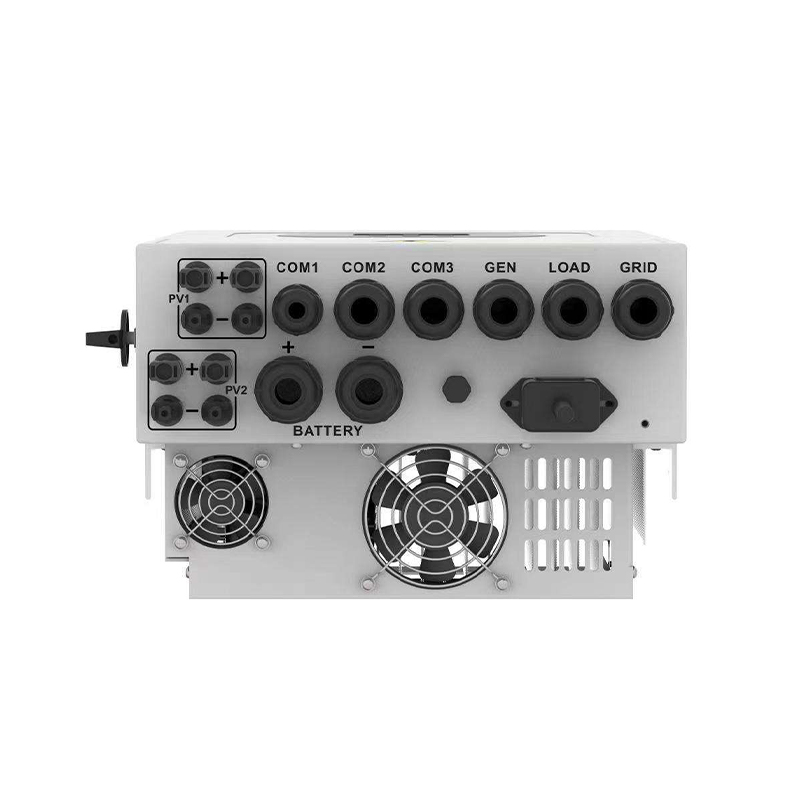
Inside the enclosure the power path is easy to follow:
Because the output is three-phase, the inverter can spread power evenly across all three lines. Better models also support unbalanced output, deliberately sending more power to the phase carrying the heaviest load — useful where a heat pump sits on one phase and the rest of the house on another.
The supply type at the property usually settles this question, but the differences are worth understanding before you order hardware.
| Aspect | Single-phase hybrid | Three-phase hybrid |
|---|---|---|
| Typical grid supply | 230 V, one live conductor | 400 V, three live conductors |
| Common power range | 3.6 kW to 16 kW | 5 kW to 125 kW |
| Phase balancing | Not applicable | Even distribution, with unbalanced output on many models |
| Best suited to | Small homes, apartments, balcony kits | Larger homes, heat pumps, EV charging, workshops, small commercial sites |
| Battery options | Mostly 48 V low-voltage packs | Low-voltage or high-voltage packs |
| Parallel operation | Limited | Common, often up to six or ten units |
If the property has a three-phase connection and any of these loads — a heat pump, an induction hob, a 22 kW wallbox or a workshop machine — the three-phase hybrid is almost always the better fit. It keeps phases balanced, avoids nuisance tripping and can usually be paralleled later if demand grows.
Once the output type is settled, battery architecture is the next fork in the road.
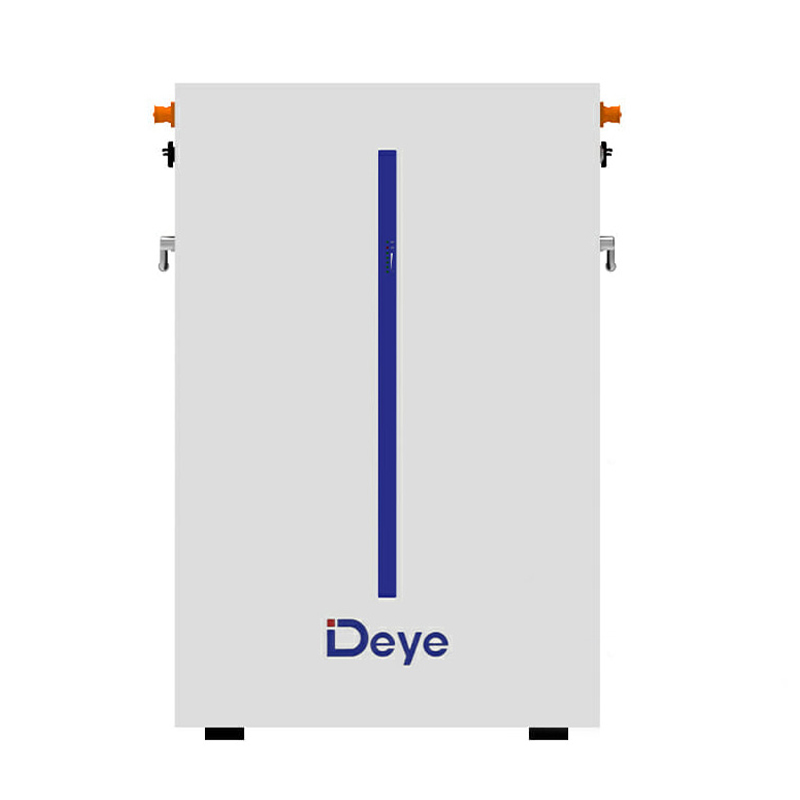
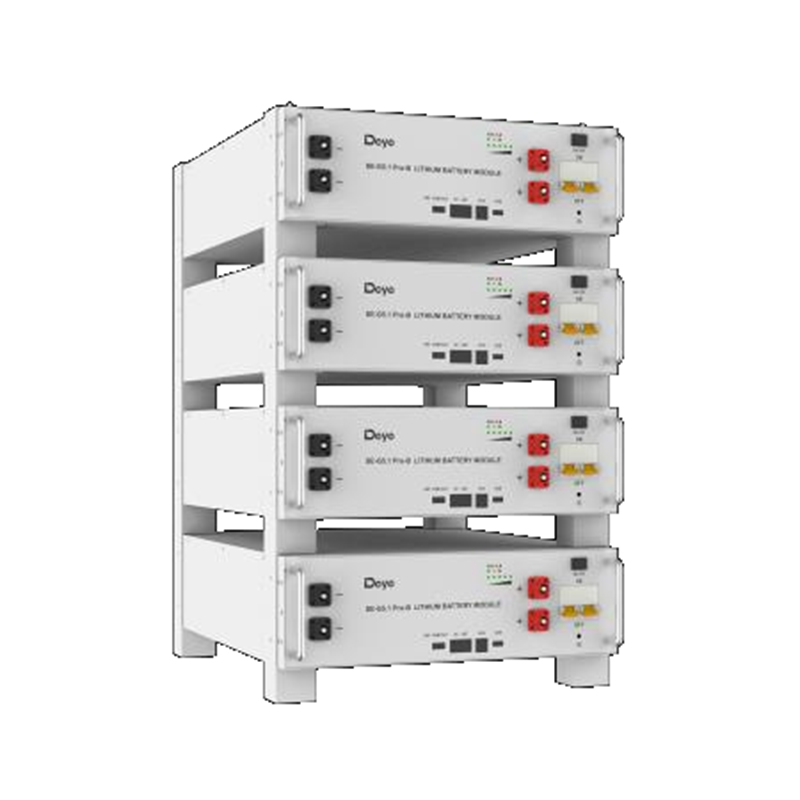
Low-voltage packs are modular, widely available and easy to expand. A typical 48 V bank starts around 5 kWh and grows in 5 kWh steps to 15 or 16 kWh, which covers most households with moderate evening consumption. Individual modules can be swapped without replacing the entire bank, which keeps long-term service simple and predictable.
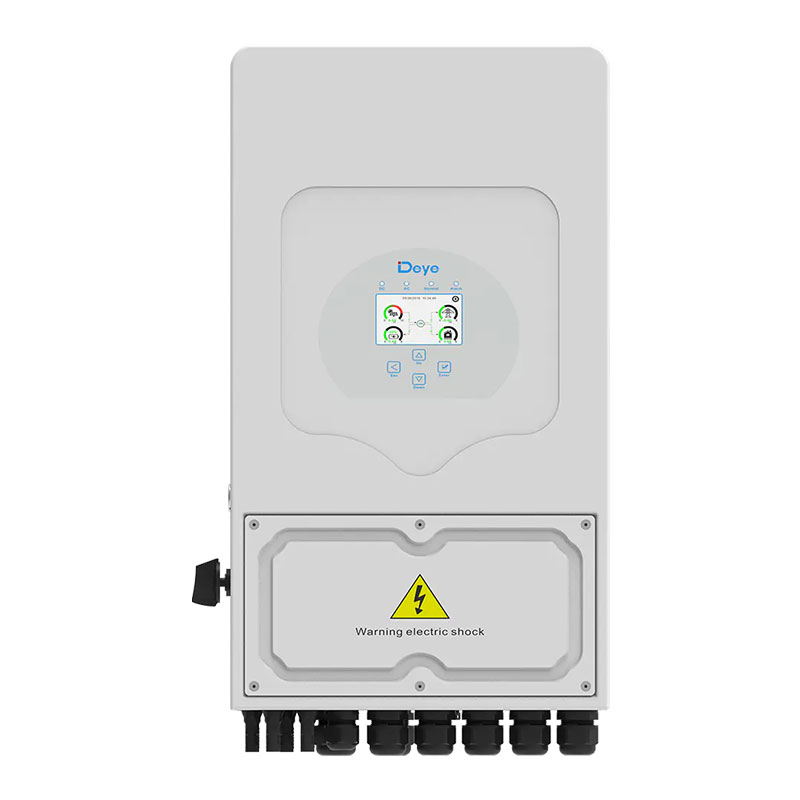
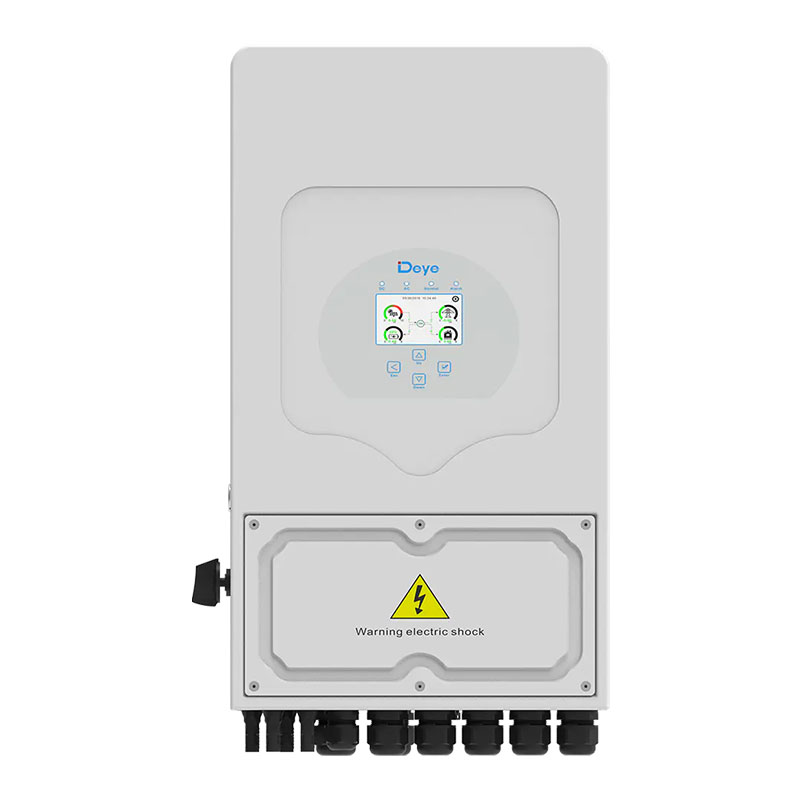
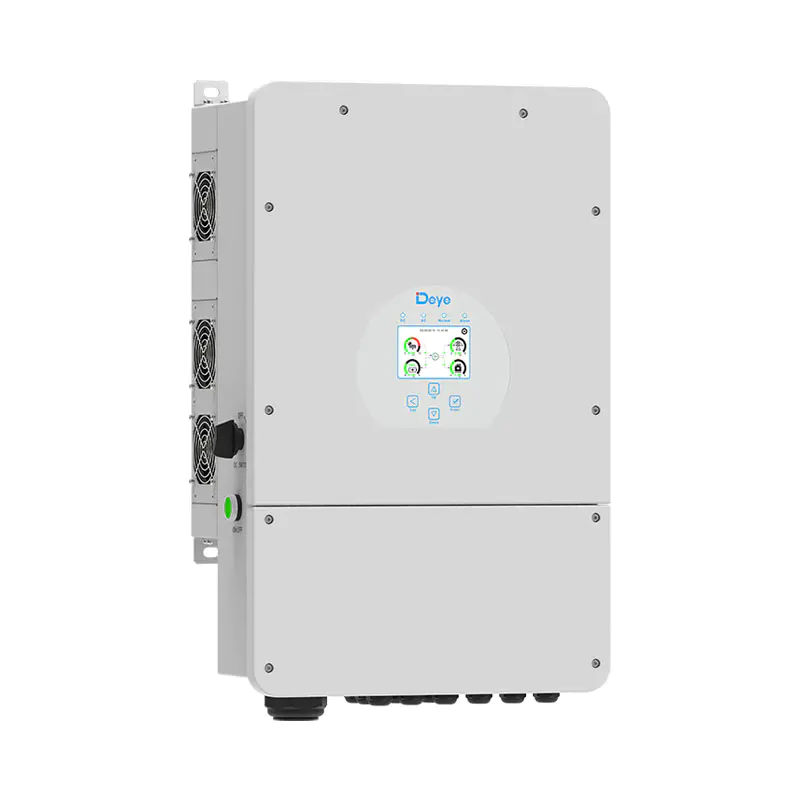
Deye SUN-10K-SG04LP3-EU Three Phase Low Voltage Hybrid Inverter1310 ~1480€/pc VAT excludedView Product →
This route suits projects built to a budget or expanded in stages, and it pairs naturally with the 48 V hybrid inverters that dominate residential retrofits.
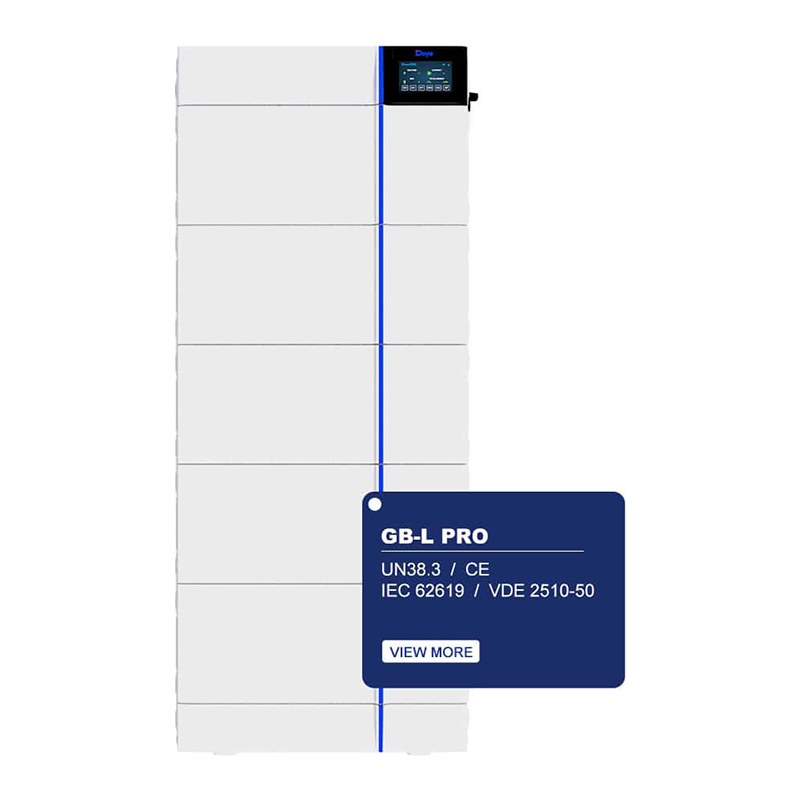
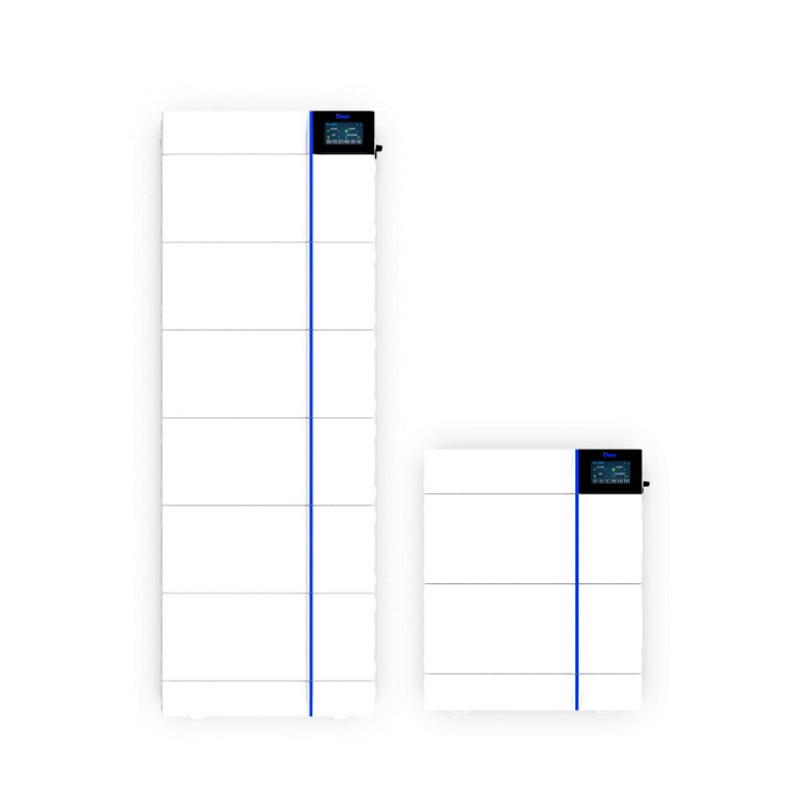
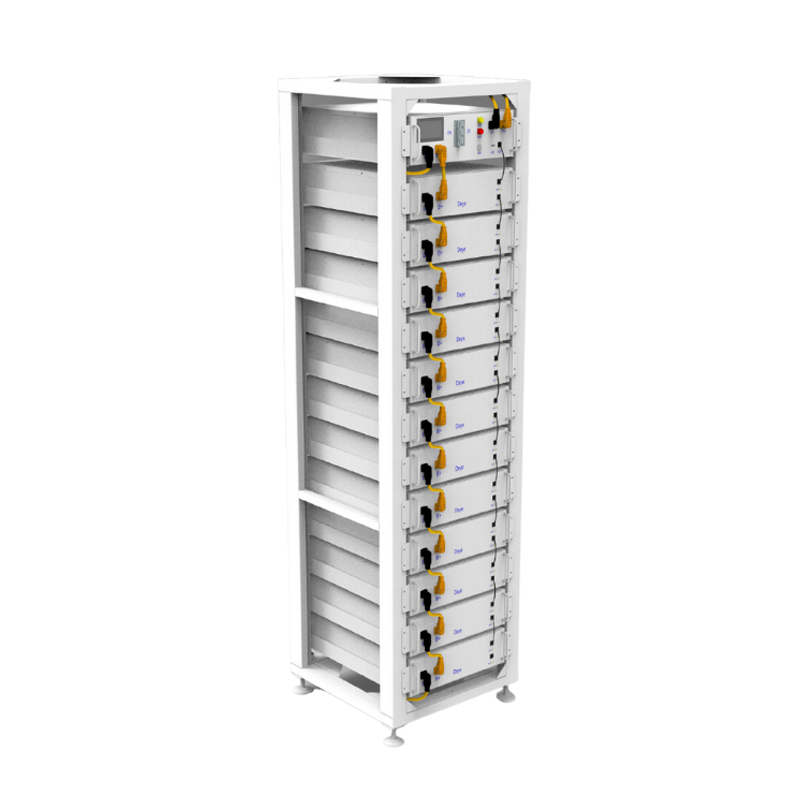
High-voltage batteries use fewer, larger modules and thinner cables for the same energy. Charging and discharging losses are lower, and capacity can climb from around 10 kWh to 80 kWh or more using stacked modules. These systems are the natural match for larger homes, three-phase commercial sites and installations where efficiency and a compact footprint matter more than the lowest entry price.
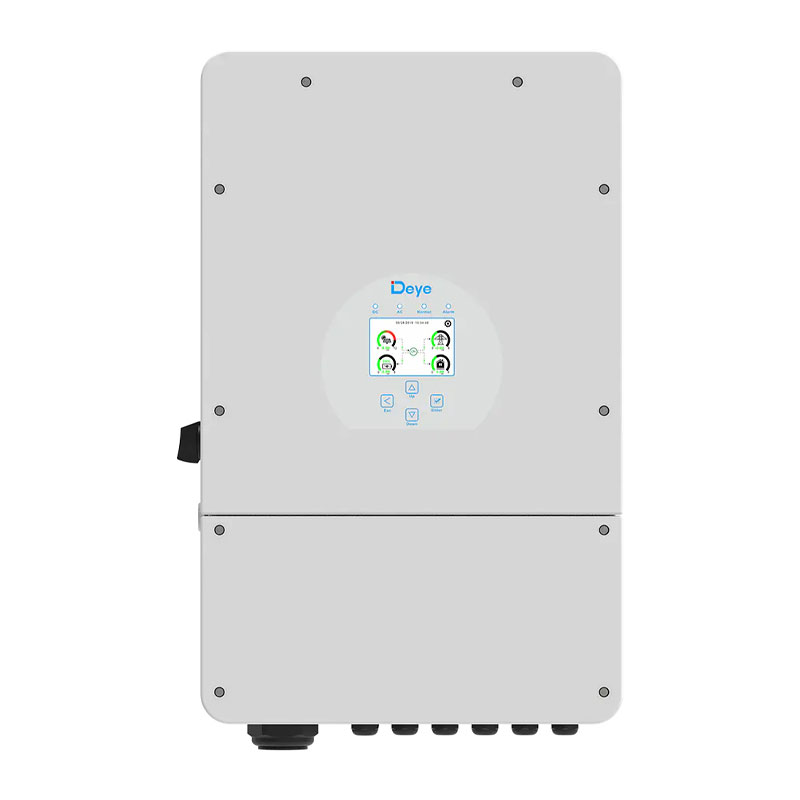
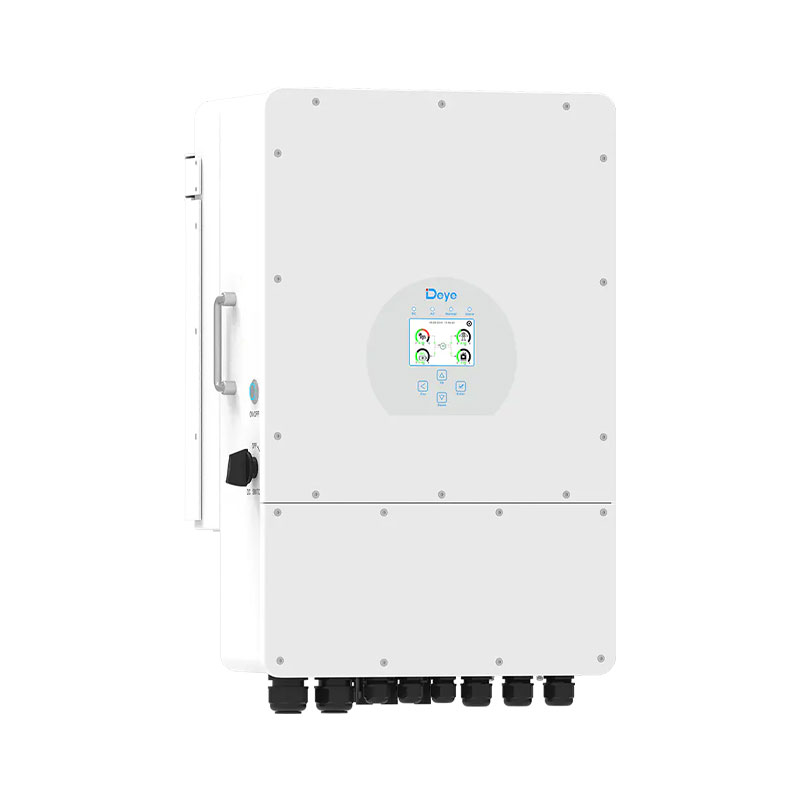
Deye SUN-12K-SG01HP3-EU-AM2 Hybrid Inverter1150~ 1280 €/pc VAT excludedView Product →
Whichever architecture you choose, the inverter and the battery management system must speak the same protocol. Checking compatibility before ordering saves a great deal of time on site.
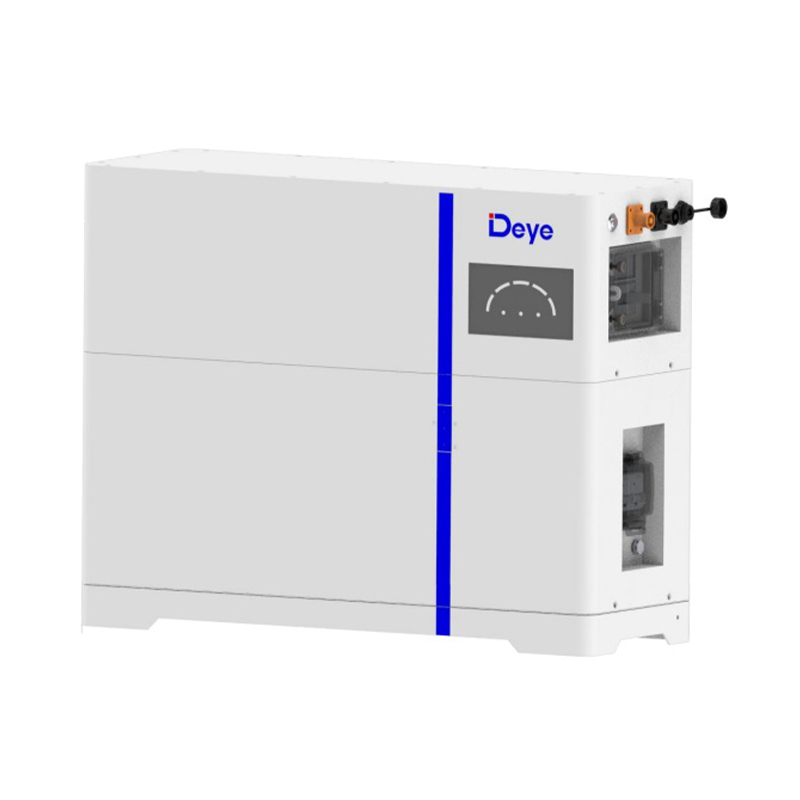
Deye GB-L Pro 12kWh High Voltage Battery energy storage Solution2400~2600 €/pc VAT excludedView Product →Sizing is rarely about matching the array's peak figure exactly. A workable sequence looks like this:
A modest oversize on the AC rating gives headroom for future loads, but going too far reduces efficiency at low output and increases cost without real benefit.
Choosing the model is one task; getting the correct unit, the matching battery and the right accessories on site on time is another. Our team works across several established inverter and battery brands, combining them into complete packages for residential and commercial projects. If you would like a specification checked or a quotation for a particular configuration, you can always request a free quote and we will respond with options and lead times.
For projects that involve mixing three-phase inverters with high-voltage storage, it is worth reviewing the technical compatibility and application guide for three-phase energy storage systems before finalising the bill of materials.
Yes, if it has a backup or EPS output and the battery has enough charge. Only the circuits wired to that output will be supplied, so plan which loads matter most.
Usually yes. Most modern hybrid inverters accept a battery from day one but will run in solar-only mode until a pack is connected.
One per roof orientation or shading pattern is the practical rule. Two or three channels cover most residential roofs comfortably.
No. Keep the heatsink clear, check ventilation and confirm the monitoring platform is reporting, and the unit will largely look after itself.
←
No previous article
→
Which Type of Solar Panel Is Best? A Practical Buyer's Guide for Homes in 2026
+31610999937
[email protected]
De Werf 11, 2544 EH The Hague, The Nederland.
WhatsApp: +852 65283075Copyright © 2023 Uni Z International B.V. VAT: NL864303440B01 All Rights Reserved
Solar Energy Storage System Solutions and Products