Which Type of Solar Panel Is Best? A Practical Buyer's Guide for Homes in 2026
Sep 11,2026On-Grid vs Off-Grid Solar Systems: Definitions, Differences & Buying Guide
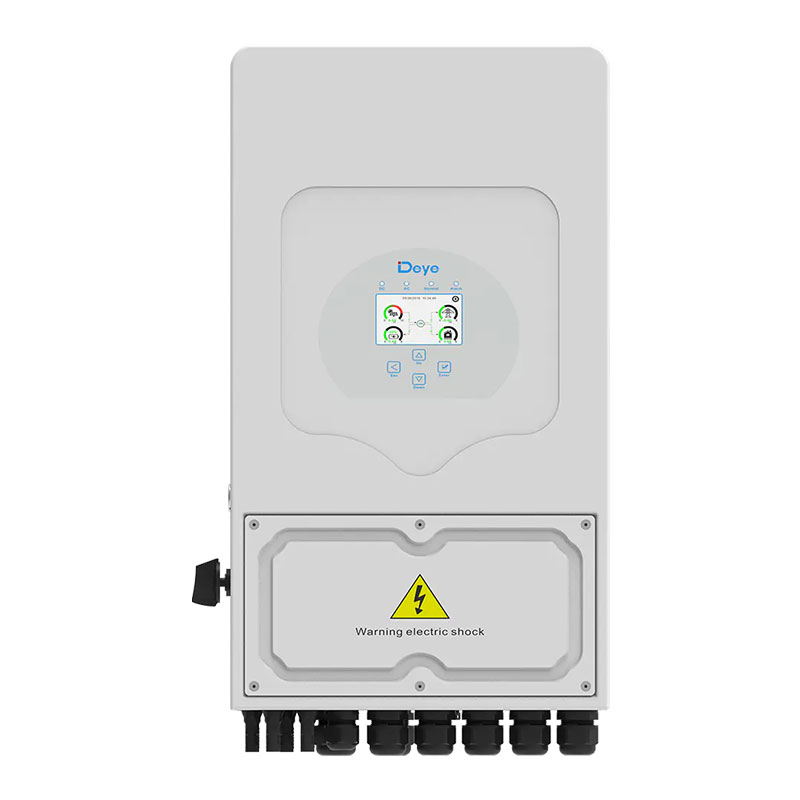
Sep 04,20266 Key Feature Upgrades in the Deye SG06 Series Hybrid Inverters
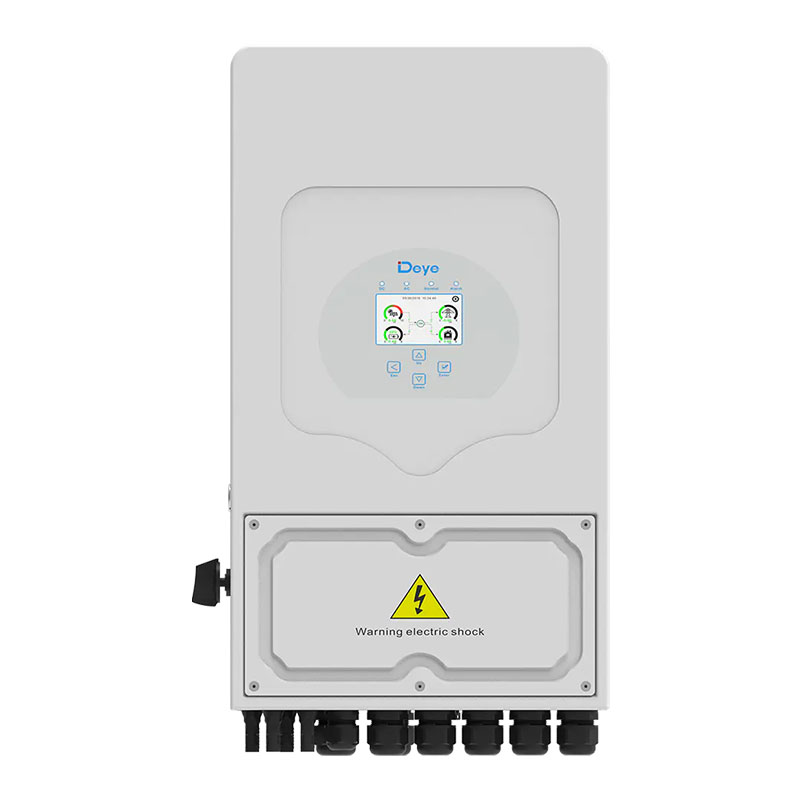
Sep 02,2026Deye SG06LP1 vs SG05LP1: Single-Phase Hybrid Inverter Comparison
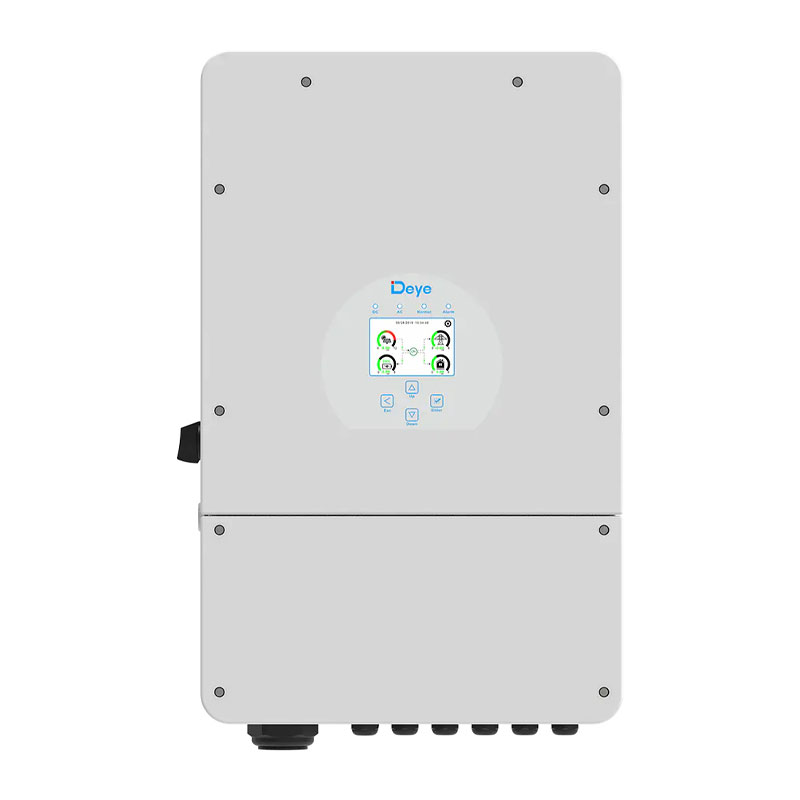
Sep 02,2026How Does an Off-Grid Solar System Work? Components, Flow, and Sizing Explained
Aug 28,2026Content
If you are searching for which type of solar panel is best, the honest answer depends on where the panel will live, how much space you have, and what you need it to do. For most homes and commercial rooftops in 2026, monocrystalline silicon remains the best all-round choice. It offers the highest efficiency, strong warranties, and the best cost per kilowatt-hour over the life of the system.
At Uni Z International B.V., we work with installers, distributors, and project developers every day. We see buyers who choose panels only by price often pay more later. Buyers who match panel technology to the site usually get a smaller, neater, and more reliable system. To learn how we support projects, visit our about page. For deeper technical reading, we also recommend the PV panels guide in our knowledge base.
For a typical residential roof, the best type of solar panel is monocrystalline. Modern monocrystalline panels use n-type cells, often built with TOPCon, HJT, or IBC technology. These panels commonly reach 20% to 23% efficiency, while older polycrystalline models sit around 15% to 17% and thin-film options usually fall between 10% and 13%.
Higher efficiency matters because roof space is limited. A more efficient panel produces more power from the same area, which can reduce the number of modules, mounting rails, cables, and labor hours. That is why monocrystalline is the default choice for homes, schools, offices, and most commercial rooftops.
“Best” is not only about wattage. A panel that performs well in one climate may be a poor fit in another. The main factors are:
A panel with a slightly lower price can be the better buy if it has a strong warranty and fits your inverter and mounting system. A premium panel is the better buy when space is tight or when you want maximum production for decades.
| Panel type | Typical efficiency | Best use | Relative cost | Typical lifespan | Main trade-off |
|---|---|---|---|---|---|
| Monocrystalline n-type | 20%–23% | Most homes and commercial roofs | Medium to high | 25–30 years | Higher upfront cost, best long-term value |
| Polycrystalline | 15%–17% | Budget projects with plenty of space | Low to medium | 20–25 years | Lower efficiency, fading availability |
| Thin-film | 10%–13% | RVs, boats, portable kits, curved surfaces | Varies | 15–25 years | Needs more area, lower efficiency |
| Bifacial monocrystalline | 20%–23% plus rear gain | Ground mounts, carports, high-albedo sites | Medium to high | 25–30 years | Rear gain depends on installation |
| Solar tiles and transparent panels | Lower than standard modules | Architectural and visible roof designs | High | 20–30 years | Higher cost for the same output |
Monocrystalline panels are made from a single silicon crystal. They are usually black, uniform, and highly efficient. Modern half-cut cells, multi-busbar designs, and n-type wafers have pushed performance higher while improving resistance to heat and light-induced degradation.
If you are building a residential system, monocrystalline is the safest starting point. It works well with string inverters, hybrid inverters, and microinverters. It also pairs naturally with battery storage because the array can be sized efficiently around the roof’s usable area.
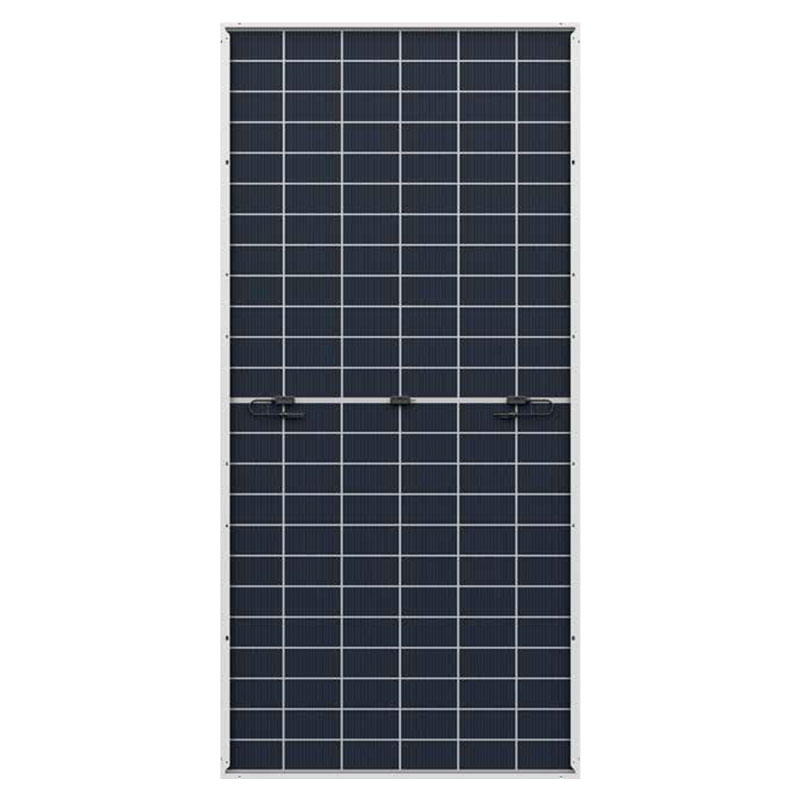
Jinko 620W 66HL4M-BDV Bifacial Solar Panel59~65 €/pc VAT excludedView Product →
For example, the Jinko 620W bifacial module is a strong option for larger roofs and ground arrays where high power per panel reduces balance-of-system costs.
Polycrystalline panels were once the budget standard. They are blue, slightly less efficient, and usually larger than monocrystalline panels of the same wattage. Many top manufacturers have reduced or stopped polycrystalline production as monocrystalline costs have fallen.
Polycrystalline can still make sense for a ground-mounted system with unlimited space and a very tight budget. But for a home roof, the extra area and lower efficiency often cancel out the lower price. In most 2026 buying decisions, polycrystalline is no longer the best type of solar panel.
Thin-film panels use layers of semiconductor material such as cadmium telluride, amorphous silicon, or CIGS. They are lightweight, flexible in some formats, and perform relatively well in high heat. Their main weakness is lower efficiency, which means they need more surface area for the same output.
Thin-film is often the best choice for RVs, boats, tents, curved roofs, and portable power kits. It is also used in some utility-scale projects where land is cheap and module weight matters. For a typical family home with limited roof space, monocrystalline remains the better option.
Bifacial panels collect light on both sides. On a white roof, reflective ground, or elevated carport, they can add 5% to 25% extra energy. The exact gain depends on albedo, mounting height, tilt, and shading. Bifacial monocrystalline panels are now common in commercial and ground-mount projects.
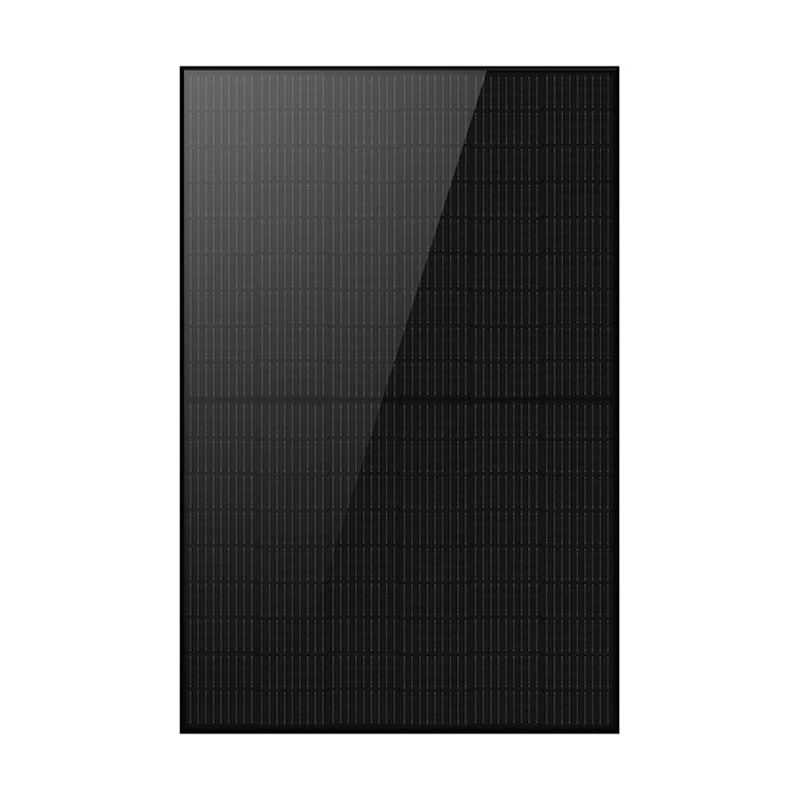
All-black panels are standard monocrystalline modules with black frames and black backsheets. They do not produce more power, but they look better on visible rooftops. For many homeowners, that aesthetic difference is worth a small premium.
JASolar 435W JAM54D41 Full Black Bifacial Glass Solar Panel51~55 €/pc VAT excludedView Product →
The JA Solar 435W full-black bifacial glass panel is a good example of a module that balances appearance, durability, and rear-side gain for residential arrays.
Use this process to move from general advice to a practical decision:
If you are unsure, start with a high-efficiency monocrystalline panel and size the rest of the system around it. That approach gives you the most flexibility for adding storage or expanding later.
The best panel can still underperform if the rest of the system is mismatched. String inverters need panels with similar current and voltage. Microinverters are more forgiving with shading and complex roofs. Hybrid inverters work best when the array, battery voltage, and backup loads are planned together.
Mounting also matters. A high-power panel may be too large or too heavy for a balcony bracket. A flexible thin-film panel may be perfect for a curved RV roof but wrong for a tiled roof. Always check dimensions, weight, and clamp zones before ordering.
Most of these mistakes are avoidable with a simple system design review before purchase. A good supplier should ask about your roof, your energy use, and your inverter plan before recommending a panel.
For the majority of homes, businesses, and grid-connected projects, the best type of solar panel is monocrystalline, preferably an n-type module with TOPCon, HJT, or IBC cells. It delivers the highest efficiency, the best space use, and the strongest long-term warranties. Polycrystalline is now a niche budget option, while thin-film wins for mobile, curved, and lightweight applications.
If you have a large ground mount or carport, bifacial monocrystalline can add useful rear-side energy. If you have a small balcony, choose the highest-efficiency compact panel that fits your bracket and microinverter. If you have an RV or boat, thin-film or flexible monocrystalline may be the practical winner.
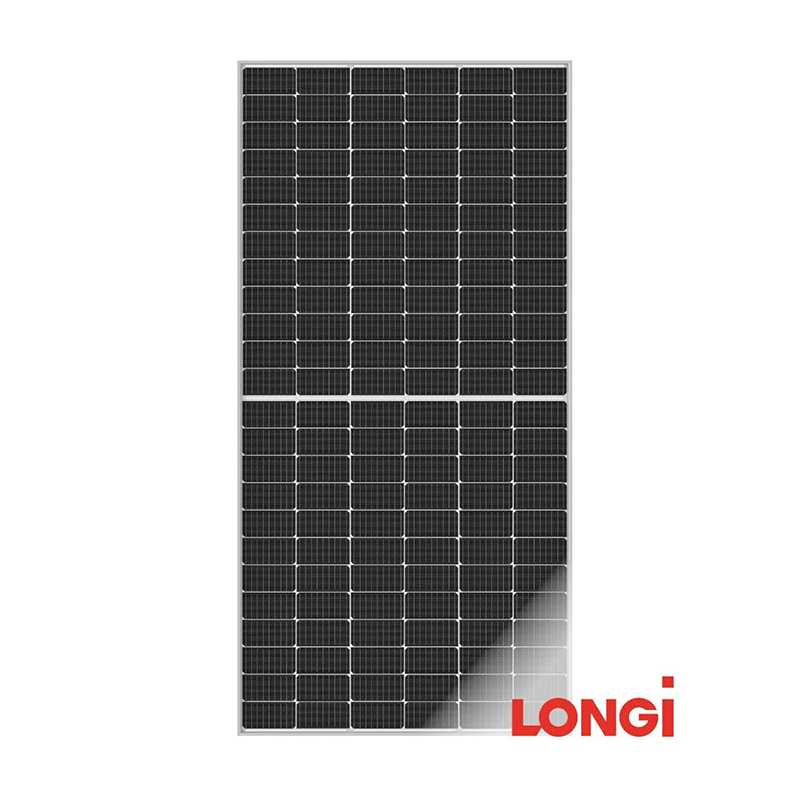
Longi Hi-MOX10 LR7-72HVD-640M70~74 €/pc VAT excludedView Product →
For maximum power per square meter, the Longi Hi-MO X10 640W module is a strong reference point. It represents the direction the industry has moved: higher efficiency, lower degradation, and better performance in real-world heat and shade.
No. They are better for most space-limited roofs and long-term residential systems. Thin-film can be better for mobile, curved, or weight-sensitive applications.
Only if the price difference is significant and you have plenty of unshaded space. For most homes, monocrystalline is the better investment.
You can, but it is rarely ideal. Panels on the same string should have similar current and voltage. Mixing technologies can reduce output and complicate monitoring.
+31610999937
[email protected]
De Werf 11, 2544 EH The Hague, The Nederland.
WhatsApp: +31610999937Copyright © 2023 Uni Z International B.V. VAT: NL864303440B01 All Rights Reserved
Solar Energy Storage System Solutions and Products