48V Battery Bank Guide: Sizing, Wiring, and Hybrid Inverter Matching for Homes
Sep 28,20263 Phase Inverter Guide: Types, Sizing, and How to Choose the Right One for Solar
Sep 21,20263 Phase Hybrid Inverter Guide: Sizing, Battery Pairing and Buying Advice
Sep 18,2026Which Type of Solar Panel Is Best? A Practical Buyer's Guide for Homes in 2026
Sep 11,2026On-Grid vs Off-Grid Solar Systems: Definitions, Differences & Buying Guide
Sep 04,2026Content
Few decisions shape a home storage system more than the voltage of its battery bank. Choose 48 volts and an entire ecosystem opens up: rack, wall and stacked batteries that grow in kilowatt-hour steps, hybrid inverters with mature firmware, and cable sizes that one installer can handle comfortably.
This guide explains what a 48V battery bank actually is, how its capacity translates into real backup hours, and how to match it to an inverter without creating the mismatches we see most often during commissioning.
The label 48V is a shorthand rather than a precise figure. A lithium iron phosphate (LiFePO4) bank built from sixteen cells in series has a nominal voltage of 51.2 volts, charges to roughly 57.6 volts and is considered empty somewhere near 44 volts. A lead-acid bank made of four 12V blocks in series genuinely rests at 48 volts nominal, but behaves quite differently under load.
What every 48V bank shares is its architecture. Individual modules, each with its own cells and usually its own battery management system, are paralleled on a common DC bus so that voltage stays fixed while capacity grows. Two 100Ah modules make 200Ah; four make 400Ah. The assembled bank then connects to an inverter or charge controller through a DC-rated protective device, with the BMS balancing cells and reporting state of charge.
Voltage is really a question of current. Power equals voltage multiplied by current, so a 5kW load draws about 104A from a 48V bank, roughly 208A from a 24V bank and more than 400A from a 12V system. Those numbers decide cable cross-sections, terminal heating and the physical size of fuses and breakers.
48 volts sits in a practical sweet spot. It keeps currents low enough for manageable conductors and standard connectors, yet remains under the 60V DC threshold that many electrical codes treat as extra-low voltage, which simplifies installation requirements compared with high-voltage battery systems. It is also the voltage that low-voltage hybrid inverters were designed around, so equipment, firmware and spare parts are widely available.
Smaller balcony kits and portable power stations generally run at 12V or 24V internally, while large systems move upward to high-voltage architectures. That leaves 48V as the natural choice for homes with roughly 3kW to 20kW of inverter capacity.
Capacity always comes back to two numbers: how much energy you use between sunset and sunrise, and how many days of autonomy you want when the grid is down. A sensible starting point is your evening and overnight consumption plus a 20% buffer. Add a second day of storage only if outages in your area routinely last that long.
| Bank capacity (nominal) | Usable energy | Typical household coverage |
|---|---|---|
| 5.12 kWh (48V, 100Ah) | About 4.6 kWh | Lights, fridge, router and television through the evening and night |
| 10.24 kWh (48V, 200Ah) | About 9.2 kWh | Above plus laundry, a well pump or short heat-pump cycles |
| 15.36 kWh (48V, 300Ah) | About 13.8 kWh | A full evening peak plus overnight baseload with reserve |
| 20.48 kWh (48V, 400Ah) | About 18.4 kWh | Two days of essential loads or one day of near-normal use |
| 30 kWh and above (parallel banks) | About 27 kWh | Multi-day autonomy or light commercial loads |
Two notes are worth repeating. Depth of discharge matters: LiFePO4 banks normally run to about 90%, while lead-acid should not go below 50% if you want a reasonable service life. And a bank that is oversized for its inverter and array will spend most of its life half empty, which is not harmful to the battery but is a poor use of capital.
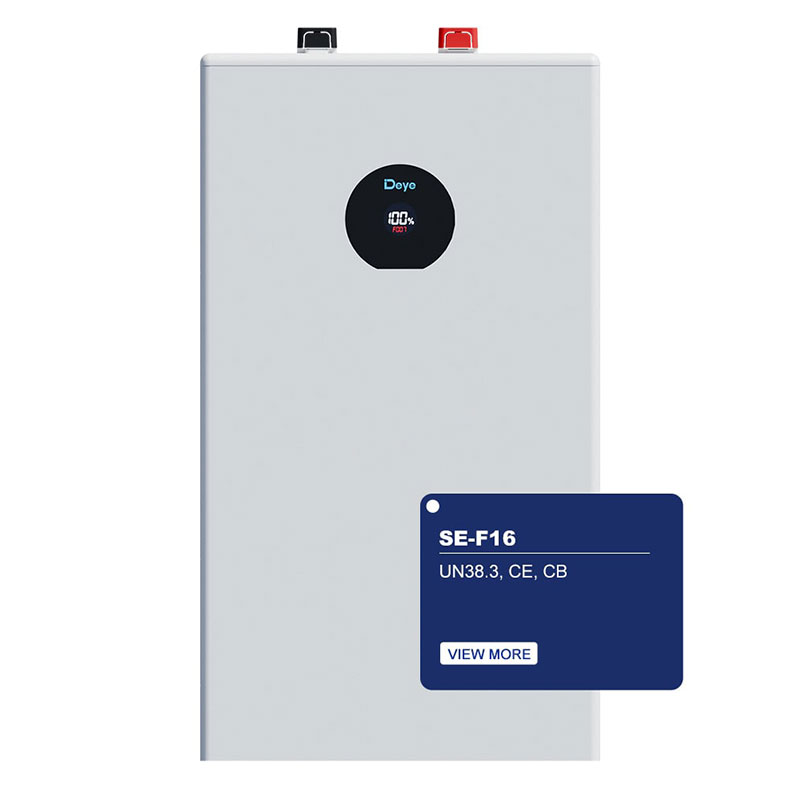
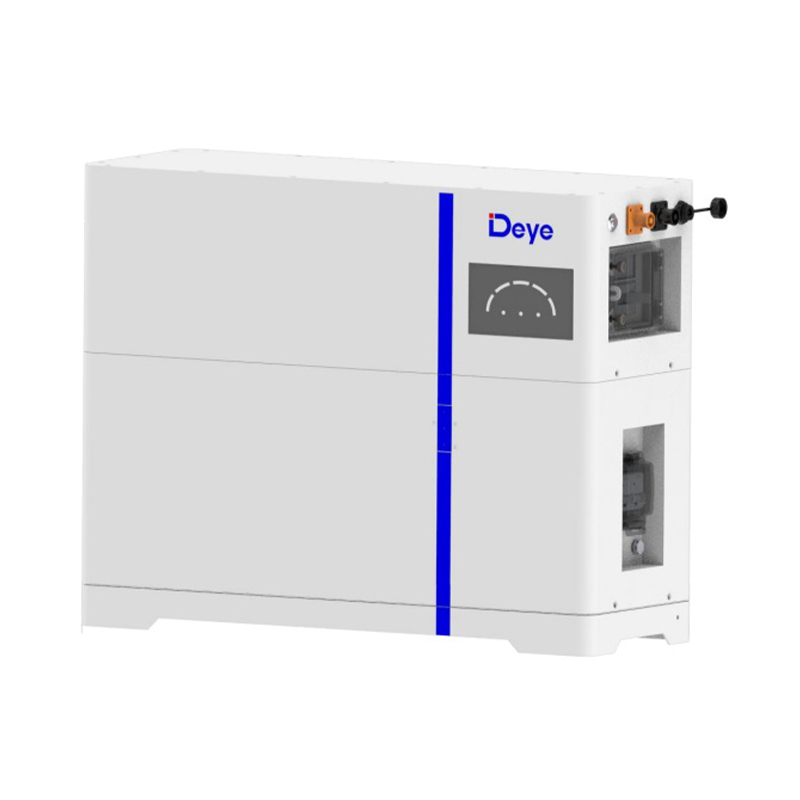
Single-unit banks in the middle of this range are the most popular choice for retrofits, because they install quickly and still cover a normal family evening. The model below is a representative 16kWh low-voltage battery in that class.
Deye SE-F16 16kWh Low Voltage Battery1480~1650 €/pc VAT excludedView Product →Most new 48V banks use LiFePO4 cells, and the reasons are straightforward: several thousand cycles at usable depths, a flat voltage curve that keeps inverter efficiency stable, and a fraction of the weight of an equivalent lead-acid set. Lead-acid still appears in retrofit and budget projects, where a lower upfront price is traded against shorter life and deeper voltage sag under load.
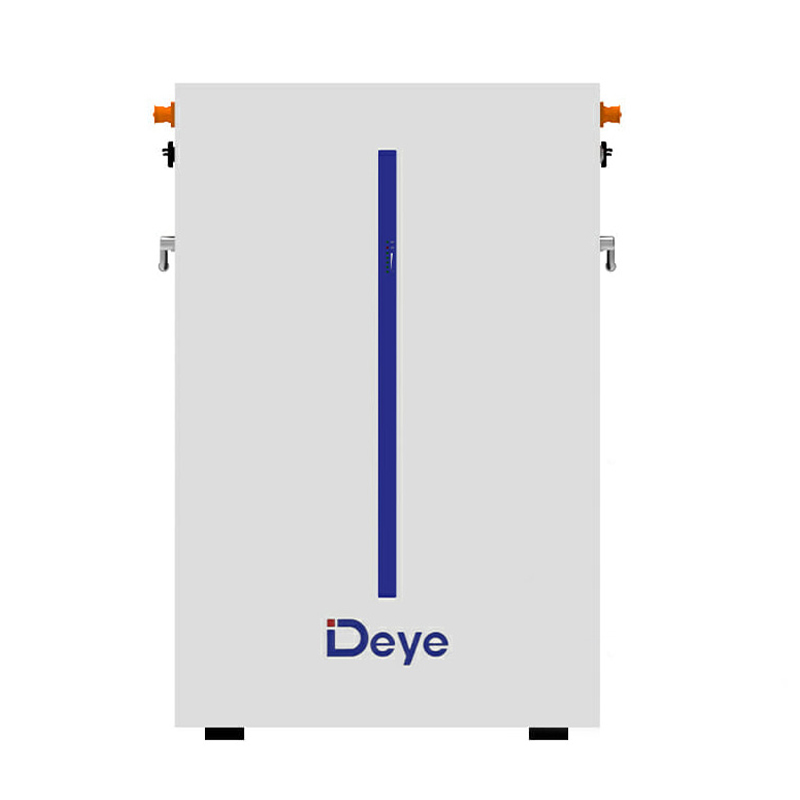
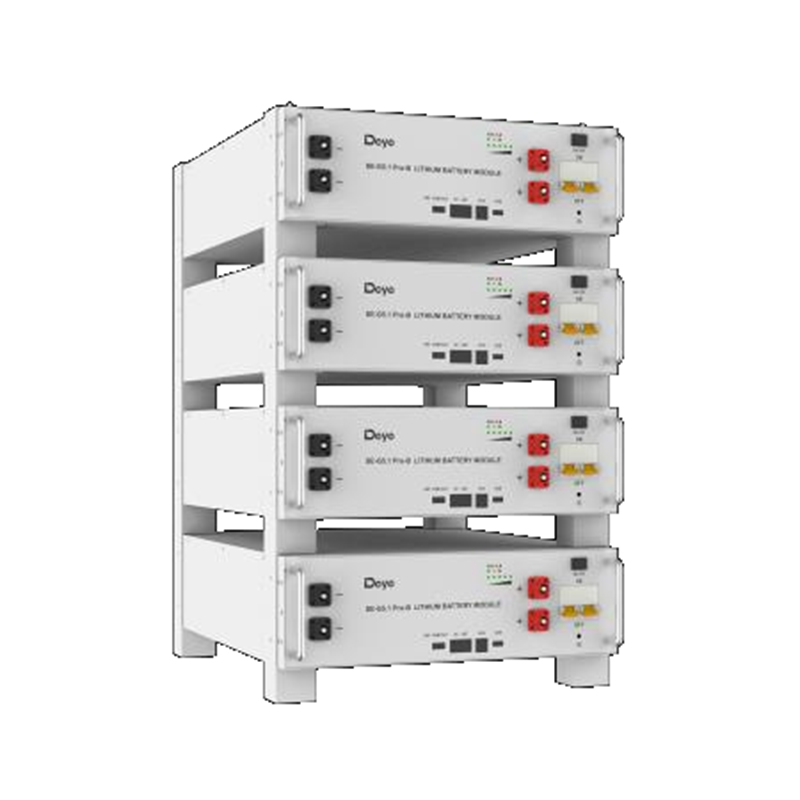
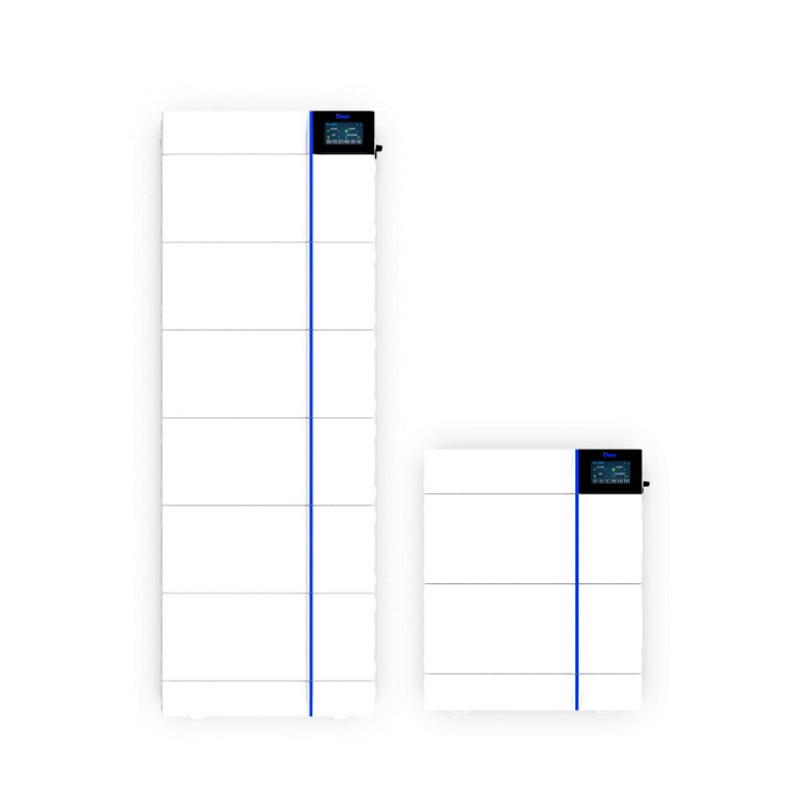
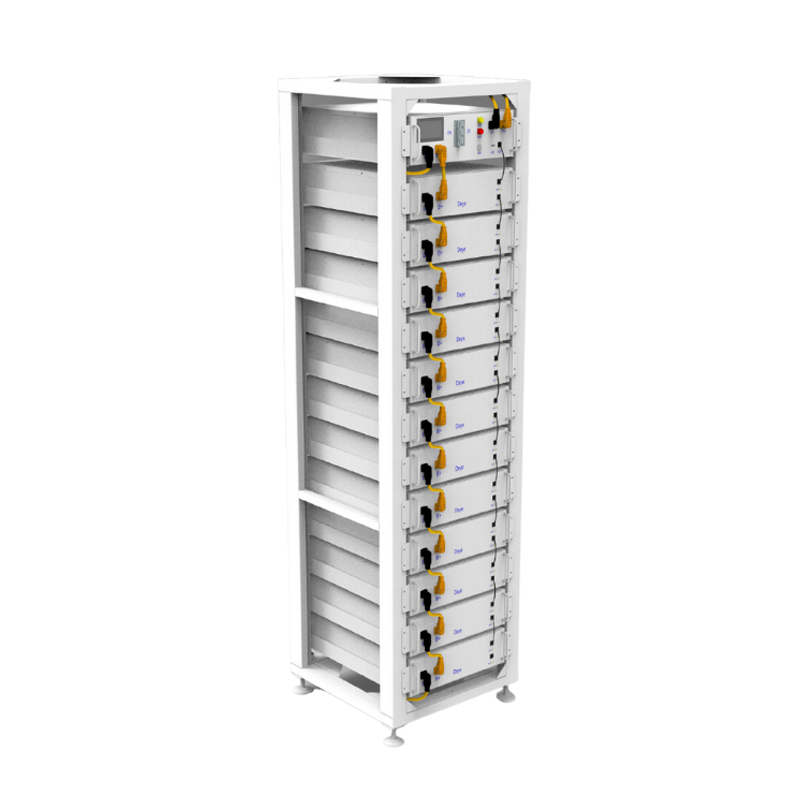
Physically, 48V banks come in four shapes you will meet again and again:
Whatever the shape, keep the parallel group consistent: same model, same chemistry, ideally the same production batch. Mixing an older module with a new one forces the BMS to compensate for an internal resistance difference that never fully resolves.
The inverter and the battery must agree on three things, and getting them wrong is the root cause of most compatibility complaints.
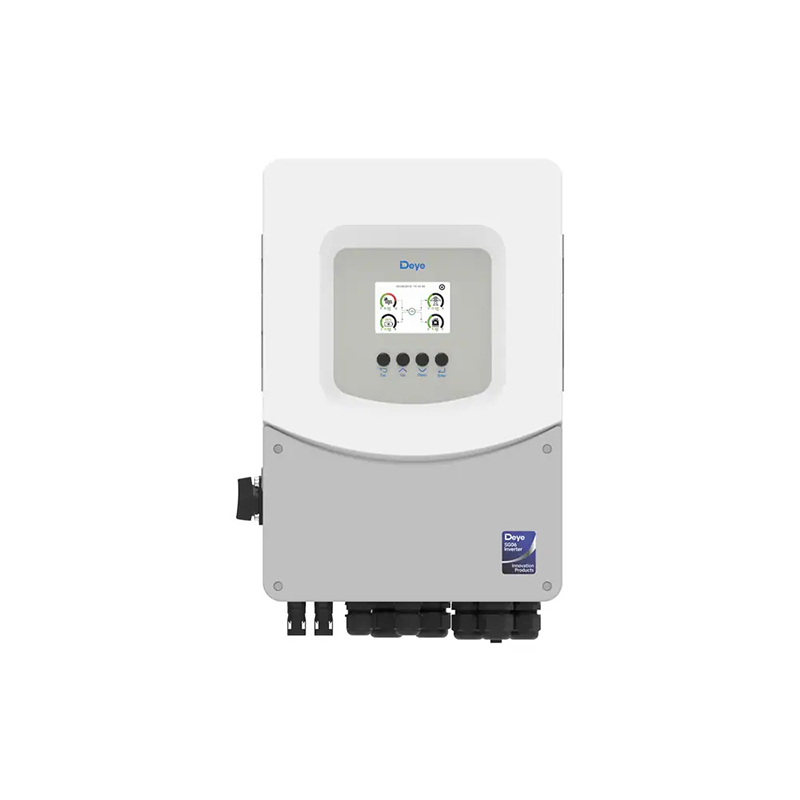
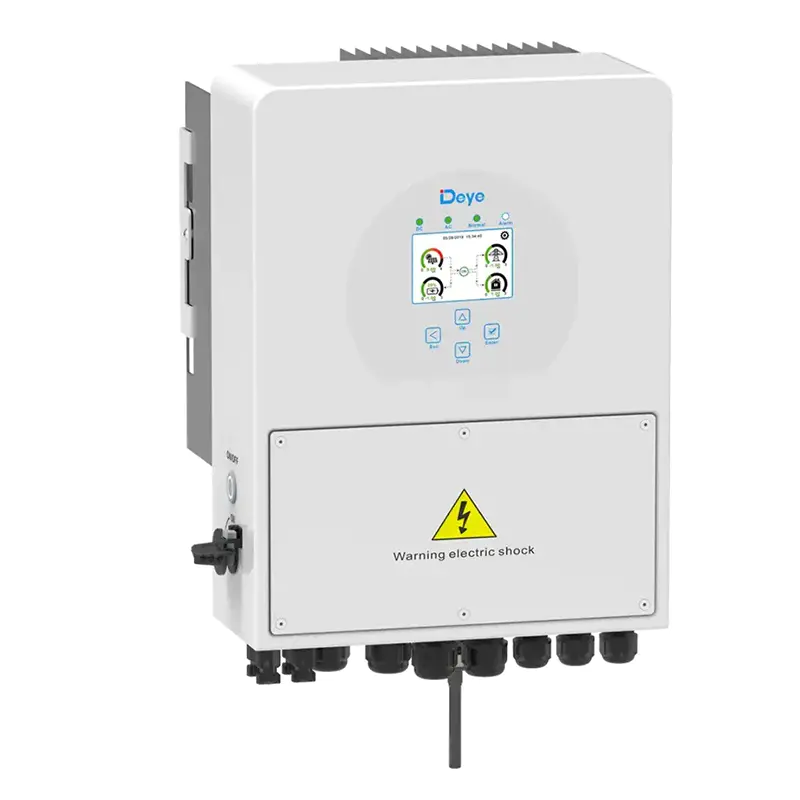
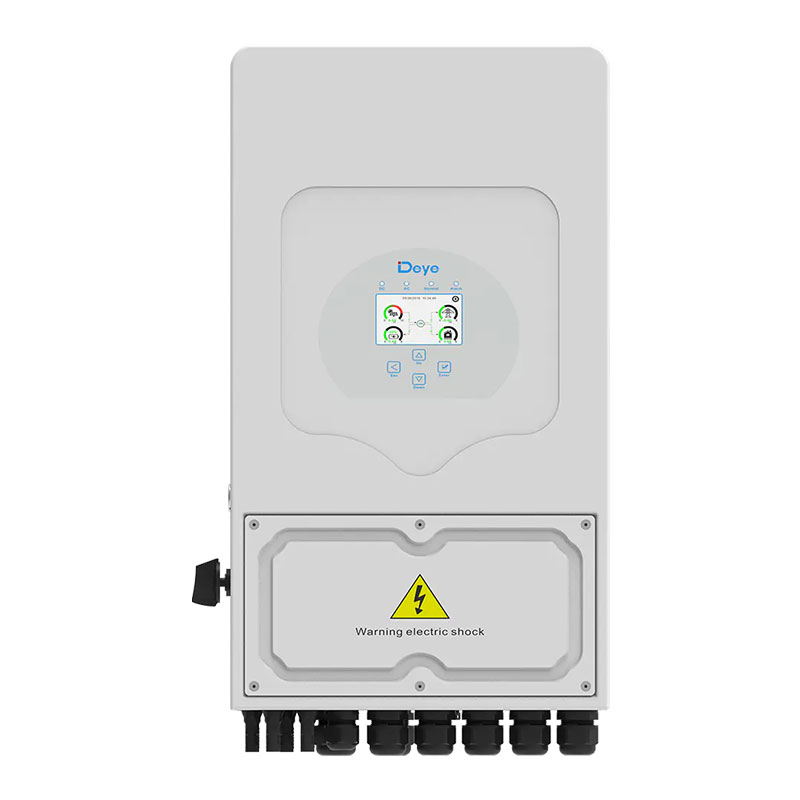
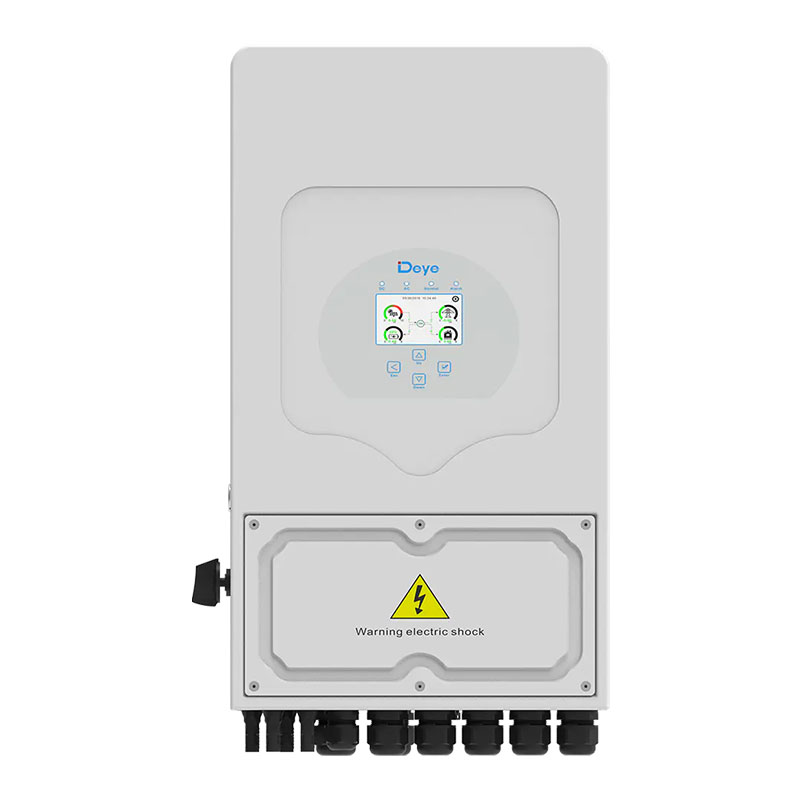
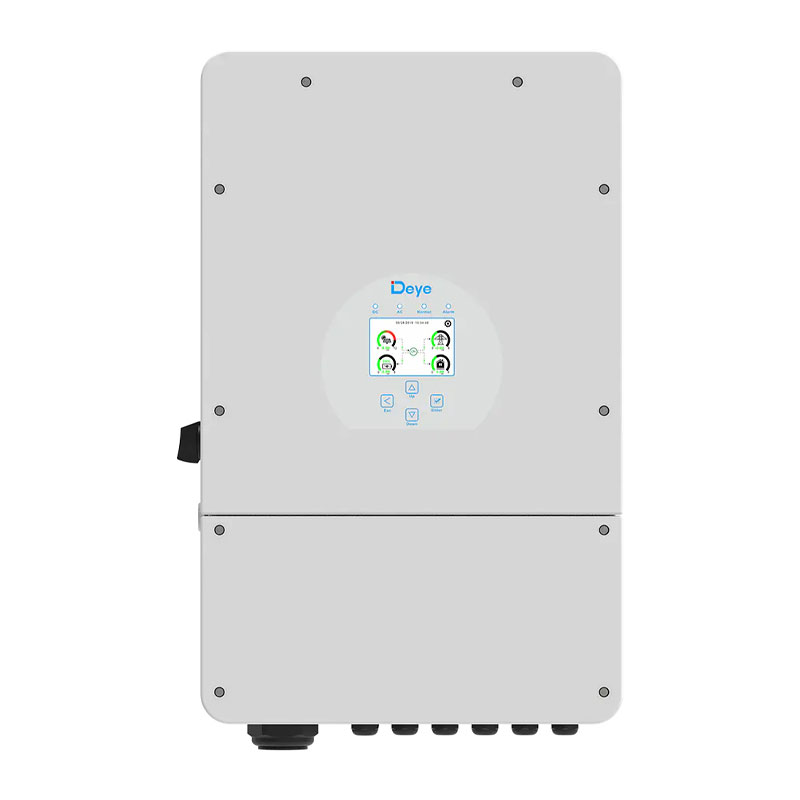
For three-phase homes the same logic applies up to roughly 20kW of low-voltage inverter capacity. Beyond that, most designers move to a high-voltage battery to keep currents and cables under control. A 5kW single-phase hybrid inverter paired with a 48V bank remains the most common configuration we ship for family homes.
Deye SUN-5K-SG06LP1-EU-BM2 5kW Single-Phase 48V SG06 Hybrid Inverter625~695 €/pc VAT excludedView Product →Most 48V problems we are asked to diagnose turn out to be installation problems rather than product problems. A short checklist covers the majority of them:
Once the wiring is correct, the return comes from how much of your own solar production you keep on site. Shifting generation from midday into the evening peak is where a 48V bank repays its cost, and the sizing decisions above determine how much of that shift is physically possible. If you want to go deeper into the control strategies behind self-consumption, our team has published a practical explainer on how low-voltage storage systems maximize residential solar efficiency.
48V is a residential answer, not a universal one. Past roughly 20kW per inverter, currents climb into the hundreds of amps and the copper becomes uneconomical. At that scale, high-voltage batteries carry the same power at a fraction of the current, and commercial projects move further still into containerised systems measured in megawatt-hours. For a family home, a workshop, a farm building or an off-grid cabin, however, 48V remains the best-supported choice: parts are available, standards are settled and the learning curve is short.
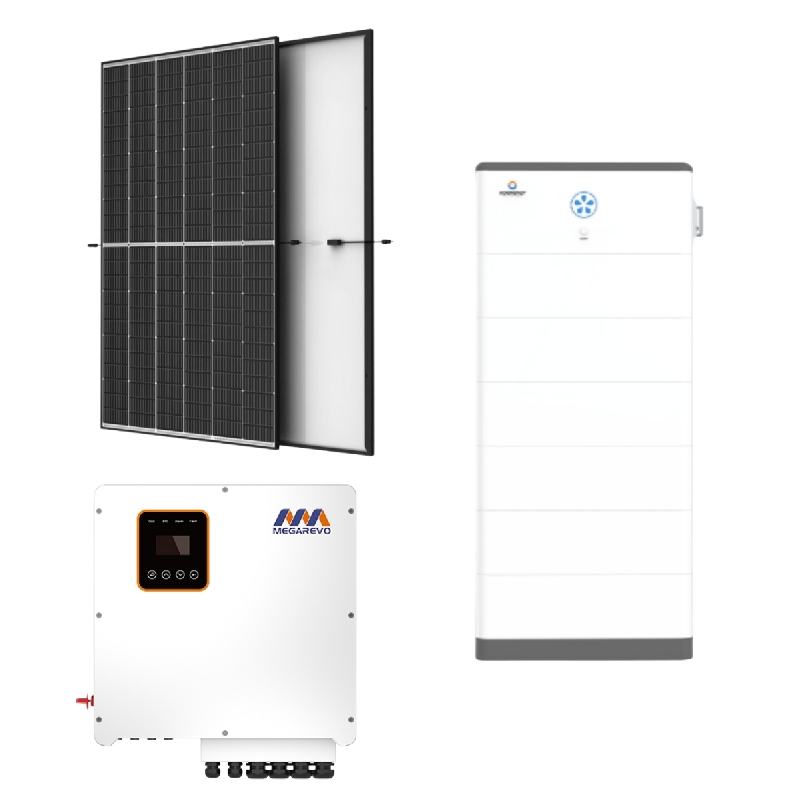
Rather than building a parts list from scratch, many customers buy the system as a matched package: PV modules, a low-voltage hybrid inverter, a 48V bank of the right capacity, mounting hardware and monitoring. Pre-configured kits remove the compatibility question entirely, because the voltage window, charge profile and communication protocol have already been verified between the units.
10KW Photovoltaic kit with 10KWh storage€ 3,050.00 VAT excludedView Product →Sizing a 48V bank is ultimately a conversation about your own routine: how much you use after dark, how long outages last, and how much reserve you want in the coldest month of the year. If you share your daily consumption, backup expectations and a few site photos through our contact page, our team will come back with a configuration, a wiring recommendation and a quotation for the complete system.
←
No previous article
→
3 Phase Inverter Guide: Types, Sizing, and How to Choose the Right One for Solar
+31610999937
[email protected]
De Werf 11, 2544 EH The Hague, The Nederland.
WhatsApp: +852 65283075Copyright © 2023 Uni Z International B.V. VAT: NL864303440B01 All Rights Reserved
Solar Energy Storage System Solutions and Products