3 Phase Inverter Guide: Types, Sizing, and How to Choose the Right One for Solar
Sep 21,20263 Phase Hybrid Inverter Guide: Sizing, Battery Pairing and Buying Advice
Sep 18,2026Which Type of Solar Panel Is Best? A Practical Buyer's Guide for Homes in 2026
Sep 11,2026On-Grid vs Off-Grid Solar Systems: Definitions, Differences & Buying Guide
Sep 04,20266 Key Feature Upgrades in the Deye SG06 Series Hybrid Inverters
Sep 02,2026Content
Three-phase power is the standard supply in most European homes, workshops and commercial buildings, and it changes almost every decision in a solar design. A 3 phase inverter takes DC electricity from a PV array or a battery bank and delivers it as balanced three-phase AC, so the system can run three-phase loads directly, export evenly to the grid, and keep phase currents inside the limits set by the network operator. Whether you are specifying a grid-tied unit for a warehouse roof, retrofitting a hybrid inverter into an existing three-phase distribution board, or building a storage system for a small commercial site, the same handful of questions keeps coming back. This guide walks through how these inverters work, the configurations available today, and how to size and protect them properly.
A 3 phase inverter is a power electronic device that converts a DC input into three separate AC output waveforms, each displaced by 120 degrees from the next. On a European 400 V network, each phase sits at roughly 230 V relative to neutral and 400 V between phases, with the output locked to the grid frequency of 50 Hz. Because the three waveforms are symmetrical, their instantaneous currents cancel under balanced load, which is why three-phase motors run smoothly and why three-phase equipment needs less conductor material to move the same amount of power.
The difference from a single-phase inverter is not just the number of output terminals. A three-phase unit has to control three legs at once, measure voltage and current on every phase independently, and stay stable when loads are unevenly distributed. That extra control work is what allows it to feed large heat pumps, workshop machines and three-phase EV chargers without the current ceiling that a single-phase supply imposes.
On the DC side, one or more maximum power point trackers continuously search for the voltage and current at which the PV array produces most. The harvested energy is boosted to a stabilised DC link, typically a few hundred volts in low-voltage hybrid designs and 400 to 800 V in high-voltage battery systems. With a battery connected, that link becomes a bidirectional bus: power can flow from PV into the battery, from the battery back to the inverter stage, or straight through to the AC side.
Six switching devices, two per output phase, form the heart of the inverter. High-frequency PWM switching synthesises a sinusoidal current in each leg, and an output filter smooths the switching ripple into a clean waveform. A phase-locked loop keeps the output matched to the grid in frequency and phase angle, which matters for both safe paralleling and accurate power factor control.
Modern units layer intelligence on top of the power stage: export limitation through a CT meter, unbalanced output control, backup transfer for essential loads, and remote monitoring over Wi-Fi, Ethernet or 4G. These features, more than the nameplate rating, are what separate two inverters of identical power in day-to-day operation.
The table below summarises the practical differences that matter most when you are deciding between a single-phase and a three-phase design.
| Aspect | Single-Phase | Three-Phase |
|---|---|---|
| Grid supply | 230 V line to neutral | 400 V line to line, 230 V line to neutral |
| Typical inverter range | 3 to 16 kW | 5 to 80 kW, higher with PCS |
| Cable conductors | Line, neutral, earth | 3 lines, neutral, earth |
| Neutral current | Carries the full load current | Carries only the imbalance |
| Typical loads | Domestic socket circuits and lights | Heat pumps, motors, three-phase chargers |
| Battery options | Mostly 48 V low voltage | Low voltage or high voltage |
| Cost and complexity | Lower entry cost | Higher upfront, cheaper per kW at scale |
These have no battery port and simply push PV energy into the grid through a transformerless stage. They are the simplest and most cost-effective option for daytime generation, and they suit roofs where every kilowatt-hour is exported or consumed on site as it is produced. Efficiency is typically highest in this class, and the range runs from small 5 kW units up to 80 kW three-phase models for commercial rooftops.
Deye SUN-10K-G06P3-EU-AM2-P1650~715 €/pc VAT excludedView Product →
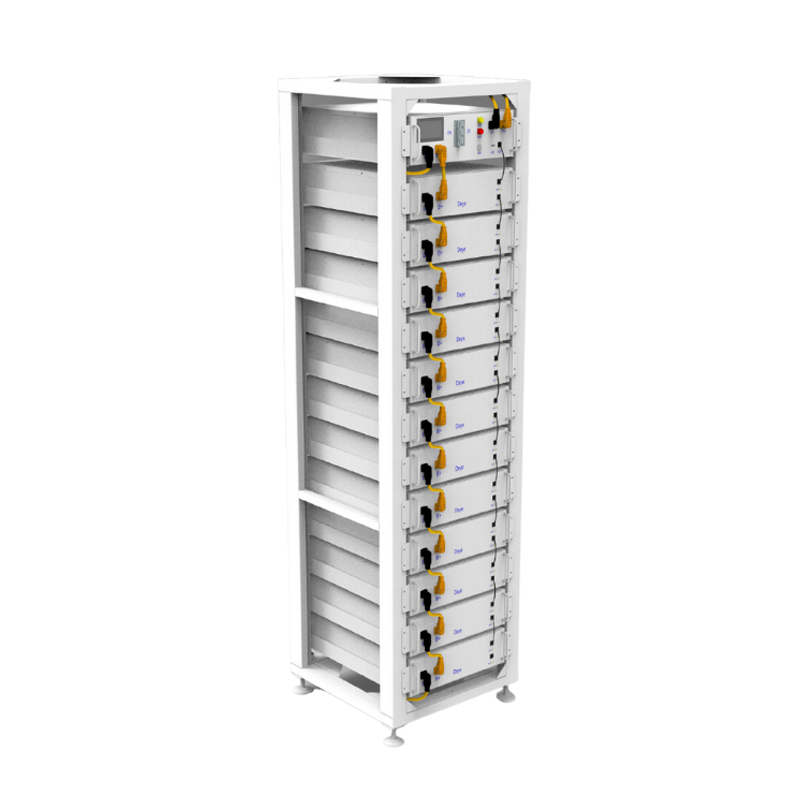
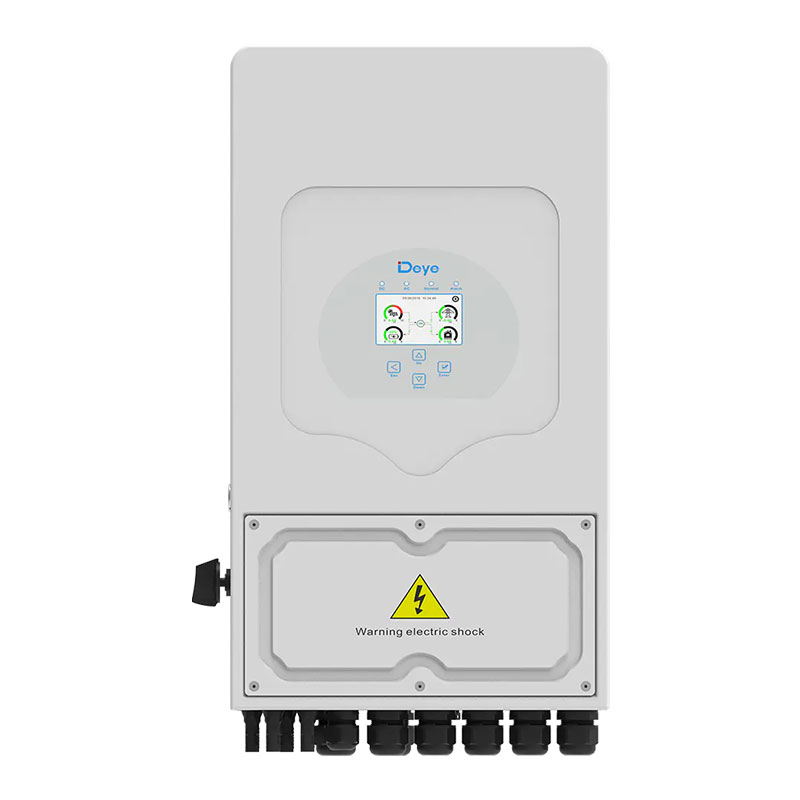
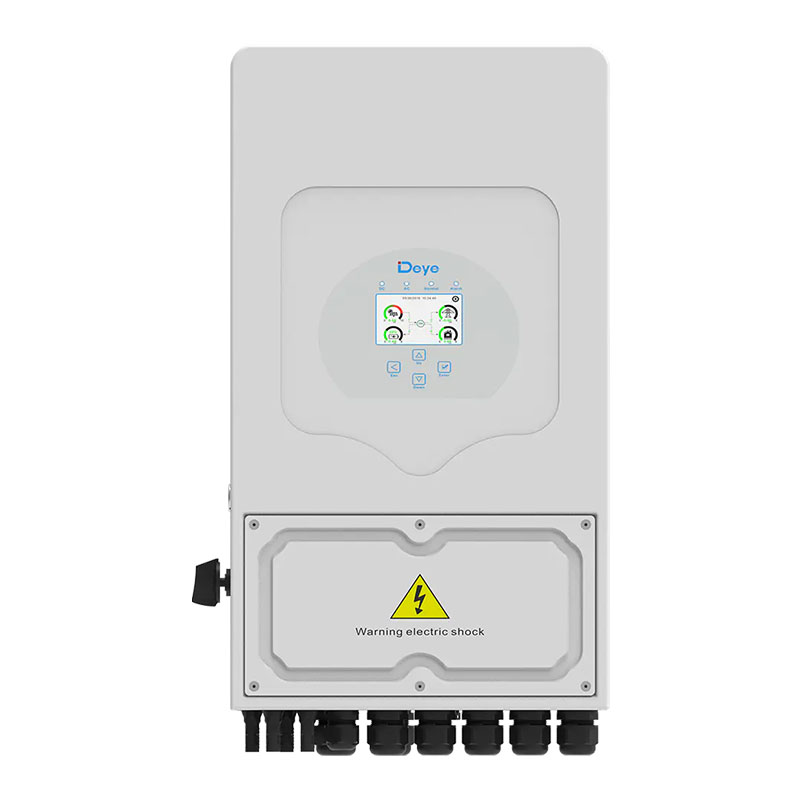
A low-voltage hybrid takes a 48 V battery bank on the DC side, which makes it the natural choice for retrofits and for projects where battery modules are added gradually. Charge and discharge currents are higher for the same power, so cable sizing and fuse selection need attention, but the battery technology is mature, widely available and easy to service. These units are popular in larger family homes and small workshops that already run three-phase appliances.
Deye SUN-8K-SG04LP3-EU Three Phase Low Voltage Hybrid Inverter1310~1480€/pc VAT excludedView Product →
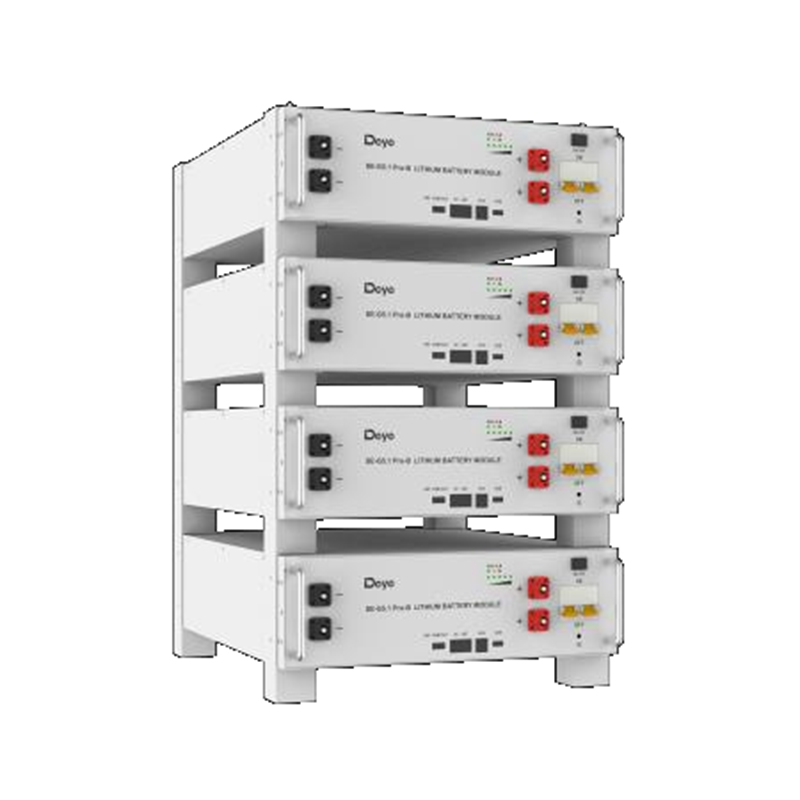
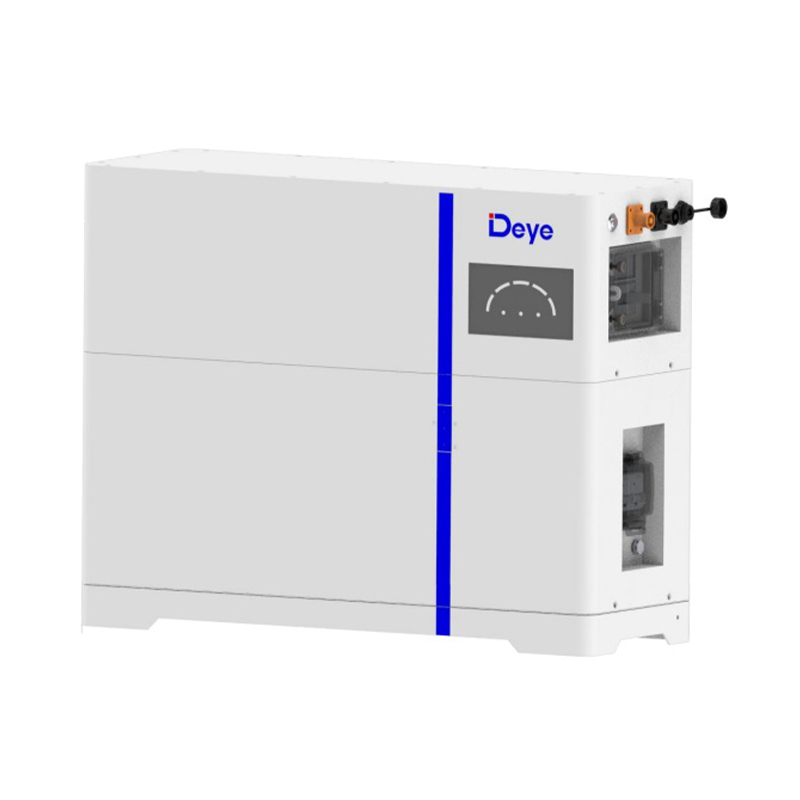
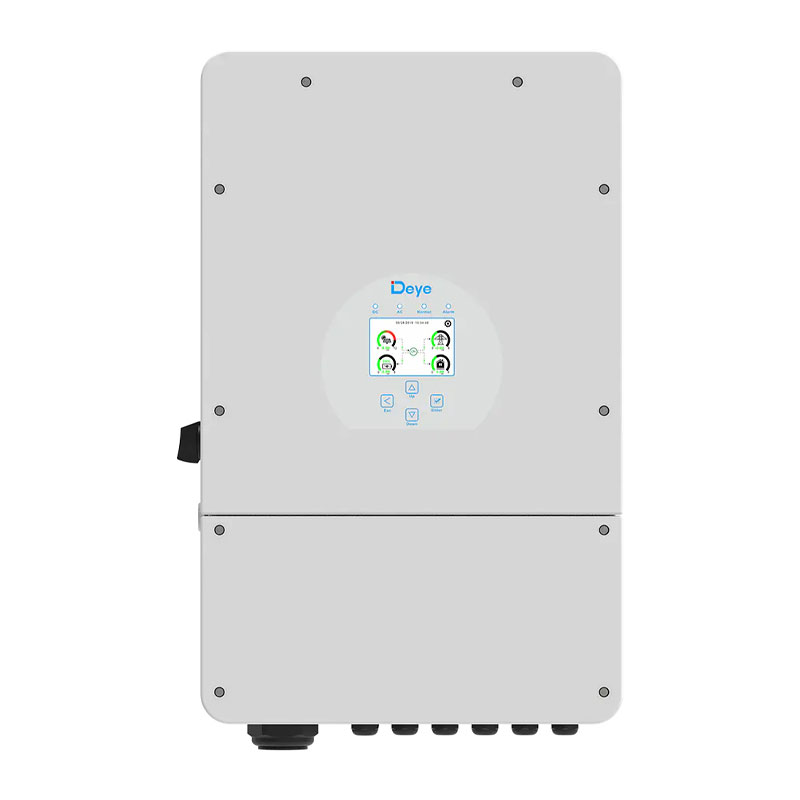
High-voltage hybrids work with stacked battery modules at 200 to 800 V. The higher bus voltage keeps currents low, so efficiency and backup power are typically better and the installation stays compact even as capacity grows from 10 kWh to 60 kWh or more. This is the format most new residential and light commercial storage projects now specify, especially where a single backup circuit has to run a heat pump or a well pump.
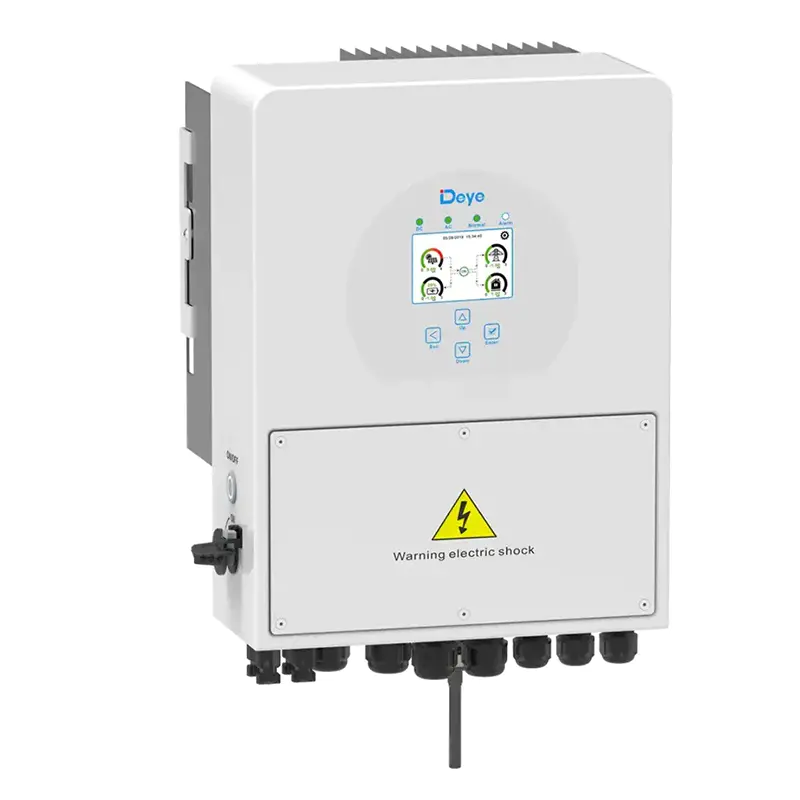
Deye SUN-12K-SG01HP3-EU-AM2 Hybrid Inverter1150~ 1280 €/pc VAT excludedView Product →
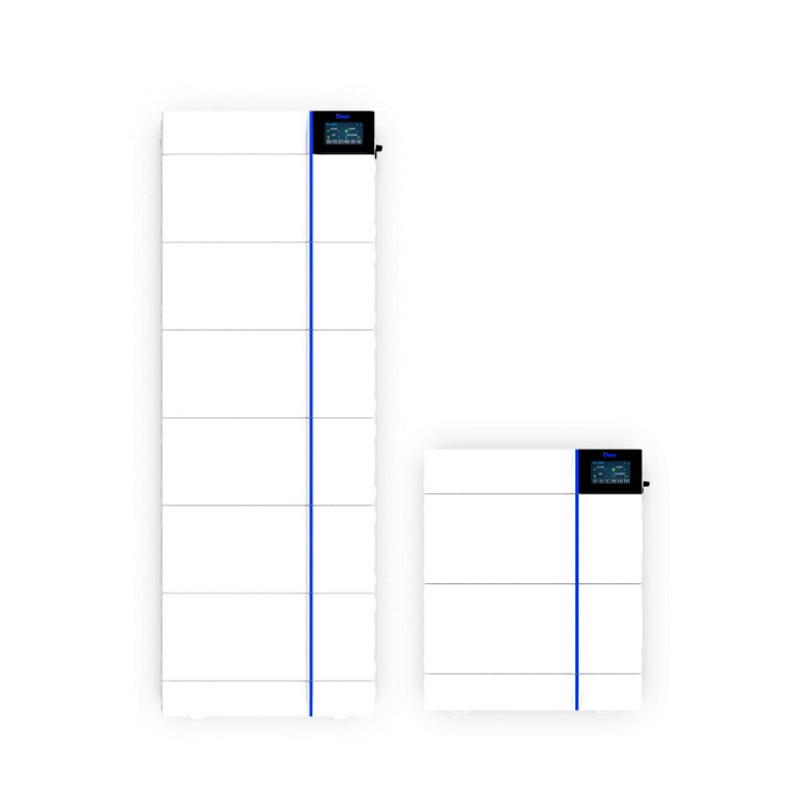
In this format the inverter, battery modules, BMS and often the changeover device sit in one cabinet with a single set of connections. Installation time drops, wiring mistakes become rarer, and the manufacturer can tune the whole system as one product. For commercial and industrial projects, the same logic scales up through three-phase PCS units, static transfer switches and containerised battery systems.
Sizing starts with the load, not with the PV array. A short sequence keeps the numbers honest:
Note the difference between kW and kVA. A 10 kW three-phase inverter with a power factor of 0.8 delivers 10 kVA of apparent power, which matters when you are matching the unit to a transformer or a generator. If you are combining storage with three-phase loads, the compatibility questions around voltage windows, phase balance and backup transfer are covered in more depth in our technical compatibility guide for three-phase energy storage systems.
Three-phase work leaves less margin for improvisation than single-phase work, largely because the neutral and the protective devices behave differently.
No. A three-phase inverter needs three live conductors with a defined phase relationship. If only a single-phase supply is available, use a single-phase hybrid unit instead, or ask the network operator about a three-phase upgrade.
Not always. Some grid-tied units are designed for three-wire operation, but hybrid and backup-capable inverters almost always need a neutral to supply unbalanced single-phase loads. Check the wiring diagram before ordering.
High voltage suits new installations with higher backup power and a growing capacity, while low voltage suits retrofits and projects where modules are added step by step. Both work well when the inverter is matched to the battery correctly.
Choosing a 3 phase inverter comes down to matching three things: the load profile on site, the battery format you intend to use, and the way the network operator wants the system to behave at the point of connection. Get those aligned and the rest of the design falls into place quickly. If you would rather shortlist from a tested catalogue of three-phase inverters, hybrid units and matched kits, send us your project details and our team will come back with a configuration and a quote.
+31610999937
[email protected]
De Werf 11, 2544 EH The Hague, The Nederland.
WhatsApp: +852 65283075Copyright © 2023 Uni Z International B.V. VAT: NL864303440B01 All Rights Reserved
Solar Energy Storage System Solutions and Products