Current Solar Panel Efficiency: Real-World Module Ratings and Buying Guide
Aug 19,2026Solar Powered Electric Car Charger: Panel Sizing, Battery Storage, and Charger Choice
Aug 14,2026Pure Sinusoidal Wave Output: Why It Matters for Solar Inverters and Appliances
Aug 07,2026Solar Panels for EV Charging: System Setup, Savings & Panels Needed
Jul 23,2026314Ah Cells Explained: How Deye GE-F Series Reaches 8,000+ Cycles
Jul 14,2026Content
Two solar quotes land on your desk. One panel is rated at 22.8% efficiency, the other at 21.2%, and the natural instinct is to treat the higher number as the better product. That instinct is only half right. Efficiency measures how much sunlight a panel converts into electricity per square meter of module area, and today's commercial panels mostly sit in a narrow band between 20% and 23%. The best back-contact N-type modules reach slightly above 24%, while laboratory cells have passed 47% under concentrated light. The useful question for an installer or project buyer is not which number is higher, but how the efficiency rating affects output, roof area and payback.
A module's efficiency is calculated by dividing its nameplate wattage by the solar energy hitting its surface, measured under standard test conditions, or STC. STC means 1000 W/m² of irradiance, a cell temperature of 25°C and an AM1.5 global spectrum. These are laboratory conditions, not a typical rooftop afternoon, which is why field output always differs from the datasheet number.
The math is straightforward. A 2 m² panel receives 2000 W of sunlight at STC. At 22% efficiency it produces 440W. That is why the market is full of 430W to 440W modules in nearly identical frame sizes: they all cluster in the 21.5% to 22% band.
Module efficiency is always lower than cell efficiency. A TOPCon cell can reach 25% in production, but once it is wired into a module, the gaps between cells, busbar shadows, frame edges and glass reflection drop that number into the low-to-mid 20s. When comparing panels, use the module efficiency printed on the datasheet, not the cell efficiency from the marketing material. For a deeper look at the rating terms used on modern datasheets, see how solar panels are rated for watts and efficiency.
Ten years ago, a 20% module was a premium product. Today it is the entry point for most modules available from distribution. The shift happened because the industry moved from p-type PERC cells to n-type architectures that suffer less from light-induced degradation and maintain output over 30 years. Four panel architectures now cover almost the entire market.
| Cell technology | Typical module efficiency | What it means for buyers |
|---|---|---|
| PERC (p-type) | 20.0-21.5% | Lowest cost; mature supply; common in budget projects |
| TOPCon (n-type) | 21.5-22.8% | Mainstream choice for residential and commercial systems |
| HJT (n-type) | 22.0-23.2% | Premium efficiency and lower temperature loss |
| Back-contact (n-type) | 23.0-25.0% | Highest commercial output per square meter; premium price |
These figures describe real products, not laboratory records. Research cells run well ahead: a multi-junction concentrator cell reached 47.6% in 2022, and perovskite-on-silicon tandems have passed 33% in the lab. Neither technology has reached the cost and reliability point needed for mass rooftop use, so procurement decisions today stay inside the 20-25% range.
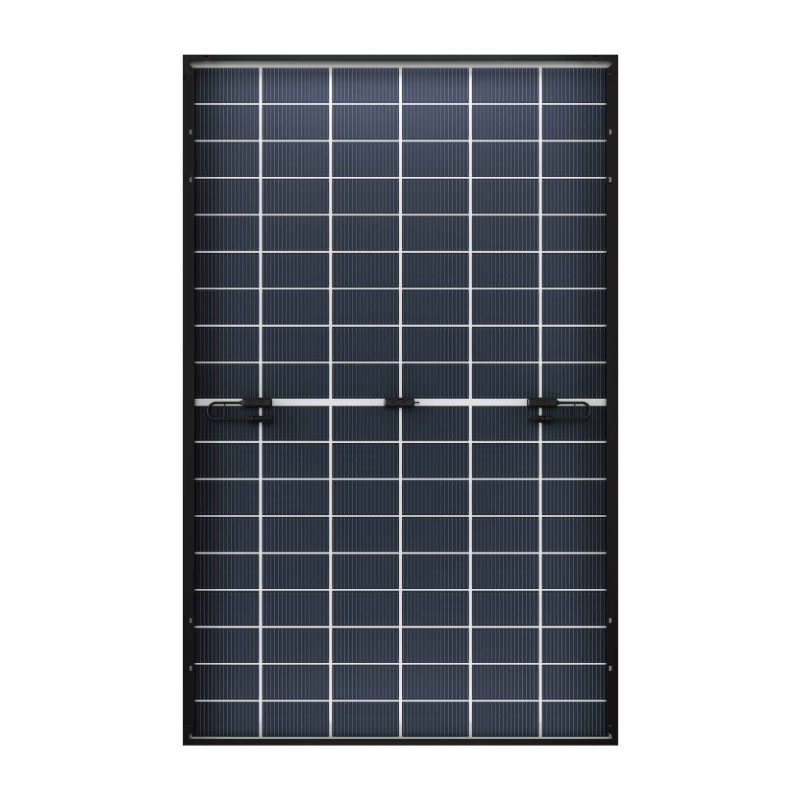
For buyers who want the highest output from a limited roof, back-contact N-type modules are the current ceiling. The back-contact N-type module carried in our catalogue is a typical example of what this generation delivers in a standard 54-cell format.
Longi Hi-MOX10 LR7-54HVD-485M EcoLife Suppliers, Company - Uni Z International Uni Z International B.V. is China Longi Hi-MOX10 LR7-54HVD-485M EcoLife Suppliers and Factory,View Product →Efficiency is measured under STC, but a solar installation does not live under STC. In actual operation, several factors change output more than one percentage point of efficiency. If you are deciding between a 21% panel and a 22% panel, the points below matter more than the headline rating.
A 1% absolute efficiency difference means about 4% to 5% more energy from the same area. That is worth having, but it is easy to lose more than that with poor orientation, partial shading or a hot roof. In real installations, optimizing the tilt and azimuth yields more kWh than switching from a 21.5% module to a 22.5% module.
Efficiency carries a price premium, and the premium makes sense in some situations but not in others. The rule is simple: pay for efficiency when the area is scarce or the electricity tariff is high; compare price per watt when neither is a constraint.
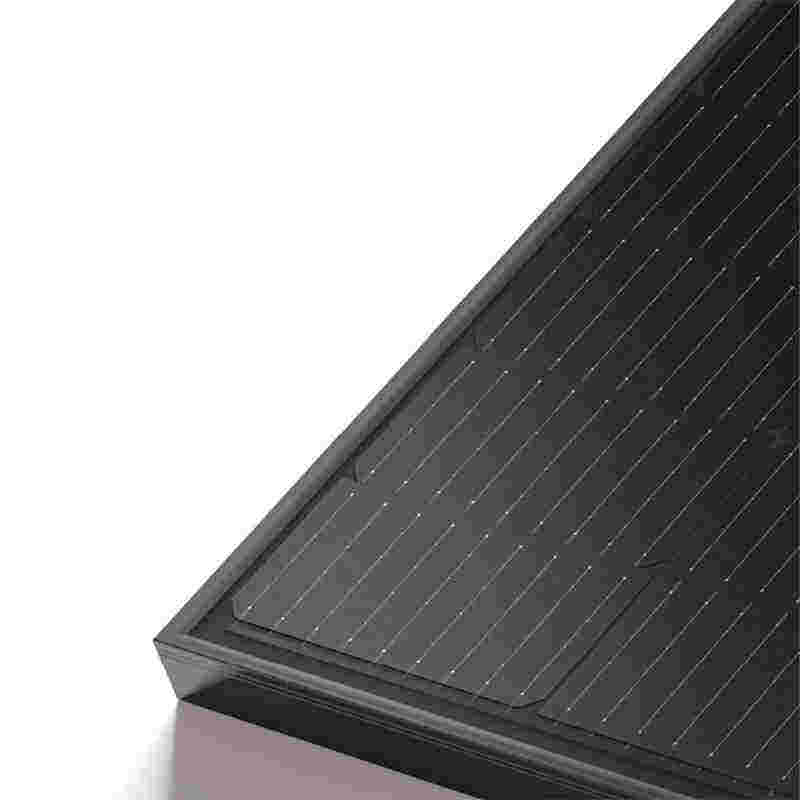
Full Black Solar PV Modules TP 430W Suppliers, Company - Uni Z International B.VUni Z International B.V. is China Full Black Solar PV Modules TP 430W Suppliers and Factory,1.Using the latest TOPCon 16BB silicon cells,...View Product → is a common specification for this application.Efficiency is one line in a datasheet and the easiest to compare. The rest of the datasheet affects your cost and output for the life of the system. Before placing an order, check at least the following:
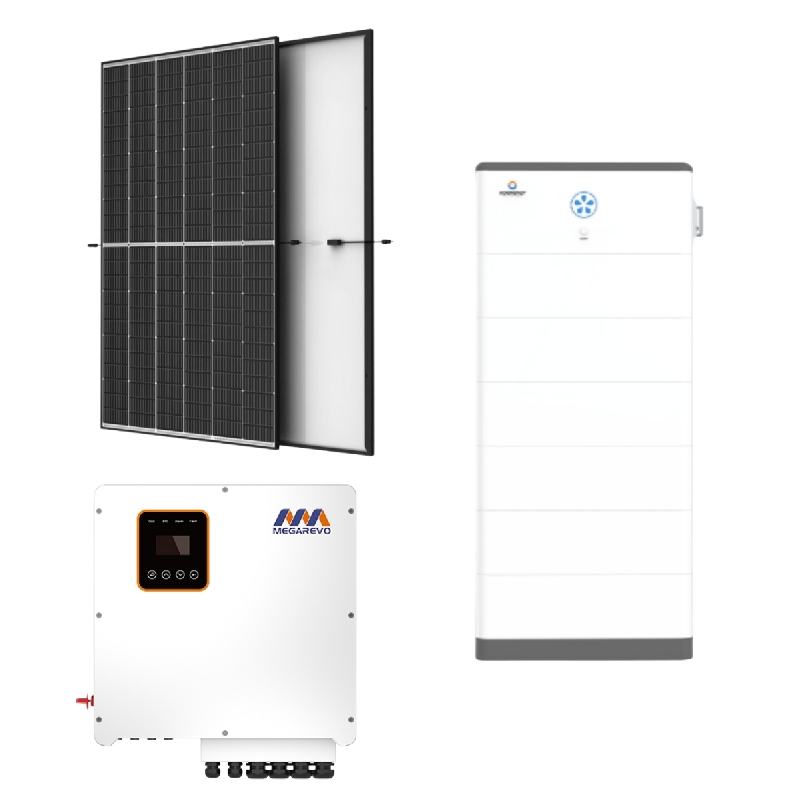
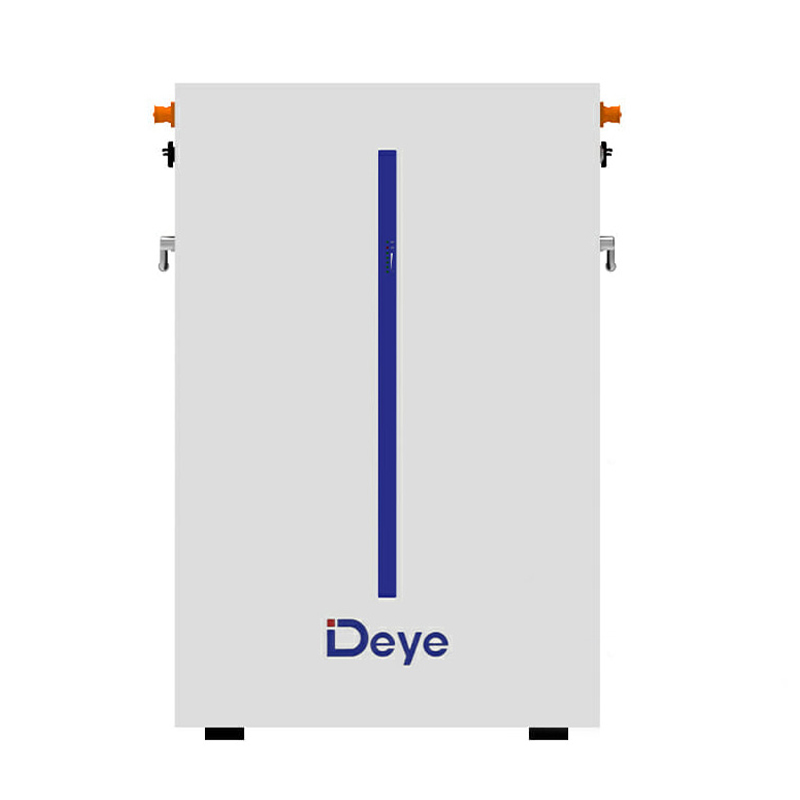
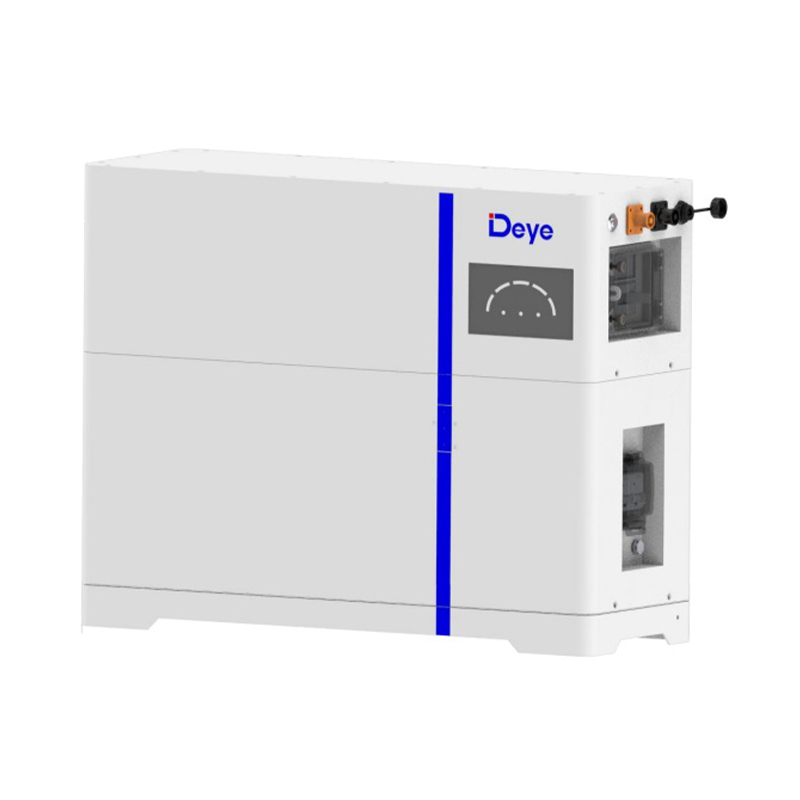
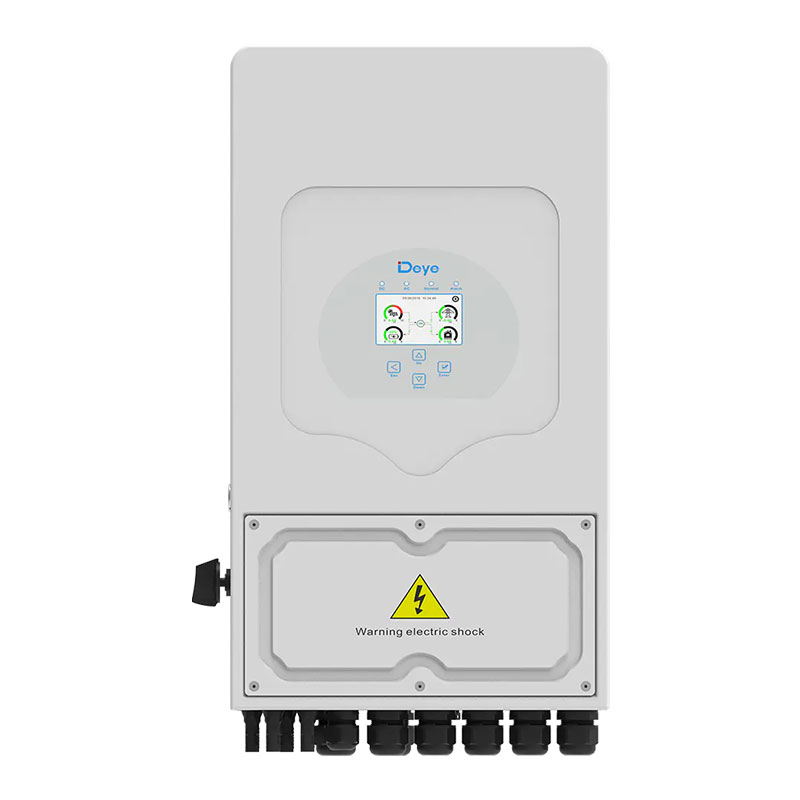
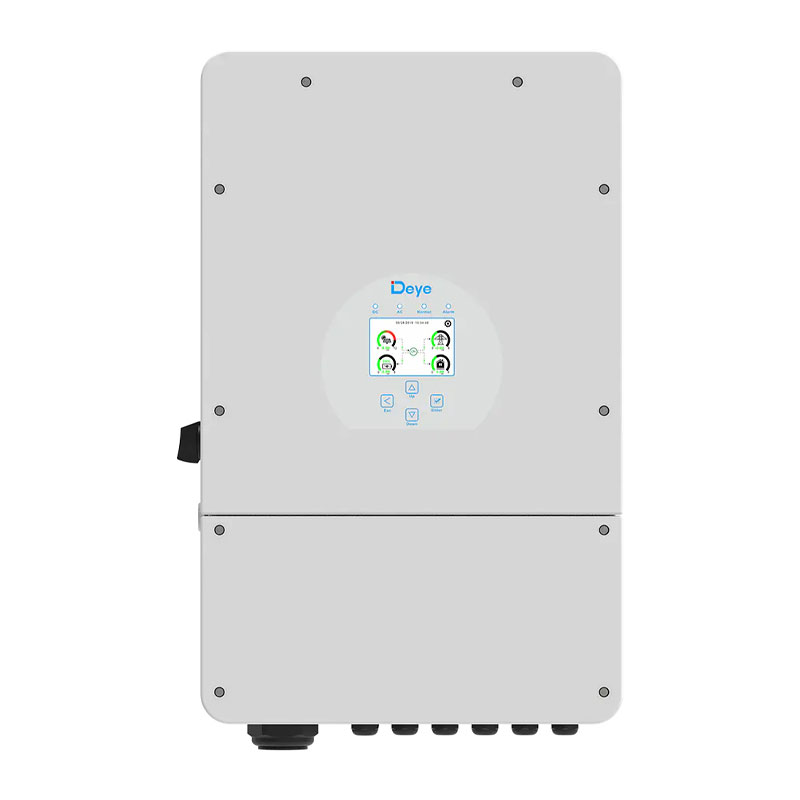
Buyers who do not want to assemble components from scratch usually get a simpler result from complete systems, because the module-inverter-battery interface is pre-matched by the supplier. A common configuration for a single-family home is a 10 kW array with 10 kWh of battery storage; the 10 kW photovoltaic kit with 10 kWh storage in our catalogue covers that configuration in one part number, including the hybrid inverter and battery system.
10KW Photovoltaic kit with 10KWh storage Suppliers, Company - Uni Z InternationaUni Z International B.V. is China 10KW Photovoltaic kit with 10KWh storage Suppliers and Factory,The 10KW photovoltaic kit with storage i...View Product →The best solar panel is not necessarily the one with the highest efficiency; it is the one that fits the roof, matches the inverter and the budget, and keeps producing for 30 years. Use module efficiency to narrow your shortlist, then compare temperature coefficient, degradation, warranty, price per watt and availability. If the decision depends on a specific roof geometry or inverter input limits, it is worth asking a supplier to walk through the datasheet before ordering. You can contact our technical sales team for module-level datasheets, quotes and current lead times.
←
No previous article
→
Solar Powered Electric Car Charger: Panel Sizing, Battery Storage, and Charger Choice
+31610999937
[email protected]
De Werf 11, 2544 EH The Hague, The Nederland.
WhatsApp: +1 (917) 257 2995/Copyright © 2023 Uni Z International B.V. VAT: NL864303440B01 All Rights Reserved
Solar Energy Storage System Solutions and Products