Solar Powered Electric Car Charger: Panel Sizing, Battery Storage, and Charger Choice
Aug 14,2026Pure Sinusoidal Wave Output: Why It Matters for Solar Inverters and Appliances
Aug 07,2026Solar Panels for EV Charging: System Setup, Savings & Panels Needed
Jul 23,2026314Ah Cells Explained: How Deye GE-F Series Reaches 8,000+ Cycles
Jul 14,2026Deye GE-F128/F240/F256 Series Outdoor Battery Cabinet: Small-Scale C&I ESS Guide
Jul 14,2026Content
A 60 kWh electric car parked next to a 6 kW rooftop array sounds like the perfect pairing. In practice, most owners still charge from the grid in the evening because the wall box is sized to the car, not to the solar system. A solar powered electric car charger is a system decision, not a hardware purchase: the panels, the storage battery, and the charging power all have to match. The logic is simple enough to verify with a few calculations before you spend money, and this article walks through exactly those calculations.
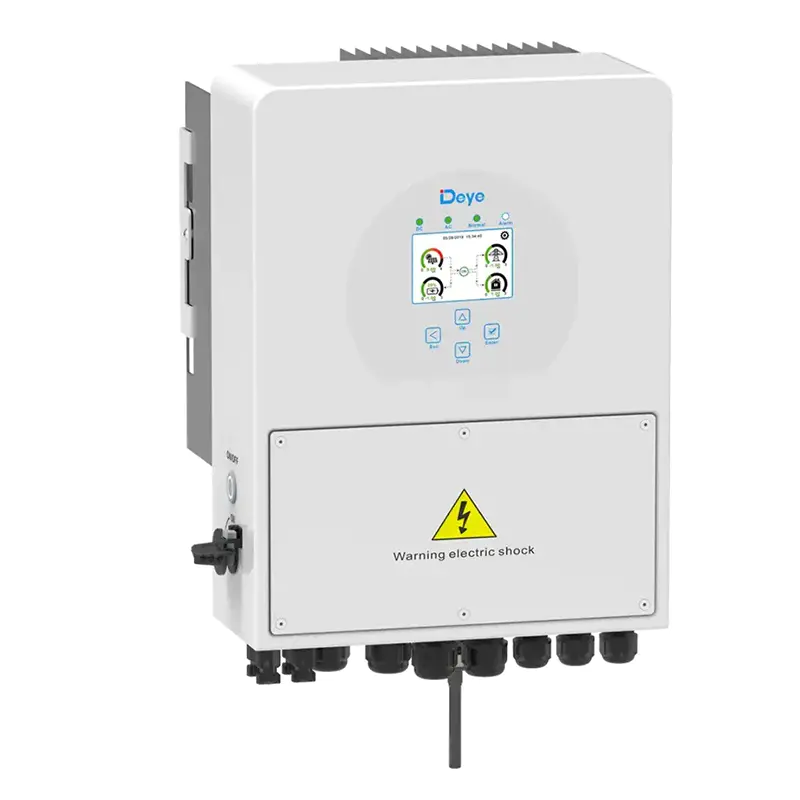
A solar powered electric car charger is not a single appliance. It is a chain of equipment: photovoltaic panels generate DC electricity, a solar inverter converts it to household AC, a home battery stores surplus energy, and an EV charging pile delivers that energy to the car when needed. The wall-mounted unit is technically an EVSE (electric vehicle supply equipment) rather than a charger, because the AC-to-DC conversion happens inside the vehicle's onboard charger. That distinction matters when you compare products: the charging pile specification is the least interesting part of the system.
Portable solar chargers exist, but they solve a different problem. A 200 W folding panel produces roughly 1 kWh on a clear day, which is about 5 km of driving for an average EV. The only practical way to run a car on solar is a fixed array combined with a wall box, so the rest of this guide focuses on that configuration.
| Architecture | Energy path | Best suited for |
|---|---|---|
| Direct solar charging | PV panels to inverter to charging pile to car during daylight hours | Drivers who park at home during peak sun hours |
| Solar plus battery time shifting | PV charges the home battery during the day; the battery charges the car in the evening | Households that return in the late afternoon and charge overnight or after dinner |
| Grid-tied solar offset | Charging happens anytime; exported solar credits offset the imported charging energy | Net-metering markets with fair export tariffs |
The first two architectures give you direct control over the solar share of your charging. The third is popular in net-metering markets but does not actually feed the car from the panels in real time.
Start with what the car consumes, not with the charger. A typical EV uses roughly 15 to 20 kWh per 100 km. That single figure drives every other decision in the system.
Charging losses complicate that arithmetic slightly. A typical AC charging session loses 5 to 10 percent of the energy during conversion and cable heating, so the 2,700 kWh annual figure translates into roughly 2,900 to 3,000 kWh drawn from the solar system or the grid. Panel sizing should therefore include a small margin of about 10 percent.
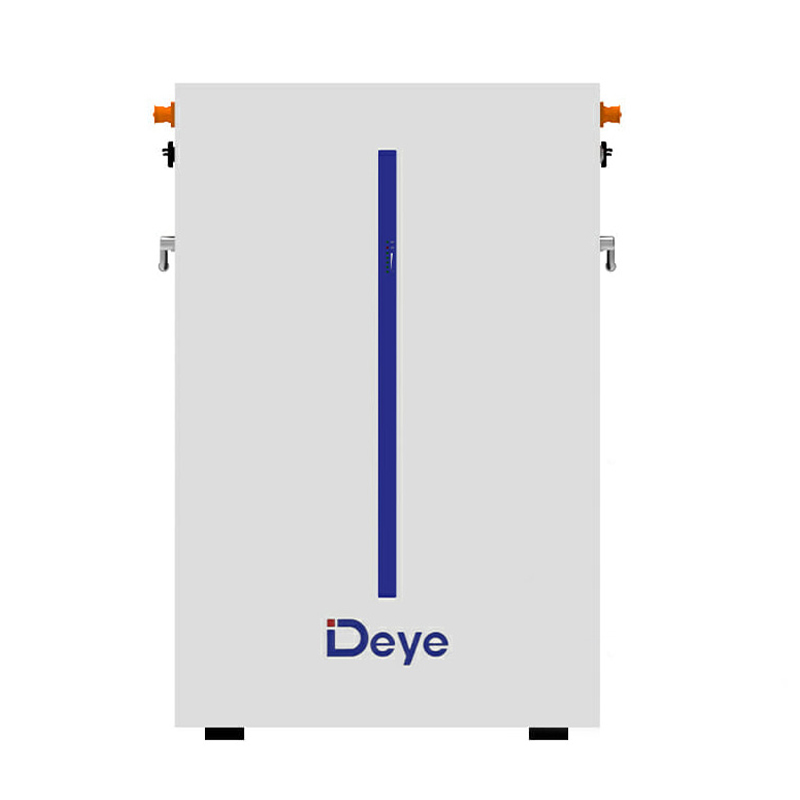
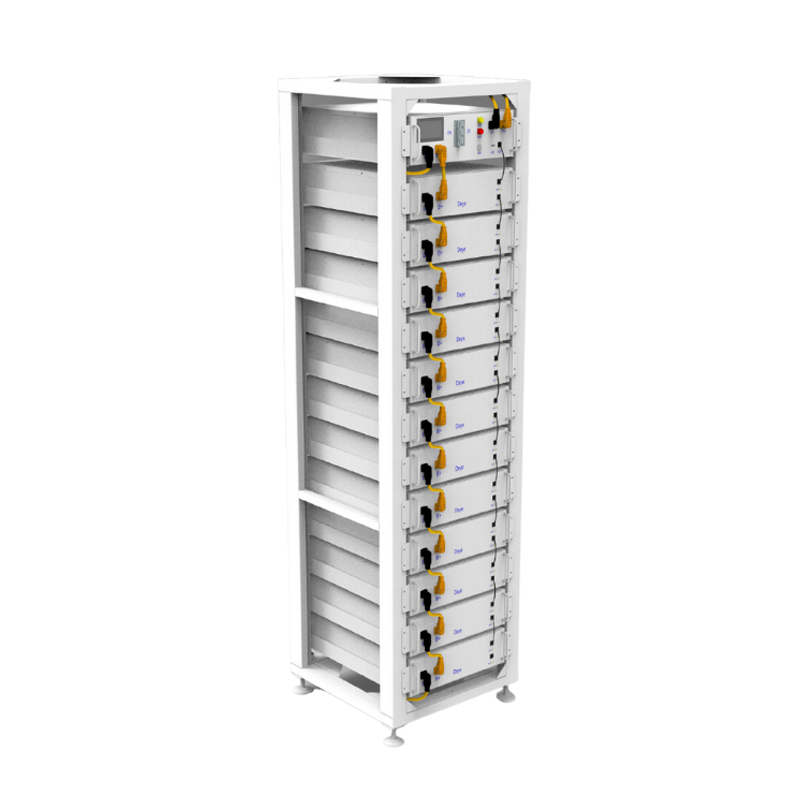
Storage changes the calculation. A 10 kWh usable battery covers roughly 50 to 70 km of evening charging, which is enough for most daily commutes. Without storage, a wall box can only use solar surplus that exists at the exact moment of charging, so a car plugged in at 18:00 will almost certainly draw grid power even after a sunny day.
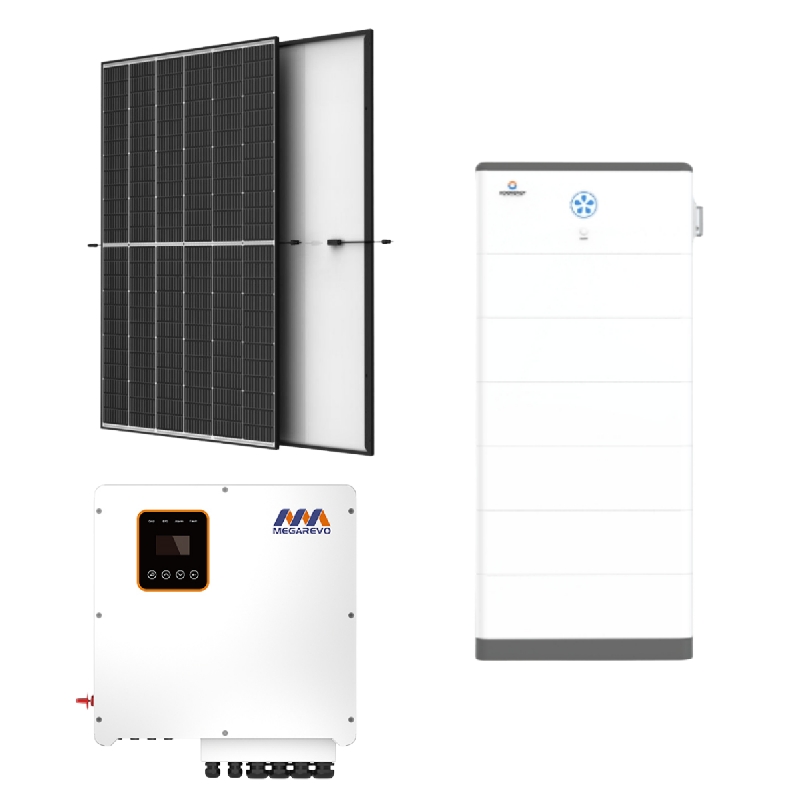
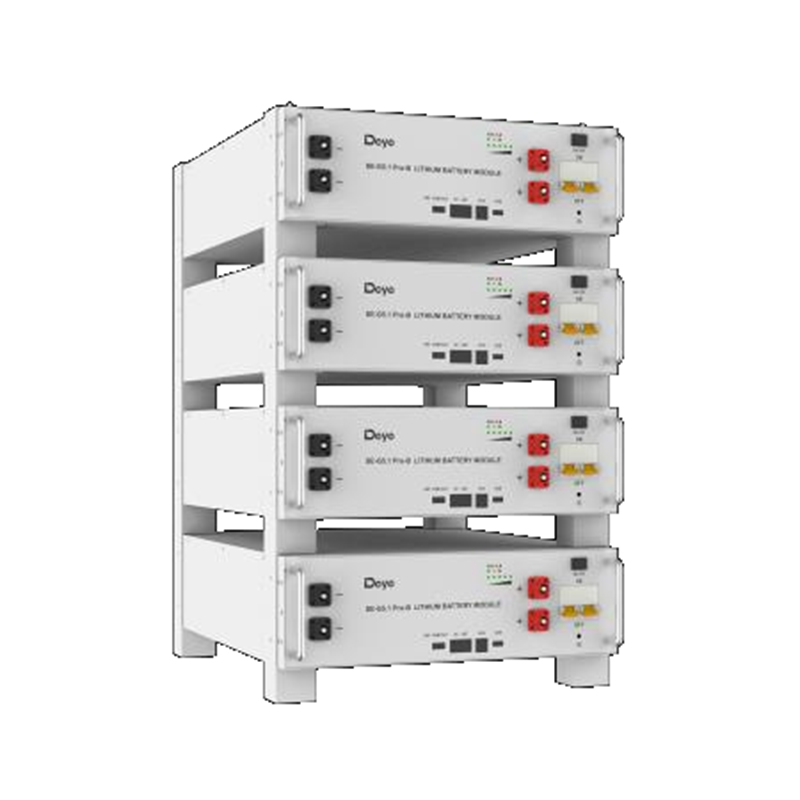
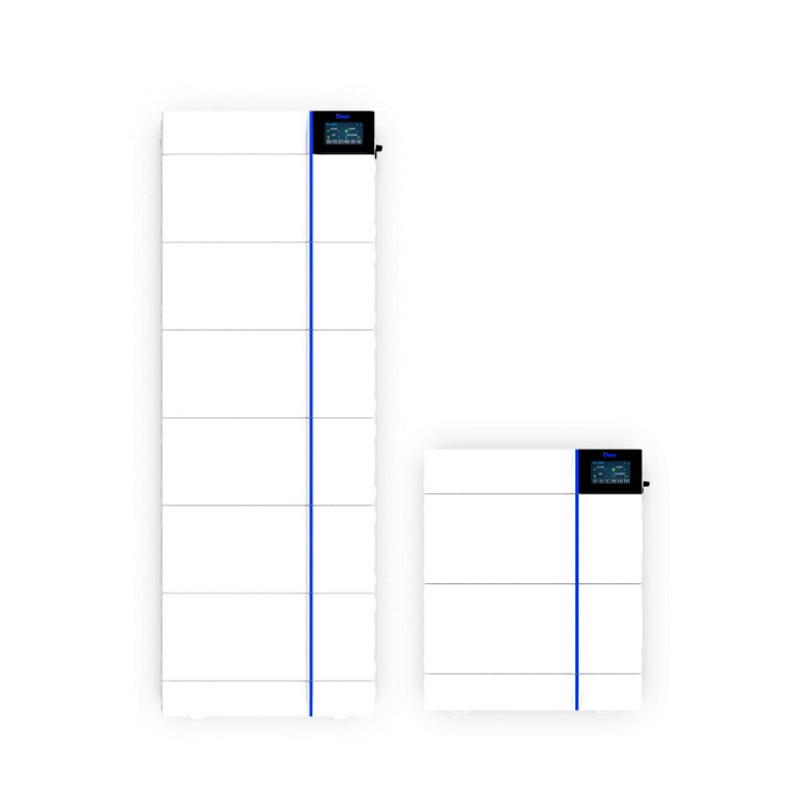
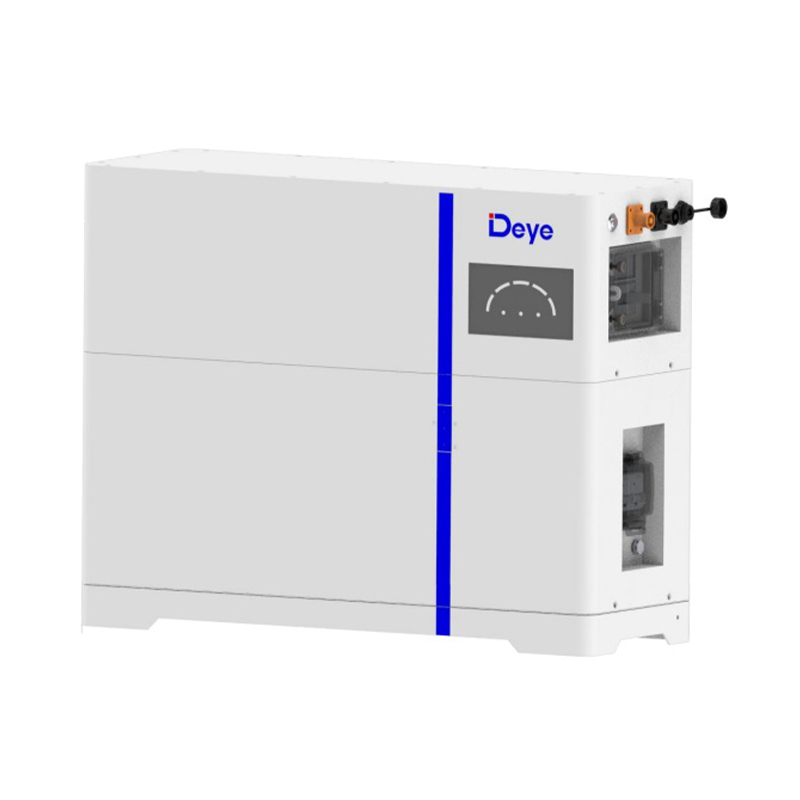
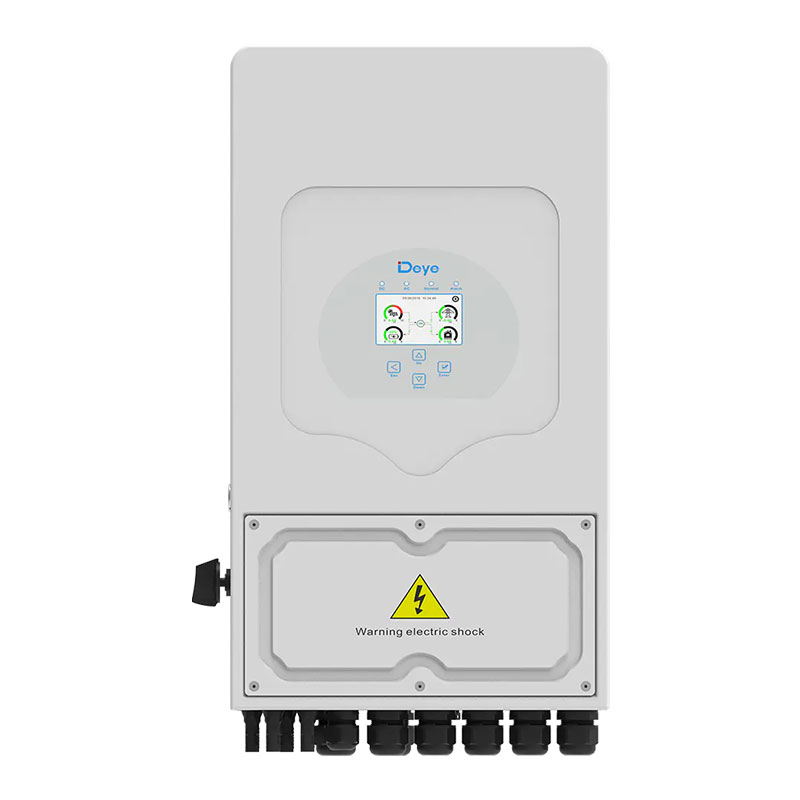
For a complete residential package, a system such as the 8 kW photovoltaic kit with 10 kWh storage covers both the generation and the buffer that an EV charging setup requires. The kit also feeds the house loads, so the charger draws from shared surplus rather than needing its own dedicated array.
8KW Photovoltaic kit with 10KWh storage Suppliers, Company - Uni Z InternationalUni Z International B.V. is China 8KW Photovoltaic kit with 10KWh storage Suppliers and Factory,The 8KW photovoltaic kit with storage is ...View Product →
Charger power should match the array and the battery, not the car's maximum acceptance rate. A 7.3 kW charger needs the system to sustain a steady 7.3 kW output. A 5 kWp array with a 10 kWh battery drains its buffer in roughly 80 minutes at that rate before grid power takes over. That is acceptable if you charge during midday solar peaks; it becomes a design flaw if you expect the wall box to run at full rate from a small array.
For a detailed walkthrough with worked examples for different car sizes and annual mileages, see our guide on how many solar panels you need for EV charging.
Home solar installations use AC charging piles, not DC fast chargers. The practical options are 7.3 kW on a single-phase connection and 11 kW or 22 kW on a three-phase connection. DC piles from 30 kW upward belong in public stations and commercial depots; wiring one into a home adds conversion losses and cost and rarely makes the car charge faster because the onboard charger sets the limit anyway.
Within AC charging, the plug-versus-socket distinction matters more than most buyers expect. A plug version keeps a tethered cable attached to the pile, so the driver only connects one end to the car. A socket version requires the driver to carry their own cable, which suits households with two cars using different connector standards.
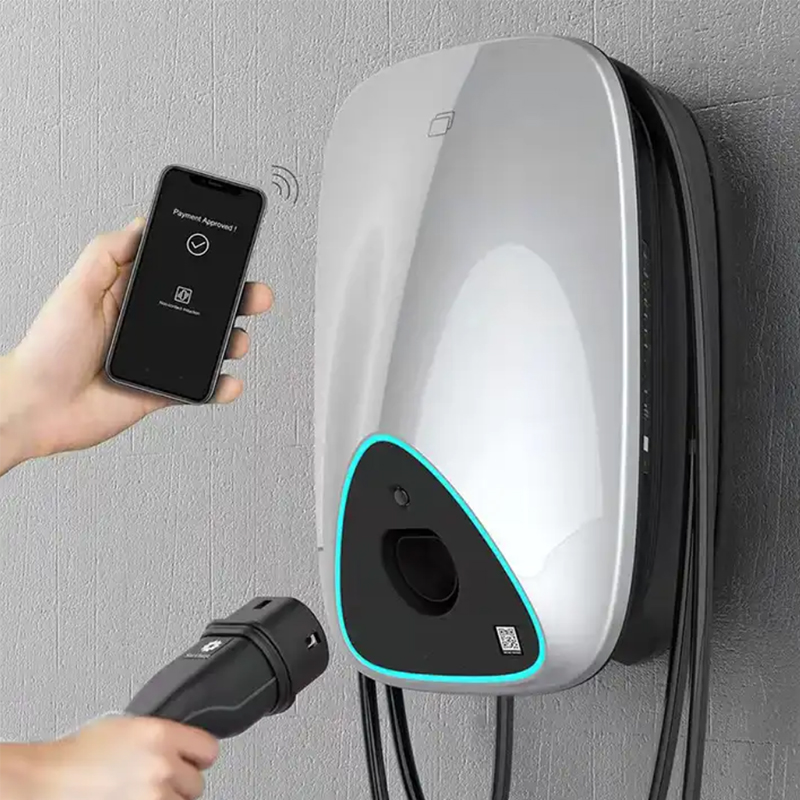
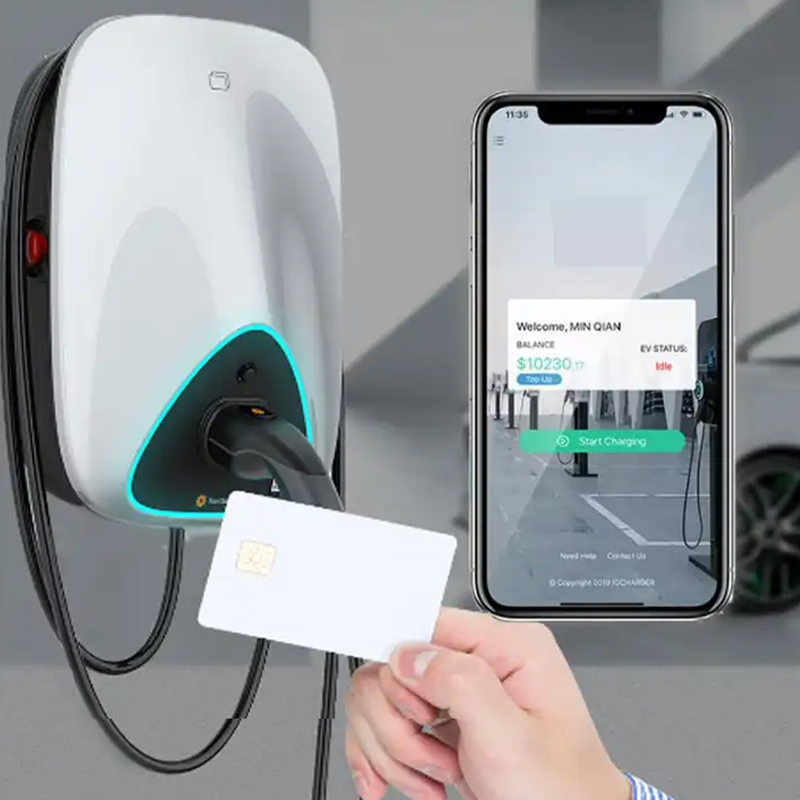
For a typical single-car household, the 7.3 kW home EV charger with charging plug covers the vast majority of overnight and midday scenarios and works on most existing single-phase connections. If the house already has three-phase supply and the solar array regularly exports surplus during the day, the 11 kW EV charger with Type 2 plug shortens charging time by a third and makes fuller use of daylight peaks.
11KW EV CHARGER A011KP1-E-2 CHARGING PLUG Suppliers, Company - Uni Z InternationUni Z International B.V. is China 11KW EV CHARGER A011KP1-E-2 CHARGING PLUG Suppliers and Factory,11KW EV CHARGER is suitable for use in...View Product →
7.3KW EV CHARGER A7300P1-E CHARGING PLUG Suppliers, Company - Uni Z InternationaUni Z International B.V. is China 7.3KW EV CHARGER A7300P1-E CHARGING PLUG Suppliers and Factory,With plug and charge, simply connect you...View Product →
For a two-car household, a 22 kW double-output pile avoids the cost of a second wall box, but only if the three-phase connection and the array can actually feed it. Otherwise you are buying charging capacity that the solar system cannot deliver. The technical trade-offs between slower AC charging and faster DC charging are explained in our comparison of AC versus DC charging, which is worth reading before you decide between pile types.
Most installation problems trace back to three checkable points:
Connector compatibility deserves attention before ordering. Most European EVs use Type 2 for AC charging, but the cable arrangement and the position of the charge port on the car can change which pile version fits best. Check the port location against the proposed position of the pile before mounting, especially in narrow garages or shared parking spaces.
Enclosure rating is the next practical consideration. A charging pile rated IP65 or higher can be mounted outdoors next to the parking spot, which avoids long cable runs through the house. Indoor installation keeps the unit out of weather but adds wiring cost if the parking area sits far from the electrical panel.
Real installations are rarely as clean as the wiring diagram. We documented one completed EV charging pile installation case that shows how the equipment, the electrical connection, and the physical site conditions come together in practice.
The conclusion is consistent across every project: buying a solar powered electric car charger is not about the wall box. It is about whether the array, the storage battery, and the charge point are sized to the same annual mileage and the same daily schedule. If they are, even a modest 7.3 kW pile delivers real sunshine-driven mileage. If they are not, no charger, however powerful, can change where the electrons come from.
←
No previous article
→
Pure Sinusoidal Wave Output: Why It Matters for Solar Inverters and Appliances
+31610999937
[email protected]
De Werf 11, 2544 EH The Hague, The Nederland.
WhatsApp: +1 (917) 257 2995/Copyright © 2023 Uni Z International B.V. VAT: NL864303440B01 All Rights Reserved
Solar Energy Storage System Solutions and Products