How Does an Off-Grid Solar System Work? Components, Flow, and Sizing Explained
Aug 28,2026Current Solar Panel Efficiency: Real-World Module Ratings and Buying Guide
Aug 19,2026Solar Powered Electric Car Charger: Panel Sizing, Battery Storage, and Charger Choice
Aug 14,2026Pure Sinusoidal Wave Output: Why It Matters for Solar Inverters and Appliances
Aug 07,2026Solar Panels for EV Charging: System Setup, Savings & Panels Needed
Jul 23,2026Content
A cabin sits four kilometers past the last utility pole, and the grid operator wants a five-figure sum per kilometer to extend the line. At that point, generating and storing your own electricity stops being a lifestyle choice and becomes plain arithmetic. So how does an off-grid solar system work? In essence, it runs a four-step loop every day: photovoltaic panels convert sunlight into direct current (DC), a charge controller or hybrid inverter regulates that current and routes it safely, a battery bank stores whatever the household does not use immediately, and an inverter converts stored DC back into alternating current (AC) at the voltage and frequency your appliances expect. Because no utility grid stands behind any of it, each step has to cover 100% of your demand — there is no net metering, no grid fallback, and no second chance after sunset.
The clearest way to understand the technology is to follow one unit of energy through a typical day.
After dark the loop runs in reverse: the battery feeds the inverter, and the inverter feeds the house. When the sun returns, the array recharges the bank while simultaneously carrying daytime loads. During long stretches of overcast weather, most hybrid inverters also accept a backup generator on a dedicated AC input; the unit synchronizes with the generator and recharges the batteries automatically. Even if you never buy a generator, specifying that inlet costs little at design time and rescues the system at the worst possible moment.
Four component groups carry the system, and each one answers a different engineering question.
Panels set the upper limit on everything else. Residential monocrystalline modules now span roughly 400 W to 620 W, and layout details matter more off-grid than on: a bifacial module mounted over light-colored gravel can harvest an extra 5–15% from rear-side reflection, while a single shaded chimney can suppress a whole string's output for hours. Off-grid arrays are sized for the worst month of the year, so they routinely carry more panels than a grid-tied roof serving the same daily consumption.
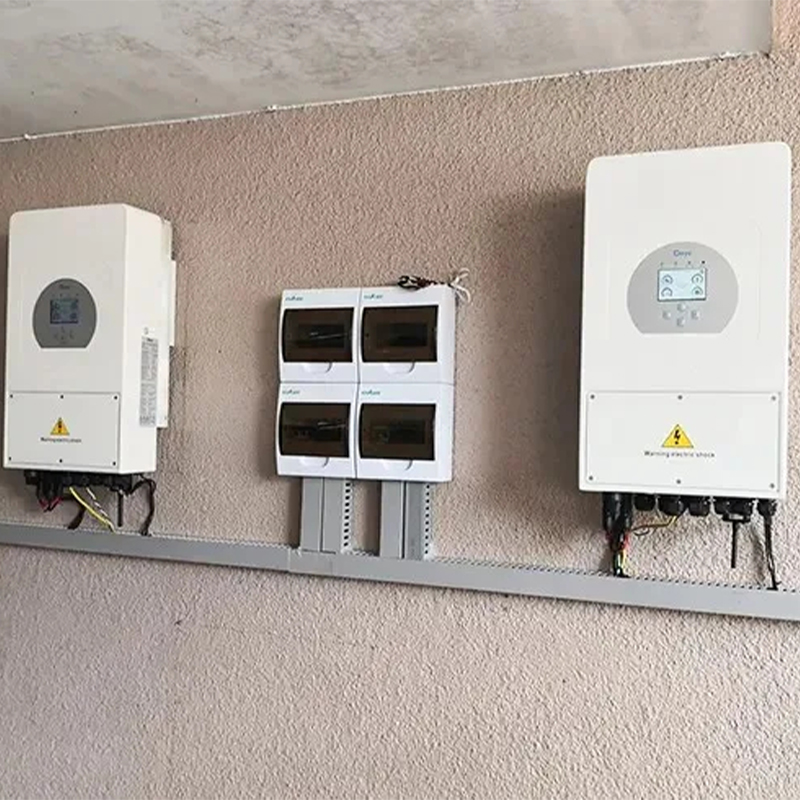
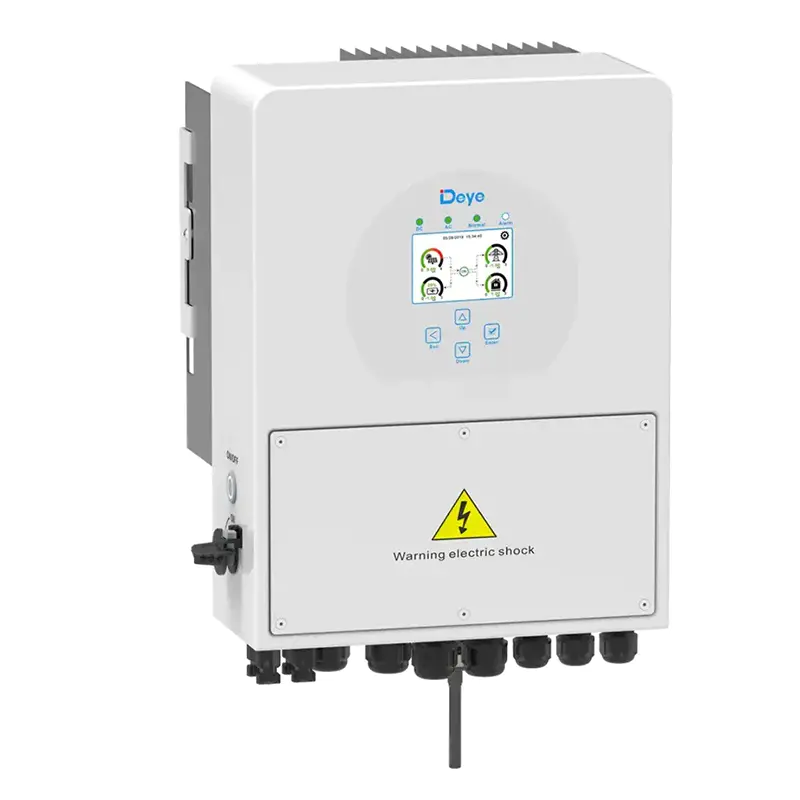
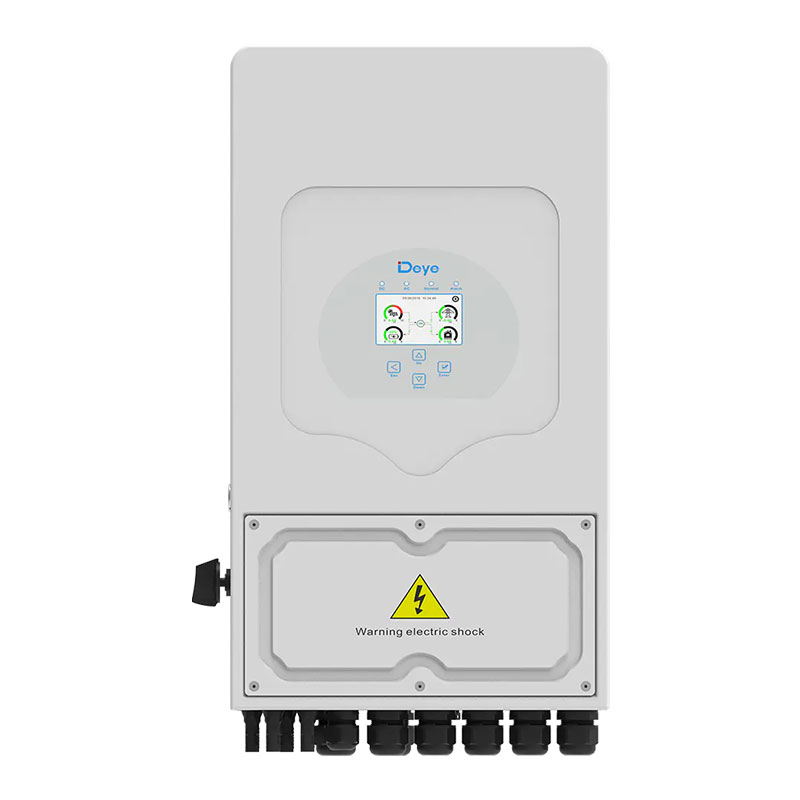
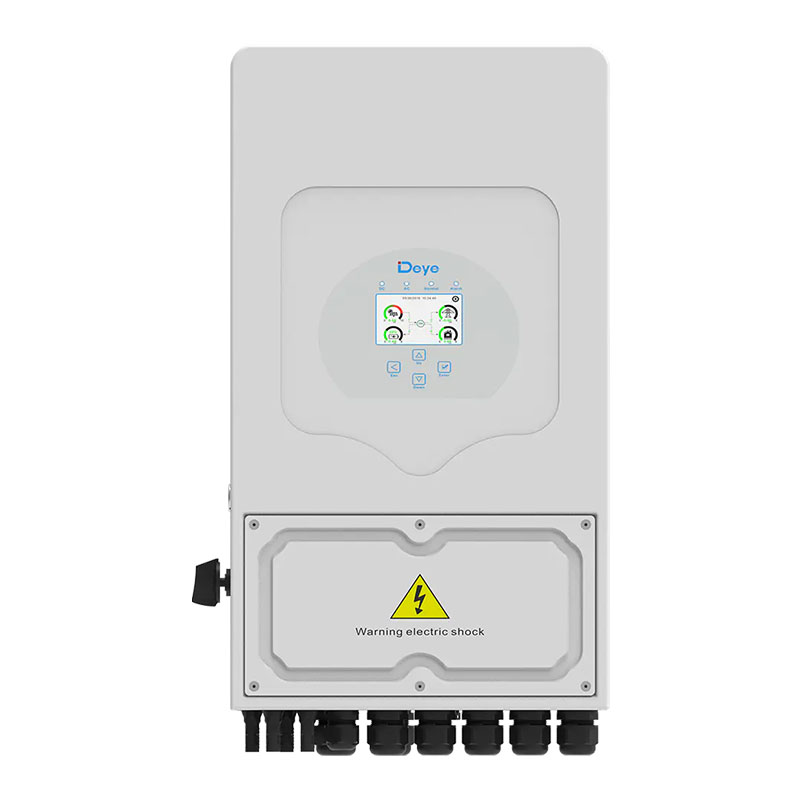
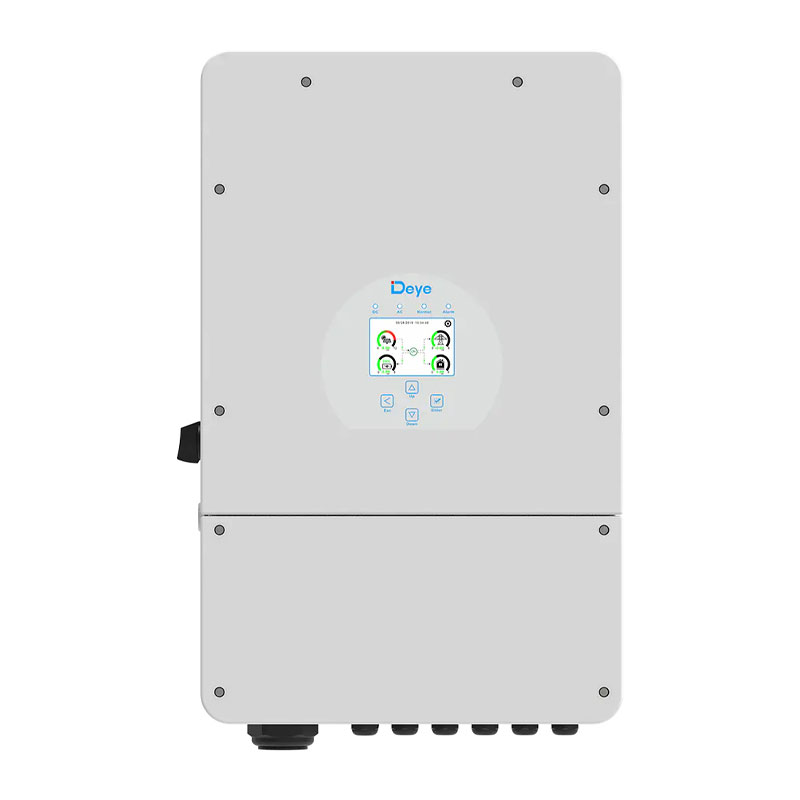
In most systems installed today, the controller and inverter live in one hybrid unit. A typical 5 kW single-phase model accepts 6–8 kW of PV input across two independent MPPT trackers, tolerates up to around 500–650 V DC open-circuit voltage, and transfers to battery power within roughly 4–10 milliseconds when solar output collapses — quick enough that computers stay on and compressors do not stall. Established brands such as Deye and Solis publish transfer times, MPPT count, and peak efficiency in their datasheets, and those three numbers deserve as much attention as the price.
Deye SUN-5K-SG03LP1-EU 5kW Single-Phase Hybrid InverterA 5 kW hybrid unit with dual MPPT trackers and fast battery transfer, the controller-inverter core discussed before the card. Its published transfer time, MPPT count, and efficiency figures make it worth checking against your price.View Product →
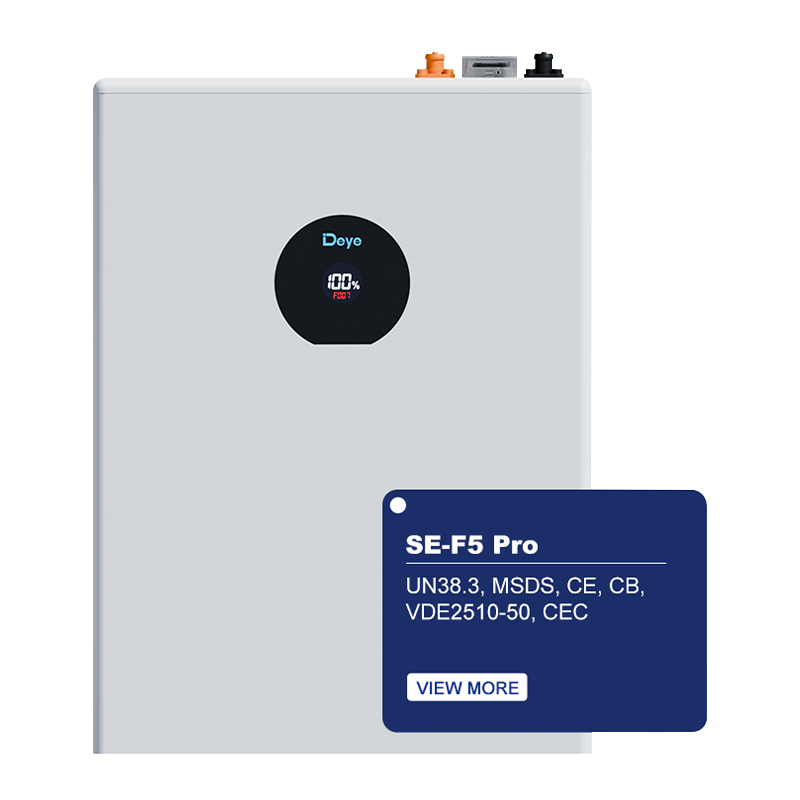
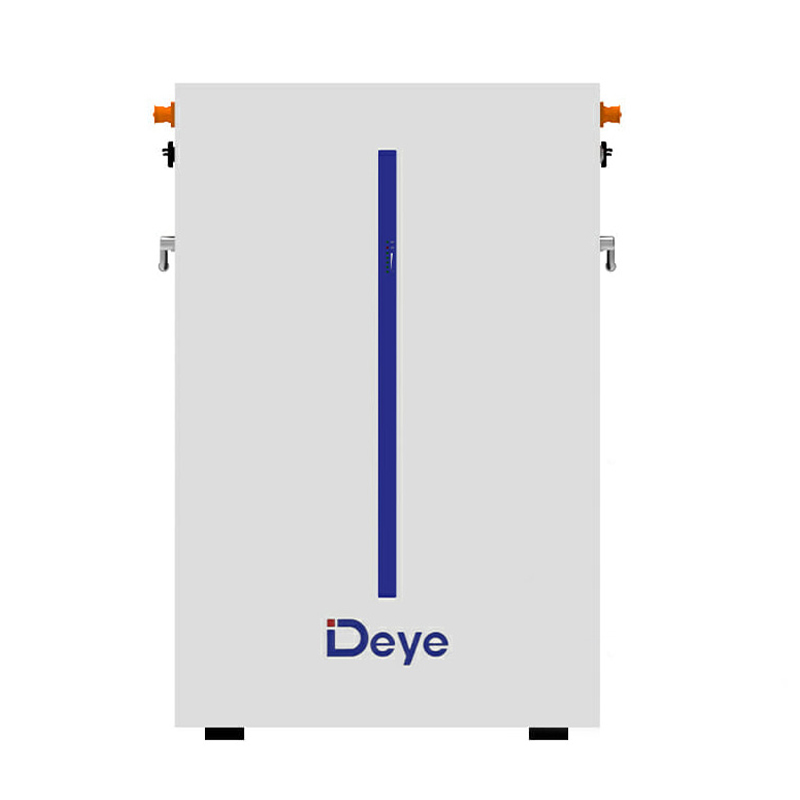
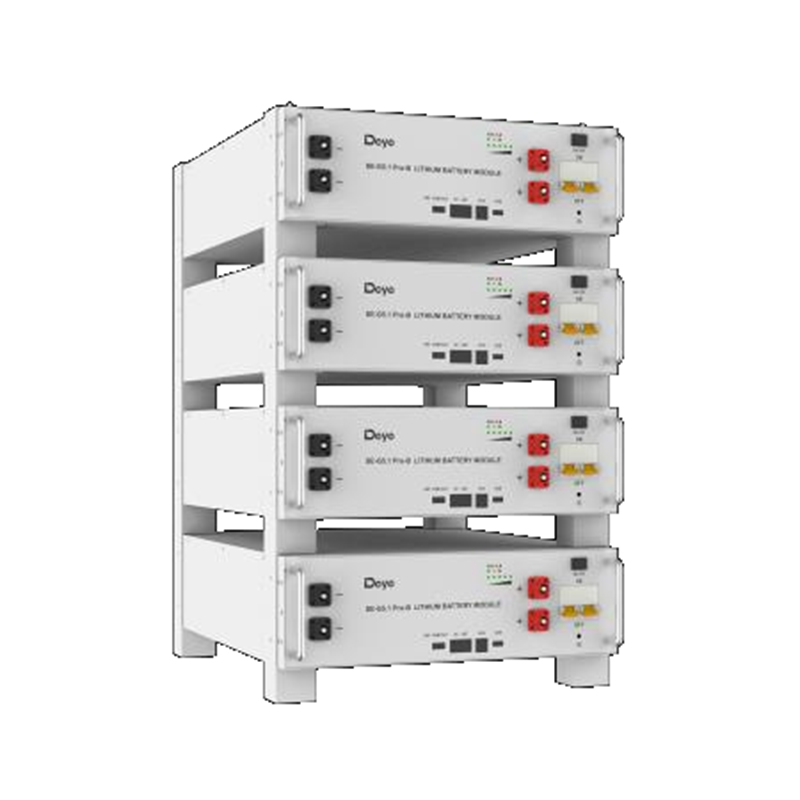
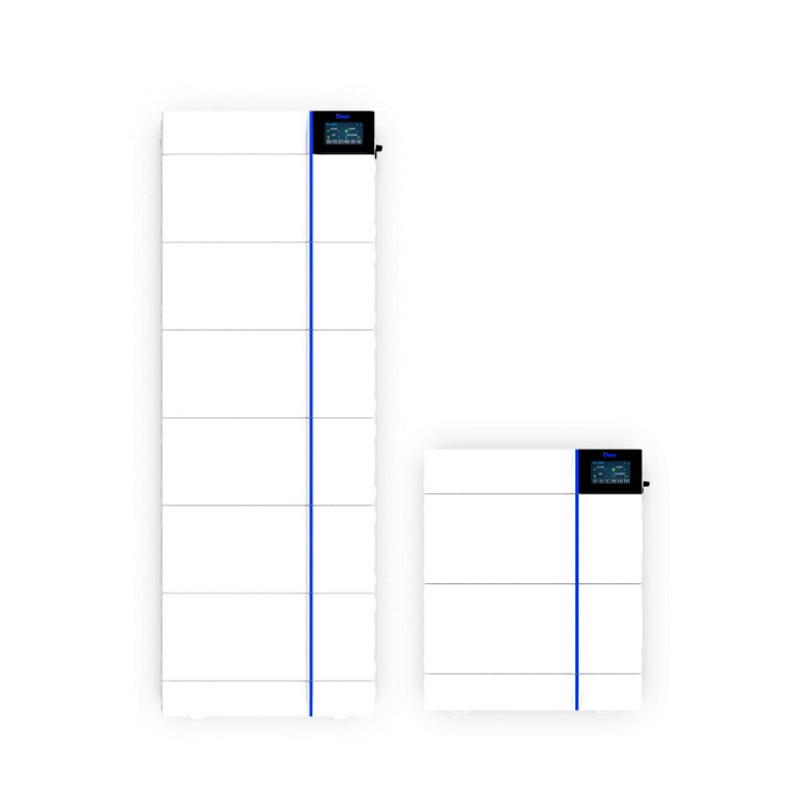
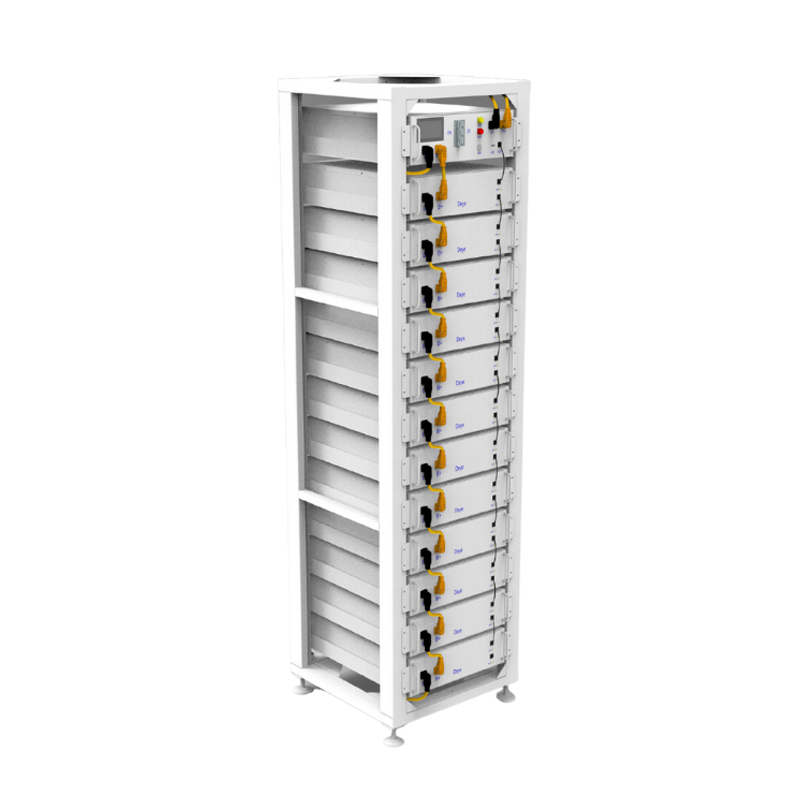
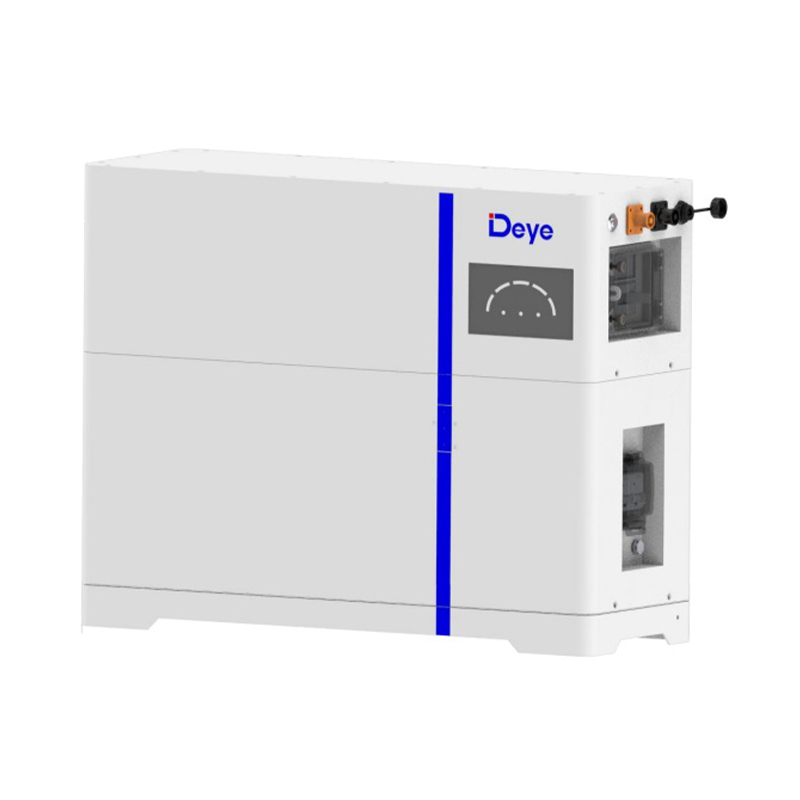
The battery decides how long you last without sun, and LiFePO4 has displaced lead-acid for three measurable reasons: 90–100% usable capacity versus roughly 50%, several thousand charge cycles versus 500–1,200, and a flat discharge voltage that keeps inverters stable until the bank is nearly empty. A standard building block is a 51.2 V, 100 Ah module storing about 5.12 kWh; capacity grows by stacking or racking additional modules, and an onboard battery management system (BMS) balances the cells and disconnects at safe limits.
Deye SE-F5 Pro 5.12kWh 51.2V LiFePO4 BatteryA 51.2 V, 100 Ah LiFePO4 module storing about 5.12 kWh with 100A continuous current and BMS protection. It matches the building-block battery described here and expands in parallel as your storage needs grow.View Product →
The supporting cast matters too. DC combiner boxes merge strings behind fused inputs, PV cable must be sized so voltage drop stays under 2–3%, MC4 connectors have to match the system's voltage rating, and a data logger lets you watch state of charge and daily yield from a phone instead of walking to the equipment wall. None of these parts cost much relative to the battery, and every one of them is a common source of faults when value-engineered out.
All three architectures share the same physics, but the battery and the inverter play very different roles depending on whether a utility line exists. The table below condenses the practical differences that affect both design and budget.
| Aspect | Off-grid | Grid-tied | Hybrid |
|---|---|---|---|
| Utility connection | None | Required | Present but optional |
| Surplus energy | Charges batteries, then is curtailed | Exported for credits | Charges batteries, then may export |
| Behavior in a blackout | Unaffected — it is its own grid | Shuts down for safety | Keeps supplying backed-up loads |
| Sizing logic | Must cover 100% of load in the worst month | Covers a share of the annual bill | Covers essential loads plus savings |
| Typical setting | Remote cabins, farms, telecom sites | Suburban homes | Homes with unreliable grids |
Grid-tied owners who undersize simply buy the shortfall from the utility. Off-grid owners get a dark house or a generator running every evening. The sizing sequence installers actually follow has four steps:
If the arithmetic looks heavy, our step-by-step off-grid design guide works through each calculation with real examples. Alternatively, pre-engineered kits collapse the four steps into a single decision, because the array, inverter, and storage arrive with matched numbers.
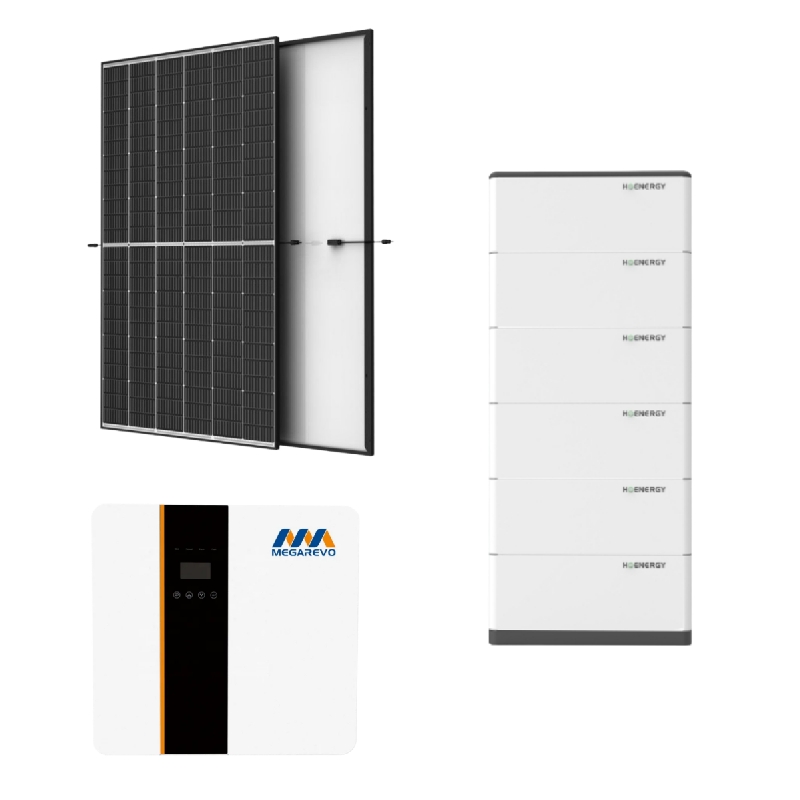
5KW Off-Grid Solar Kit with 10KWh StorageA pre-engineered kit pairing a 5 kW array and inverter with 10 kWh of matched storage, collapsing the sizing steps into one decision. Just confirm CAN-bus communication between inverter and battery brands before ordering.View Product →
A 5 kW kit with 10 kWh of storage, for example, fits a two-person household with efficient appliances and gas or wood heating. One procurement warning drawn from experience: mixing inverter and battery brands without confirmed CAN-bus communication is the single most common specification mistake we see. The hardware usually works, but charge parameters and handshake protocols have to be verified against both datasheets, never assumed.
The technology is mature; the decision is economic.
An off-grid solar system is not a black box. It is four components in a disciplined loop — generate, regulate, store, convert — with every margin set by your worst week of weather rather than your average day. Audit the loads honestly, design for December instead of July, confirm that battery and inverter can talk to each other, and the same loop will run for decades on fuel that arrives free every morning. If you would rather have the component matching done for you, our catalog ships panels, hybrid inverters, and LiFePO4 storage as pre-configured kits across 3–20 kW power classes, and our team will size a system against your actual load list instead of a generic template.
+31610999937
[email protected]
De Werf 11, 2544 EH The Hague, The Nederland.
WhatsApp: +1 (917) 257 2995/Copyright © 2023 Uni Z International B.V. VAT: NL864303440B01 All Rights Reserved
Solar Energy Storage System Solutions and Products