On-Grid vs Off-Grid Solar Systems: Definitions, Differences & Buying Guide
Sep 04,20266 Key Feature Upgrades in the Deye SG06 Series Hybrid Inverters
Sep 02,2026Deye SG06LP1 vs SG05LP1: Single-Phase Hybrid Inverter Comparison
Sep 02,2026How Does an Off-Grid Solar System Work? Components, Flow, and Sizing Explained
Aug 28,2026Current Solar Panel Efficiency: Real-World Module Ratings and Buying Guide
Aug 19,2026Content
A suburban homeowner with reliable utility service wants to lower monthly energy bills. A cabin owner two kilometres from the nearest power line needs electricity at night. Both people are searching for solar, but the systems they need are fundamentally different. The difference between on-grid and off-grid solar is not just a technical classification. It determines your battery capacity, total investment, backup capability, and long-term energy strategy.
Before comparing specifications, it helps to be clear about the decision. On-grid systems are simpler and cheaper per watt, but they shut down when the grid fails. Off-grid systems cost more per watt but provide true independence. A hybrid system, grid-connected with a battery, is the middle path most homeowners now choose.
An on-grid (grid-tied) solar system is connected directly to your utility company's power network. The solar array generates direct current (DC) electricity during daylight hours. An inverter converts that DC into alternating current (AC) to power your household appliances. Any surplus energy you do not consume is exported to the grid, typically earning credits through a net-metering agreement or a feed-in tariff.
No battery is required. That is the biggest reason on-grid systems are more affordable. A residential 5 kW to 10 kW system costs significantly less than the same array paired with storage.
There is one practical limitation. When the grid fails, an on-grid inverter automatically disconnects from the network. This is a safety measure to prevent your panels from feeding power into a line being repaired. Your home goes dark until utility service is restored.
If you live in an area with a stable grid, an on-grid system offers the fastest return on investment. The savings come directly from offsetting utility electricity prices. For a deeper look at how grid-tied inverters behave, see our guide on grid-tie solar inverters.
An off-grid (standalone) solar system is completely independent from the utility network. It is designed to meet all of a site's electricity needs using only solar energy captured on-site. This means every watt consumed, including at night or during multi-day storms, must come from your own generation and storage.
Off-grid sizing is more demanding than on-grid sizing. You must calculate not just average daily consumption, but also worst-case scenarios: winter solar production, appliance starting surges, and days of autonomy. A system designed for 75% of your peak needs will eventually force you to ration electricity or run a generator.
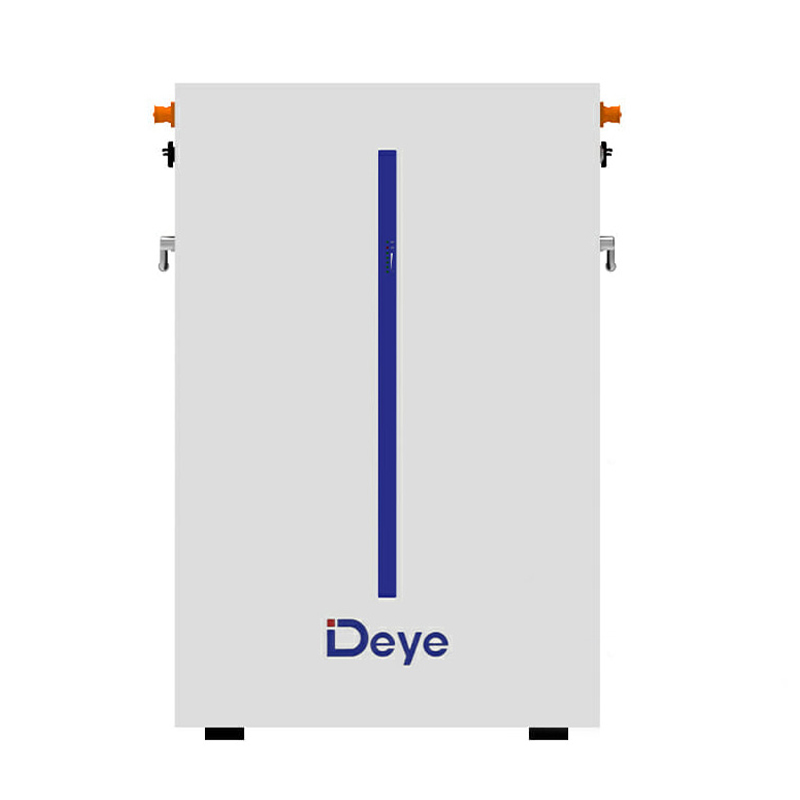
Battery selection is the most consequential decision. Low-voltage lithium iron phosphate (LiFePO4) systems with 48 V batteries are the mainstream residential choice. They offer a proven balance of safety, cycle life, and cost. For smaller installations, a 5 kWh to 10 kWh battery bank may be adequate. For a full household with a heat pump or electric vehicle, 15 kWh to 20 kWh or more is typical. To see how the components interact, read our breakdown of how an off-grid solar system works.
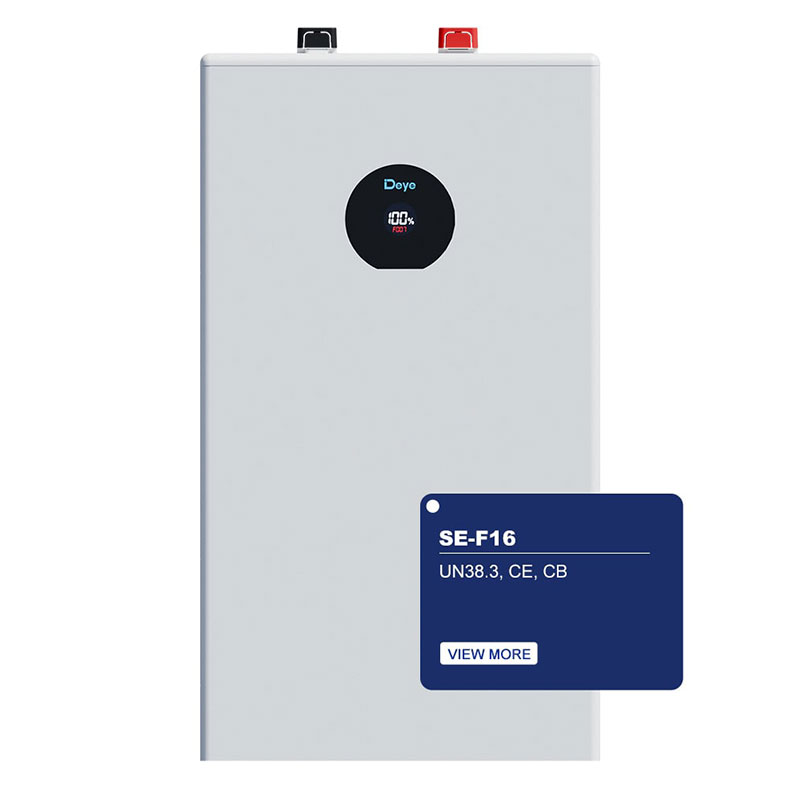
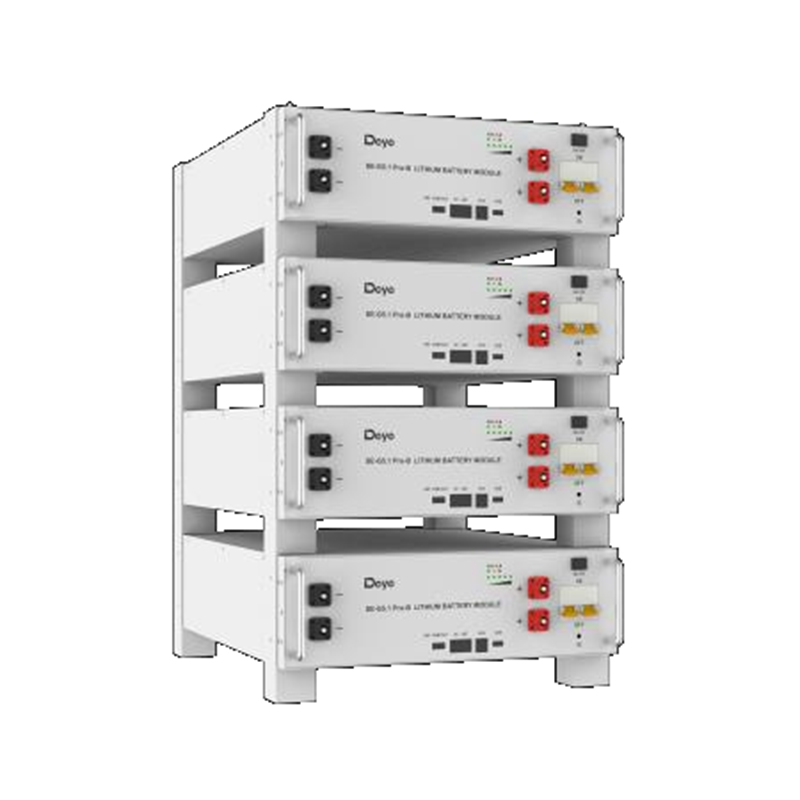
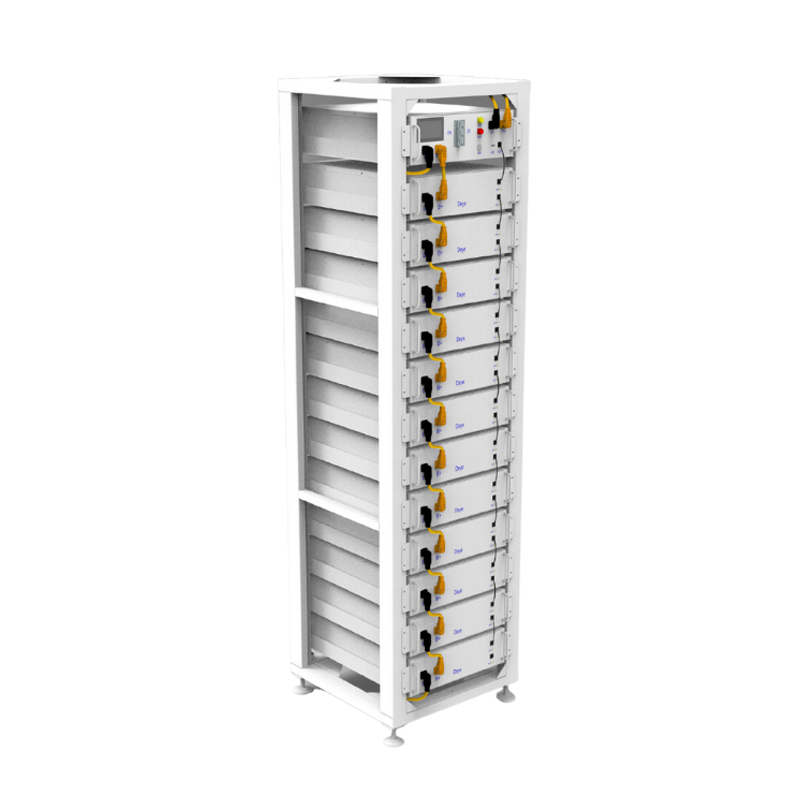
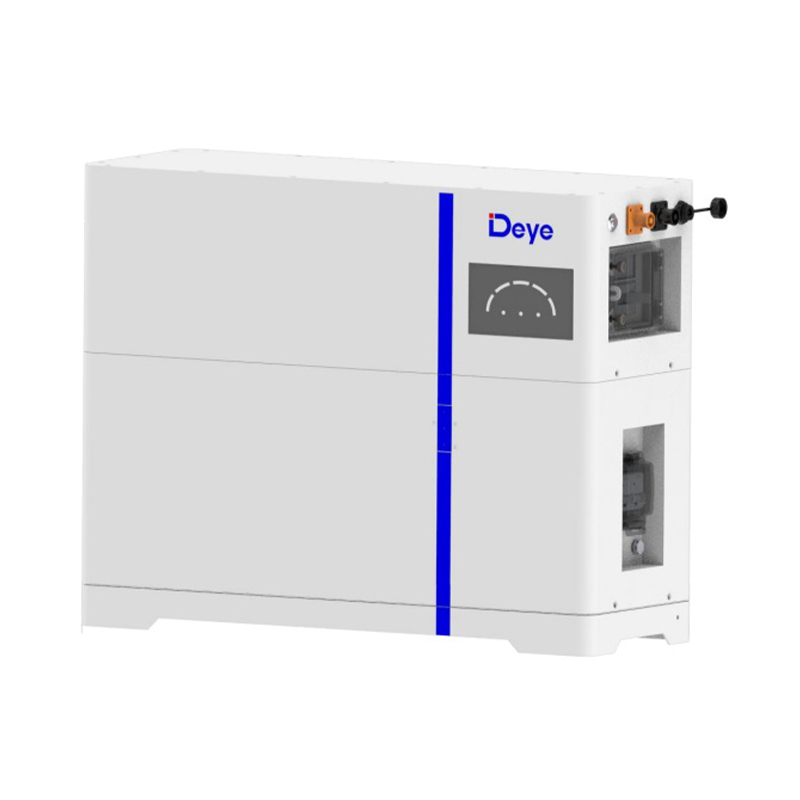
Deye SE-F16 16kWh Low Voltage LiFePO4 Battery for Residential StorageThis 16kWh low-voltage lithium iron phosphate battery suits larger homes with heat pumps or EV charging, offering expandable capacity and reliable daily cycling for backup or self-consumption.View Product →The table below summarises the most important differences. Use it as a quick reference when discussing options with an installer or supplier.
| Feature | On-Grid | Off-Grid | Hybrid |
|---|---|---|---|
| Grid connection | Yes | No | Yes |
| Battery required | No | Yes | Optional |
| Backup during outage | No | Yes | Yes |
| Upfront cost per kW | Lowest | Highest | Moderate |
| Energy independence | Low | Total | Partial |
| Sizing complexity | Simple | Complex | Medium |
| Best-fit scenario | Stable grid, low tariffs | Remote site, no grid | Grid plus backup |
A hybrid system is grid-connected but also includes battery storage. It can export surplus energy during the day and draw from the grid when needed. When the grid fails, it disconnects and switches to battery power, keeping critical appliances running.
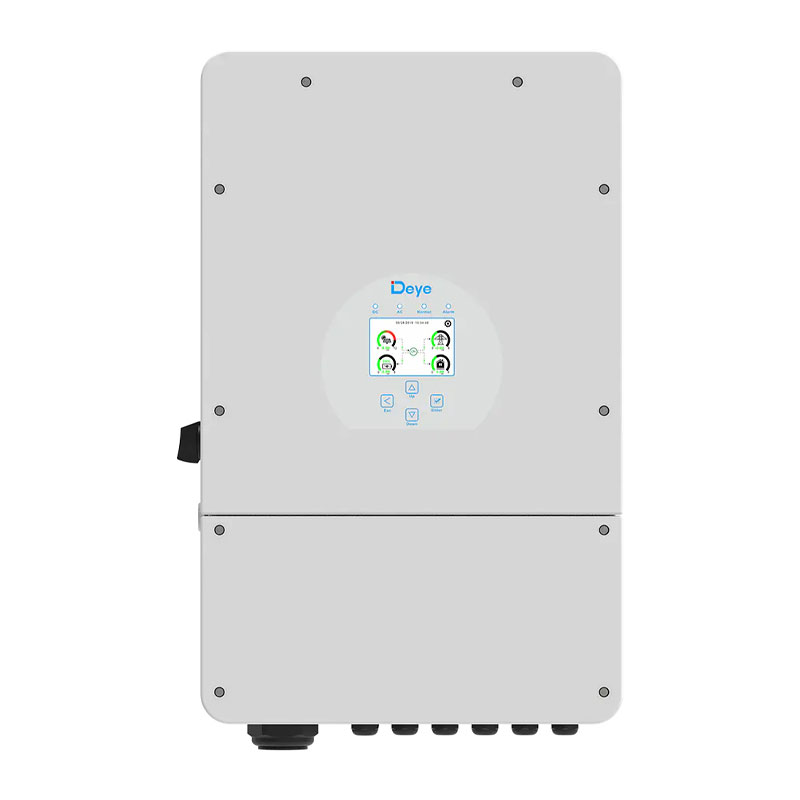
Hybrid inverters are designed for this dual role. They combine MPPT solar inputs, bidirectional AC/DC conversion, and battery management in one unit. In many markets, a hybrid inverter paired with a lithium battery has become the default choice for new residential installations, because it adds resilience for a relatively small premium over a grid-tied-only system.
Consider the practical example of a 10 kW residential photovoltaic kit. A pure on-grid version would cover daytime load and export the rest. The same array with a hybrid inverter and a 10 kWh battery keeps a home powered through evening peak hours and short outages. That is the trade-off most homeowners are willing to accept.
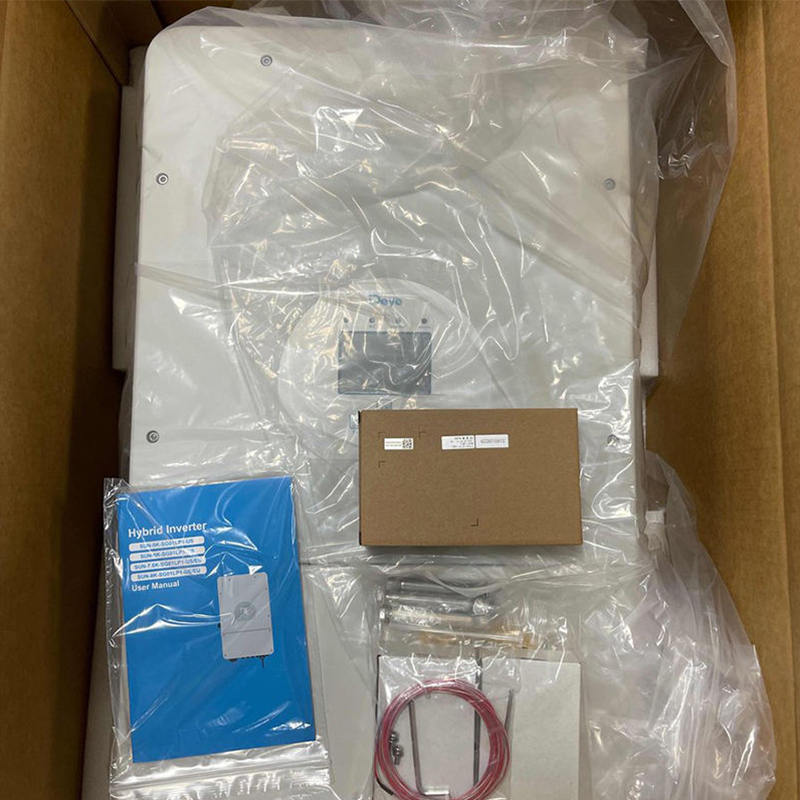
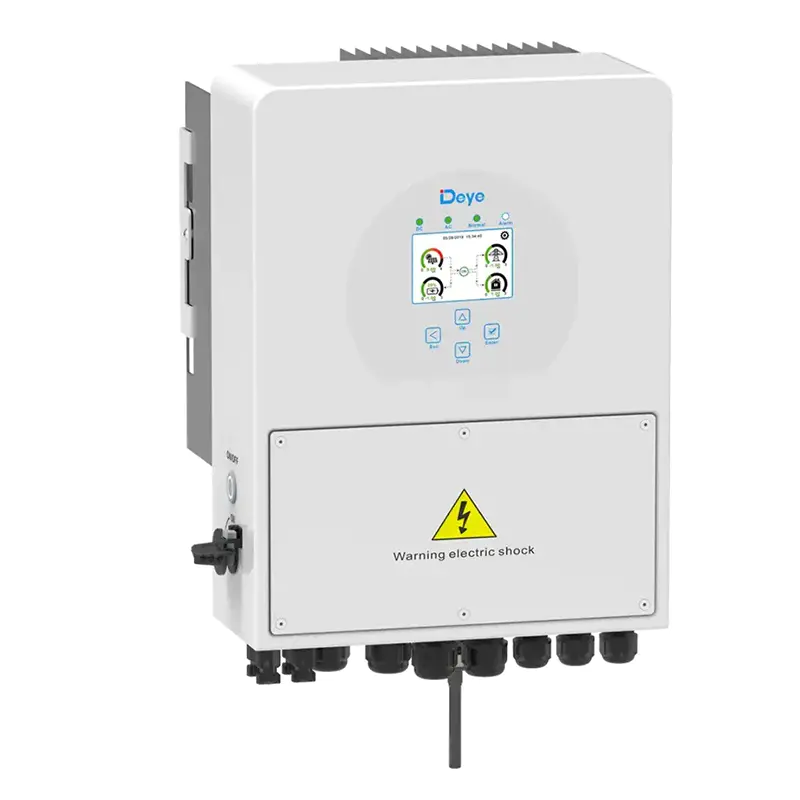
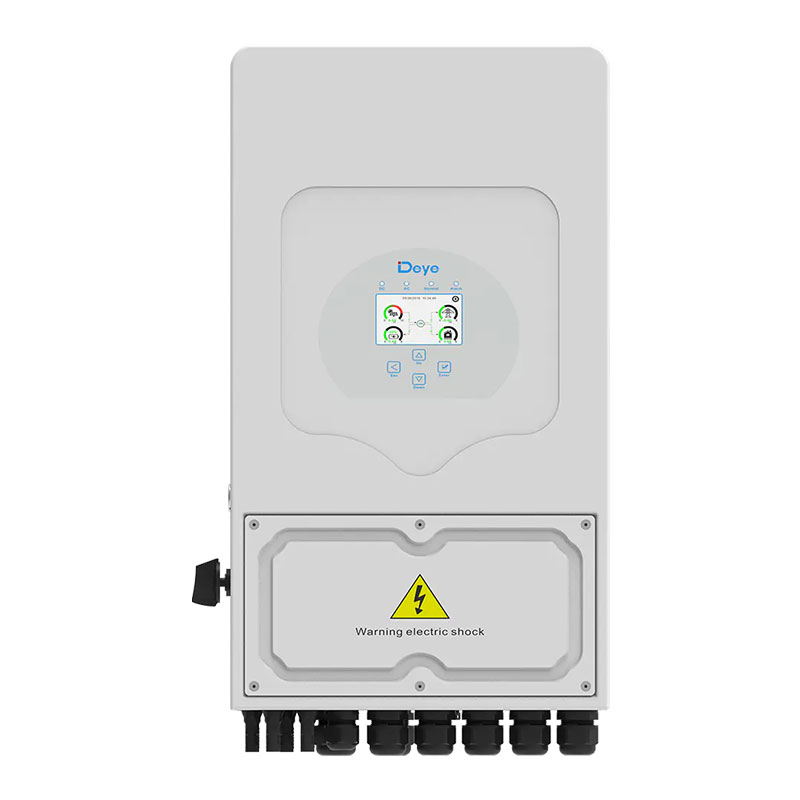
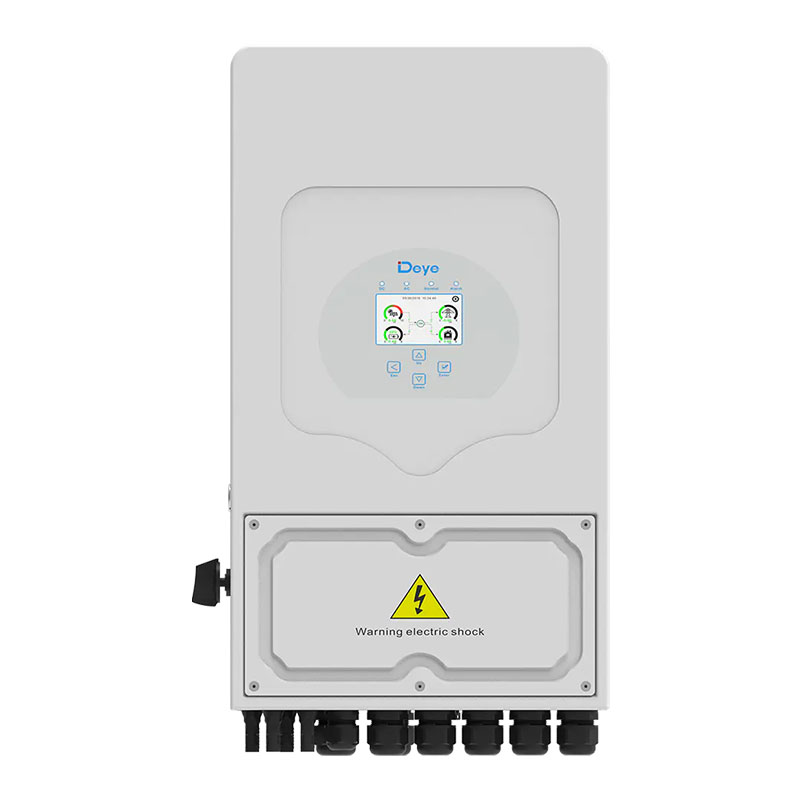
Deye SUN-8K-SG04LP3-EU Three Phase Hybrid Inverter for 48V SystemsThis three-phase hybrid inverter supports unbalanced output, AC coupling, and up to 10 parallel units, making it a flexible choice for residential or light commercial storage with backup needs.View Product →The right answer depends on three variables: your grid quality, your budget, and your appetite for maintenance.
If your utility fails more than a few times per year, or if outages typically last longer than two hours, the grid is not a reliable partner. In that case, an on-grid-only system will leave you in the dark when the network is down. A hybrid system with a battery at least covers essential loads. Off-grid is only necessary when the grid is unavailable altogether.
On-grid systems have the lowest cost per kilowatt. Off-grid systems carry the highest cost per kilowatt because the battery bank is a mandatory and expensive component. If you are comparing a 6 kW system with and without storage, the battery can add 30% to 50% to the total price. That difference matters when the payback period is your main criterion.
Do not overlook the interaction between components. A hybrid inverter from one brand may not communicate properly with a battery from another manufacturer. Although many products follow the CAN or RS485 communication standards, compatibility issues can cause reduced capacity or problematic charging. It is always safer to buy a packaged kit where the components have been tested together, or to work with a supplier that can confirm the integration for your specific configuration.
If you have grid access, start with a hybrid system. It gives you the financial benefits of grid-tied operation with the flexibility of battery backup. If your site has no utility connection at all, an off-grid system is your only path, but budget for a correctly sized battery bank and consider a generator for winter resilience.
When you are ready to specify components, look for a supplier that offers tested combinations rather than separate parts thrown into a cart. Proper system integration will save you from communication errors and performance problems that are difficult to troubleshoot after installation.
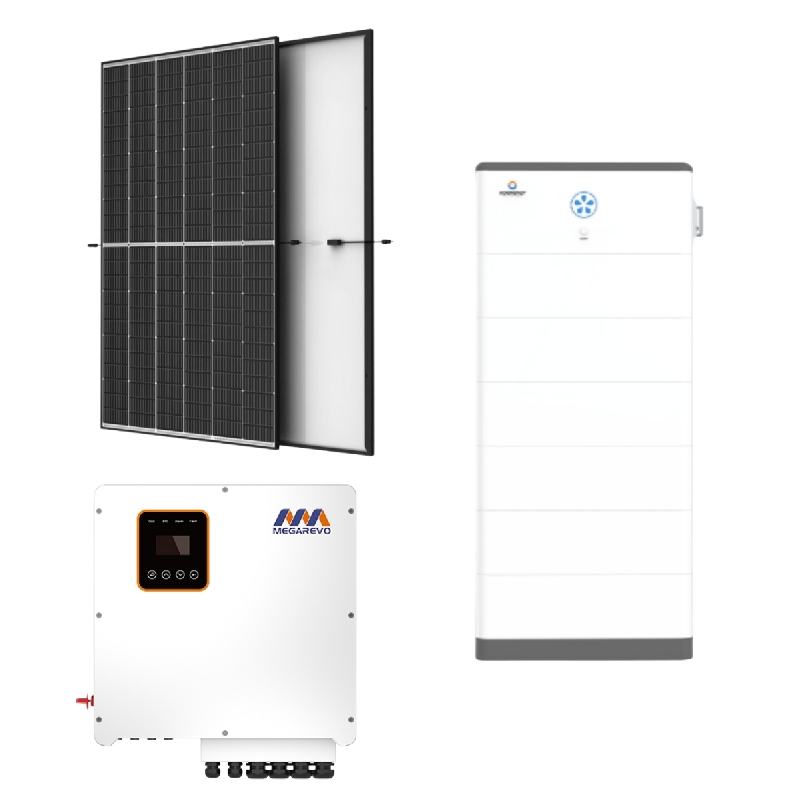
10kW Photovoltaic Kit with 10kWh Storage for Complete Home SystemsA ready-to-install 10kW solar kit paired with 10kWh storage, providing a tested combination for daytime generation and evening use, reducing integration issues after installation.View Product →
+31610999937
[email protected]
De Werf 11, 2544 EH The Hague, The Nederland.
WhatsApp: +1 (917) 257 2995/Copyright © 2023 Uni Z International B.V. VAT: NL864303440B01 All Rights Reserved
Solar Energy Storage System Solutions and Products