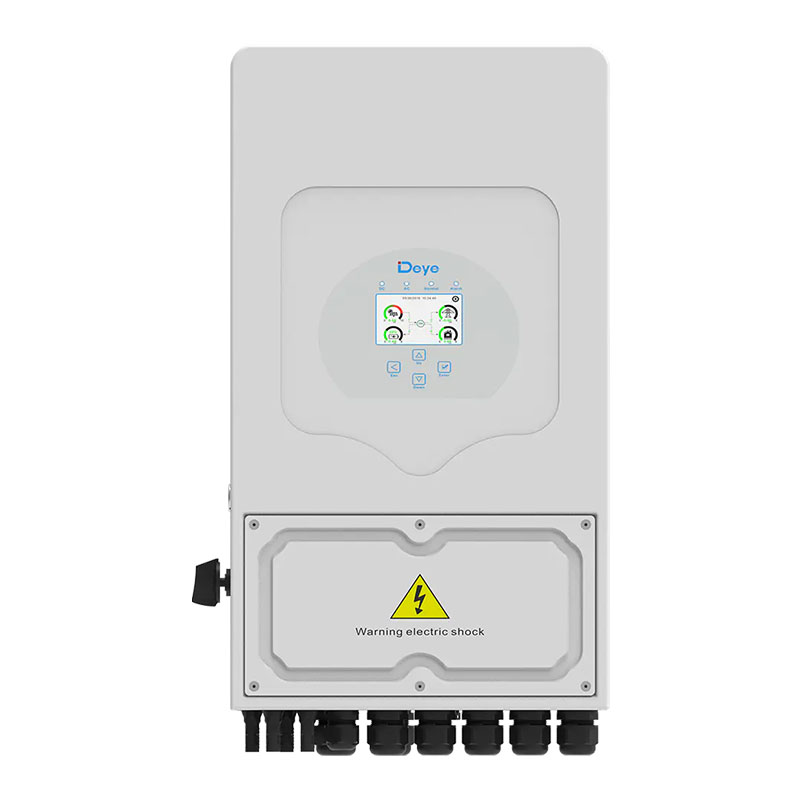
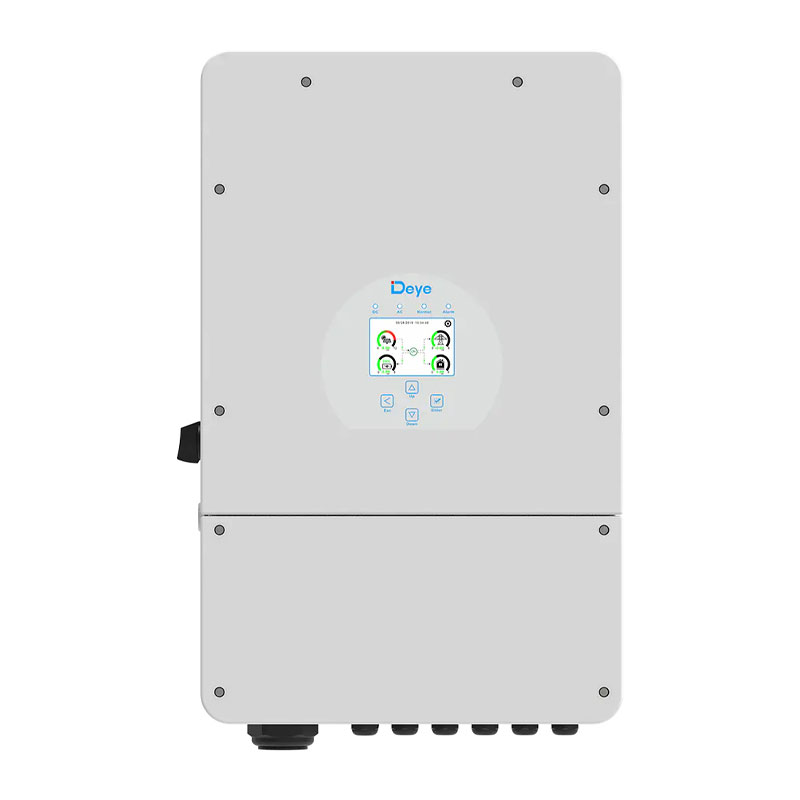
6 Key Feature Upgrades in the Deye SG06 Series Hybrid Inverters
Sep 02,2026Deye SG06LP1 vs SG05LP1: Single-Phase Hybrid Inverter Comparison
Sep 02,2026How Does an Off-Grid Solar System Work? Components, Flow, and Sizing Explained
Aug 28,2026Current Solar Panel Efficiency: Real-World Module Ratings and Buying Guide
Aug 19,2026Solar Powered Electric Car Charger: Panel Sizing, Battery Storage, and Charger Choice
Aug 14,2026Content
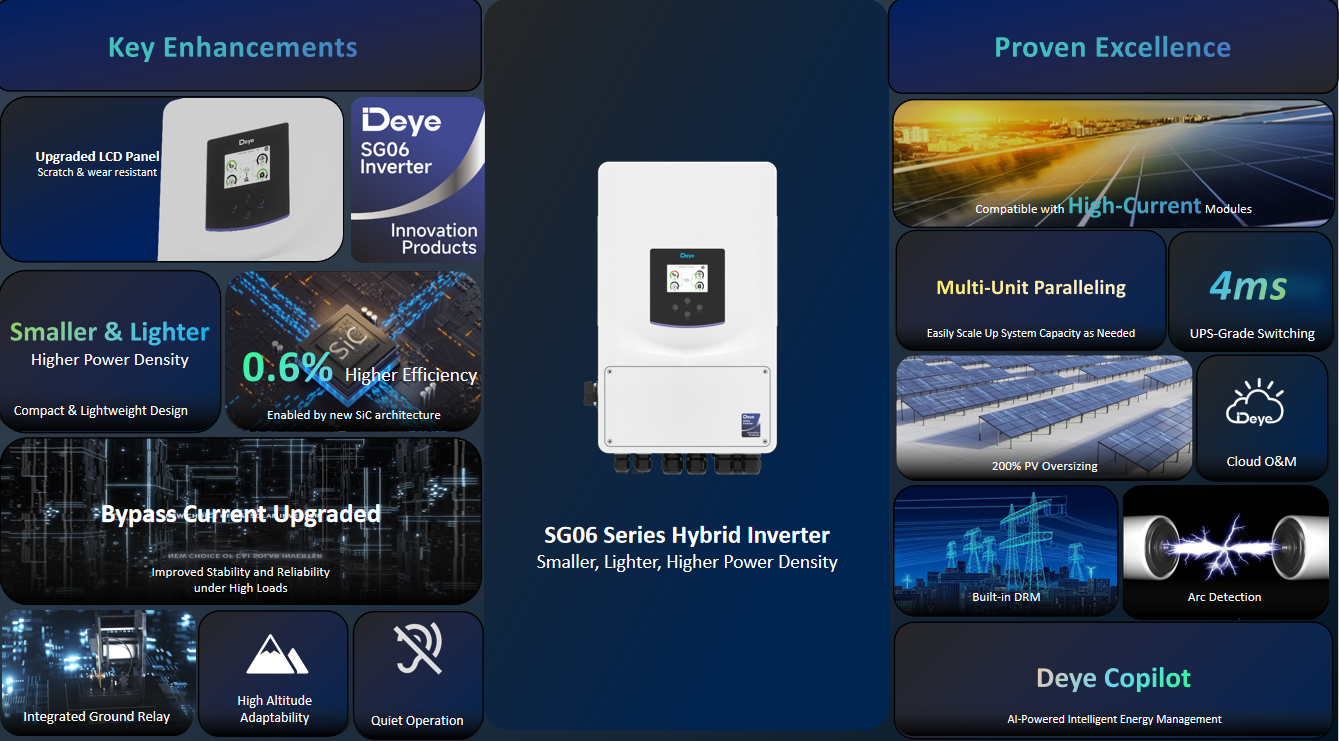
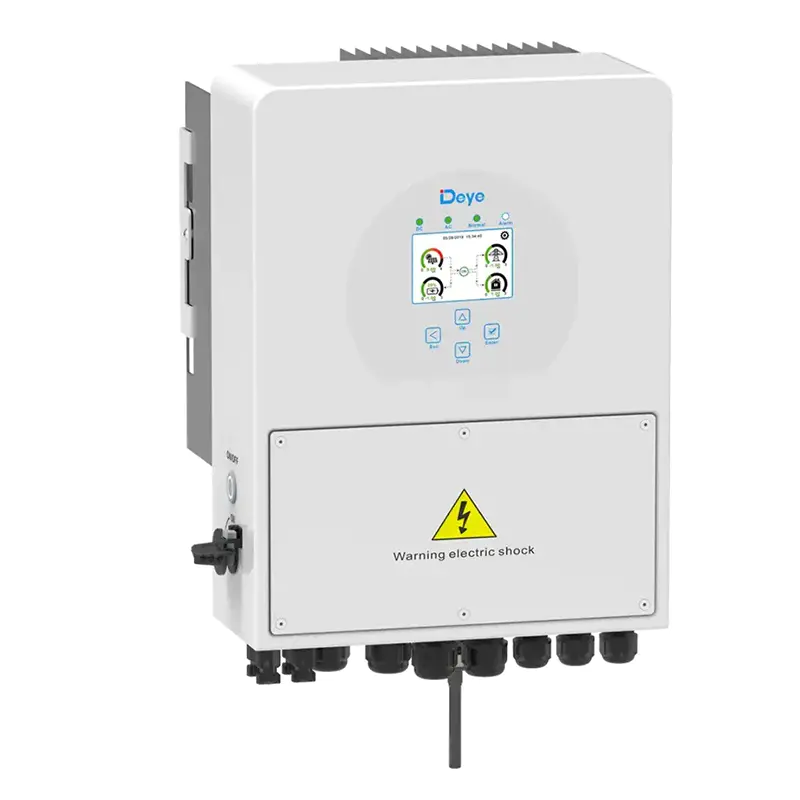
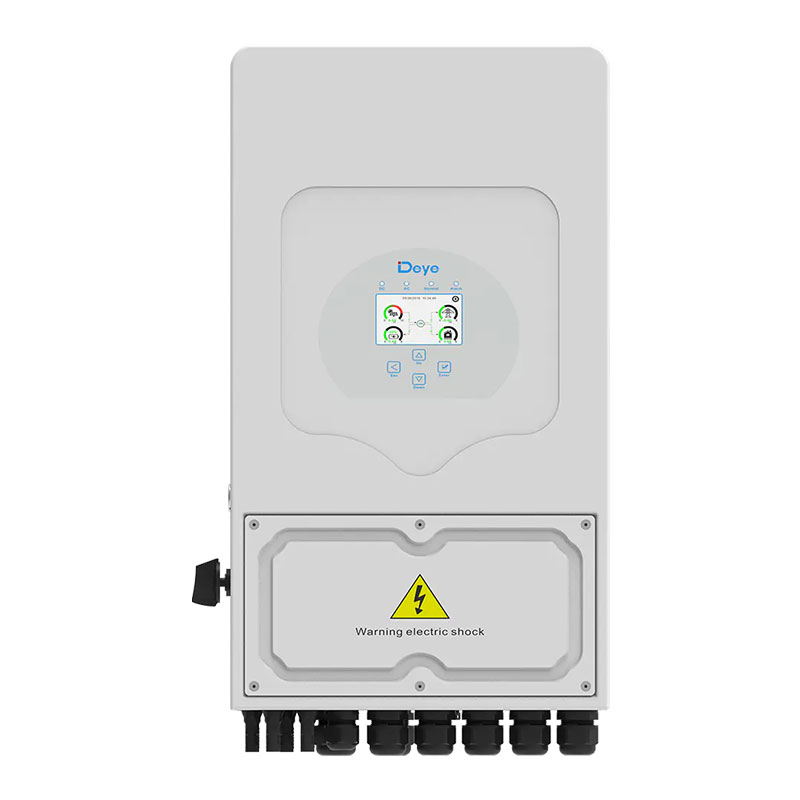
Weight and dimensions tell only part of the SG06 story. Strip away the "smaller, lighter" headline and what's left is a set of six functional upgrades that change how the inverter behaves once it's actually running a system — not just how it looks on a datasheet.

Multi-unit paralleling, sub-5ms switching, higher PV oversizing tolerance, cloud-based operations, arc detection, and an AI energy manager sit behind that headline. Each one addresses a specific pain point installers and system owners run into after commissioning — not before.
Sizing an inverter for a growing load is a guessing game. Buy too small and the system chokes when consumption rises; buy too large and the extra capacity sits unused for years while the owner pays for headroom nobody needs yet.
The SG06 series sidesteps that trade-off by supporting multi-unit paralleling, letting installers start with a single unit sized to current demand and add another in parallel later as load grows — a home adding a heat pump, or a small business adding equipment. Capacity scales in steps rather than requiring a full system swap.
When the grid drops, the gap before backup power kicks in is where sensitive equipment gets damaged — a server reboots mid-write, a medical device loses state, a precision instrument resets. Standard hybrid inverters typically switch to backup in the tens of milliseconds; some take noticeably longer.
The SG06 series switches in 4ms, fast enough that most connected electronics never register the interruption at all. For installs where backup isn't just a convenience — home offices running always-on equipment, small clinics, server closets — that switching speed is the difference between a seamless failover and a support call.
This matters most on sites where grid instability is a recurring issue rather than a rare event — the faster the switchover, the less the instability actually affects what's plugged in downstream.
Module wattage has climbed faster than a lot of installed inverter fleets can comfortably handle. An inverter built around older MPPT current limits ends up clipping output on strings built with today's high-current panels, wasting generation capacity the array is technically capable of producing.
The SG06 series is built to accept 200% PV oversizing and is explicitly compatible with high-current modules, meaning a string sized around current-generation panels doesn't need to be under-designed just to stay within the inverter's input tolerance. That headroom also gives some flexibility for future panel replacements without forcing an inverter swap alongside it.
Three separate upgrades land in the same category: reducing what has to be handled manually, on-site, after commissioning.
Cloud O&M moves monitoring and diagnostics off-site, letting an installer or fleet operator check system health, push firmware updates, and catch faults without a truck roll for every routine check. For anyone managing more than a handful of installed systems, that alone changes the economics of ongoing support.
Arc detection addresses a real fire-risk category in PV installations — degraded connectors, damaged cabling, and loose terminals can all generate arcing that's invisible until it isn't. Built-in detection catches these conditions before they escalate, rather than relying on a visual inspection that may not happen for months.
Built-in DRM (Demand Response Mode) means the inverter can respond to grid signals without bolting on a separate external module — relevant in markets where DRM compliance is a requirement for grid connection, not an optional feature.
"AI-powered" gets attached to a lot of products without much behind it. In this case, Deye Copilot's job is narrower and more concrete: adjusting charge and discharge timing based on patterns in consumption, generation, and — where available — electricity pricing, rather than running on a fixed schedule the owner has to configure and re-configure by hand.
A fixed time-of-use schedule works fine until consumption patterns shift — a new appliance, a change in occupancy, a season change. An adaptive system keeps adjusting instead of quietly running a suboptimal schedule until someone notices the bill went up and manually re-tunes it. That's the practical value: less manual re-tuning, not a vague promise of "smart" behavior.
Not every installation needs all six upgrades equally. A single-family home with stable grid service gets less value from 4ms switching than a small business running always-on equipment. A site with only a handful of installed systems benefits less from Cloud O&M than an installer managing a growing fleet across multiple properties.
Where the case is strongest: installations expecting future load growth (paralleling), sites with real backup requirements (switching speed), arrays built around current high-wattage modules (oversizing tolerance), and any installer managing systems remotely rather than in person (Cloud O&M and arc detection together). For a full look at Deye's complete hybrid inverter lineup, comparing these functional upgrades against project-specific requirements is the more useful starting point than comparing headline power ratings alone. Anyone wanting the installer-level detail on how the SG06LP3's redesign plays out in the field can also see a closer look at what changed in the three-phase SG06LP3.
+31610999937
[email protected]
De Werf 11, 2544 EH The Hague, The Nederland.
WhatsApp: +1 (917) 257 2995/Copyright © 2023 Uni Z International B.V. VAT: NL864303440B01 All Rights Reserved
Solar Energy Storage System Solutions and Products